Shone’s Complex: Causes, Symptoms & Treatment
Understanding Shone's Complex: A comprehensive guide to this rare congenital heart condition and its management.
What Is Shone’s Complex?
Shone’s Complex, also known as Shone’s Syndrome, is a rare congenital heart condition characterized by multiple obstructive lesions affecting the left side of the heart. First described by Dr. John Shone in 1963, this condition involves a constellation of cardiac defects that interfere with normal blood flow into and out of the left ventricle, the heart chamber responsible for pumping oxygen-rich blood throughout the body.
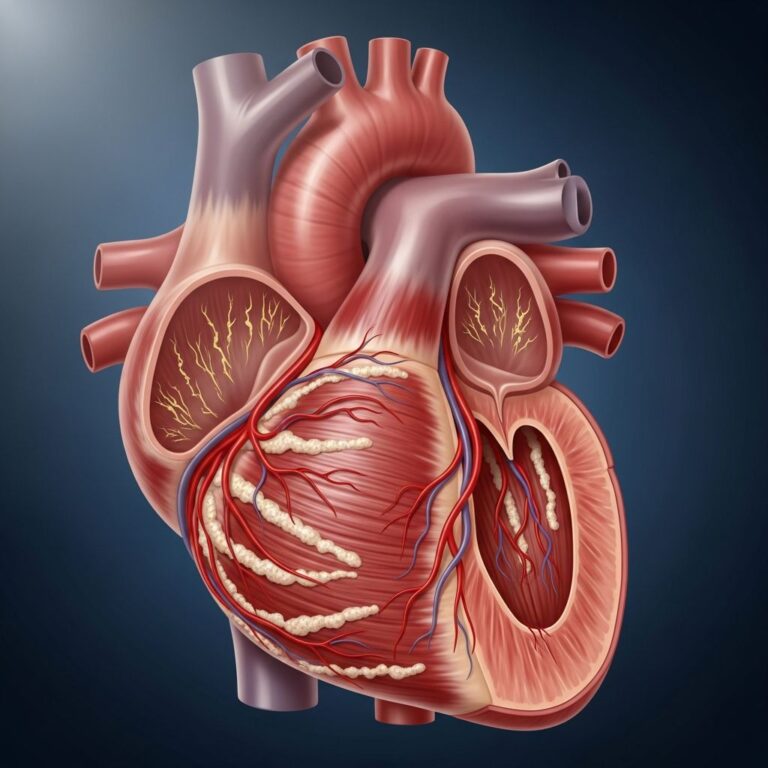
The condition is defined by the presence of at least three of eight possible left-sided obstructive lesions. In its complete form, Shone’s Complex includes four primary defects that were originally described, though additional lesions have since been identified as part of the syndrome’s spectrum.
The Four Primary Cardiac Defects
Shone’s Complex traditionally comprises four main cardiac abnormalities that work together to obstruct blood flow on the left side of the heart:
Supravalvular Mitral Membrane
A supravalvular mitral membrane, also known as cor triatriatum, is an abnormal connective tissue ring located at the base of the mitral valve leaflets. This membrane divides the left upper heart chamber (left atrium) into two separate sections, obstructing normal blood flow from the upper chamber into the left ventricle. The severity of obstruction varies widely among patients, ranging from mild to severe.
In severe cases, the membrane may prevent adequate blood flow into the left ventricle, causing fluid to back up into the lungs—a condition known as pulmonary edema. Patients with milder obstruction may develop high blood pressure or pulmonary arterial hypertension over time. Surgical removal of the membrane is generally successful, with recurrence being rare.
Parachute Mitral Valve
The parachute mitral valve is named for its distinctive appearance under echocardiographic imaging. In this anomaly, the mitral valve leaflets resemble a parachute canopy, the chordae (connective tissue strands) resemble the parachute strings, and the papillary muscle functions as the harness. This structural abnormality restricts the valve’s leaflet motion and reduces the valve opening, creating an obstruction in blood flow through the mitral valve.
Patients with a parachute mitral valve may require surgical repair or replacement of the valve. In many cases, particularly when addressing subaortic stenosis simultaneously, a Konno procedure is performed to enlarge the valve opening.
Subaortic Stenosis
Subaortic stenosis occurs when an abnormal membrane or muscular thickening develops beneath the aortic valve, narrowing or obstructing the left ventricular outflow tract. This forces the left ventricle to work significantly harder to pump blood out of the chamber and into the aorta, placing increased demand on the heart muscle.
This defect can present in both membranous and muscular forms, with variable degrees of obstruction. The left ventricle responds to this increased workload by thickening and stiffening. While a stiff ventricle can pump blood effectively, it struggles to relax and fill with blood for the next heartbeat, sitting at higher filling pressures than normal. This can result in fluid backing up into the lungs, pulmonary hypertension, and arrhythmias.
Related Stories



Coarctation of the Aorta
Coarctation of the aorta is a narrowing of the main artery that carries blood from the heart to the body. This narrowing obstructs blood flow and can lead to high blood pressure in the upper body while reducing blood flow to the lower extremities. When detected at birth or in early infancy with severe narrowing, immediate surgical repair is typically necessary to ensure adequate blood flow to vital organs.
Clinical Presentation and Symptoms
Shone’s Complex presents with a broad spectrum of symptoms depending on the severity and number of defects present. The condition develops very early during fetal development and occurs in both males and females across all racial and ethnic groups, though the exact cause remains unknown.
Symptoms in Infants and Young Children
Infants with severe forms of Shone’s Complex often present with signs of congestive heart failure within the first week of life. Common symptoms in this population include:
– Fatigue and poor feeding- Rapid or labored breathing and wheezing- Heart rate faster than normal- Poor weight gain and feeding difficulties- Fluid retention (edema) in the legs or throughout the body- Pallor or pale appearance (suggesting anemia)- Frequent respiratory infections and pneumonias- Heart murmur detected during physical examination- Shortness of breath, especially with exertion- Increased intolerance to activity or feeding
Late-Onset Presentation
Patients with milder forms of Shone’s Complex may not present until late childhood or adulthood. These individuals often present with hypertension (high blood pressure) that is difficult to control despite medication. Some adults are diagnosed incidentally during evaluation for other conditions, and approximately 61% of adults were not previously diagnosed with Shone’s Complex before adulthood.
Associated Cardiac Defects
Beyond the four primary lesions, Shone’s Complex may be associated with additional cardiovascular anomalies, including bicuspid aortic valve, patent ductus arteriosus, ventricular septal defect, interrupted aortic arch, and atrial septal defect.
Diagnosis of Shone’s Complex
Diagnosis of Shone’s Complex typically involves multiple imaging and diagnostic modalities:
Physical Examination
During physical examination, physicians listen for characteristic heart murmurs that suggest left-sided obstructive lesions. The severity and timing of murmurs can provide clues regarding which specific defects are present.
Echocardiography
Echocardiography (ultrasound of the heart) is the primary diagnostic tool for identifying the specific cardiac lesions present in Shone’s Complex. This non-invasive imaging technique allows visualization of valve structure and function, measurement of chamber sizes, and assessment of blood flow patterns.
Electrocardiography
Electrocardiography (ECG) can reveal evidence of left ventricular hypertrophy (thickening of the heart muscle) and other electrical abnormalities associated with the cardiac defects.
Chest X-ray
Chest imaging may show signs of pulmonary edema, left atrial enlargement, or other structural abnormalities.
Long-Term Outcomes in Adults
Research on adult outcomes in Shone’s Complex reveals important prognostic information. Among adults with congenital heart disease, approximately 0.67% have complete or incomplete Shone’s Complex. These patients demonstrate relatively low mortality rates in adulthood but substantial morbidity related to specific complications.
Key findings from long-term follow-up studies include:
– 93% have congenital mitral stenosis- 75% have aortic coarctation- 71% have bicuspid aortic valve- 48% experience cardiovascular hospitalizations during adulthood, predominantly for arrhythmias or heart failure- 7.1% require heart transplantation during adulthood- Average age at transplantation is between 22 and 28 years
Treatment and Management Options
Management of Shone’s Complex varies based on the severity of obstruction and the specific defects present. Treatment may range from medical management to surgical intervention, with many patients requiring multiple procedures throughout their lifetime.
Medical Management
For patients with mild disease or those not yet surgical candidates, medical management may include medications to reduce cardiac workload, such as beta-blockers or ACE inhibitors, and diuretics to manage fluid retention and pulmonary edema.
Surgical Interventions
Surgical repair is the definitive treatment for most patients with significant obstruction. Specific procedures include:
– Membrane resection for supravalvular mitral membrane- Mitral valve repair or replacement for parachute mitral valve- Subaortic membrane resection or Konno procedure for subaortic stenosis- Aortic coarctation repair through various surgical approaches
Many patients require staged procedures or multiple interventions over their lifetime to address progressive disease or complications. The timing and sequencing of operations depend on the severity and progression of individual lesions.
Long-Term Follow-Up and Monitoring
Patients with Shone’s Complex require lifelong cardiac surveillance to monitor for disease progression and complications. Regular echocardiography, electrocardiography, and clinical evaluation help detect problems early, allowing for timely intervention. Patients should maintain close relationships with adult congenital cardiologists familiar with this complex condition.
Complications and Prognosis
Common complications in patients with Shone’s Complex include arrhythmias, heart failure, pulmonary edema, and pulmonary hypertension. While mortality rates remain relatively low in adulthood, the condition significantly impacts quality of life and requires ongoing medical and surgical management.
The prognosis depends on several factors, including the number and severity of lesions, the age at diagnosis, and the adequacy of surgical repair. Patients diagnosed early and managed appropriately generally have better outcomes than those with delayed diagnosis.
Frequently Asked Questions
Q: Is Shone’s Complex inherited or genetic?
A: The exact cause of Shone’s Complex is unknown. It develops very early during fetal development, but no specific genetic inheritance pattern has been identified. The condition occurs in both males and females across all racial and ethnic groups.
Q: Can Shone’s Complex be detected before birth?
A: Yes, fetal echocardiography may detect some of the cardiac defects associated with Shone’s Complex during prenatal screening, though detection depends on the specific lesions and their severity.
Q: Will someone with Shone’s Complex need surgery?
A: Most patients with significant obstruction will require surgical repair at some point. However, patients with mild disease may be managed medically. The timing and extent of surgery depend on symptom severity and disease progression.
Q: Can people with Shone’s Complex have normal pregnancies?
A: Women with Shone’s Complex can become pregnant, but pregnancy places additional stress on an already compromised heart. Close coordination between obstetric and cardiac specialists is essential to manage risks and ensure the best outcomes for both mother and baby.
Q: Is Shone’s Complex life-threatening?
A: While Shone’s Complex can be serious and requires lifelong management, mortality rates in adults are relatively low. However, the condition can cause significant morbidity, and complications such as heart failure and arrhythmias can impact quality of life substantially.
Q: What is the difference between complete and incomplete Shone’s Complex?
A: Complete Shone’s Complex includes all four primary defects, while incomplete forms (also called partial or forme fruste) involve only two or three of the defects. Both complete and incomplete forms require similar ongoing monitoring and management.
References
- Shone complex — Orphanet. 2024. https://www.orpha.net/en/disease/detail/99063
- Shone’s Complex — Nicklaus Children’s Hospital. 2024. https://www.nicklauschildrens.org/conditions/shone-s-syndrome
- Shone Complex: An Under-recognized Congenital Heart Defect — PubMed/Canadian Cardiovascular Society. 2016. https://pubmed.ncbi.nlm.nih.gov/27956040/
- Comprehensive Review of Shone’s Syndrome: Pathophysiology, Clinical Manifestations, and Management Strategies — International Journal of Medical Science and Clinical Research Studies. 2024. https://ijmscrs.com/index.php/ijmscrs/article/view/1869
- Shone Syndrome — Adult Congenital Heart Association (ACHA). 2024. https://www.achaheart.org/your-heart/educational-qas/types-of-heart-defects/shone-syndrome/
Similar Articles








Read full bio of Sneha Tete