Shop Healthy On A Budget: Practical Money-Saving Grocery Tips
Master smart grocery shopping strategies to eat nutritious meals while managing your food budget effectively.
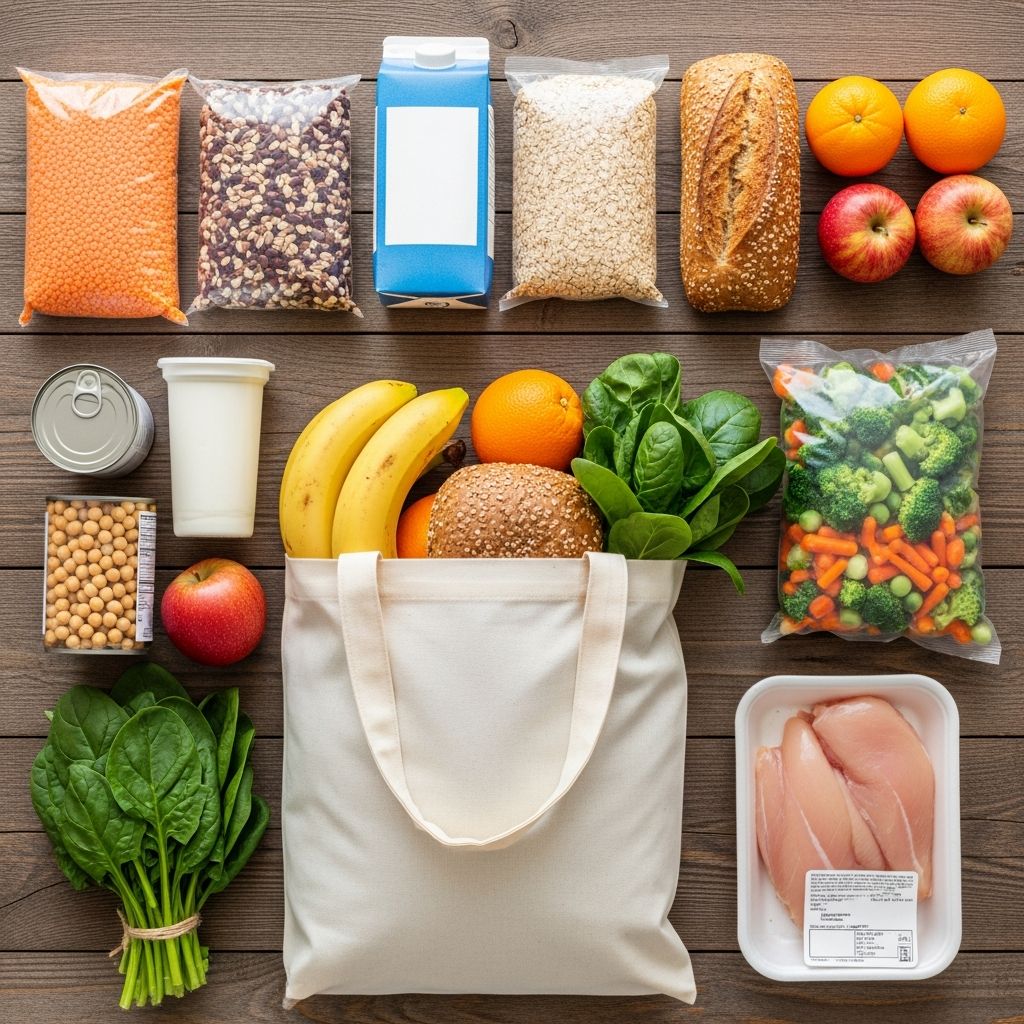
With a little know-how and advance planning, you can enjoy nutritious foods while sticking to a tight budget. Eating well doesn’t require spending a fortune at the grocery store. By implementing strategic shopping habits and making intentional food choices, you can nourish your body and your family without breaking the bank. This comprehensive guide provides practical, actionable tips to help you maximize your food dollars while maintaining a healthy diet.
Plan Grocery Shopping Around Sales
The foundation of budget-friendly grocery shopping is strategic planning. Rather than shopping randomly or based on cravings, plan your weekly meals around fresh produce, lean protein foods, and low-fat dairy items that are currently on sale and in season. This approach accomplishes two goals simultaneously: you save money by purchasing items at their lowest prices, and you eat healthfully by choosing whole, nutritious foods.
Start by checking store sale flyers and reviewing available coupons before you shop. Compare national brands with private store labels to identify the lowest prices for items you need. Once you’ve identified which sale items are available, incorporate them into simple, wholesome meals. Baked, grilled, or broiled lean meats or fish served with fresh vegetables and whole grains create delicious and healthy options with minimal added ingredients. Additionally, use the unit price feature on shelf labels to compare costs between different package sizes of the same product, ensuring you’re truly getting the best deal.
Create a Shopping List
One of the most effective money-saving strategies is creating and adhering to a detailed shopping list. Use your weekly meal plan to develop a comprehensive grocery list, then commit to sticking with it while you shop. This practice prevents impulse purchases and helps you stay focused on your nutritional goals.
When building your list, prioritize your food dollars for nutrient-rich foods across all categories:
- Vegetables and fruits
- Low-fat and fat-free dairy products
- Lean protein foods
- Whole grains
To keep your grocery list manageable and prevent overspending, prepare meals that incorporate similar ingredients throughout the week. This strategy reduces food waste and makes meal preparation more efficient. Additionally, organize your shopping list according to your store’s layout. This approach keeps you focused on essential needs and eliminates the temptation for impulse purchases as you navigate the aisles more quickly.
Shop the Produce Section Strategically
When purchasing fresh vegetables and fruits, shopping seasonally is key to both savings and quality. Local, seasonal produce is at its peak flavor and is generally more abundant in the market, which means it’s usually sold at a lower price compared to out-of-season items that require expensive transportation. Seasonal shopping also supports local agriculture and ensures you’re getting produce at its nutritional peak.
Research what produce is in season during different times of the year in your region. Spring brings asparagus, strawberries, and peas. Summer offers an abundance of tomatoes, berries, and stone fruits. Fall features apples, squash, and leafy greens. Winter provides root vegetables, citrus fruits, and hardy greens. By aligning your produce purchases with the seasons, you’ll notice significant savings on your grocery bills.
Related Stories



Look for Frozen or Canned Alternatives
If the produce item you want isn’t currently in season or doesn’t fit your budget, don’t skip these nutritious foods. Instead, consider purchasing frozen or canned varieties as excellent alternatives. Fresh, frozen, canned, and dried fruits and vegetables are all good choices for maintaining a healthy diet while managing costs.
An important benefit of frozen and canned produce is that these items are typically picked at peak freshness and can be just as nutritious as fresh foods because canning and freezing processes preserve many essential nutrients. This means you’re not sacrificing nutritional value when you choose these options. However, when selecting canned and frozen items, carefully check the ingredient labels to avoid products with added sugar, sauces, and excessive salt. Look for “no sugar added” canned fruits and “low sodium” or “no salt added” vegetables to maintain the health benefits of your purchases.
Budget Shopping at the Meat Counter
Meat is often the highest dollar ingredient in recipes, so strategic purchasing at the meat counter can yield significant savings. Consider purchasing larger quantities of meat when it’s on sale, then prepare enough for two or more meals. Store leftovers in the refrigerator for later in the week, or freeze portions for future use. This approach maximizes your savings on sale items and reduces waste.
Another effective strategy involves planning meatless meals several nights each week. Alternatively, try replacing half the meat in dishes such as chili, meatloaf, or burger patties with beans, finely minced mushrooms, or chopped vegetables. This substitution stretches your meat further while adding nutritional diversity to your meals.
Incorporating more non-meat proteins is both cost-effective and nutritious:
- Beans and legumes
- Nuts and seeds
- Eggs
- Tofu and soy products
- Canned fish (salmon, tuna, or crabmeat)
- Peanut butter
Buy Whole Grains and Dry Goods
Whole grains and dried beans are generally inexpensive and provide excellent nutritional value for your food budget. These staple items are an easy way to get more nutrition for your buck and should form the foundation of your pantry. Stock up on these nonperishable items when they’re on sale, or take advantage of bulk bins by purchasing only the amount you need immediately.
Keep these budget-friendly staples on hand:
- Brown rice and other whole grains
- Oats
- Barley
- Whole-wheat pasta
- Dried beans, peas, and lentils
- Whole-grain cereals and crackers
Dried beans, peas, and lentils are particularly valuable because you can purchase them in bulk, prepare large batches ahead of time, and then freeze portions. This ensures you always have protein and fiber-rich foods readily available for quick meals. A single pound of dried beans costs significantly less than multiple cans of prepared beans and yields substantially more servings.
Reduce Waste and Maximize Your Food Spending
Once you’ve completed your shopping, make the most of your food spending by implementing strategies to cut down on waste. Smart meal planning and proper food storage can significantly extend the life of your groceries and reduce the amount of food you throw away.
Plan to use highly perishable items early in the week:
- Fish and seafood
- Salad greens
- Berries
- Fresh herbs
Save more hearty, shelf-stable items for later in the week:
- Root vegetables
- Potatoes and sweet potatoes
- Winter squash
- Onions and garlic
- Canned goods
Get creative with leftovers rather than discarding them. Enjoy cooked meat and vegetables for lunch, or revamp them into entirely new meals. Cooked proteins and vegetables can become fillings for casseroles, frittatas, soups, stir-fries, or grain bowls. This approach reduces waste, saves time on meal preparation, and stretches your food budget even further.
Additional Budget-Friendly Shopping Strategies
Don’t Shop When Hungry
Shopping on an empty stomach significantly increases the temptation to make impulse purchases, particularly for less nutritious items that cost more. Eat a light meal or snack before shopping to maintain better decision-making and stick to your list.
Buy Store Brands
Private label or store brand products are often 15-20% less expensive than their national brand counterparts, and the quality of food may match or exceed the national brand. Compare ingredient lists and Nutrition Facts panels to confirm quality, then switch to store brands for items where they perform equally well.
Compare Unit Prices
Unit prices appear on shelf labels and indicate the cost per ounce, pound, or serving. Compare unit prices across different package sizes to identify true savings. Sometimes larger packages offer better unit prices, but this isn’t always true—always do the math before assuming bulk is cheaper.
Use Coupons and Rewards Programs
Take advantage of manufacturer coupons and store loyalty rewards programs. Combine coupons with sale prices for maximum savings. Many stores offer digital coupons through their websites or mobile apps, making it easier to access deals without clipping paper coupons.
Check Prices at Checkout
Verify that all prices ring up as advertised or as indicated on shelf labels, especially for sale items. Some stores offer discounts or even free items if they make pricing mistakes at checkout.
Frequently Asked Questions
Q: How can I create a budget meal plan without spending hours on planning?
A: Start simple by planning 4-5 basic meals for the week using ingredients that overlap. Many grocery store websites offer free meal planning tools and recipe suggestions. Batch cook on weekends to streamline weekday meal preparation.
Q: Are frozen vegetables and fruits as nutritious as fresh produce?
A: Yes, frozen and canned produce are picked at peak ripeness and frozen or canned immediately, which preserves most nutrients. In fact, they may contain more nutrients than fresh produce that has traveled long distances and sat in stores. Always check labels for added sugars and sodium.
Q: What if my family prefers certain non-sale items?
A: Gradually introduce new items while maintaining some familiar favorites. Stock your pantry with sale items, then use them creatively in recipes your family already enjoys. This reduces waste and builds acceptance of budget-friendly substitutions.
Q: How much time does meal planning actually save?
A: While initial planning takes 30-45 minutes weekly, you’ll recoup this time through faster shopping trips and streamlined meal preparation. Most people report saving 5-10 hours per week within the first month of consistent meal planning.
Q: Can I eat healthily on an extremely limited budget?
A: Yes. Focus on inexpensive, nutrient-dense foods like dried beans, lentils, eggs, oats, brown rice, seasonal produce, and canned fish. Consider supplemental programs like SNAP or visiting local food pantries and farmers markets for additional resources.
References
- Shop Healthy on a Budget — Academy of Nutrition and Dietetics. 2024. https://www.eatright.org/food/planning/food-security-and-sustainability/shop-healthy-on-a-budget
- 20 Money-Saving Grocery Shopping Tips — Academy of Nutrition and Dietetics. 2024. https://www.eatright.org/food/planning/food-security-and-sustainability/20-money-saving-grocery-shopping-tips
- 10 Tips for Eating Right Affordably — Academy of Nutrition and Dietetics. 2024. https://www.eatright.org/food/planning/food-security-and-sustainability/10-tips-for-eating-right-affordably
- 10 Ways to Save Time and Money at the Grocery Store — Academy of Nutrition and Dietetics. 2024. https://www.eatright.org/food/planning/food-security-and-sustainability/save-time-and-money-at-the-grocery-store
- Creating a Grocery List — Academy of Nutrition and Dietetics. 2024. https://www.eatright.org/food/planning/smart-shopping/creating-a-grocery-list
Similar Articles








Read full bio of Sneha Tete