Short Bursts of Exercise May Offer Big Health Benefits
Discover how brief exercise sessions can deliver substantial health improvements and boost your fitness.

The idea that you need hours at the gym to see meaningful health improvements is increasingly being challenged by modern exercise science. Research from leading institutions demonstrates that brief, intense bursts of physical activity can deliver remarkable health benefits comparable to traditional longer workout sessions. Whether you’re busy with work, family, or other commitments, understanding the power of short exercise bursts could transform your approach to fitness and wellness.
Understanding Exercise Snacks
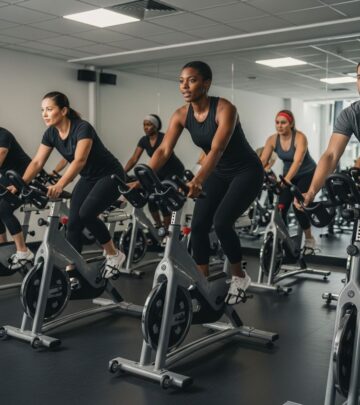
Exercise snacks are short bursts of physical activity lasting anywhere from 15 seconds to 10 minutes that can include virtually any type of movement. The term was coined in 2007 by Dr. Howard Hartley, then an associate professor of medicine at Harvard Medical School, and has since become recognized by fitness professionals and researchers worldwide. These mini-workouts encompass activities as simple as climbing stairs, taking a brisk walk, performing squats, dancing, or cycling.
What makes exercise snacks particularly appealing is their accessibility and flexibility. Unlike traditional gym sessions that require dedicated time blocks, exercise snacks can be seamlessly integrated into daily routines. You might climb stairs during a work break, do quick bodyweight exercises while watching television, or take a vigorous walk during lunch. This flexibility makes them an attractive option for individuals struggling to maintain consistent exercise routines.
The Science Behind Short Bursts: Metabolic Changes
Groundbreaking research from Harvard-affiliated Massachusetts General Hospital has revealed the profound physiological changes triggered by brief exercise sessions. In a study published in Circulation, researchers tracked the effects of just 12 minutes of vigorous cardiopulmonary exercise on over 80 percent of circulating metabolites in 411 middle-aged men and women.
The study, which drew data from the long-running Framingham Heart Study, measured 588 different circulating metabolites before and immediately after the 12-minute exercise bout. The findings were remarkable: the brief exercise session induced significant favorable shifts in metabolites associated with key bodily functions including insulin resistance, oxidative stress, vascular reactivity, inflammation, and longevity.
One of the most striking findings involved glutamate, a metabolite previously linked to heart disease, diabetes, and decreased longevity. After just 12 minutes of exercise, glutamate levels dropped by 29 percent. Additionally, DMGV, a metabolite associated with increased diabetes and liver disease risk, decreased by 18 percent. These dramatic changes demonstrate that even brief exercise sessions can trigger significant metabolic improvements at the molecular level.
Key Metabolic Improvements from Short Exercise
According to research findings, short exercise bursts create measurable improvements in multiple metabolic markers:
– Glutamate reduction of up to 29 percent (linked to heart disease prevention)- DMGV decrease of approximately 18 percent (associated with diabetes risk reduction)- Improved insulin sensitivity and glucose metabolism- Reduced oxidative stress and inflammation markers- Enhanced vascular function and blood flow- Positive changes in lipid metabolism
Cardiovascular Benefits: Heart Health in Minutes
Perhaps one of the most compelling reasons to embrace short exercise bursts is their profound impact on cardiovascular health. A 2022 study published in the European Heart Journal examined the activity levels of nearly 72,000 adults over seven years and found that performing at least 19 minutes of vigorous exercise weekly was linked to a 40 percent lower risk of developing heart disease.
This finding suggests that you don’t need to dedicate hours to cardio workouts to protect your heart. Instead, distributing vigorous activity throughout the week in shorter sessions appears to provide substantial cardiovascular protection. The research indicates that engaging in several bouts of vigorous activity throughout the day may be even more beneficial than one continuous sweat session.
Among healthy individuals, regular exercise raises HDL (“good”) cholesterol levels, improves clotting factors, lowers blood pressure, and decreases inflammation—all factors that substantially reduce cardiovascular disease risk. People who engage regularly in vigorous aerobic exercise experience remarkable adaptations, including increased mitochondria in muscles, growth of new capillaries in skeletal muscles and the heart, enlargement of the left ventricle, and increased circulating red blood cells that improve oxygen-carrying capacity.
Cancer Risk Reduction: Surprising Findings
Beyond cardiovascular benefits, emerging research reveals that short exercise bursts can significantly reduce cancer risk. A July 2023 study of 22,398 sedentary adults found that those who began engaging in just 3.4 to 3.6 minutes of vigorous physical activity daily—performed in bursts lasting less than one or two minutes—experienced a 17 to 18 percent reduction in cancer incidence. Even more impressively, adults who achieved 4.5 minutes of vigorous, intermittent physical activity each day saw a 31 to 32 percent reduction in cancer incidence.
These findings suggest that cancer prevention doesn’t require marathon training sessions or hours of weekly commitment. Instead, strategically distributing vigorous activity throughout the day in very brief intervals can yield significant protective benefits. This represents a paradigm shift in cancer prevention strategies, offering hope to busy individuals who struggle to find time for traditional exercise programs.
Fitness Improvements Through Exercise Snacks
Research demonstrates that exercise snacks can meaningfully improve cardiorespiratory fitness—a key indicator of overall health and longevity. A January 2022 study published in Exercise and Sport Sciences Reviews found that performing 15 to 30-second exercise snacks three times daily improved cardiorespiratory fitness levels and exercise performance in previously inactive adults. The study participants engaged in stair-climbing and cycling exercise snacks, demonstrating that even minimal-duration activities can yield measurable fitness gains.
This finding is particularly encouraging for individuals who have been sedentary and may feel intimidated by traditional fitness programs. Instead of committing to lengthy gym sessions, beginners can start with 30-second intervals of light activity and gradually progress. Over time, these brief sessions accumulate into significant fitness improvements that translate to better health outcomes and increased daily energy levels.
Mental Health and Cognitive Benefits
Beyond physical health metrics, short exercise bursts offer substantial mental health benefits. A quick 20-minute workout session can help reset your mind when feeling stressed at work or home. After hours of sedentary activity, mini-workouts combat the sluggishness, lack of motivation, and stiffness that accumulate throughout the day.
Exercise snacks also facilitate psychological wins by allowing you to set and achieve small, manageable goals. Rather than aiming for three 60-minute gym sessions weekly, you might target three 20-minute workouts, making the commitment feel sustainable and achievable. As these smaller goals become routine, you naturally progress to more frequent or intense sessions. This approach builds confidence and creates positive momentum toward better health.
Personalized Response: How Your Body Adapts
Research from Harvard scientists reveals that metabolic responses to exercise are highly individualized and can be influenced by multiple factors. The MGH study found that metabolic responses may be modulated by sex and body mass index, with obesity potentially conferring partial resistance to exercise benefits. However, this doesn’t mean that obese individuals shouldn’t exercise; rather, it suggests that some individuals may need to adjust their approach or combine exercise with other lifestyle modifications.
Interestingly, different metabolites track with different physiologic responses to exercise, potentially providing unique signatures in the bloodstream that reveal physical fitness levels. Lower levels of DMGV, for example, could signify higher fitness levels, much like current blood tests determine kidney or liver function. This personalized approach to understanding exercise response opens exciting possibilities for tailored fitness recommendations based on individual metabolic profiles.
Recommended Guidelines for Short Exercise Sessions
According to the American College of Sports Medicine (ACSM), all healthy adults aged 18–65 years should participate in moderate-intensity aerobic physical activity for a minimum of 30 minutes on five days per week, or vigorous-intensity aerobic activity for a minimum of 20 minutes on three days per week. The good news is that these recommendations can be met through multiple short sessions distributed throughout the day.
Vigorous-intensity activities that count toward these guidelines include brisk walking, running, cycling, and stair climbing. As long as you maintain the appropriate intensity level for at least 20 minutes total (whether continuously or in brief intervals), you’re meeting the ACSM standards. This flexibility allows individuals to customize their fitness routines based on their schedules, preferences, and fitness levels.
Intensity Matters: The Quality Over Quantity Principle
Research indicates that exercise intensity plays a crucial role in health benefits. Among men specifically, intensity itself can provide additional cardiovascular protection beyond the total amount of exercise performed. Vigorous aerobic exercise appears particularly effective at burning visceral fat—the metabolically active abdominal fat that poses significant health risks when accumulated.
Visceral fat doesn’t just store energy; it produces and regulates hormones that cause cardiovascular system inflammation. By targeting this fat through vigorous exercise, individuals can achieve disproportionate health benefits. This explains why short bursts of intense activity may deliver benefits comparable to longer, moderate-intensity sessions. The key is working at sufficient intensity to challenge your cardiovascular system and metabolism.
Practical Implementation: Getting Started with Exercise Snacks
Beginning an exercise snack routine requires minimal preparation or equipment. Here are practical strategies for incorporating brief exercise sessions into daily life:
– Replace elevators with stairs, taking them two at a time for added intensity- Perform bodyweight exercises during television commercial breaks or streaming pauses- Take vigorous walking breaks every hour during work- Do squats, lunges, or jumping jacks while preparing meals- Dance to your favorite music for 5-10 minutes daily- Cycle or briskly walk for transportation when possible- Perform quick strength circuits using household items- Combine activities, such as standing while on phone calls and moving during conversations
The key to success is consistency and finding activities you enjoy. When exercise feels like a punishment rather than a benefit, adherence plummets. By selecting movement that feels natural and enjoyable, you’re more likely to maintain the habit long-term.
Long-Term Health Predictions and Longevity
The Framingham Heart Study, which began in 1948 and now includes three generations of participants, enabled researchers to apply metabolic signatures from exercise responses to predict long-term health outcomes and life expectancy. By studying how brief exercise affects circulating metabolites, scientists can forecast an individual’s future health trajectory and lifespan probability.
This research suggests that understanding your personal metabolic response to exercise could enable early intervention for high-risk individuals. Those with suboptimal metabolic responses to exercise might receive personalized recommendations to modify their approach, combine strategies, or address underlying metabolic conditions. This precision medicine approach could optimize health outcomes across populations.
Frequently Asked Questions (FAQs)
Q: How long does an exercise snack need to be to provide benefits?
A: Research shows benefits from sessions as brief as 15-30 seconds when done consistently, though 5-10 minute sessions appear to provide more robust benefits. The key is intensity and consistency rather than duration.
Q: Can I do exercise snacks instead of longer workouts?
A: Yes, multiple short sessions distributed throughout the day can meet physical activity guidelines. Studies show that 20-minute sessions or several brief bursts totaling the recommended weekly duration provide significant health benefits.
Q: What types of activities count as exercise snacks?
A: Almost any movement counts, including stairs climbing, walking, squats, dancing, cycling, or strength exercises. The activity must elevate your heart rate to qualify as vigorous intensity to maximize benefits.
Q: How quickly will I see results from exercise snacks?
A: Metabolic changes occur within minutes of exercise. Fitness improvements typically appear within 2-4 weeks of consistent activity, while cardiovascular benefits and disease risk reduction develop over weeks to months.
Q: Are exercise snacks suitable for people who are currently sedentary?
A: Yes, sedentary individuals benefit significantly from exercise snacks. Start conservatively with 15-30 second intervals and gradually increase duration and intensity as fitness improves. Always consult your doctor before beginning new exercise programs.
Q: Do intensity levels matter when doing exercise snacks?
A: Absolutely. Vigorous-intensity exercise provides superior benefits compared to moderate intensity, particularly for cardiovascular protection and visceral fat reduction. However, consistency matters more than perfection—something is always better than nothing.
Conclusion: Making Exercise Work for Your Life
The scientific evidence is compelling: short bursts of physical activity can deliver substantial health benefits rivaling those of traditional, time-intensive exercise programs. From metabolic improvements and cardiovascular protection to cancer risk reduction and mental health benefits, exercise snacks offer accessible paths to better health for virtually everyone.
The beauty of this approach lies in its flexibility and accessibility. Whether you have 5 minutes or 30 minutes, whether you prefer dancing, walking, or cycling, whether you’re just beginning your fitness journey or already active—there’s an exercise snack approach suited to your circumstances. By embracing these brief, intense activity bursts and integrating them into daily life, you can improve your health without requiring extensive time commitments or expensive gym memberships.
Before beginning any new exercise program, consult your healthcare provider to ensure the approach is appropriate for your individual health status. Stop immediately if you experience pain or unusual symptoms. With proper guidance and consistent effort, short bursts of exercise can become the foundation of a healthier, longer, and more energetic life.
References
- 12-Minute Exercise Bursts Offer Big Benefits — Harvard Gazette. 2020-11-12. https://news.harvard.edu/gazette/story/2020/11/12-minute-bursts-of-exercise-have-bigger-impact-than-thought/
- Short and Sweet: The Power of 20-Minute Workouts — NordicTrack. https://www.nordictrack.com/learn/short-and-sweet-the-power-of-20-minute-workouts/
- Exercise Snacks: Even a Few Minutes a Day Can Boost Your Health — CNN/Harvard Street. https://harvardstreet.org/exercise-snacks-even-a-few-minutes-a-day-can-boost-your-health/
- The True Magic Pill: Why Exercise Outperforms Every Drug — Harvard Magazine. 2023. https://www.harvardmagazine.com/2023/harvard-scientists-exercise-science-and-health
- Massive Study Uncovers How Much Exercise Is Needed to Live Longer — American Medical Association. https://www.ama-assn.org/public-health/prevention-wellness/massive-study-uncovers-how-much-exercise-needed-live-longer
Similar Articles






Read full bio of Sneha Tete