Shortness of Breath Causes in Lung Cancer
Understand why shortness of breath occurs in lung cancer patients and learn essential management strategies for better quality of life.
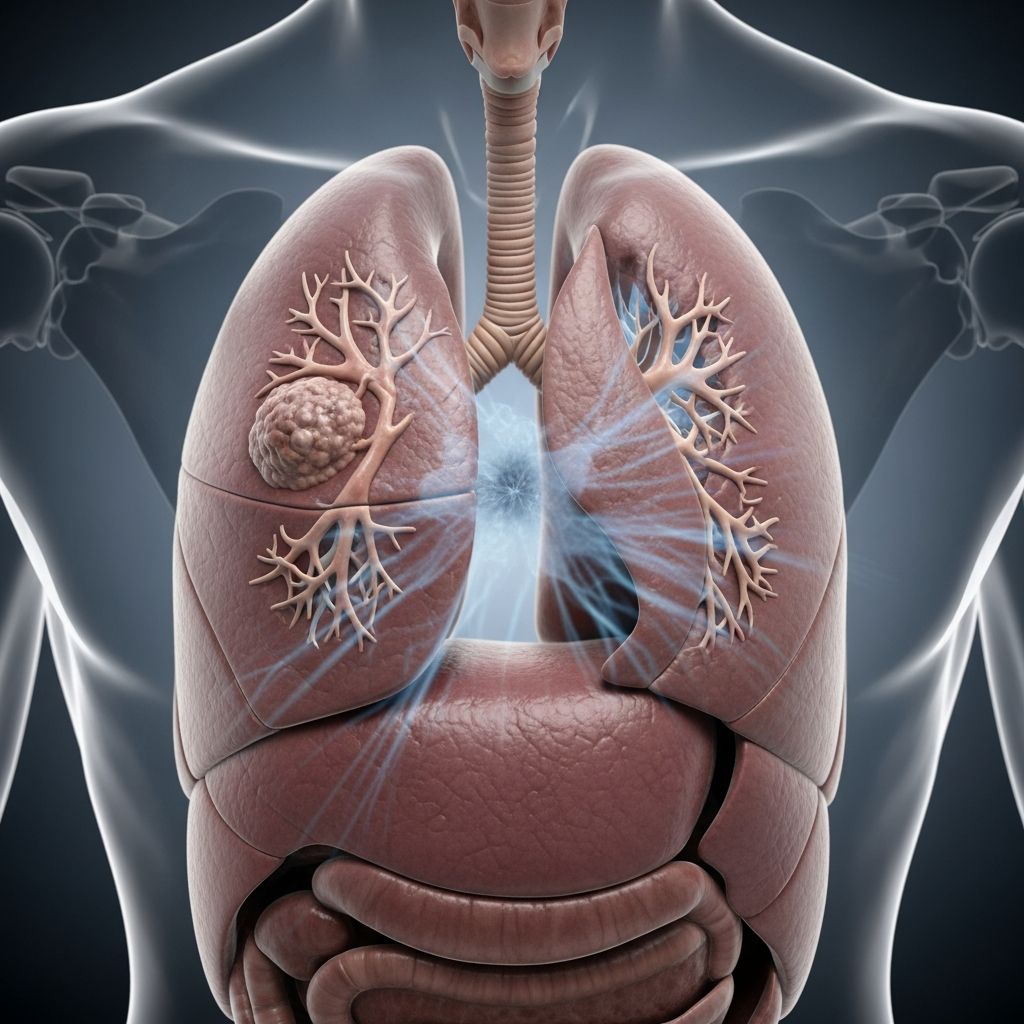
Shortness of breath, medically termed dyspnea, affects 20-40% of lung cancer patients and can significantly impact daily life. This symptom arises from various cancer-related factors, demanding prompt recognition and management to enhance comfort and quality of life.
What Causes Shortness of Breath in Lung Cancer?
Dyspnea in lung cancer stems from direct tumor effects, secondary complications, and treatment side effects. Understanding these causes helps patients and caregivers address symptoms effectively.
Tumor-Related Causes
The primary tumor often obstructs airways, reducing lung capacity and triggering breathlessness even at rest. For instance, tumors near main airways in small cell or squamous cell lung cancer cause early-onset dyspnea, sometimes with wheezing from partial blockages.
Lung tissue lacks pain receptors, but tumors irritating surrounding pleura or structures lead to chest pain alongside dyspnea in 20-40% of cases. Pancoast tumors in upper lungs exacerbate this by pressing nerves, causing shoulder or arm pain that worsens breathing discomfort.
Fluid Buildup and Pleural Effusion
Pleural effusion, fluid accumulation around the lungs, compresses lung tissue, making deep breaths painful and shallow. Common in advanced lung cancer, this restricts expansion and heightens dyspnea intensity.
Airway Obstruction and Wheezing
Tumors or lymph node enlargement narrow airways, mimicking asthma with wheezing and persistent shortness of breath. This partial obstruction demands urgent evaluation to prevent full blockage.
Metastasis and Secondary Effects
Cancer spreading to bones, spine, or adrenal glands causes back pain that limits mobility, indirectly worsening breathlessness. Fatigue and weight loss, early nonspecific symptoms, compound the issue by reducing overall stamina.
Treatment-Induced Dyspnea
Chemotherapy, radiation, and immunotherapy can inflame lungs or cause anemia, reducing oxygen-carrying capacity and intensifying dyspnea. These effects are often temporary but require monitoring.
How Does Shortness of Breath Feel in Lung Cancer?
Patients describe dyspnea as a moderate to severe sensation, with descriptors like “short of breath,” “suffocating,” “tight,” or “frightening”. Studies using the Thurstone Scale rank it as the top distressing symptom, interfering with daily activities and evoking panic or a sense of impending doom. Prevalence matches or exceeds pain, yet it’s underrecognized.
| Common Descriptors of Dyspnea | Associated Distress |
|---|---|
| Short of breath | High (ranked #1 in multiple studies) |
| Difficulty breathing | Moderate to high |
| Suffocating / Tight | Very high |
| Frightening / Awful | High emotional impact |
| Panic / Impending death | Severe psychological distress |
Prevalence and Impact of Dyspnea
Dyspnea occurs in 19-51% of advanced cancer patients, with higher rates near end-of-life, and 20-40% specifically in lung cancer. EORTC-QLQ scores average 46/100, indicating significant symptom burden and poorer quality of life. It disrupts sleep, exercise, and routine tasks, often ranking as equally or more distressing than pain.
- Early-stage: Tied to cough, hemoptysis, chest discomfort.
- Advanced: Worsens with metastasis, effusions.
- Smokers/ex-smokers: Vigilance needed for new-onset symptoms.
Managing Shortness of Breath in Lung Cancer Patients
Effective management combines medical interventions, lifestyle adjustments, and supportive care to alleviate dyspnea and restore function.
Medical Treatments
- Oxygen therapy: Supplemental oxygen via nasal cannula improves saturation and eases effort.
- Medications: Bronchodilators (e.g., albuterol) open airways; opioids like morphine reduce breathlessness perception; diuretics drain effusions.
- Procedures: Thoracentesis removes pleural fluid for rapid relief; stenting clears obstructions.
Related Stories



Lifestyle and Home Remedies
Positioning upright or leaning forward conserves energy. Pursed-lip breathing—inhale nose, exhale pursed lips—prolongs exhalation, reducing air trapping. Fans provide cooling airflow, tricking the brain into sensing easier breathing. Stay hydrated, avoid smoke/irritants, and practice energy conservation by pacing activities.
Psychological Support
Anxiety amplifies dyspnea; counseling, relaxation techniques like mindfulness, or support groups address emotional distress.
When to Seek Medical Help
Consult a doctor immediately for new or worsening dyspnea, especially with coughing blood (hemoptysis in 15-30%), chest pain, or persistent symptoms. Risk factors like smoking history, family lung cancer, or exposure warrant prompt evaluation—early detection improves outcomes.
- Smokers/ex-smokers with new cough/dyspnea.
- Non-smokers with prolonged symptoms.
- Family history plus symptoms.
- Sudden hemoptysis or severe pain—emergency care.
Frequently Asked Questions (FAQs)
Is shortness of breath common in lung cancer?
Yes, it affects 20-40% of patients, often as frequently as pain, with moderate intensity impacting daily life.
Does dyspnea always mean advanced lung cancer?
No, it can occur early from airway obstruction or in early stages with cough.
Can treatments cause shortness of breath?
Yes, chemotherapy, radiation, and anemia from therapy contribute, but symptoms are manageable.
How do you relieve dyspnea at home?
Use pursed-lip breathing, oxygen if prescribed, upright positioning, and avoid triggers like smoke.
Should I worry about wheezing with lung cancer?
Yes, it signals airway obstruction needing urgent medical assessment.
Prevention and Early Detection Tips
Quit smoking to lower risk; screen if high-risk (e.g., long-term smokers). Recognize vague symptoms like persistent cough or fatigue early—incidental diagnosis via cough checks yields better prognoses. Regular check-ups monitor at-risk individuals.
Dyspnea management evolves with personalized plans, emphasizing multidisciplinary care for optimal relief.
References
- Feeling Breathless? Don’t Ignore Signs of Lung Cancer Symptoms — Our Cancer Stories. 2023. https://www.ourcancerstories.com/lung-cancer/general/the-signs-of-lung-cancer
- Dyspnea in lung cancer patients: a systematic review — PMC – NIH (National Library of Medicine). 2017-02-09. https://pmc.ncbi.nlm.nih.gov/articles/PMC5312471/
- Lung Cancer: Managing Shortness of Breath — Harris Health System Health Library (.org health library). Accessed 2026. https://healthlibrary.harrishealth.org/RelatedItems/34,21274-1
Similar Articles








Read full bio of Sneha Tete