Shortness of Breath: Causes, Symptoms, and Treatment
Understanding dyspnea: A comprehensive guide to causes, symptoms, and effective treatments.
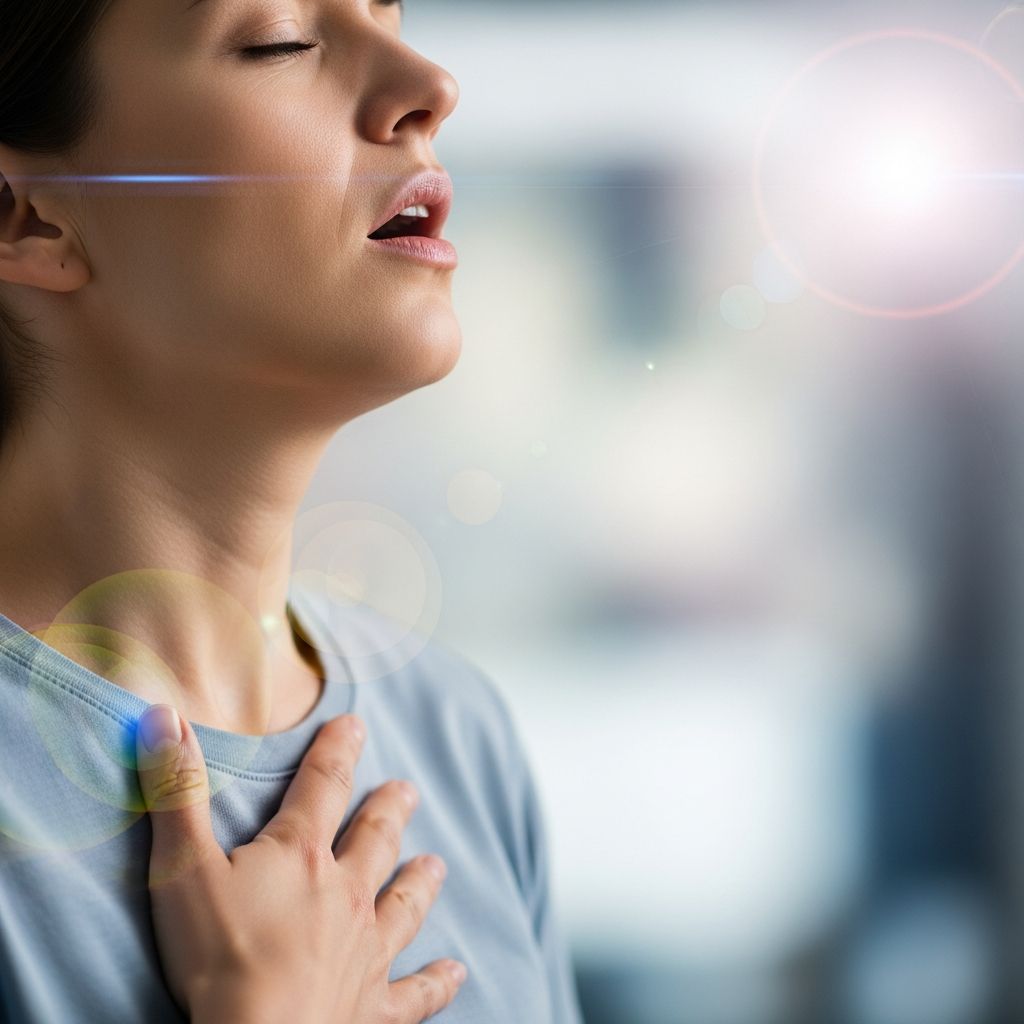
Understanding Shortness of Breath
Shortness of breath, medically known as dyspnea, is a common symptom that affects millions of people worldwide. It refers to an uncomfortable sensation of not being able to get enough air into your lungs, making breathing feel difficult or labored. This condition can range from mild and temporary to severe and chronic, and can significantly impact your quality of life and daily activities. Understanding what causes shortness of breath, recognizing its symptoms, and knowing when to seek medical help are essential steps toward managing this condition effectively.
Dyspnea is not a disease itself but rather a symptom of an underlying condition. The sensation of breathlessness occurs when your body is unable to deliver sufficient oxygen to your tissues or cannot remove carbon dioxide efficiently. Your heart and lungs work together as a coordinated system to bring oxygen into your bloodstream and remove waste carbon dioxide. When either of these vital organs isn’t functioning properly, you may experience shortness of breath.
Common Causes of Shortness of Breath
Shortness of breath can develop for many different reasons, and understanding these causes is crucial for proper diagnosis and treatment. The causes vary significantly depending on whether the condition develops suddenly or gradually over time.
Lifestyle and Environmental Factors
Some of the most common causes of occasional shortness of breath are related to lifestyle choices and environmental conditions. Obesity and being overweight place additional stress on your respiratory system, making it harder to breathe, especially during physical activity. Smoking damages your lungs and reduces their capacity to absorb oxygen, while secondhand smoke exposure can trigger similar respiratory problems. Exposure to allergens such as pollen, dust mites, or pet dander, as well as air pollutants including smog and industrial chemicals, can cause breathing difficulties. Extreme temperatures—both very hot and very cold air—can irritate your airways and trigger shortness of breath. Additionally, strenuous exercise naturally increases your body’s oxygen demands, which may cause temporary breathlessness in less physically fit individuals.
Heart-Related Conditions
Heart problems represent one of the most serious categories of causes for shortness of breath. Heart attack occurs when blood flow to the heart muscle is blocked, leading to inadequate oxygen supply and severe breathing difficulty. Heart failure, a condition where the heart cannot pump blood effectively to meet your body’s oxygen needs, frequently causes dyspnea, particularly during exertion or when lying down. Heart arrhythmias, which are irregular heartbeats, can reduce the heart’s pumping efficiency and lead to breathlessness. Fluid buildup around the heart, called cardiac tamponade, restricts the heart’s ability to function properly. Additionally, abnormal heart function, valvular heart disease, and high blood pressure in the lungs (pulmonary hypertension) are significant cardiac causes of dyspnea.
Lung and Respiratory Conditions
Lung conditions are among the most common causes of shortness of breath. Asthma, a chronic inflammatory disorder of the airways, causes intermittent breathing difficulty, wheezing, and chest tightness. Chronic obstructive pulmonary disease (COPD), including emphysema and chronic bronchitis, progressively damages lung tissue and reduces breathing capacity. Pneumonia and other respiratory infections inflame the lungs and impair gas exchange, causing acute dyspnea. COVID-19 and influenza can cause severe respiratory symptoms. Pulmonary embolism, a life-threatening condition caused by a blood clot in the lungs, can develop suddenly and requires emergency medical attention. Pneumothorax, or collapsed lung, occurs when air leaks into the space between the lung and chest wall. Pleural effusion involves fluid accumulation around the lungs, restricting their expansion. Tuberculosis, pleurisy, interstitial lung disease, and lung cancer are additional serious conditions that commonly cause shortness of breath.
Related Stories



Other Medical Causes
Several other conditions can trigger breathing difficulty. Anemia, characterized by low red blood cell counts, reduces the blood’s oxygen-carrying capacity. Severe allergic reactions (anaphylaxis) cause airway swelling and narrowing. Panic attacks and anxiety disorders can provoke acute shortness of breath sensation. Pregnancy places increased demands on the respiratory system as the growing uterus pushes against the diaphragm. Sudden blood loss or broken ribs can also cause acute dyspnea. Additionally, inflammation of the tissue surrounding the heart, sarcoidosis, and weak muscles from physical inactivity contribute to breathing difficulties.
Acute Versus Chronic Shortness of Breath
The timeline and pattern of shortness of breath help medical professionals identify potential causes and determine treatment urgency. Acute dyspnea develops rapidly and typically lasts only hours to days. Common triggers include seasonal allergies, exercise, acute illness such as a cold or flu, and anxiety. However, sudden severe dyspnea may indicate serious conditions requiring emergency care, such as heart attack, anaphylaxis, or pulmonary embolism.
Chronic shortness of breath persists for weeks or longer and suggests underlying conditions requiring ongoing management. Regular or worsening dyspnea often indicates diseases like COPD, asthma, chronic heart disease, pleural effusion, interstitial lung disease, or obesity. Chronic dyspnea that worsens with specific triggers such as tobacco smoke or activities like climbing stairs warrants medical evaluation to identify the underlying cause.
Recognizing Symptoms and Warning Signs
While shortness of breath itself is a primary symptom, several accompanying signs should prompt immediate medical attention. You should seek emergency care if you experience sudden severe shortness of breath, chest pain or pressure, dizziness or fainting, confusion, lips or fingertips turning blue, difficulty breathing while lying down, or rapid, severe wheezing. Additionally, shortness of breath accompanied by swelling in your feet and ankles, persistent cough, or symptoms that worsen despite treatment warrant urgent evaluation.
Pay attention to patterns in your symptoms. Shortness of breath that develops predictably with certain activities, worsens with exposure to specific triggers, occurs primarily at night, or happens repeatedly may indicate a chronic condition requiring specialist care. Keeping track of when symptoms occur and what activities or conditions trigger them provides valuable information for your healthcare provider.
Diagnostic Evaluation
Your healthcare provider will conduct a thorough evaluation to determine the cause of your shortness of breath. The diagnostic process typically begins with a detailed medical history, asking about the onset of symptoms, associated conditions, medication use, and lifestyle factors. A comprehensive physical examination follows, including listening to your heart and lungs with a stethoscope and checking vital signs.
Diagnostic tests may include chest X-rays to visualize lung structure and identify abnormalities, electrocardiograms (EKG) to assess heart function and rhythm, blood tests to check for anemia and infection, and pulmonary function tests to measure breathing capacity and airflow. In some cases, more advanced imaging such as CT scans or echocardiograms may be necessary. If a lung condition is suspected, your healthcare provider may recommend consulting a pulmonologist, a specialist in lung diseases, in addition to your primary care physician.
Treatment and Management Strategies
Treatment for shortness of breath depends entirely on the underlying cause and the severity of your symptoms. Once your healthcare provider determines what’s causing your dyspnea, a personalized treatment plan can be developed. The approach may include one or more of the following strategies.
Medical Treatments
Medication forms a cornerstone of dyspnea management for many conditions. Inhalers (puffers) deliver medications directly to your airways and are particularly effective for asthma and COPD. Supplemental oxygen therapy helps when your blood oxygen levels are low, improving oxygen delivery to tissues. For some conditions, antibiotics may be necessary to treat infections. If fluid accumulation is causing breathing difficulty, your doctor may prescribe diuretics or recommend procedures to drain excess fluid from around your heart or lungs. Heart medications may be prescribed to improve cardiac function, while medications for anxiety can help manage stress-related dyspnea.
Breathing Techniques and Exercise
Learning proper breathing techniques can provide significant relief from dyspnea symptoms. Slow, deep breathing exercises help calm your nervous system and reduce the sensation of breathlessness. Pursed-lip breathing, where you breathe in through your nose and out slowly through pursed lips, helps keep airways open longer. Respiratory physiotherapy guided by professionals teaches specialized techniques tailored to your specific condition. Regular, appropriate exercise improves cardiovascular fitness and lung capacity, making breathing easier during daily activities. However, exercise should be gradually increased and supervised by your healthcare provider, especially if you have underlying heart or lung disease.
Lifestyle Modifications
Significant lifestyle changes can substantially reduce shortness of breath. If obesity contributes to your symptoms, gradual weight loss through balanced nutrition and regular physical activity can dramatically improve breathing. Quitting smoking is perhaps the single most impactful change for anyone with respiratory disease, as smoking further damages lungs and worsens dyspnea. Avoiding secondhand smoke, indoor and outdoor air pollutants, and known personal triggers helps prevent symptom flare-ups. Maintaining good overall health through proper nutrition, stress management, and adequate sleep supports respiratory function.
Specialized Programs
Pulmonary rehabilitation programs offer comprehensive disease-specific education, supervised exercise training, and social support for people with chronic lung disease. These programs teach self-management strategies and help you understand your condition better. Mental health support through counseling or meditation can address anxiety-related components of dyspnea, as breathing difficulty and anxiety often reinforce each other in a problematic cycle.
Surgical Interventions
In certain cases, surgery may provide effective treatment for shortness of breath. For example, structural heart disease, chronic blood clots in the lungs, and severe emphysema can sometimes be corrected through surgical procedures. Not only can surgery provide symptom relief, but it may also improve long-term survival in select patients with specific conditions. Your healthcare team will determine whether surgical intervention is appropriate for your particular situation.
Immediate Management Techniques
If you suddenly feel short of breath, several immediate steps can help manage acute symptoms. First, try to stay calm, as anxiety can worsen breathing difficulty. Lean forward slightly, as this position can help open your airways. Take slow, deep breaths rather than rapid shallow breathing. If you have been prescribed an inhaler for asthma or COPD, use it as directed. Sit in a comfortable position rather than lying flat, which can increase breathing difficulty. Remove yourself from any potential triggers such as allergens or pollutants. Contact your healthcare provider or seek emergency care if symptoms don’t improve or if you experience associated symptoms like chest pain or dizziness.
Prevention Strategies
While not all causes of shortness of breath can be prevented, several strategies can reduce your risk. Maintaining a healthy weight through balanced eating and regular exercise supports respiratory and cardiovascular health. Avoiding smoking and secondhand smoke protects your lungs from progressive damage. Regular physical activity strengthens your heart and lungs, improving their efficiency. Managing chronic conditions like asthma, diabetes, and hypertension through medication adherence and lifestyle changes prevents complications that cause dyspnea. Avoiding air pollutants and known personal allergens reduces exposure to common triggers. Staying current with vaccinations, including flu and pneumonia vaccines, protects against respiratory infections.
When to Seek Medical Attention
Knowing when professional medical evaluation is necessary is crucial. You should schedule an appointment with your healthcare provider if you experience new shortness of breath without an obvious cause, dyspnea that persists or worsens over time, breathing difficulty that interferes with daily activities or sleep, or shortness of breath accompanied by other symptoms like chest pain, cough, or swelling. Seek immediate emergency care for severe sudden shortness of breath, breathing difficulty at rest, chest pain, fainting, confusion, or bluish discoloration of lips and fingertips.
Frequently Asked Questions
Q: What is the difference between shortness of breath and chest pain?
A: Shortness of breath is difficulty drawing air into your lungs and feeling like you cannot get enough oxygen. Chest pain or discomfort is a sensation in your chest area. However, these symptoms often occur together in heart conditions and both warrant medical evaluation.
Q: Can anxiety cause shortness of breath?
A: Yes, anxiety and panic attacks commonly cause acute shortness of breath. The stress response triggers rapid, shallow breathing, which can create a feeling of breathlessness. Additionally, shortness of breath from physical causes can trigger anxiety, creating a reinforcing cycle.
Q: How is chronic shortness of breath different from acute dyspnea?
A: Acute shortness of breath develops suddenly and typically lasts hours to days, often triggered by exercise, illness, or anxiety. Chronic dyspnea persists for weeks or longer and usually indicates an underlying medical condition requiring ongoing management and treatment.
Q: Can I prevent shortness of breath?
A: While you cannot prevent all causes of shortness of breath, maintaining a healthy weight, avoiding smoking, exercising regularly, managing chronic conditions, avoiding air pollutants and triggers, and staying vaccinated can significantly reduce your risk.
Q: What tests might my doctor order to diagnose shortness of breath?
A: Common diagnostic tests include chest X-rays, electrocardiograms, blood tests, pulmonary function tests, and sometimes advanced imaging like CT scans or echocardiograms, depending on the suspected cause.
Q: Is shortness of breath always serious?
A: Not always. Occasional mild shortness of breath with exertion or during illness is common and usually resolves on its own. However, sudden severe dyspnea, persistent breathing difficulty, or shortness of breath with other warning symptoms requires prompt medical evaluation.
References
- Shortness of Breath: Causes, Symptoms, and Treatment — Mayo Clinic. 2024. https://www.mayoclinic.org/symptoms/shortness-of-breath/basics/causes/sym-20050890
- Dyspnea: Causes, Symptoms, and Treatment Options — WebMD. 2024. https://www.webmd.com/lung/shortness-breath-dyspnea
- Shortness of Breath – Causes, Symptoms and Treatments — Healthdirect. 2024. https://www.healthdirect.gov.au/shortness-of-breath
- Diagnosing and Treating Shortness of Breath — American Lung Association. 2024. https://www.lung.org/lung-health-diseases/warning-signs-of-lung-disease/shortness-of-breath/diagnosing-treating
- Dyspnea Symptoms and Treatment — Brigham and Women’s Hospital. 2024. https://www.brighamandwomens.org/lung-center/diseases-and-conditions/dyspnea-shortness-of-breath
- Shortness of Breath: Home Remedies, Causes, Symptoms, and More — Medical News Today. 2024. https://www.medicalnewstoday.com/articles/319175
- Dyspnea (Shortness of Breath): Causes, Symptoms & Treatment — Cleveland Clinic. 2024. https://my.clevelandclinic.org/health/symptoms/16942-dyspnea
Similar Articles








Read full bio of Sneha Tete