Cocoa Powder Benefits: Evidence-Based Guide To Heart Health
Discover the science-backed health benefits of cocoa powder and how it may improve your cardiovascular health and cognitive function.
Should I Add Cocoa Powder to My Diet?
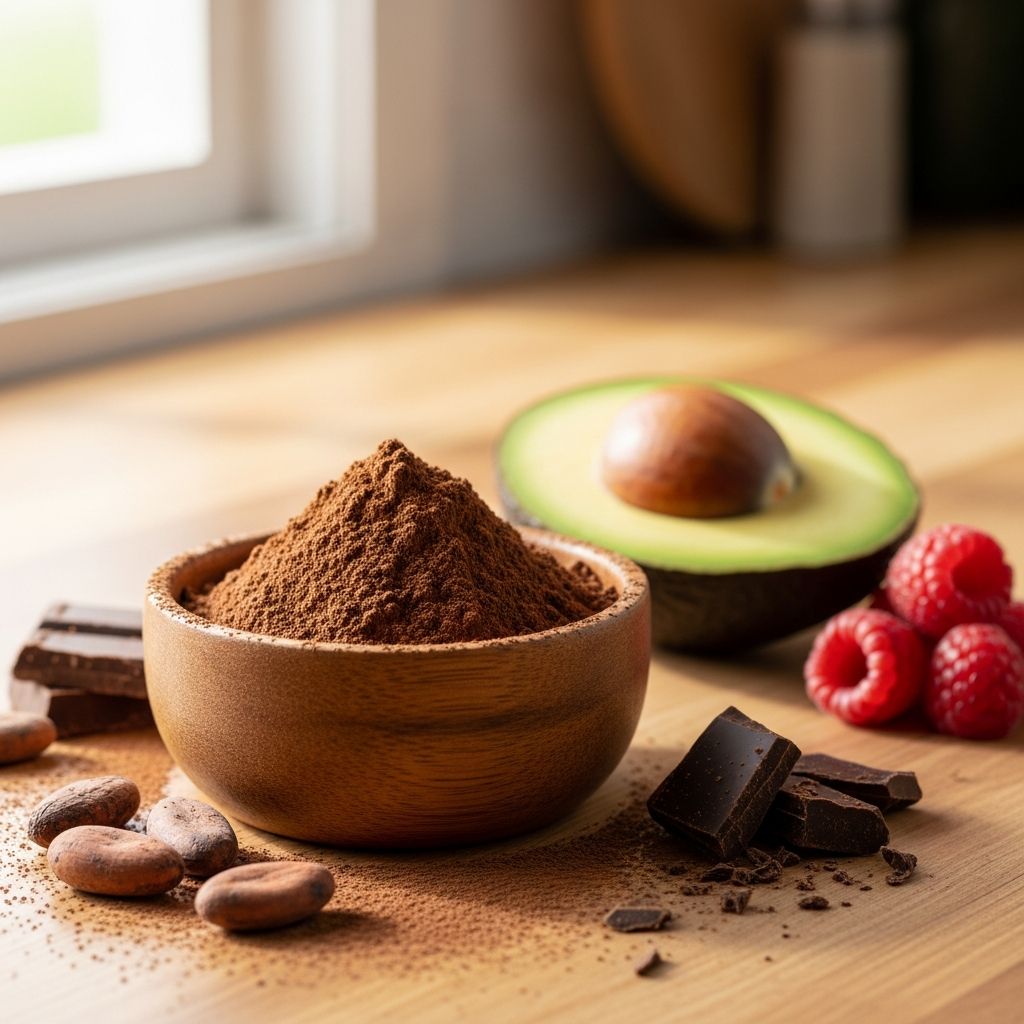
Cocoa powder has long been celebrated as a delicious addition to beverages and desserts, but emerging scientific evidence suggests it may offer more than just culinary pleasure. Recent research indicates that cocoa powder, particularly varieties rich in flavanols, could provide substantial health benefits, especially for cardiovascular health and cognitive function. If you’re considering whether to add cocoa powder to your daily routine, understanding the science behind its potential benefits can help you make an informed decision.
Understanding Cocoa Flavanols: The Active Components
The key to cocoa powder’s potential health benefits lies in its flavanol content. Flavanols are naturally occurring nutrients found in plants that belong to a class of compounds called polyphenols. These substances are packed with antioxidants and have been the focus of numerous scientific studies examining their effects on human health. Unlike processed cocoa products that lose much of their flavanol content during manufacturing, high-flavanol cocoa powder retains these beneficial compounds, making it a more nutrient-dense choice.
Cocoa flavanols work through several mechanisms in the body. They are believed to promote the production of nitric oxide in blood vessels, which helps dilate and relax arteries, thereby lowering blood pressure and maintaining healthy blood flow throughout the body. Additionally, these compounds possess anti-inflammatory properties that may improve glucose metabolism and lower insulin resistance, contributing to better metabolic health overall.
Cardiovascular Health Benefits
One of the most significant findings regarding cocoa powder comes from the COSMOS trial (COcoa Supplement and Multivitamin Outcomes Study), a landmark investigation conducted by researchers at Harvard Medical School’s Brigham and Women’s Hospital. This was the largest and longest randomized, double-blind, placebo-controlled trial examining cocoa flavanols and their effects on cardiovascular disease and cancer prevention.
Key Findings from the COSMOS Trial
The COSMOS trial involved 21,442 participants, including 12,666 women aged 65 and older and 8,776 men aged 60 and older, tracked over an average of 3.6 years. The results revealed several important findings about cocoa’s cardiovascular effects:
- A 16% reduction in major cardiovascular events including strokes, heart attacks, and deaths (statistically significant)
- A 27% reduction in cardiovascular deaths (statistically significant)
- When analyzing data from participants who adhered strictly to the protocol, researchers found a 39% reduction in cardiovascular death
- A 15% reduction in total cardiovascular events among protocol-adherent participants
- A 10% reduction in total cardiovascular events overall (not statistically significant)
These findings represent a breakthrough in nutritional science. As researchers noted, a 27% reduction in cardiovascular death is not only statistically significant but also clinically meaningful, with potential implications for public health in older adults.
How Cocoa Supports Heart Health
Cocoa powder supports cardiovascular health through multiple pathways. It has been shown to lower blood pressure, decrease harmful LDL cholesterol levels, raise beneficial HDL cholesterol, and improve overall blood flow throughout the body. These effects work synergistically to reduce the risk of heart disease and related conditions. The nitric oxide produced in response to cocoa flavanol consumption helps keep arteries flexible and responsive, essential for maintaining healthy blood pressure and cardiovascular function.
Additional Health Benefits Beyond Cardiovascular Health
While cardiovascular health represents the most extensively studied benefit of cocoa powder, research suggests potential benefits in other areas of health and wellness.
Related Stories



Cognitive Function and Memory
Cocoa flavanols appear very promising for reducing the risk of memory loss and cognitive decline. This potential benefit particularly interests researchers studying age-related cognitive changes. The anti-inflammatory and antioxidant properties of cocoa flavanols may help protect brain cells from damage and support healthy cognitive aging. The COSMOS trial included investigation of these potential anti-cognitive decline benefits, recognizing that preserving mental function is crucial for quality of life in older adults.
Metabolic Health and Diabetes Prevention
Cocoa powder may help prevent or improve diabetes by improving insulin sensitivity and the ability to metabolize glucose. The flavanols work to reduce insulin resistance, which is a key factor in the development of type 2 diabetes. By improving how your body processes sugar, cocoa may contribute to better blood glucose control and reduced diabetes risk.
Mood and Mental Well-being
Beyond its physiological benefits, cocoa powder contains compounds that may improve mood and support mental well-being. This makes adding cocoa to your diet not only a health investment but also a pleasurable experience that contributes to overall quality of life.
FDA Recognition and Health Claims
The scientific evidence supporting cocoa’s health benefits has gained official recognition. Earlier in 2024, the FDA announced that it does not intend to object to qualified health claims regarding cocoa flavanols and cardiovascular disease risk reduction. The authorized qualified health claim states: “Consuming 200 mg or more of cocoa flavanols per day as part of a diet low in saturated fat and cholesterol may reduce the risk of cardiovascular disease.”
It’s important to understand that this qualified health claim is based on scientific evidence but is not a guarantee of individual health benefits. Results may vary depending on factors such as overall diet, lifestyle, genetics, and existing health conditions. However, it does provide evidence-based information about cocoa’s potential cardiovascular benefits backed by rigorous scientific research.
Cocoa Powder vs. Other Cocoa Products
Not all cocoa products are created equal when it comes to health benefits. Dark chocolate is generally recognized as the best choice for health among cocoa-containing products, but this doesn’t mean you should treat it as medicine. The key difference lies in flavanol content, which varies significantly depending on processing methods and product type.
| Cocoa Product | Flavanol Content | Best Use | Considerations |
|---|---|---|---|
| High-Flavanol Cocoa Powder | High (minimal processing) | Beverages, smoothies, recipes | Best for health benefits; versatile |
| Processed Cocoa Powder | Low to moderate (alkalized) | Baking, desserts | Loses flavanols during processing |
| Dark Chocolate (70%+ cocoa) | Moderate to high | Occasional treat | Contains added sugar and fat |
| Cocoa Flavanol Supplements | High (concentrated extract) | Supplementation protocol | Standardized dosage; studied in trials |
How to Incorporate Cocoa Powder Into Your Diet
Daily Intake Recommendations
Based on FDA-qualified health claims and scientific research, consuming 200 mg or more of cocoa flavanols per day as part of a diet low in saturated fat and cholesterol may provide cardiovascular benefits. This amount can be achieved through various dietary sources, making it accessible without requiring supplement use, though supplements offer a standardized approach.
Practical Ways to Add Cocoa to Your Diet
- Mix high-flavanol cocoa powder into your morning smoothie with berries and Greek yogurt
- Stir cocoa powder into oatmeal or breakfast cereals for added nutrition
- Prepare hot chocolate using unsweetened cocoa powder with low-fat milk
- Add cocoa powder to coffee for a mocha-style beverage
- Incorporate cocoa into healthy baking recipes, reducing added sugars
- Use cocoa powder in savory dishes like chili or mole sauce
- Create cocoa-based energy balls or healthy desserts with nuts and dates
Important Considerations and Cautions
Processing Matters
When selecting cocoa powder, choose minimally processed varieties that retain their flavanol content. Many commercial cocoa products undergo alkalization, a process that reduces flavanol levels significantly. Look for labels indicating “natural cocoa powder” or “raw cocoa powder” rather than alkalized or Dutch-processed cocoa.
Quality and Sourcing
Purchase cocoa powder from reputable sources that test for contaminants such as heavy metals. The quality of cocoa powder varies considerably depending on sourcing and processing methods. Organic, fair-trade certified cocoa powder often indicates higher quality and better farming practices.
Added Ingredients
When using cocoa powder in beverages, be mindful of added sugars and fats. To maximize health benefits, prepare cocoa with low-fat or non-fat milk and minimize added sweeteners. This approach maintains the cardiovascular benefits without introducing excess calories or added sugars that could counteract the positive effects.
Individual Variations
While the scientific evidence supporting cocoa’s benefits is strong, individual responses to cocoa consumption may vary. Factors including genetics, overall diet quality, lifestyle habits, existing health conditions, and medications can influence how your body responds to cocoa flavanols. Those with caffeine sensitivity should note that cocoa contains small amounts of caffeine.
What the Research Tells Us
The evidence from the COSMOS trial and other scientific investigations demonstrates that cocoa powder, when consumed as part of a healthy diet, offers measurable health benefits. The trial’s findings were particularly noteworthy because they represent the most robust evidence to date for cocoa’s cardiovascular benefits. The reduction in cardiovascular death was described as “breath-taking” by nutrition researchers, given its potential public health impact for older adults.
However, researchers emphasize that while the evidence is promising, cocoa should not be viewed as a replacement for established cardiovascular health practices such as regular exercise, healthy diet, stress management, and prescribed medications. Instead, adding cocoa powder to an already-healthy lifestyle may provide additional protective benefits.
Frequently Asked Questions
Q: How much cocoa powder should I consume daily?
A: Based on FDA-qualified health claims, consuming 200 mg or more of cocoa flavanols per day as part of a diet low in saturated fat and cholesterol may help reduce cardiovascular disease risk. This typically equates to about one to two tablespoons of high-flavanol cocoa powder daily, though amounts vary by product.
Q: Is cocoa powder safe for everyone?
A: Cocoa powder is generally safe for most people when consumed in moderate amounts. However, individuals who are sensitive to caffeine, have certain medical conditions, or take specific medications should consult their healthcare provider before significantly increasing cocoa intake.
Q: Can cocoa powder replace my heart medication?
A: No. Cocoa powder should not replace prescribed cardiovascular medications. Rather, it may serve as a complementary addition to a comprehensive heart health strategy that includes medication, exercise, healthy eating, and other lifestyle modifications as recommended by your healthcare provider.
Q: What’s the difference between cocoa powder and cocoa supplements?
A: Cocoa powder is the whole food product, while cocoa supplements typically contain concentrated cocoa flavanol extracts with standardized amounts of active compounds. Both can provide health benefits, but supplements offer more precise dosing, while cocoa powder offers the whole food approach with additional nutrients and fiber.
Q: Does dark chocolate provide the same benefits as cocoa powder?
A: Dark chocolate can provide health benefits due to its cocoa content, but it also contains added sugars and fats. Pure cocoa powder allows you to obtain flavanols without the extra calories and sugar, making it a more efficient choice for health-conscious individuals.
Q: How long does it take to see health benefits from cocoa consumption?
A: The COSMOS trial tracked participants over an average of 3.6 years. Benefits to cardiovascular health likely develop gradually with consistent consumption. Consult your healthcare provider about realistic timelines based on your individual health status.
References
- Cocoa for pleasure — and health? — Harvard Gazette. 2017-02-20. https://news.harvard.edu/gazette/story/2017/02/cocoa-for-pleasure-and-health/
- Effect of Cocoa Extract Supplementation on Cardiovascular Disease — American Journal of Clinical Nutrition, published by Oxford Academic. 2022-09-15. https://pmc.ncbi.nlm.nih.gov/articles/PMC9170467/
- New Study Shows Cocoa Flavanols could Significantly Reduce Heart Disease — CA Cultured. 2022-12-10. https://www.cacultured.com/blog/cosmos-trial-6b26s
- Dark chocolate is best choice for health—but don’t turn it into medicine — Harvard School of Public Health. 2024-03-12. https://hsph.harvard.edu/news/dark-chocolate-health-flavonoids/
- The Health Benefits of Cocoa Powder — Experience Life Magazine. 2023-08-15. https://experiencelife.lifetime.life/article/hot-chocolate/
Similar Articles








Read full bio of medha deb