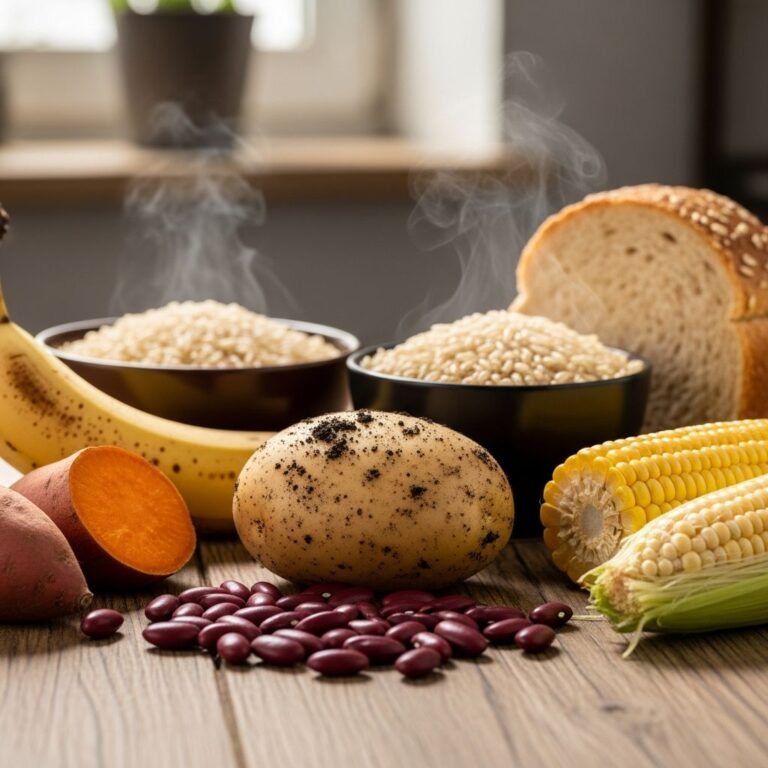
Should I Be Eating More Fiber? Benefits and Recommendations
Discover the science-backed benefits of dietary fiber and whether you need more in your diet.
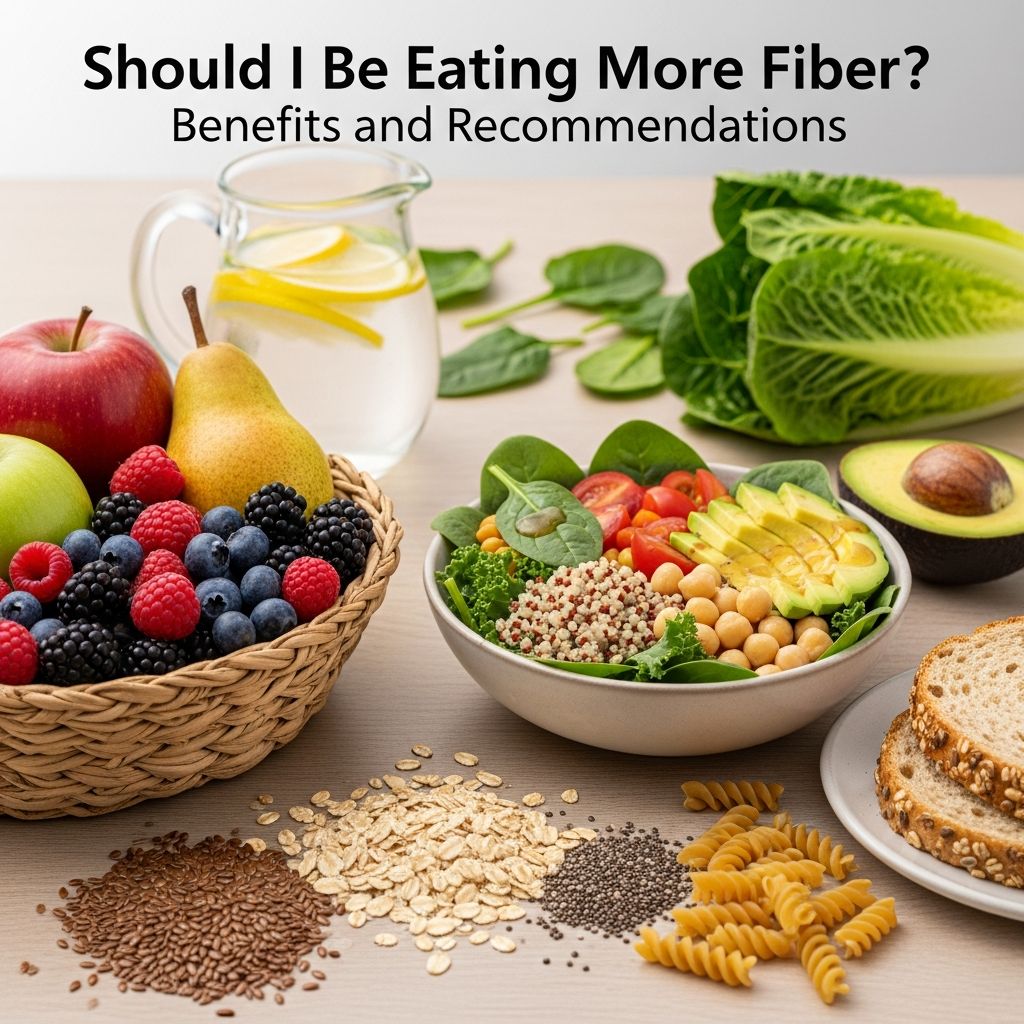
Should I Be Eating More Fiber?
Dietary fiber has long been promoted as an essential component of a healthy diet, but many people wonder whether they truly need more of it. The answer, supported by decades of research, is that most people would benefit from increasing their fiber intake. Despite the common knowledge about fiber’s importance, the majority of Americans fall short of recommended daily amounts. Understanding the specific health benefits of fiber and how to incorporate it into your diet can help you make informed nutritional choices.
What Is Dietary Fiber?
Dietary fiber consists of indigestible carbohydrates found primarily in plant-based foods. Unlike other carbohydrates, fiber passes through your digestive system largely intact, offering unique health benefits along the way. Fiber comes in two main types: soluble and insoluble, each with distinct properties and benefits.
Soluble fiber dissolves in water to form a gel-like substance, which slows digestion and helps regulate blood sugar levels. This type is found in oats, beans, apples, and citrus fruits. Insoluble fiber does not dissolve in water and adds bulk to stool, promoting regular bowel movements. It is abundant in whole grains, vegetables, and the skins of fruits.
Current Recommendations for Fiber Intake
Health organizations recommend that adults consume 20 to 35 grams of dietary fiber per day. For children over age 2, the recommended intake is their age plus 5 grams. Despite these clear guidelines, studies show that the average American consumes only about 15 grams of fiber daily—significantly below the recommended amount.
Increasing fiber intake should be done gradually. Adding too much fiber too quickly can cause bloating, gas, and digestive discomfort. It is also important to increase water consumption alongside fiber intake, as fiber works best when paired with adequate hydration.
Health Benefits of Eating More Fiber
Heart Disease Prevention
One of the most compelling reasons to eat more fiber is its protective effect against heart disease. Soluble fiber attracts water in the gut, forming a gel that slows digestion and helps prevent blood glucose surges after eating. This process also reduces hunger and helps with weight management—both important risk factors for heart disease.
Soluble fiber may also lower blood cholesterol by interfering with bile acid production. Cholesterol is used to make bile acids in the liver. When soluble fiber binds to bile acids in the gut and excretes them from the body, the liver must pull cholesterol from the blood to make new bile acids, thereby lowering blood cholesterol levels.
Research demonstrates the significant impact of fiber on cardiovascular health. A meta-analysis of 67 controlled trials found a modest benefit of dietary soluble fiber in lowering total and LDL cholesterol. Large cohort studies of male and female health professionals showed that higher intakes of cereal fibers were associated with a substantially lower risk of heart disease and heart attacks. In a Harvard study of over 40,000 male health professionals, researchers found that a high total dietary fiber intake was linked to a 40 percent lower risk of coronary heart disease compared to low fiber intake.
Higher fiber intake has also been linked to a lower risk of metabolic syndrome, a combination of factors that increases the risk of developing heart disease and diabetes. These factors include high blood pressure, high insulin levels, excess weight (especially around the belly), high triglyceride levels, and low HDL (good) cholesterol.
Related Stories



Type 2 Diabetes Management
For individuals concerned about diabetes risk, dietary fiber plays a crucial protective role. By slowing digestion and preventing rapid blood sugar spikes after meals, fiber helps maintain stable glucose levels. This is particularly important because better blood glucose control is a key factor in preventing type 2 diabetes.
Studies have shown that a diet low in cereal fiber and high in refined carbohydrates significantly increases diabetes risk. Conversely, the studies of male health professionals and female nurses both found that a diet high in cereal fiber was linked to a lower risk of type 2 diabetes. Adding more fiber-rich whole grains to your diet can substantially improve your metabolic health and reduce diabetes risk.
Breast Cancer Risk Reduction
Emerging research suggests that dietary fiber may play a protective role against breast cancer, particularly in younger women. A prospective cohort study of more than 90,000 premenopausal women found that higher fiber intake, as well as eating fiber during adolescence, reduced breast cancer risk by 25 percent when comparing the highest to lowest intakes of fiber.
This protection extended beyond premenopausal women. A later meta-analysis of 17 prospective cohort studies confirmed that high dietary fiber was protective from both premenopausal and postmenopausal breast cancers. Additionally, a high-fiber diet was associated with a lower risk of benign breast disease, a known risk factor in adolescents for later development of breast cancer.
Colorectal Cancer Prevention
The relationship between fiber and colorectal cancer has been the subject of considerable research. Earlier epidemiological studies showed mixed results, but more recent research accounting for different fiber types and cancer subtypes has provided clearer insights.
A meta-analysis of prospective cohort studies found that fibers from fruits, vegetables, and legumes offer some protection from colorectal cancer, but cereal fibers showed a stronger association with cancer prevention. Other meta-analyses have found significant associations between a high-fiber diet and lower risk of colorectal cancer. The protective mechanisms likely involve fiber’s role in promoting healthy gut bacteria and reducing chronic inflammation.
Diverticular Disease Prevention
Diverticular disease, which involves small pouches forming in the colon, can cause significant discomfort and complications. Large cohort studies show a protective effect of fiber on diverticular disease, particularly fibers from fruits, cereal grains, and vegetables.
A cohort of more than 43,000 men from the Health Professionals Follow-up Study found a protective effect of dietary fiber from diverticulitis, especially cellulose, a type of insoluble fiber. Cellulose is found in the skins of fruits, leafy vegetables, root vegetables, legumes, and wheat bran.
A Nurses’ Health Study following more than 50,000 women found that those with the highest fiber intakes (25 or more grams daily) had a 13 percent lower risk of diverticulitis than those who ate the least (less than 18 grams daily). The protective effect came especially from fibers from cereal grains and whole fruits, but not from fruit juices.
Digestive Health and Constipation Relief
Constipation is the most common gastrointestinal complaint in the United States and is of particular concern to older adults. The gastrointestinal tract is highly sensitive to dietary fiber, and consumption of fiber seems to relieve and prevent constipation.
The fiber in wheat bran and oat bran appears to be more effective than similar amounts of fiber from fruits and vegetables at relieving constipation. Experts recommend increasing fiber intake gradually rather than suddenly, and simultaneously increasing the intake of beverages, as fiber absorbs water and works best with adequate hydration.
Gut Microbiome and Anti-inflammatory Effects
Beyond the direct mechanical effects of fiber, emerging research highlights its role in supporting healthy gut bacteria. Fiber’s beneficial role in the gut microbiome may produce anti-inflammatory effects that alleviate the chronic inflammation associated with various diseases. By feeding beneficial bacteria, fiber helps maintain a balanced microbial ecosystem that supports overall health and immunity.
Best Sources of Dietary Fiber
Rather than focusing on a single type of fiber, it is important to consume a variety of plant foods to ensure you get the full spectrum of fiber’s health benefits. The best sources include:
- Whole grains: Oats, brown rice, whole wheat bread and pasta, and whole-grain cereals provide substantial amounts of cereal fiber
- Fruits: Apples, pears, raspberries, and avocados are excellent fiber sources
- Vegetables: Leafy greens, root vegetables, and cruciferous vegetables like broccoli contain significant fiber
- Legumes: Beans, lentils, and chickpeas are among the highest fiber foods available
- Nuts and seeds: Almonds, chia seeds, and flaxseeds provide both fiber and healthy fats
Practical Tips for Increasing Your Fiber Intake
If you currently consume less than the recommended amount of fiber, here are practical strategies for increasing your intake:
- Eat whole fruits instead of drinking fruit juices, as the fiber is removed during juicing
- Replace white rice, bread, and pasta with brown rice and whole-grain products
- Choose whole-grain cereals for breakfast instead of refined cereals
- Add beans and legumes to soups, salads, and bowls
- Include vegetables and fruits with each meal and snack
- Snack on nuts and seeds rather than processed snack foods
- Gradually increase fiber intake over several weeks to allow your digestive system to adjust
- Drink plenty of water throughout the day to help fiber move through your digestive system
Addressing Common Misconceptions
Does fiber prevent colon cancer? While fiber has been widely promoted as a colon cancer preventive, the evidence is more nuanced than previously believed. For many years, Americans were told to consume a high-fiber diet to lower colon cancer risk, mainly based on results from relatively small studies. However, larger and better-designed studies have failed to show a strong link between fiber and colon cancer. A Harvard study that followed over 80,000 female nurses for 16 years found that dietary fiber was not strongly associated with a reduced risk for either colon cancer or polyps (a precursor to colon cancer).
However, this does not diminish fiber’s importance. Despite playing little role in preventing colon cancer, fiber provides numerous other significant health benefits, making it essential for overall health maintenance.
Bottom Line
There are many types of dietary fibers that come from a range of plant foods. It is important not to hyperfocus on a particular fiber because of its specific proposed action, as each type offers some level of health benefit. Therefore, eating a wide variety of plant foods including fruits, vegetables, whole grains, legumes, nuts, and seeds to reach the fiber recommendation of 25-35 grams daily best ensures reaping those benefits.
The evidence is clear: most people should indeed be eating more fiber. The health benefits extend across multiple systems in your body, from cardiovascular health to digestive function to disease prevention. By gradually incorporating more fiber-rich plant foods into your diet and maintaining adequate water intake, you can significantly improve your long-term health outcomes.
Frequently Asked Questions
Q: How much fiber should I eat daily?
A: Adults should aim for 20-35 grams of dietary fiber per day. Children over age 2 should consume an amount equal to their age plus 5 grams. Most Americans currently consume only about 15 grams daily, falling short of recommendations.
Q: Can I get too much fiber?
A: While rare, consuming excessive fiber too quickly can cause bloating, gas, and digestive discomfort. It is recommended to increase fiber intake gradually over several weeks and to drink plenty of water. Most people benefit from gradually working up to the recommended intake.
Q: Is fiber from supplements as good as fiber from food?
A: Whole food sources of fiber are generally preferred because they provide additional nutrients, vitamins, and minerals along with the fiber. However, fiber supplements can be helpful for individuals unable to meet their needs through diet alone.
Q: Which is better for my health: soluble or insoluble fiber?
A: Both types offer distinct health benefits. Soluble fiber helps lower cholesterol and regulate blood sugar, while insoluble fiber promotes digestive regularity. Consuming a variety of plant foods ensures you get both types.
Q: Will increasing fiber intake help with weight management?
A: Yes, fiber can support weight management by promoting satiety and keeping you feeling full longer, which helps prevent overeating. The combination of better blood sugar control and increased fullness makes fiber an important component of weight management strategies.
References
- Fiber – The Nutrition Source — Harvard T.H. Chan School of Public Health. Accessed 2025-12-01. https://nutritionsource.hsph.harvard.edu/carbohydrates/fiber/
- Fiber: Nutrition Source — Harvard School of Public Health. 2004. https://www.hsph.harvard.edu/
- Dietary Fiber and Health — Centers for Disease Control and Prevention (CDC). Updated 2024. https://www.cdc.gov/nutrition/healthy-eating/fruits-vegetables/fiber.html
- Health Benefits of Dietary Fiber — U.S. Department of Agriculture (USDA). Accessed 2025-12-01. https://www.usda.gov/
- Dietary Reference Intakes for Energy, Carbohydrate, Fiber, Fat, Fatty Acids, Cholesterol, Protein, and Amino Acids — National Academies of Sciences, Engineering, and Medicine. 2005. https://www.nap.edu/
Similar Articles








Read full bio of Sneha Tete