Should I Take A Daily Multivitamin? Evidence And Who Benefits
Discover the science behind multivitamins and whether they benefit your health.
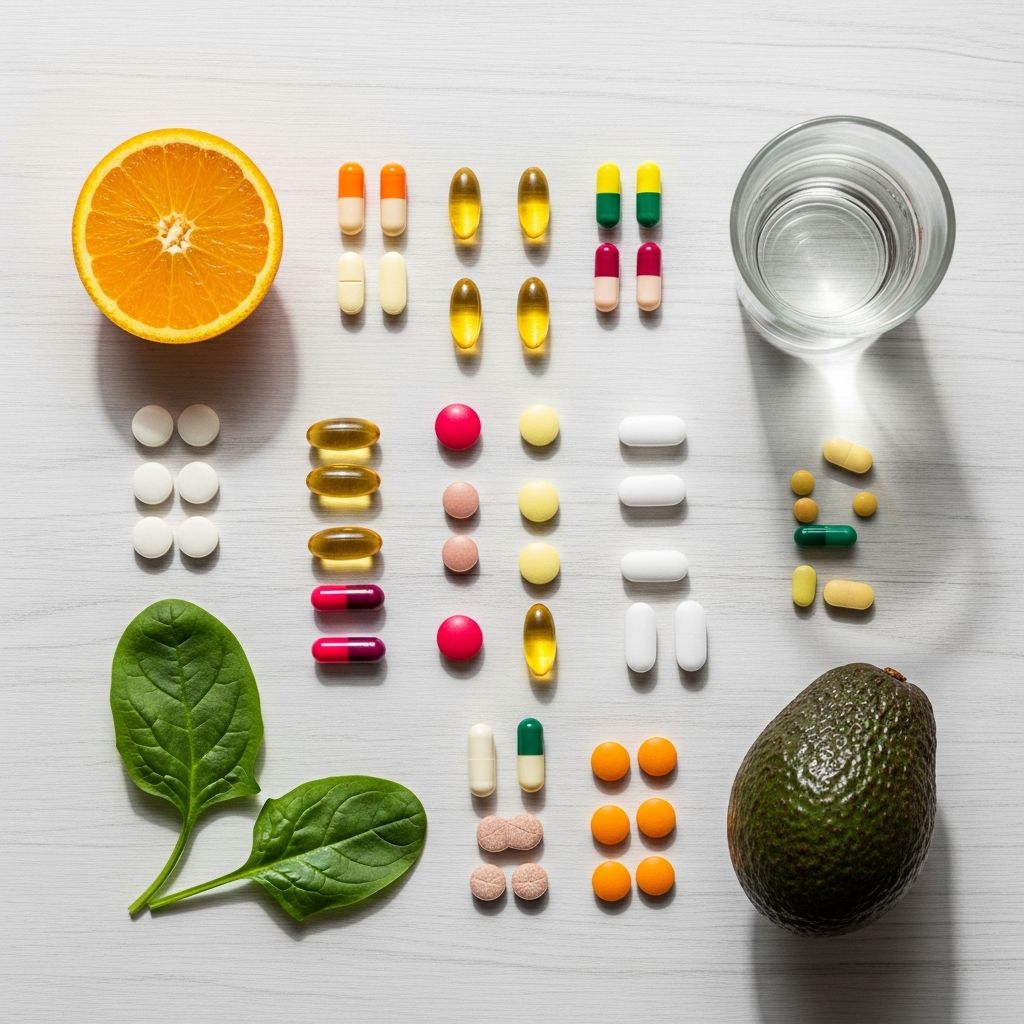
Multivitamins are among the most commonly purchased dietary supplements in the United States, with millions of Americans taking them daily in hopes of maintaining health and preventing chronic disease. Yet despite their popularity, the question of whether multivitamins provide meaningful health benefits remains a topic of considerable scientific debate. Understanding the evidence behind multivitamin supplementation can help you make informed decisions about whether they are appropriate for your individual health needs.
Understanding Multivitamins
A multivitamin typically contains approximately 26 different vitamins and minerals, often providing 100% of the Recommended Daily Allowance (RDA) of these micronutrients. These supplements are designed to fill potential nutritional gaps in the diet, providing a convenient way to ensure adequate micronutrient intake. However, the question of whether most people actually need this convenient supplementation remains central to the multivitamin debate.
For individuals who consume a healthful diet rich in fruits, vegetables, whole grains, quality protein sources, and healthy fats, a multivitamin may provide little to no additional benefit. A well-balanced diet should supply most of the nutrients necessary for optimal health. However, not all Americans manage to eat such a diet consistently, and certain populations face challenges in obtaining adequate amounts of specific vitamins and minerals.
Who May Be at Risk for Nutrient Deficiency?
While many Americans follow reasonably healthy diets, significant portions of the population consistently consume inadequate amounts of certain essential nutrients. Research indicates that more than 90% of Americans obtain less than the Estimated Average Requirement for vitamin D and vitamin E from food sources alone. This widespread deficiency suggests that for some individuals, supplementation may be warranted.
Certain populations face elevated risks for nutrient deficiencies and may genuinely benefit from multivitamin supplementation:
- Older adults: May have reduced appetite, difficulty chewing, or absorption issues that compromise nutrient intake
- Vegetarians and vegans: May struggle to obtain adequate vitamin B12, iron, and other nutrients primarily found in animal products
- Individuals with digestive disorders: Such as Crohn’s disease or celiac disease, which impair nutrient absorption
- Pregnant women: Have increased nutritional demands, particularly for folate and iron
- People with restricted diets: Due to allergies, intolerances, or other medical conditions
Research on Multivitamins and Cardiovascular Disease
One of the most extensively studied potential benefits of multivitamins concerns cardiovascular health. The Physicians’ Health Study II, a landmark randomized double-blind placebo-controlled trial involving more than 14,000 male physicians, provided crucial evidence in this area. After 11 years of follow-up, the study found no significant effect of daily multivitamin use on cardiovascular events compared with placebo. This large, rigorous trial challenged common assumptions about multivitamins and heart health.
However, more recent analysis of the original Physicians’ Health Study data revealed a more nuanced picture. Among men who used multivitamins continuously for at least 20 years, researchers identified a 44% reduction in major cardiovascular disease events. Importantly, this longer-term association was not observed with shorter-term use, suggesting that any cardiovascular benefits, if real, may require years or decades of consistent supplementation to manifest.
The U.S. Preventive Services Task Force, after reviewing 26 clinical and cohort studies, concluded there was insufficient evidence to support any benefits of multivitamins or individual vitamins for the primary prevention of cardiovascular disease or cancer among healthy, nutrient-sufficient adults. This cautious stance reflects the current state of evidence: while some suggestive findings exist, they do not yet support universal multivitamin recommendations for disease prevention.
Related Stories



Multivitamins and Cancer Risk
Cancer prevention represents another area where multivitamins have been extensively studied. The Physicians’ Health Study II found that daily multivitamin supplementation modestly but significantly reduced the risk of total cancer by approximately 8% among participants age 50 and older. While statistically significant, this reduction was relatively modest and requires careful interpretation.
The researchers note that long-term trials are particularly informative for cancer prevention, as this disease typically develops over many years. The 8% reduction observed in the PHS II study represents the strongest evidence to date for a cancer prevention benefit of multivitamins, yet even this finding warrants cautious interpretation given the modest magnitude of the effect.
Understanding Mortality Studies
Some research has raised concerns about multivitamin use and increased mortality rates. The Iowa Women’s Health Study examined the use of 15 vitamins and minerals, including multivitamins, across three different time intervals and tracked deaths over a 19-year period. This study found that women over age 55 who took multivitamins were at higher risk for dying than those who did not.
However, a critical limitation of this and similar studies is reverse causation: many participants who developed serious illnesses likely started taking multivitamins after their health had already deteriorated, hoping for therapeutic benefit. These individuals would not represent cases where multivitamins caused harm, but rather where seriously ill people began supplementing. The Iowa study also identified similar mortality risks associated with individual vitamins and minerals, including folate, vitamin B6, iron, magnesium, and zinc.
Importantly, one exception was observed: among participants with a history of cardiovascular disease, taking a multivitamin was associated with a 44% reduction in the risk of dying from a heart attack. This finding suggests that multivitamins may have different effects in people with existing disease compared to generally healthy individuals, possibly due to lower baseline nutrient levels or increased susceptibility to nutrient-medication interactions in people with cardiovascular disease.
Potential Risks of Excess Supplementation
While multivitamins in standard doses are generally safe for most people, excessive supplementation carries real risks. Mega-doses of vitamins—many times the Recommended Daily Allowance—are not recommended and should be avoided. High doses of certain vitamins and minerals can interfere with the absorption of other nutrients or medications, and may even become toxic if sustained over extended periods.
Consumers should also approach supplement labels with healthy skepticism. Marketing claims such as “supports brain health,” “promotes energy production,” or “supports healthy skin and hair” are general statements about vitamins included for marketing purposes only and are not specific claims about the supplement’s actual effects. Additionally, multivitamins that contain extras like herbs and botanicals should be viewed cautiously, as these ingredients typically lack robust research regarding long-term effects and potential adverse effects.
Making an Individual Decision
The evidence suggests that for most people who eat a reasonably balanced diet, multivitamins provide minimal additional health benefit. However, for certain populations with known nutrient deficiencies, restricted diets, or specific health conditions, targeted supplementation may be appropriate and beneficial.
Before beginning any supplement regimen, consider discussing your individual nutritional needs with your healthcare provider or a registered dietitian. They can help assess whether you have any specific nutrient deficiencies, whether your current diet provides adequate micronutrients, and whether supplementation would be appropriate for your situation. A personalized approach is more likely to be effective than a one-size-fits-all recommendation.
If you do decide to take a multivitamin, choosing a reputable brand and following recommended dosages is important. The supplements industry is not as tightly regulated as pharmaceuticals, so quality can vary among manufacturers. Look for products that have been independently tested by third-party organizations.
Frequently Asked Questions
Q: Do multivitamins work better than getting nutrients from food?
A: Food sources of nutrients typically provide superior benefits compared to supplements. Whole foods contain not just individual vitamins and minerals, but also fiber, phytonutrients, and other compounds that work together synergistically. Additionally, nutrients from food are generally better absorbed and utilized by the body than those from supplements.
Q: Are there any groups who definitely should take multivitamins?
A: Yes, certain populations benefit from multivitamin supplementation, including pregnant women (who need additional folate and iron), vegetarians and vegans (who may lack B12 and certain minerals), older adults with reduced appetite or absorption issues, and people with digestive disorders that impair nutrient absorption. However, these individuals may benefit more from targeted supplementation of specific nutrients rather than broad-spectrum multivitamins.
Q: Can multivitamins interact with medications?
A: Yes, certain vitamins and minerals can interfere with medication absorption or effectiveness. For example, calcium can interfere with some antibiotics, and vitamin K can reduce the effectiveness of blood thinners. Always inform your healthcare provider about any supplements you take, as they may need to adjust medication timing or dosages.
Q: Is it possible to take too much of a multivitamin?
A: While standard multivitamins in recommended doses are generally safe, it is possible to take excessive amounts of certain nutrients. Fat-soluble vitamins like A, D, E, and K can accumulate in body tissues, and mega-doses can cause toxicity. It is important to follow recommended dosages and avoid combining multiple supplements without professional guidance.
Q: Should healthy people take multivitamins for disease prevention?
A: The current evidence does not strongly support universal multivitamin use for disease prevention among healthy individuals who eat reasonably balanced diets. While some studies suggest modest benefits for cancer risk reduction and potentially cardiovascular health with very long-term use, these effects are not pronounced enough to recommend multivitamins for all healthy adults as a standard preventive measure.
References
- Should I Take a Daily Multivitamin? — Harvard T.H. Chan School of Public Health, The Nutrition Source. 2024. https://nutritionsource.hsph.harvard.edu/multivitamin/
- Long-term multivitamin use linked to fewer heart problems: Harvard study — Brigham and Women’s Hospital and Harvard T.H. Chan School of Public Health. 2016-05-03. https://jn.nutrition.org/
- Multivitamins in the Prevention of Cancer in Men: The Physicians’ Health Study II — National Center for Biotechnology Information, PubMed Central. 2012. https://pmc.ncbi.nlm.nih.gov/articles/PMC3517179/
- Can Multivitamins Reduce Cancer Risk and Slow Memory Loss? — Harvard Medical School Magazine. 2024-12-01. https://www.harvardmagazine.com/2024/12/harvard-professor-multivitamins-healthy-aging
Similar Articles








Read full bio of Sneha Tete