Should We Eat Like Our Caveman Ancestors?
Explore the Paleo diet's promise of ancestral eating for modern health benefits, weighing evidence on what cavemen really ate and potential risks.
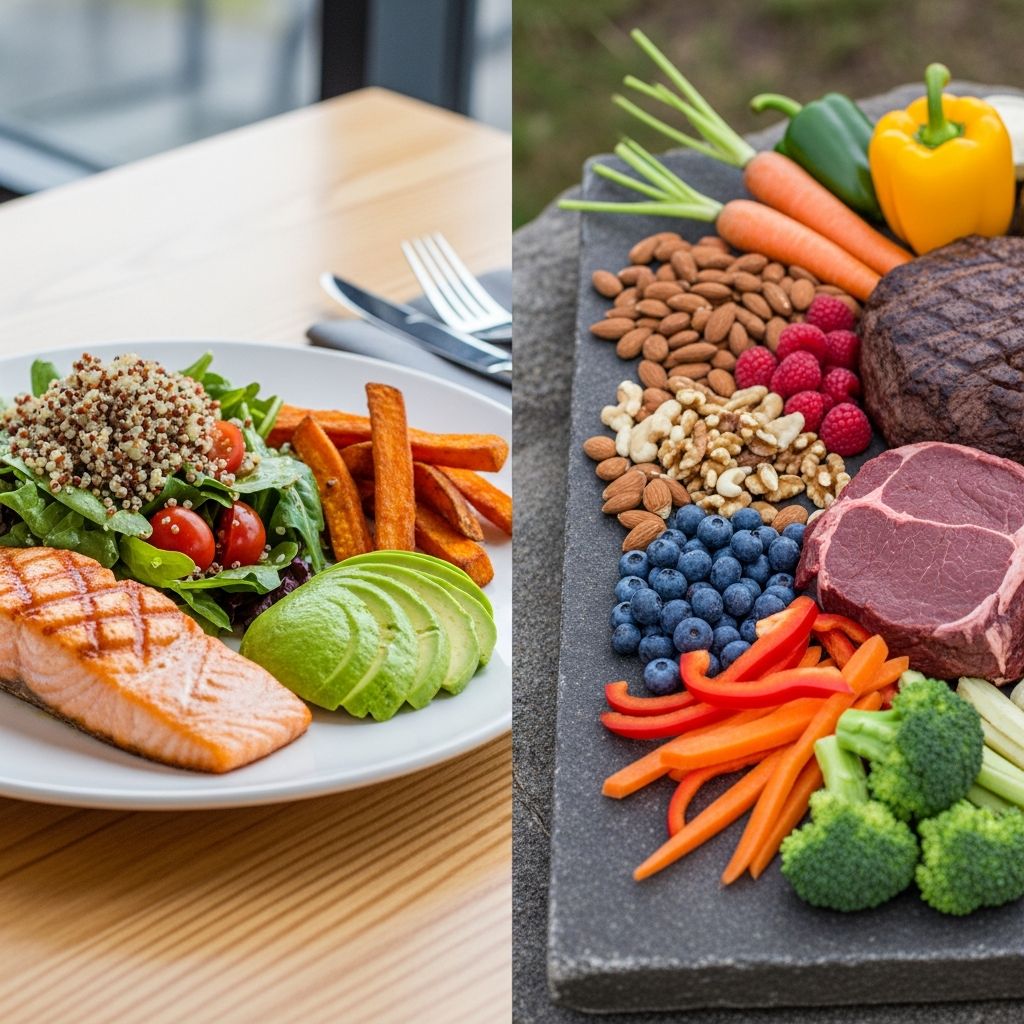
The Paleo diet, often dubbed the “caveman” or “Stone Age” diet, proposes that returning to the eating habits of our Paleolithic ancestors—around 10,000 years ago—could optimize health, promote weight loss, and prevent chronic diseases. This approach emphasizes foods obtained through hunting, fishing, and gathering, such as lean meats, fish, fruits, vegetables, nuts, and seeds, while strictly avoiding grains, legumes, dairy, processed foods, sugar, and salt. Proponents argue that our genetics have not evolved significantly since the agricultural revolution, making modern staple foods like wheat and milk mismatched with human biology, potentially fueling issues like obesity, diabetes, and heart disease.
What Is the Paleo Diet?
The Paleo diet seeks to replicate the presumed dietary patterns of early humans during the Paleolithic era, a time spanning from about 2.5 million to 10,000 years ago when people relied on foraging and hunting rather than farming. Foods allowed include:
- Proteins: Grass-fed meats, wild game, poultry, fish, seafood, and eggs.
- Fruits and Vegetables: Non-starchy options like leafy greens, broccoli, berries, and apples (low-glycemic preferred).
- Healthy Fats: Avocados, nuts, seeds, olive oil, and coconut oil.
- Exclusions: Grains (wheat, rice, corn), legumes (beans, lentils, peanuts), dairy, refined sugars, salt, and any processed items.
This macronutrient breakdown typically features 30-35% protein, 35% fats, and 35% carbohydrates from whole plant sources, contrasting sharply with standard Western diets high in refined carbs. Popularized by Loren Cordain’s 2002 book The Paleo Diet, it posits that agricultural innovations introduced foods our bodies aren’t adapted to digest efficiently.
What Did Cavemen Really Eat?
Contrary to the image of meat-heavy feasts, archaeological and anthropological evidence paints a more nuanced picture of Paleolithic diets, which varied widely by geography, climate, season, and availability. No single “Paleo diet” existed; early humans were opportunistic omnivores.
Key findings from isotopic analysis, dental calculus microfossils, and tool artifacts include:
- Plant-Dominant in Many Regions: In Israel (800,000 years ago), diets were largely plant-based with seeds, wild fruits, vegetables, nuts, and minimal meat or fish. Neanderthals in Iraq and Belgium consumed cooked plants like date palms, legumes, and seeds.
- Grains and Tubers: Tools for grinding grains date back 30,000 years, predating agriculture. Starch grains on teeth confirm wild barley flour, tubers (similar to carrots or potatoes), roots, berries, flowers, and honey.
- Animal Foods: Meats from bison, rabbits, birds, reptiles, fish, shellfish, and even insects (grasshoppers, ants) provided about 3% of energy in some groups, higher in others. Cooking enhanced digestibility and energy extraction.
- Regional Variations: Coastal groups ate more seafood; Arctic populations leaned on fats from seals; tropical areas favored fruits.
Modern hunter-gatherer studies corroborate this diversity, showing high fiber from plants and no universal reliance on animal protein. Thus, the strict modern Paleo exclusion of grains and legumes contradicts evidence of their prehistoric consumption.
Potential Health Benefits
Short-term studies on Paleo adherents report promising outcomes, likely due to eliminating processed foods and boosting nutrient-dense intake.
| Benefit | Evidence | Source |
|---|---|---|
| Weight Loss & Metabolic Improvements | Reduced waist circumference, triglycerides, blood pressure, fasting glucose; improved insulin sensitivity and lipid profiles. | |
| Heart Health | Lower inflammation, oxidative stress; associations with reduced cardiovascular mortality (comparable to Mediterranean diet). | |
| Blood Sugar Control | Decreased insulin secretion; better glucose management, reducing diabetes risk. | |
| Other | Potential muscle optimization, blood pressure control; mitigated obesity-related risks like NAFLD. |
Related Stories



These effects stem from high fiber, protein, and healthy fats, aligning with 35% calories each from fats/carbs/protein in ancestral estimates. A study by Whalen et al. linked high adherence to lower all-cause, cancer, and CVD mortality. Genoni et al. noted gut microbiota changes but elevated TMAO (a heart risk marker).
Potential Health Risks and Downsides
While beneficial short-term, long-term Paleo adherence raises concerns:
- Nutrient Deficiencies: Excluding dairy risks calcium/vitamin D shortfalls, impacting bone health. No grains means missing B vitamins, iron, magnesium, and fiber linked to reduced heart disease, cancer, and diabetes risk.
- Gut Health: Lower resistant starch alters microbiota, potentially raising TMAO levels.
- Sustainability: High meat demands grass-fed/organic sources, increasing costs and environmental impact. Legume exclusion overlooks their protein/fiber benefits.
- Lack of Long-Term Data: No extended clinical trials; benefits may fade without variety.
- Misalignment with Evidence: Ancestors ate grains/legumes, challenging exclusions.
Paleo Diet Sample Menu
A typical day might look like:
- Breakfast: Scrambled eggs with spinach, avocado, and berries.
- Lunch: Grilled chicken salad with mixed greens, nuts, olive oil dressing.
- Dinner: Baked salmon, roasted vegetables (broccoli, sweet potatoes), side of fruit.
- Snacks: Apple slices with almond butter, handful of seeds.
Total: ~2,000 calories, emphasizing whole foods.
Should You Try the Paleo Diet?
Paleo can kickstart healthier eating by prioritizing vegetables, fruits, and quality proteins, but it’s not a one-size-fits-all solution. Its exclusions contradict ancestral diversity and may cause deficiencies without planning (e.g., supplements for calcium). Balanced diets like Mediterranean, including whole grains and legumes, offer similar benefits with broader nutrients. Consult a registered dietitian for personalization, especially with health conditions. Focus on whole foods over rigid labels for sustainable health.
Frequently Asked Questions (FAQs)
Is the Paleo diet safe long-term?
Short-term yes, but long-term risks nutrient gaps; monitor with professionals.
Did cavemen eat grains?
Yes, evidence shows grinding tools and starch on teeth from 30,000+ years ago.
Can Paleo help with weight loss?
Often yes, via whole foods and satiety, but sustainable habits matter more.
What’s the biggest Paleo downside?
Excluding nutrient-rich grains/legumes/dairy without replacements.
Is dairy allowed on Paleo?
No, due to post-agricultural introduction, despite some tolerance.
References
- Paleolithic Diet – StatPearls — NCBI Bookshelf. 2023-07-17. https://www.ncbi.nlm.nih.gov/books/NBK482457/
- Understanding the Paleo Diet: Is It For You? — Johnson Memorial Health. 2023. https://johnsonmemorial.org/blog/understanding-paleo-diet-is-it-for-you
- Should We Eat Like Our Caveman Ancestors? — Academy of Nutrition and Dietetics. 2023. https://www.eatright.org/health/wellness/diet-trends/should-we-eat-like-our-caveman-ancestors
- Diet Review: Paleo Diet for Weight Loss — Harvard T.H. Chan School of Public Health. 2023-11-01. https://nutritionsource.hsph.harvard.edu/healthy-weight/diet-reviews/paleo-diet/
- Paleo Diet: What is it and why is it so popular? — Mayo Clinic. 2024-05-10. https://www.mayoclinic.org/healthy-lifestyle/nutrition-and-healthy-eating/in-depth/paleo-diet/art-20111182
- The Pros and Cons of the Paleo Diet — UVA Health. 2023. https://www.uvahealth.com/healthy-balance/paleo-diet/
Similar Articles








Read full bio of Sneha Tete