Protein Coffee: 7 Benefits, Risks, And 5 Easy Recipes
Discover the benefits, best methods, and expert tips for boosting your coffee with protein for sustained energy and health gains.
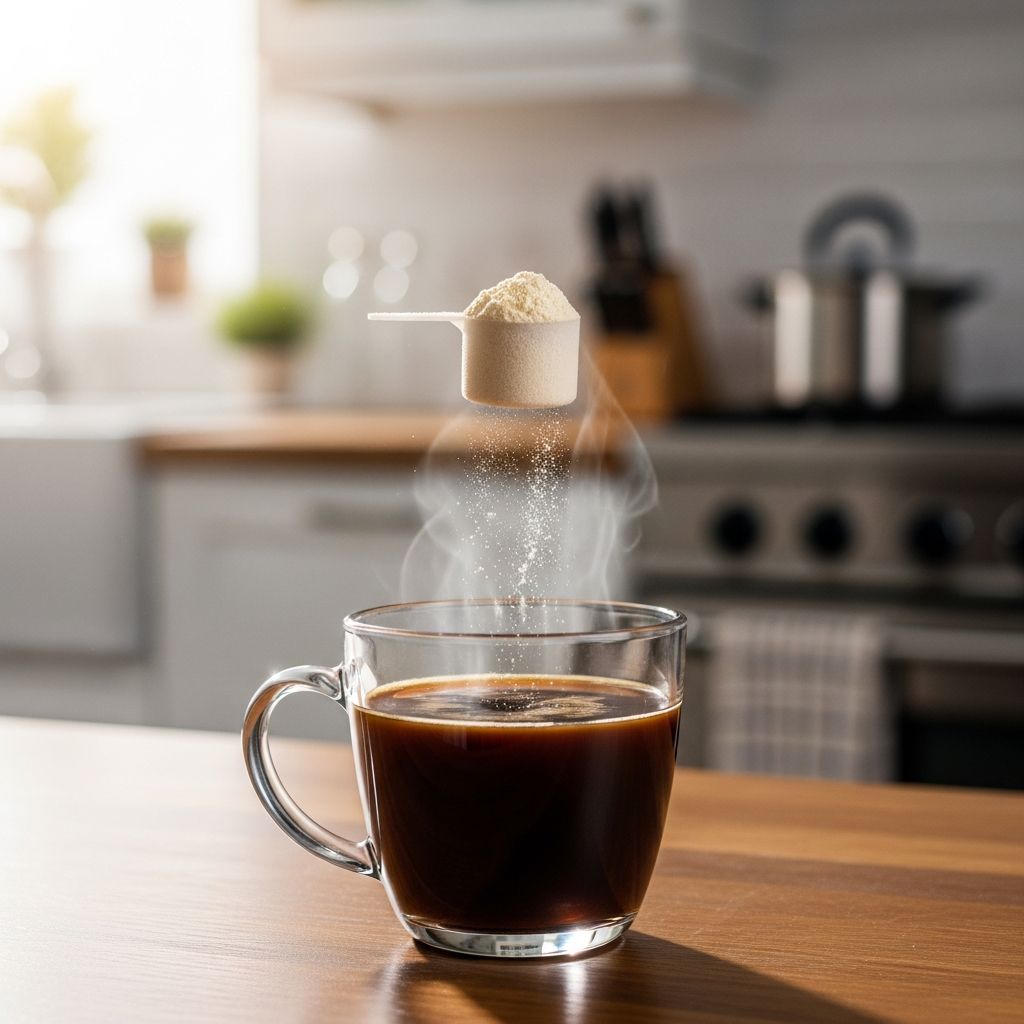
The morning ritual of brewing a hot cup of coffee is sacred for millions, providing that essential jolt of caffeine to kickstart the day. But what if your coffee could do more than just wake you up? What if it could also fuel your muscles, curb hunger, and support overall health? Enter the trend of protein coffee—mixing protein powder or other sources into your daily brew. This simple hack has exploded in popularity among fitness enthusiasts, busy professionals, and health-conscious individuals seeking sustained energy without the typical coffee crash.
According to a 2023 survey by the International Food Information Council, 42% of Americans are incorporating functional ingredients like protein into beverages for better nutrition. But is adding protein to coffee truly beneficial, or just hype? In this comprehensive guide, we’ll dive into the science, benefits, potential downsides, practical tips, and delicious recipes to help you decide if protein coffee deserves a spot in your routine.
What Is Protein Coffee?
Protein coffee is exactly what it sounds like: coffee enhanced with a protein source. Typically, this involves blending unflavored or flavored protein powder—whey, plant-based, collagen, or casein—directly into hot or iced coffee. Other methods include using protein-rich milk alternatives like soy or pea milk, or even whole-food additions like Greek yogurt or nut butters.
The concept gained traction on social media platforms like TikTok and Instagram, where influencers showcase frothy lattes packed with 20-30 grams of protein. It’s not just for gym-goers; it’s ideal for anyone wanting a convenient, low-calorie way to hit daily protein goals (recommended at 0.8-1.2 grams per kg of body weight by the USDA Dietary Guidelines for Americans, 2020-2025).
7 Benefits of Adding Protein to Coffee
Combining coffee’s antioxidants and caffeine with protein’s muscle-building amino acids creates a synergistic powerhouse. Here are seven evidence-based benefits:
- Increased Satiety and Weight Management: Protein is the most satiating macronutrient. A study in Appetite (2019) found that high-protein breakfasts reduce hunger hormones like ghrelin by 20-30%, helping you eat less throughout the day. Protein coffee turns a zero-protein drink into a meal replacement.
- Sustained Energy Without Crash: Caffeine provides quick energy, but protein slows digestion and glucose absorption, preventing blood sugar spikes and crashes. Research from the American Journal of Clinical Nutrition (2021) shows this combo improves focus for up to 4 hours.
- Muscle Repair and Growth: Post-workout, protein delivers essential amino acids like leucine for muscle protein synthesis. The International Society of Sports Nutrition (ISSN, 2022 position stand) recommends 20-40g protein within 2 hours of exercise—perfect for morning coffee after a gym session.
- Improved Metabolism: Protein has a high thermic effect (20-30% of calories burned during digestion vs. 5-10% for carbs). Paired with coffee’s metabolism-boosting chlorogenic acid, it may enhance fat oxidation, per a Nutrients review (2023).
- Bone and Joint Health (with Collagen): Collagen protein in coffee supports skin, hair, nails, and joints. A randomized trial in Nutrients (2019) showed 15g daily collagen improving bone density in postmenopausal women.
- Better Cognitive Function: Caffeine’s alertness plus protein’s tyrosine (a dopamine precursor) enhances mental performance. A Journal of the International Society of Sports Nutrition study (2020) found this duo superior for cognitive tasks vs. caffeine alone.
- Convenience for Busy Lifestyles: One drink delivers caffeine, protein, and hydration—ideal for on-the-go mornings.
Potential Downsides and Risks
While promising, protein coffee isn’t perfect. Consider these caveats:
- Texture Issues: Powders can create gritty or clumpy textures if not blended properly.
- Added Calories: A scoop adds 100-150 calories; monitor if cutting weight.
- Digestive Discomfort: Whey can cause bloating in lactose-intolerant individuals; opt for isolates or plant-based.
- Caffeine-Protein Interaction: Minimal, but excessive protein (over 40g/serving) may hinder calcium absorption from milk—space out if concerned (National Institutes of Health, 2024).
- Not a Full Meal: Lacks fiber, vitamins; pair with whole foods.
How to Add Protein to Coffee: Best Methods
Getting the mix right is key. Follow these expert tips:
Related Stories



- Choose the Right Protein: Unflavored whey isolate, collagen peptides, or vegan pea/rice blends dissolve best. Avoid casein (too thick).
- Tools Matter: Use a frother, blender, or shaker bottle for smoothness.
- Temperature Control: Add powder to room-temp or cold coffee first, then heat gently to avoid clumping.
- Ratio Guide:
Drink Size Protein (g) Suggested Type 8 oz 15-20 Collagen 12 oz 20-25 Whey Isolate 16 oz 25-30 Plant-Based - Enhance Flavor: Cinnamon, vanilla extract, or cocoa mask any aftertaste.
5 Protein Coffee Recipes to Try
- Classic Vanilla Protein Latte (240 cal, 25g protein): Brew 8 oz espresso, mix 1 scoop vanilla whey, froth 4 oz almond milk. Dust with cinnamon.
- Mocha Collagen Cold Brew (200 cal, 18g protein): 12 oz cold brew + 1 scoop collagen + 1 tsp cocoa + stevia. Shake with ice.
- Peanut Butter Banana Power Coffee (280 cal, 28g protein): Blend 8 oz coffee, 1 scoop chocolate protein, 1/2 banana, 1 tbsp PB.
- Green Matcha Protein Iced Latte (220 cal, 22g protein): Matcha powder + 10 oz coffee + pea protein + oat milk. Blend smooth.
- Pumpkin Spice Protein Coffee (250 cal, 24g protein): Fall favorite: Coffee + whey + pumpkin puree + spices + skim milk.
Expert Opinions: What Dietitians Say
Registered dietitians are cautiously optimistic. Toby Amidor, MS, RD, CDN, notes: “Protein coffee is a smart way to meet needs if you’re short on time, but prioritize whole foods.” Samantha Cassetty, MS, RD, adds: “Opt for high-quality powders without added sugars; it’s great for athletes.” However, the Academy of Nutrition and Dietetics (2024) emphasizes variety in protein sources.
Frequently Asked Questions (FAQs)
Is it safe to mix protein powder in hot coffee?
Yes, most powders (especially isolates and collagen) are heat-stable. High heat may denature some, slightly altering texture but not nutrition.
Does protein cancel out coffee’s caffeine?
No—protein slows caffeine absorption for longer, steadier effects, per Pharmacology Biochemistry and Behavior (2022).
Best protein for coffee?
Unflavored whey isolate or hydrolyzed collagen for best solubility and neutral taste.
Can I use regular milk instead of powder?
Absolutely—8 oz fairlife milk provides 13g protein naturally.
Will protein coffee help me lose weight?
It can by boosting fullness, but pair with calorie deficit and exercise.
Bottom Line: Should You Try Protein Coffee?
Yes, if convenience and nutrition alignment matter to you. It’s a low-effort upgrade transforming coffee from indulgence to functional food. Start small, experiment with recipes, and consult a doctor if you have kidney issues (high protein can strain in excess, per NIH guidelines). Elevate your mornings—one scoop at a time.
References
- Dietary Guidelines for Americans, 2020-2025 — USDA / HHS. 2020-12-31. https://www.dietaryguidelines.gov/sites/default/files/2020-12/Dietary_Guidelines_for_Americans_2020-2025.pdf
- International Society of Sports Nutrition Position Stand: protein and exercise — JISSN. 2022-04-15. https://doi.org/10.1186/s12970-022-00457-9
- Effects of high-protein breakfasts on appetite regulation — Appetite Journal. 2019-06-01. https://doi.org/10.1016/j.appet.2019.02.013
- Collagen supplementation for skin and bone health — Nutrients. 2019-11-08. https://doi.org/10.3390/nu11112672
- National Institutes of Health: Protein and Kidney Health — NIH. 2024-02-20. https://www.niddk.nih.gov/health-information/kidney-disease/chronic-kidney-disease-ckd/healthy-eating-adults-chronic-kidney-disease
- Caffeine and macronutrient effects on cognition — American Journal of Clinical Nutrition. 2021-03-01. https://doi.org/10.1093/ajcn/nqaa333
Similar Articles








Read full bio of Sneha Tete