Should You Eat Before or After a Workout?
Timing your meals around workouts can boost performance, aid recovery, and optimize results. Learn expert advice on pre- and post-workout nutrition.
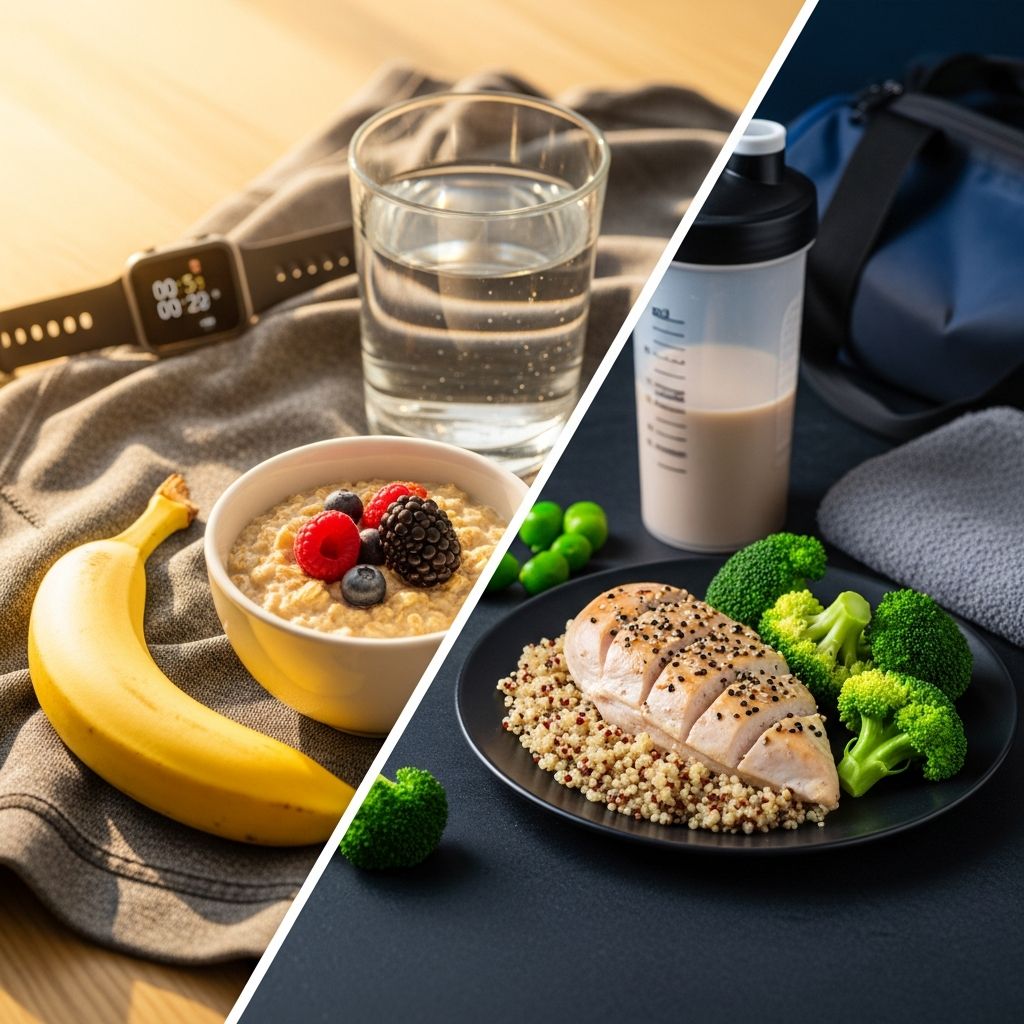
Deciding whether to eat before or after a workout depends on your exercise type, intensity, goals, and personal tolerance. Proper nutrition timing fuels performance, supports muscle repair, and prevents issues like fatigue or digestive discomfort.
Why Nutrition Timing Matters
Nutrition timing revolves around how your body uses energy during and after exercise. Carbohydrates provide quick energy via glucose for muscle contractions, while protein aids in repairing muscle fibers broken down during workouts. Hydration is equally vital, as dehydration impairs performance and recovery. Studies show consuming carbs before exercise improves workout duration and intensity, reducing feelings of lightheadedness.
Different workouts demand tailored fueling. Cardio burns glycogen stores rapidly, strength training stresses muscles for growth, and flexibility sessions prioritize comfort to avoid bloating. Ignoring timing can lead to suboptimal results or gastrointestinal distress.
What to Eat Before Your Workout
Pre-workout meals should balance easily digestible carbs for energy and moderate protein, timed based on workout start. Large meals 3-4 hours prior prevent sluggishness; smaller snacks 1-3 hours before suffice for most. Avoid high-fat or high-fiber foods close to exercise to minimize nausea or cramps.
For Cardio (Running, Cycling, HIIT)
Cardio demands sustained energy to combat fatigue. Opt for moderate meals 1-3 hours before, followed by a quick snack 30-60 minutes prior.
- 1-3 hours before: Oatmeal with banana, toast with peanut butter, or Greek yogurt with berries for carbs and protein.
- 30-60 minutes before: Banana, energy bar, or apple to boost glucose without digestive upset.
These choices provide power while being light on the stomach, ideal for high-intensity efforts.
For Strength Training (Weightlifting, Resistance)
Strength sessions focus on muscle endurance. Fuel with carb-protein combos 1-3 hours ahead; a small snack if hungry shortly before.
- 1-3 hours before: Chicken and rice, eggs and toast, or Greek yogurt with berries.
- 30 minutes before: Carrots with hummus or cheese and crackers for a quick nutrient hit.
Protein here primes muscles for repair, while carbs maintain energy levels.
For Yoga, Pilates, or Stretching
Flexibility workouts require lightness to prevent bloating. Stick to snacks 1-2 hours prior with healthy carbs.
- Fruit smoothie or toast with almond butter.
- Avoid fried foods, beans, corn, or cruciferous veggies that cause gas.
This keeps you comfortable and strong without heaviness.
General Pre-Workout Eating Tips
Personalize based on tolerance: if mornings are your time, finish breakfast 1 hour before with whole-grain cereal, low-fat milk, banana, or yogurt. Test new foods cautiously to avoid stomach issues. Coffee is usually fine if habitual.
| Timing | Meal Size | Examples |
|---|---|---|
| 3-4 hours before | Large meal | Balanced plate with carbs, protein, veggies |
| 1-3 hours before | Small meal/snack | Yogurt with fruit, peanut butter toast |
| <1 hour before | Light snack | Banana, sports drink, energy bar |
Portion control is key—overEating causes lethargy, under-eating saps energy.
What to Eat After Your Workout
Post-workout nutrition within 2 hours replenishes glycogen, repairs muscles, and rehydrates. Combine carbs and protein for optimal recovery. Research indicates this window aids muscle recovery and energy restoration.
Related Stories



Post-Cardio Foods
Replenish electrolytes and energy after endurance efforts.
- Chocolate milk.
- Smoothie with fruit and protein powder.
- Hummus and whole-grain pita.
Muscle Recovery Foods (Post-Strength)
Prioritize protein with complex carbs for repair and growth.
- Grilled chicken with sweet potatoes.
- Protein shake with banana.
- Tuna sandwich on whole grain.
For Flexibility and Light Workouts
Focus on hydration and light refueling.
- Coconut water or sports drink for electrolytes.
- Fruit, nuts/seeds, or yogurt.
Yogurt with fruit, peanut butter sandwich, or turkey on whole-grain bread are versatile post-workout options.
Common Mistakes to Avoid
Steer clear of pitfalls that undermine your efforts:
- Fad supplements or extreme fasting: Often unproven and risky.
- Eating too close if prone to cramps: Listen to your body.
- Skipping meals: Intense workouts need fuel.
- Ignoring hydration: Drink water or electrolytes throughout.
- One-size-fits-all approach: Adjust protein by body weight and intensity; consult a dietitian if needed.
Psychological factors matter too—less enjoyable workouts may lead to overeating energy-dense foods post-exercise, impacting weight goals.
Sample Meal Plans
| Workout Type | Pre-Workout (1-3 hrs) | Pre-Snack (<1 hr) | Post-Workout |
|---|---|---|---|
| Cardio | Oatmeal + banana | Energy bar | Chocolate milk |
| Strength | Chicken + rice | Hummus + carrots | Protein shake + banana |
| Yoga | Toast + almond butter | Fruit smoothie | Yogurt + nuts |
Frequently Asked Questions (FAQs)
What if I exercise in the morning?
Eat breakfast 1 hour before: cereal with fruit, yogurt, or banana. If closer, opt for a sports drink.
Do I need snacks during workouts?
For sessions over 60 minutes, yes—banana, energy bar, or sports drink helps sustain energy.
Can I drink coffee before working out?
Yes, if it’s your routine; it won’t typically upset your stomach.
How much protein post-workout?
Aim for 20-30g with carbs; needs vary by weight and intensity. Consult a professional.
Does eating after exercise cause weight gain?
Not if balanced—recovery foods aid muscle building. Overeating energy-dense items post unenjoyable workouts may, per studies.
Mastering pre- and post-workout nutrition elevates your fitness game. Experiment to find what fuels you best, prioritizing whole foods, timing, and hydration for peak results.
References
- What to eat before and after a workout, based on your workout type — UCLA Health. 2023. https://www.uclahealth.org/news/article/what-eat-before-and-after-workout-based-your-workout-type
- Eating and exercise: 5 tips to maximize your workouts — Mayo Clinic. 2023-10-12. https://www.mayoclinic.org/healthy-lifestyle/fitness/in-depth/exercise/art-20045506
- Investigating the psychology of eating after exercise — a scoping review — PMC (PubMed Central). 2024. https://pmc.ncbi.nlm.nih.gov/articles/PMC11811867/
Similar Articles








Read full bio of Sneha Tete