Should You Eat Low-Fat Foods for Weight Loss?
Uncover whether low-fat diets truly aid weight loss or if healthy fats hold the key to sustainable results.
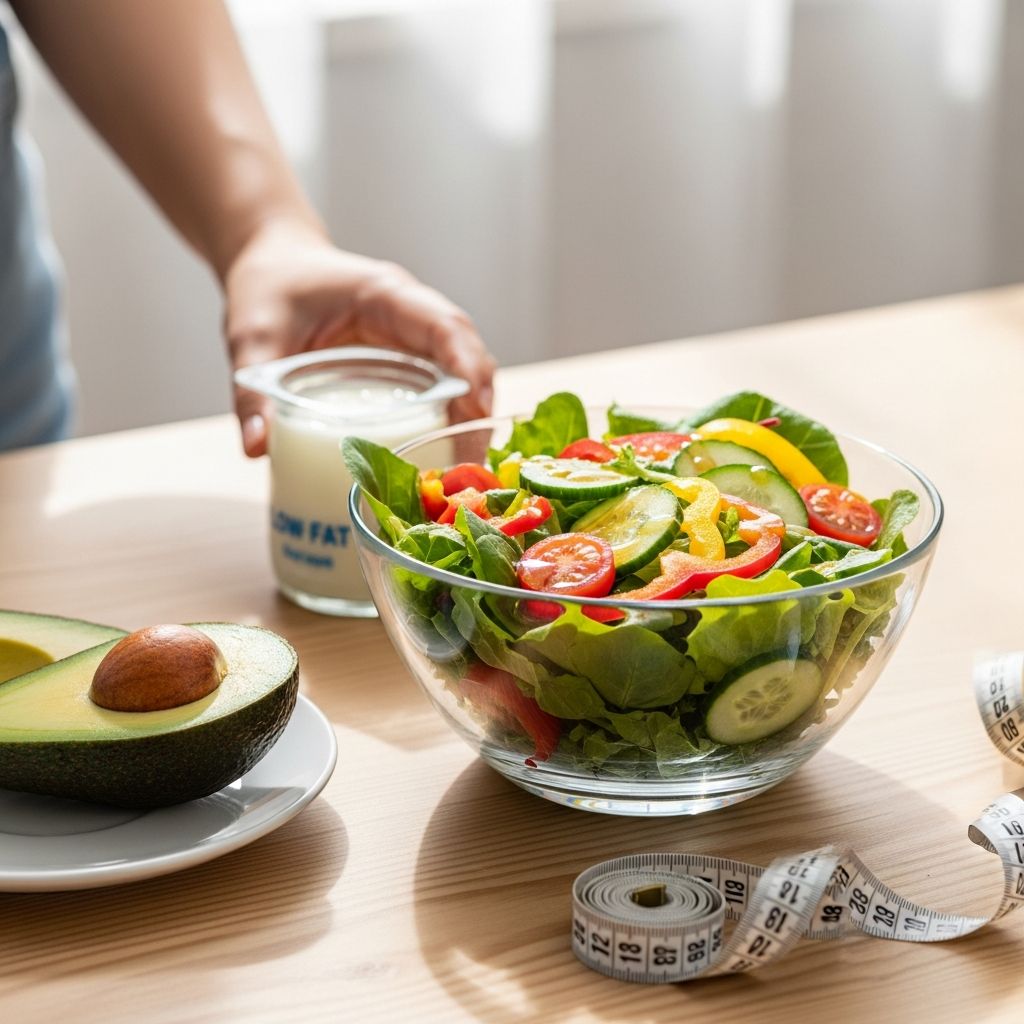
Low-fat diets surged in popularity during the late 20th century, driven by concerns over heart disease and obesity. Government guidelines emphasized reducing dietary fat to as low as 30% of total calories. However, recent research challenges this approach, showing that not all fats are harmful and that low-fat foods may not be optimal for weight loss. While low-fat options can help control calories, focusing solely on fat reduction often leads to higher carbohydrate intake, potentially hindering satiety and metabolic health.
The shift stems from studies like those in the New England Journal of Medicine, which found low-carb diets outperforming low-fat ones for weight loss and cardiovascular risk factors. Today, experts advocate balanced approaches prioritizing whole foods over processed low-fat products.
What Is a Low-Fat Diet?
A low-fat diet typically limits fat intake to 20-30% of daily calories, often emphasizing reduced-fat dairy, lean proteins, fruits, vegetables, and grains. Popularized by the 1992 Food Guide Pyramid, it aimed to curb saturated fat consumption linked to cholesterol issues. Foods labeled “low-fat” must contain less than 3 grams of fat per 50 grams, but many compensate with added sugars or refined carbs to maintain taste and texture.
Examples include skim milk, fat-free yogurt, low-fat salad dressings, and reduced-fat crackers. While these reduce calorie density from fat (9 calories per gram vs. 4 for carbs/protein), they may not promote fullness as effectively as higher-fat whole foods.
Do Low-Fat Diets Work for Weight Loss?
Short-term studies show low-fat diets can lead to modest weight loss by cutting calories, but long-term adherence is challenging. A meta-analysis in The Lancet revealed no significant advantage over other diets when calories are equated. Participants often feel hungrier due to lower satiety from carbs.
Moreover, many low-fat products are ultra-processed, leading to overconsumption. For instance, low-fat cookies might pack more sugar, spiking blood glucose and insulin, which can promote fat storage. Real-world data from the National Weight Control Registry indicates successful losers prioritize protein and fiber over strict fat limits.
Low-Fat vs. Low-Carb: What the Science Says
Head-to-head trials favor low-carb over low-fat for weight loss. The DIETFITS study (n=609) found similar 12-month weight loss (5-6 kg) across low-fat and low-carb groups, but low-carb improved triglycerides and HDL cholesterol more. A 2021 JAMA review confirmed low-carb diets yield greater fat loss, especially visceral fat.
| Metric | Low-Fat Diet | Low-Carb Diet |
|---|---|---|
| Weight Loss (12 months) | ~5 kg | ~6 kg |
| Satiety | Moderate | High |
| Triglycerides | No change | ↓ 20-30% |
| Adherence | Lower | Higher |
Low-carb approaches enhance fat oxidation and reduce insulin, key for metabolic health. However, individual responses vary based on genetics and insulin sensitivity.
Are Healthy Fats Good for Weight Loss?
Yes, healthy fats from avocados, nuts, olive oil, and fatty fish support weight loss by increasing meal satisfaction and stabilizing blood sugar. Monounsaturated and polyunsaturated fats (e.g., omega-3s) reduce inflammation and appetite hormones like ghrelin.
Studies show replacing carbs with fats leads to greater fat loss. For example, Mediterranean diets high in olive oil and nuts outperform low-fat diets for sustained weight management. Mayo Clinic recommends including nuts, seeds, and oils like olive and flaxseed in moderation for low-energy-dense eating.
Related Stories



- Avocados: High in fiber and potassium; 1/2 avocado adds satiety without excess calories.
- Nuts: Almonds and walnuts provide protein/fiber; portion to 1 oz daily.
- Fatty Fish: Salmon offers omega-3s, aiding metabolism and reducing obesity risk.
- Olive Oil: Use for dressings; anti-inflammatory benefits.
Low-Fat Foods: Pros and Cons
Pros
- Lower calorie density aids portion control.
- Reduces saturated/trans fats linked to heart disease.
- Easy to find in grocery stores; suitable for calorie counting.
Cons
- Often higher in sugar/refined carbs, causing hunger.
- Less nutrient-dense than whole-fat counterparts (e.g., full-fat yogurt has more probiotics).
- Processed versions lack fiber, leading to overeating.
American Cancer Society lists low-fat dairy, lean proteins, and veggies as smart choices but cautions on light dressings high in calories from remaining fat.
What Should You Eat Instead?
Prioritize nutrient-dense, low-energy-dense foods per Mayo Clinic guidelines:
Vegetables
Most are low-calorie, high-volume due to water/fiber: salad greens, broccoli, carrots, zucchini. Aim for half your plate veggies.
Fruits
Fresh or frozen in own juice; grapes over raisins for lower energy density.
Whole Grains
Oatmeal, brown rice, whole-wheat pasta; higher fiber than refined.
Proteins
Beans, lentils, fish, lean poultry, egg whites, low-fat dairy. Fatty fish like salmon for healthy fats.
Fats
Small amounts of nuts, seeds, olive oil; limit butter/shortening.
Incorporate leafy greens, cruciferous veggies, potatoes, and legumes for fullness.
Sample 1-Day Low-Energy-Dense Meal Plan
| Meal | Foods | Approx. Calories |
|---|---|---|
| Breakfast | Oatmeal with berries, skim milk, chia seeds | 350 |
| Lunch | Grilled chicken salad with veggies, olive oil vinaigrette | 400 |
| Snack | Apple with 1 oz almonds | 250 |
| Dinner | Baked salmon, quinoa, broccoli | 500 |
| Total | – | ~1,500 |
Expert Tips for Sustainable Weight Loss
- Focus on whole foods: Avoid ultra-processed low-fat items.
- Monitor portions: Even healthy fats are calorie-dense.
- Combine strategies: Pair low-fat choices with protein/fiber.
- Track hunger: Eat to satisfaction, not restriction.
- Exercise: Add movement for better results.
Registered dietitians emphasize quality over strict macros. Personalize based on preferences for adherence.
Frequently Asked Questions (FAQs)
Are all fats bad for weight loss?
No, healthy fats from nuts, avocados, and fish enhance satiety and metabolism. Limit saturated/trans fats.
Can I eat low-fat foods on a keto diet?
Keto requires high fat (70-80%); low-fat foods contradict this. Opt for full-fat versions.
Is full-fat dairy better than low-fat?
Evidence suggests full-fat may reduce obesity risk; choose unsweetened Greek yogurt for protein.
How many grams of fat per day for weight loss?
0.3-0.5g per lb body weight, prioritizing unsaturated sources.
Do low-fat diets lower cholesterol?
They reduce LDL modestly, but low-carb often improves overall profile better.
References
- Weight loss: Feel full on fewer calories — Mayo Clinic. 2023-10-12. https://www.mayoclinic.org/healthy-lifestyle/weight-loss/in-depth/weight-loss/art-20044318
- Low-Fat Foods — American Cancer Society. 2024-05-15. https://www.cancer.org/cancer/risk-prevention/diet-physical-activity/eat-healthy/low-fat-foods.html
- Eat these healthy foods to support your weight loss journey — Knownwell. 2024-08-20. https://www.knownwell.co/blog-posts/eat-these-healthy-foods-to-support-your-weight-loss-journey
Similar Articles








Read full bio of Sneha Tete