Should You Take a Fiber Supplement If You Can’t Poop?
Discover if fiber supplements can relieve constipation, which types work best, and how to use them safely for better digestive health.
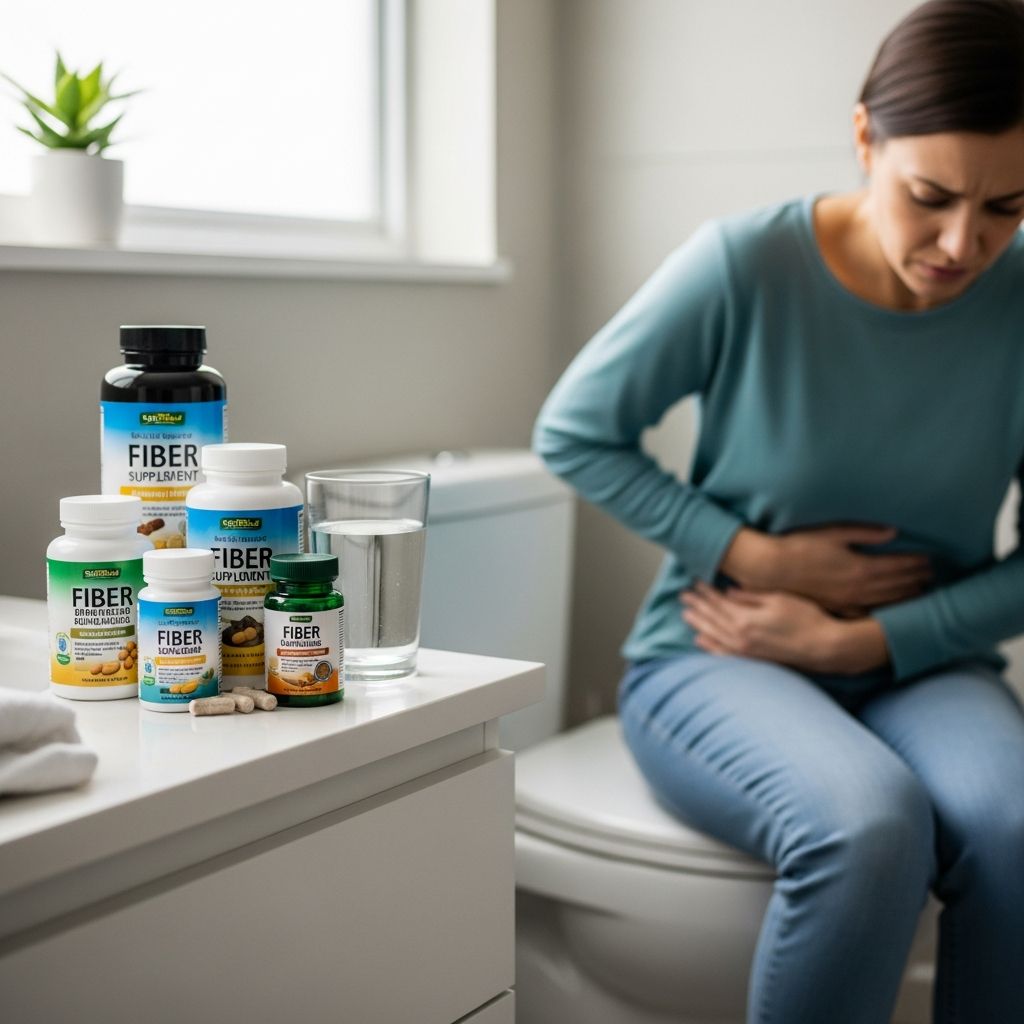
Constipation affects millions, causing discomfort from infrequent or hard stools. Fiber supplements can help by bulking and softening stool, but they’re not always the first choice and require proper use.
Dietary fiber from foods is ideal, yet supplements like psyllium prove effective when diet falls short, especially for chronic cases. This article covers when to consider them, best types, usage tips, and expert-backed strategies.
What Causes Constipation?
Constipation involves fewer than three bowel movements weekly, hard stools, or straining. Common triggers include low-fiber diets, dehydration, inactivity, medications, and conditions like IBS.
Processed foods strip fiber, slowing digestion. Insufficient water hardens stool, while sedentary lifestyles reduce gut motility. In chronic idiopathic constipation, stool lacks water content, making passage difficult.
- Low fiber intake: Most adults get under 15g daily versus recommended 25-30g.
- Dehydration: Aim for 68 ounces of water daily; caffeinated drinks don’t count.
- Medications: Opioids, antacids, and iron supplements often contribute.
- Lifestyle factors: Travel, stress, or ignoring urges worsen it.
Benefits of Fiber for Constipation Relief
Fiber increases stool bulk, softens it, and eases passage, reducing constipation risk. Soluble fiber absorbs water for gel-like consistency; insoluble adds bulk via mechanical irritation.
For loose stools, viscous soluble fibers firm them by holding water. Psyllium excels here, normalizing form in IBS and constipation. High-fiber diets also prevent hemorrhoids and fissures long-term.
| Fiber Type | Mechanism | Benefits |
|---|---|---|
| Insoluble (e.g., wheat bran) | Mechanical irritation | Softens hard stool, shortens transit time |
| Soluble, gel-forming (e.g., psyllium) | Water-holding capacity | Softens constipation, firms diarrhea, IBS relief |
| Fermentable (e.g., inulin) | Quickly broken down | Limited laxative effect, may constipate |
Should You Take a Fiber Supplement?
Yes, if diet changes fail or for chronic constipation. The American College of Gastroenterology endorses psyllium based on evidence showing increased stool frequency and softness over alternatives like docusate.
Supplements add bulk without laxative dependency, ideal long-term. However, start after consulting a doctor, especially with conditions like IBS or blockages. Meta-analyses confirm benefits for constipation and IBS, though evidence quality varies.
Not all fibers work equally: Non-viscous, fermented ones like wheat dextrin lack efficacy.
Best Fiber Supplements for Constipation
Psyllium tops lists for proven results in chronic constipation and IBS. Studies show it superior for stool water content (P=.007) and frequency (P=.02).
- Psyllium (Metamucil, Konsyl): Gel-forming, non-fermented; 2-3 tsp daily.
- Methylcellulose (Citrucel): Soluble, less gas-inducing.
- Calcium polycarbophil (FiberCon): Bulks stool, but less evidence.
- Avoid: Pills/capsules (ineffective); fermented fibers.
Konsyl suits diabetics as sugar-free.
How to Take Fiber Supplements Safely
Start low to avoid bloating/cramping: 1 tsp psyllium daily, increase gradually over weeks. Mix 2-3 tsp in 8oz water/juice, shake, drink quickly, follow with water.
- Timing: Morning best; evening risks constipation unless for loose stools.
- Hydration: Drink extra water; fiber draws moisture.
- Prep hard stool first: Use osmotic laxative like PEG if severely constipated to prevent pain.
Long-term use prevents issues like hemorrhoids.
Side Effects and How to Avoid Them
Common: Gas, bloating, cramps from rapid intake or hard stool. Insoluble fibers may worsen diarrhea.
Mitigate by gradual dosing, hydration, and clearing impactions first. Formed, consistent stools minimize discomfort. If symptoms persist, stop and consult a doctor.
Dietary Fiber vs. Supplements
Foods first: Aim for high-fiber options like beans, oats, avocados (7g+ per serving). Supplements bridge gaps but lack food nutrients.
- High-fiber foods: Black beans, broccoli, raspberries, lentils.
- Daily goal: 25g women, 38g men; increase slowly.
Combine both for best results.
When to See a Doctor for Constipation
Seek help if: No relief in 2 weeks, blood in stool, unexplained weight loss, severe pain, or alternating diarrhea/constipation. Rule out underlying issues like thyroid problems or cancer.
Fiber alone may not suffice for secondary constipation.
Frequently Asked Questions
What’s the best fiber supplement for constipation?
Psyllium, backed by clinical evidence for increasing stool frequency and softness.
How much fiber supplement should I take?
Start with 1 tsp psyllium daily, up to 2-3 tsp in 8oz water, morning preferred.
Can fiber supplements cause more constipation?
Yes, if taken evening without enough water or with hard stool buildup; clear first.
Are fiber supplements safe long-term?
Yes, for most; prevents hemorrhoids and fissures with consistent use.
Should I take fiber with food?
Mix in water/juice; follow with food and extra water for best absorption.
Key Takeaways
- Prioritize diet, then psyllium supplements for constipation.
- Gradual increase, ample water essential.
- Consult doctor for persistent issues.
References
- Evidence-Based Approach to Fiber Supplements and Clinically Meaningful Health Benefits, Part 2 — National Center for Biotechnology Information (PMC). 2015-05-11. https://pmc.ncbi.nlm.nih.gov/articles/PMC4415970/
- Unlock the Power of Fiber to Boost Your Digestive Health — Franciscan Missionaries of Our Lady Health System. Accessed 2026. https://health.fmolhs.org/body/eating-well/unlock-the-power-of-fiber-to-boost-your-digestive-health/
- A Colorectal Surgeon Tells All About Constipation and Its Evil Twin, Hemorrhoids — Novant Health. Accessed 2026. https://www.novanthealth.org/healthy-headlines/a-colorectal-surgeon-tells-all-about-constipation-and-its-evil-twin-hemorrhoids
- Dietary Fiber: Essential for a Healthy Diet — Mayo Clinic. Accessed 2026. https://www.mayoclinic.org/healthy-lifestyle/nutrition-and-healthy-eating/in-depth/fiber/art-20043983
- Effectiveness of Fiber Supplementation for Constipation, Weight Loss, and IBS — National Center for Biotechnology Information (PMC). 2020-11-01. https://pmc.ncbi.nlm.nih.gov/articles/PMC7646157/
Similar Articles




Read full bio of Sneha Tete