Low-Dose Aspirin Daily: Who Benefits And Who Should Avoid It
New guidelines question daily low-dose aspirin for heart health—experts weigh benefits vs. bleeding risks for prevention.
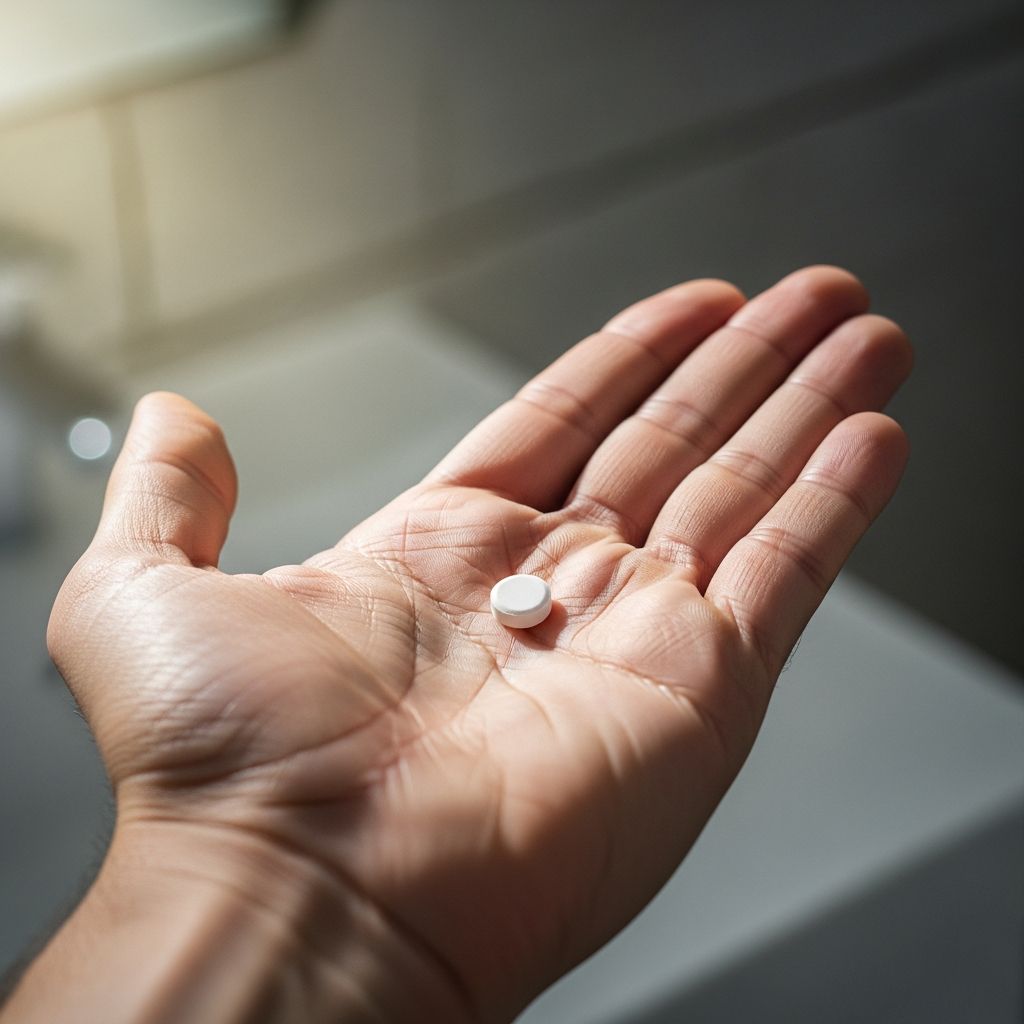
Low-dose aspirin—typically 81 mg or 100 mg daily—has long been promoted for preventing heart attacks and strokes by thinning the blood and reducing clots. However, recent large-scale trials and updated guidelines from bodies like the U.S. Preventive Services Task Force (USPSTF) indicate that for many healthy adults, especially those over 60, the bleeding risks now outweigh the benefits.
This shift stems from studies like the ASPirin in Reducing Events in the Elderly (ASPREE) trial, which followed nearly 19,000 healthy older adults and found no significant reduction in stroke risk from daily aspirin, alongside a 38% higher rate of brain or skull bleeds, often from falls. Experts now emphasize personalized decisions based on individual risk factors rather than blanket recommendations.
What Is Low-Dose Aspirin Used For?
Aspirin, acetylsalicylic acid, inhibits platelets from clumping, preventing clots that cause heart attacks (myocardial infarction) and ischemic strokes (blocked blood flow). At low doses (75-100 mg), it’s used for:
- Primary prevention: Reducing first-time cardiovascular events in at-risk individuals without prior disease.
- Secondary prevention: Preventing recurrence after a heart attack, stroke, stent placement, or bypass surgery.
- Other uses: Pain relief, fever reduction, or colorectal cancer risk reduction in some guidelines, though evidence varies.
Historically, an “aspirin a day” was advised for middle-aged adults, but ASPREE and similar trials (e.g., ARRIVE, ASCEND) showed minimal net benefit due to bleeding offsets.
Who Might Benefit From Daily Low-Dose Aspirin?
Current USPSTF guidelines, updated in 2022, conditionally recommend low-dose aspirin for adults aged 40-59 with a 10% or greater 10-year cardiovascular risk (calculated via tools like the ASCVD Risk Estimator), if bleeding risk is low. Benefits may include:
- A modest reduction in first heart attacks (about 0.38% absolute risk reduction over 10 years per meta-analyses).
- Protection post-cardiovascular events: Those with prior heart attack, stroke, or stents often see life-saving benefits, as risks of recurrence far exceed bleeding hazards.
For example, if you’ve had coronary artery bypass or angina, aspirin is proven to prevent further events. A 40-59-year-old with high cholesterol, diabetes, smoking history, and hypertension might gain a “small net benefit,” but only after doctor consultation.
Risks and Side Effects of Daily Low-Dose Aspirin
Daily aspirin’s anti-clotting effects increase bleeding vulnerability. Key risks include:
- Gastrointestinal bleeding: Upset stomach, ulcers, or life-threatening GI bleeds; risk rises with age, history of ulcers, or NSAID use.
- Brain hemorrhage: ASPREE found 38% more brain/skull bleeds in aspirin users (108 vs. 79 events), many fall-related in seniors.
- Hemorrhagic stroke: Aspirin prevents ischemic strokes but raises bleeding stroke risk.
- Anemia: Linked to occult GI blood loss in older adults.
- Other: Easy bruising, prolonged bleeding post-injury/surgery, allergic reactions (hives, anaphylaxis).
Related Stories



Bleeding risk escalates with age: For those 60+, harms often exceed benefits. Nearly half of ASPREE bleeds were trauma-induced, highlighting fall dangers in older users.
Current Guidelines on Daily Aspirin Therapy
| Group | Recommendation | Source |
|---|---|---|
| Adults 40-59, ≥10% 10-year CVD risk, low bleed risk | C-Recommendation: Selective use | USPSTF 2022 |
| Adults 60+, no prior CVD | D-Recommendation: Avoid starting | USPSTF 2022 |
| Prior heart attack/stroke/stents | Continue if prescribed | ACC/AHA |
USPSTF shifted from 2016’s broader endorsement after ASPREE showed no stroke protection and excess bleeds. American College of Cardiology echoes: Not for primary prevention in low-risk adults. Always discuss with a provider; never self-start or stop abruptly.
Who Should Not Take Daily Aspirin?
Certain conditions contraindicate routine use:
- Bleeding disorders (e.g., hemophilia) or easy bruising.
- History of GI ulcers/bleeds.
- Aspirin allergy/asthma exacerbation.
- Concurrent anticoagulants (e.g., warfarin) without supervision.
- Upcoming surgery (stop 7-10 days prior).
- Age 60+ with low CVD risk.
For hemorrhagic stroke survivors, aspirin is particularly risky.
Should You Talk to Your Doctor About Daily Aspirin?
Yes—personalized assessment is crucial. Factors include:
- CVD risk calculator: Use ASCVD tool for 10-year projection.
- Bleed risk: HAS-BLED score evaluates GI/brain bleed likelihood.
- Preferences: Weigh tolerance for bleeding vs. CVD events.
Take with food to minimize stomach upset; enteric-coated may reduce GI irritation but not bleed risk. If prescribed for secondary prevention, benefits typically dominate.
How to Decide If Low-Dose Aspirin Is Right for You
Steps for informed choice:
- Calculate your 10-year CVD risk online or with your doctor.
- Review bleed history/family history.
- Discuss alternatives: Statins for cholesterol, blood pressure meds, lifestyle (diet, exercise, quitting smoking).
- Consider net benefit: For high-risk 40-59-year-olds, ~12 heart attacks prevented per 1,000 over 10 years vs. 8 major bleeds.
Bottom line: Aspirin saves lives post-event but rarely for primary prevention today.
Frequently Asked Questions (FAQs)
Is it safe to take 81 mg aspirin every day?
Not for everyone. Safe for secondary prevention; risky for healthy seniors due to bleeds.
Can low-dose aspirin cause stomach ulcers?
Yes, it increases ulcer and GI bleed risk, especially without food or PPI protection.
Should seniors take baby aspirin daily?
Generally no—ASPREE showed no stroke benefit, higher brain bleeds.
Does daily aspirin prevent cancer?
Some evidence for colorectal cancer reduction long-term, but not primary rationale.
What if I already take aspirin daily?
Don’t stop without doctor advice; sudden halt raises clot risk.
Is aspirin better than statins for prevention?
No—statins lower cholesterol without bleed risk; often preferred/combined.
(Article word count: 1,678)
References
- Daily low-dose aspirin has little impact on stroke risk and spikes risk of brain bleeding from falls — National Institute on Aging (NIA). 2023-07-25. https://www.nia.nih.gov/news/daily-low-dose-aspirin-has-little-impact-stroke-risk-and-spikes-risk-brain-bleeding-falls
- An Aspirin a Day? Not for All — American College of Cardiology (CardioSmart). 2019-03-01. https://www.cardiosmart.org/news/2019/3/an-aspirin-a-day-not-for-all
- Daily aspirin therapy: Understand the benefits and risks — Mayo Clinic. 2023-11-14. https://www.mayoclinic.org/diseases-conditions/heart-disease/in-depth/daily-aspirin-therapy/art-20046797
- Should you take daily baby aspirin to prevent heart attack, stroke? — UCHealth Today. 2023. https://www.uchealth.org/today/new-guidelines-should-you-take-daily-baby-aspirin-to-prevent-heart-attack-stroke/
- Talk with Your Doctor About Taking Aspirin to Prevent Heart Disease — Office of Disease Prevention and Health Promotion (ODPHP). 2023. https://odphp.health.gov/myhealthfinder/health-conditions/heart-health/talk-your-doctor-about-taking-aspirin-prevent-heart-disease
Similar Articles








Read full bio of medha deb