Should You Take a Vitamin B12 Supplement?
Learn if B12 supplements are right for you and how to meet your daily nutritional needs.
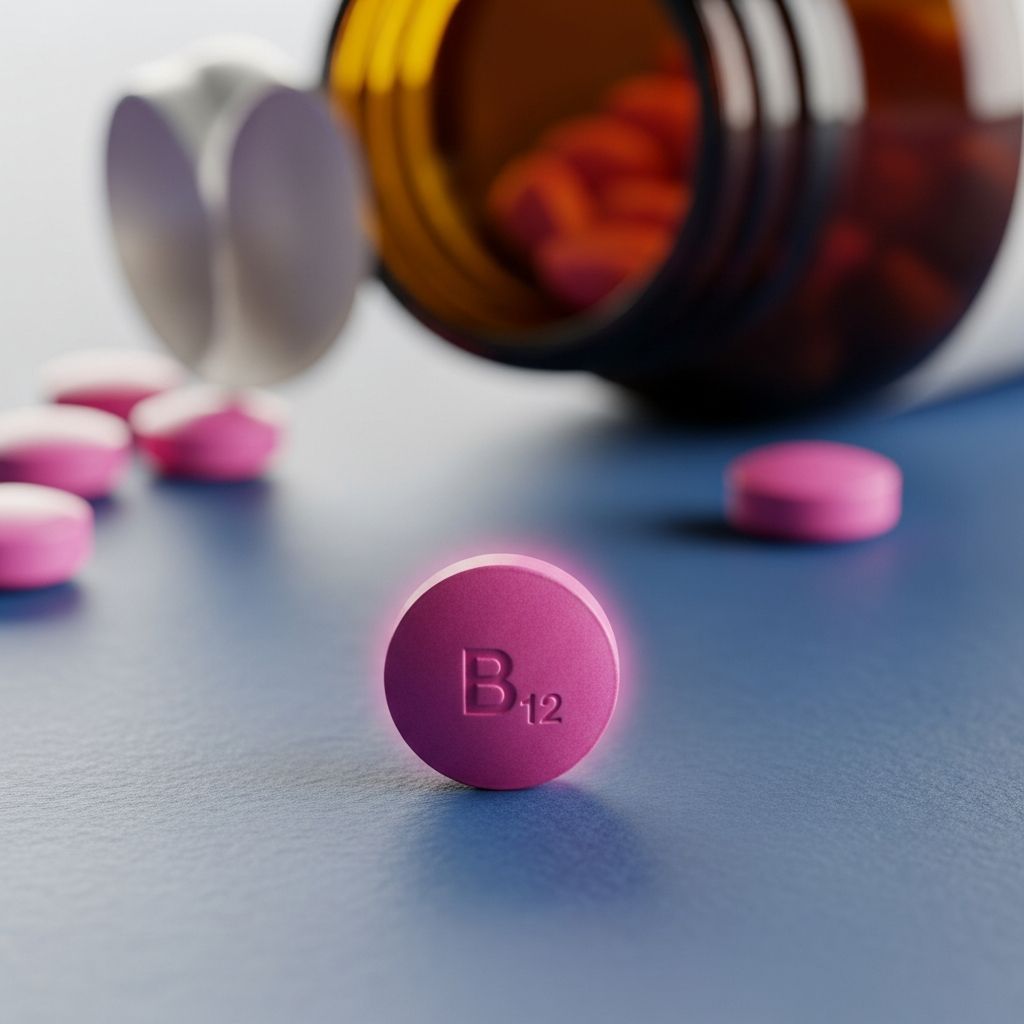
Vitamin B12 is one of the most talked-about vitamins in the health and wellness community, with many people considering supplements to boost energy, improve mood, or support overall health. However, the question of whether you actually need a B12 supplement is more nuanced than marketing claims suggest. Understanding your individual circumstances and nutritional needs is essential to making an informed decision about B12 supplementation.
Understanding Vitamin B12 and Its Role
Vitamin B12, also known as cobalamin, is a water-soluble vitamin that plays several critical roles in your body. It is essential for the formation of red blood cells and DNA synthesis, and it is particularly important for the function and development of brain and nerve cells. Without adequate B12, your body cannot produce healthy red blood cells, which can lead to anemia and various neurological complications.
The body does not naturally produce B12, so you must obtain it from food sources or supplements. Animal-based foods are the primary natural source of B12, including meat, fish, dairy products, and eggs. Some plant-based foods are fortified with B12, making it possible for vegetarians and vegans to meet their needs through careful dietary planning or supplementation.
How Your Body Absorbs Vitamin B12
The absorption process for B12 is complex and involves multiple steps. When you consume B12 from food, it binds to proteins in the food. In your stomach, hydrochloric acid and enzymes work to unbind the B12 into its free form. The B12 then combines with a protein called intrinsic factor, which acts as a transport mechanism to allow absorption in the small intestine. This intrinsic factor is essential—without it, B12 cannot be properly absorbed, no matter how much you consume.
Supplements and fortified foods contain B12 in its free form, meaning they may be more easily absorbed compared to B12 from whole foods, as they do not require the unbinding process. This is why supplementation can be particularly beneficial for individuals with absorption issues.
Recommended Daily Amounts
The Recommended Dietary Allowance (RDA) for vitamin B12 is straightforward: adults aged 14 years and older need 2.4 micrograms (mcg) daily. For pregnant women, the requirement increases to 2.6 mcg daily, and for lactating women, it rises to 2.8 mcg daily. These modest amounts are easily obtained through a balanced diet that includes animal products or fortified foods.
To put this in perspective, just three ounces of tuna provides all the B12 you need for an entire day, and two eggs provide half of the recommended daily amount. This means most people who consume animal products regularly are likely meeting their B12 needs without supplementation.
Who Should Consider B12 Supplements
While most healthy people obtain adequate B12 from their diet, certain groups have an elevated risk of deficiency and should consider supplementation or increased monitoring:
Older Adults (Age 65+)
As people age, their ability to absorb B12 from food sources may decline due to decreased stomach acid production. However, seniors can typically absorb B12 from fortified foods and supplements effectively, as these do not require stomach acid for absorption.
Vegetarians and Vegans
Since B12 is naturally found only in animal products, vegetarians and vegans must rely on fortified foods or supplements to meet their B12 requirements. Without deliberate dietary planning or supplementation, these populations face a higher risk of deficiency.
People with Gastrointestinal Disorders
Conditions such as Crohn’s disease and celiac disease negatively impact the digestive tract and can impair B12 absorption. People with these conditions may require supplementation or injections to maintain adequate B12 levels.
People Who Have Had Intestinal Surgery
Surgeries affecting the stomach (where intrinsic factor is produced) or the ileum (the final portion of the small intestine where B12 is absorbed) can significantly increase the risk of B12 deficiency. These individuals often require ongoing supplementation.
People Taking Certain Medications
Several medications can interfere with B12 absorption or metabolism. Metformin, commonly prescribed for type 2 diabetes, is strongly associated with B12 deficiency and lower folic acid levels. Proton pump inhibitors and histamine blockers, used to reduce stomach acid, are also associated with lower B12 levels. Individuals using these medications long-term should consult with their healthcare provider about monitoring and potential supplementation.
Signs and Symptoms of B12 Deficiency
B12 deficiency can develop gradually over years, and symptoms may not appear immediately. Common signs include fatigue, pale skin, numbness or tingling in the hands or feet, and confusion. In more severe cases, untreated B12 deficiency can lead to nerve damage, ataxia (difficulty with walking and balance), pernicious anemia, heart failure, and even gastric cancer.
If you experience any of these symptoms, it is important to consult with a healthcare provider for blood testing rather than self-treating with supplements. A blood test can definitively determine whether you have a B12 deficiency and guide appropriate treatment.
Types of B12 Supplements
The market offers a variety of B12 supplements with different forms and delivery methods. Common options include oral tablets, sublingual tablets (placed under the tongue for absorption through mouth tissues), and injections. While some manufacturers claim that sublingual or liquid forms have superior absorption compared to traditional tablets, research has not demonstrated a clinically significant difference between these forms.
It is important to note that while B12 tablets are available in high dosages far exceeding the RDA, these high amounts do not necessarily translate to increased absorption. Adequate intrinsic factor must also be present for proper absorption. In cases of severe B12 deficiency caused by inadequate intrinsic factor (such as pernicious anemia), doctors typically prescribe B12 injections administered into the muscle. Oral administration of high-dose vitamin B12 (1 to 2 mg daily) has been shown to be as effective as intramuscular administration for correcting anemia and neurologic symptoms in some cases.
Health Claims About B12 Supplements
B12 supplements are heavily marketed for numerous health claims, from weight loss to improved fertility to enhanced cognitive function. However, it is crucial to distinguish between claims supported by evidence and marketing hype.
Energy and Mood
One of the most common claims is that B12 supplements boost energy and improve mood. The reality is more nuanced: B12 can improve energy, concentration, memory, and mood, but only in individuals with an existing B12 deficiency. There is no clinical evidence that B12 supplements boost energy in people who already have adequate B12 stores. However, people with a B12 deficiency may experience a noticeable rise in energy levels after supplementation because the vitamin is directly involved in making healthy blood cells.
Cardiovascular Health
Vitamin B12 is involved in the breakdown of homocysteine, an amino acid. High homocysteine levels are associated with an increased risk of heart disease and stroke, as elevated levels may promote blood clot formation, increase free radical cells, and impair normal blood vessel function. A lack of adequate B12 can increase homocysteine levels. While epidemiological studies have shown that B12 supplementation can decrease homocysteine levels, they have not consistently demonstrated a decreased risk of cardiovascular events. Therefore, the American Heart Association does not advocate for routine B vitamin supplementation for reducing cardiovascular disease risk in the general population. However, B12 supplements can be important for individuals with genetic variants that lead to high homocysteine levels.
Weight Loss
B12 is often marketed as a weight loss aid, but there is no scientific evidence supporting this claim. If megadoses of B12 show any benefit for weight loss, it is likely due to a placebo effect.
Fertility and Infertility
B12 has been shown to improve sperm motility, but B12 supplements are unlikely to help with fertility issues if no deficiency exists. Like other B12 benefits, fertility improvements are primarily seen in individuals with documented B12 deficiency.
Eye Health
Some studies have suggested that adding folic acid, B6, and B12 together may reduce the chance of age-related macular degeneration, an eye condition that worsens over time. However, this research is limited, and more evidence is needed.
B12 Safety and Toxicity
One advantage of B12 supplementation is its excellent safety profile. Because B12 is a water-soluble vitamin, any unused amount is excreted through the urine. Generally, up to 1,000 mcg daily of an oral B12 tablet is considered safe for treating deficiency. The Institute of Medicine states that no adverse effects have been associated with excess vitamin B12 intake from food and supplements in healthy individuals.
However, it is important not to start any high-dosage supplement without first consulting with your healthcare provider. While B12 itself is safe, your doctor needs to understand your complete health picture and medication regimen to ensure supplementation is appropriate.
Determining If You Need a B12 Supplement
The decision to take a B12 supplement should be based on your individual circumstances rather than marketing claims. Consider the following approach:
Step 1: Assess Your Risk Factors
Evaluate whether you fall into any high-risk categories, such as being over 65, vegetarian or vegan, having a gastrointestinal disorder, having had intestinal surgery, or taking medications that interfere with B12 absorption.
Step 2: Evaluate Your Diet
If you regularly consume animal products or fortified foods, you may be obtaining adequate B12 through diet alone. A nutritionist can help assess your dietary B12 intake.
Step 3: Consult Your Healthcare Provider
If you belong to any high-risk groups, talk to your doctor about a blood test to assess your B12 levels. If a deficiency is identified, your doctor can recommend appropriate treatment, which may include dietary modifications, supplements, or injections depending on the severity and cause of the deficiency.
Step 4: Consider Fortified Foods First
If supplementation is recommended, starting with fortified foods is often a good first step. Many breakfast cereals, breads, and grains are fortified with B12, providing an easy dietary source.
Treatment Approaches for B12 Deficiency
If you are diagnosed with B12 deficiency, your healthcare provider will recommend an appropriate treatment plan. Initial supplementation may involve doses as high as 500 mcg, which is then lowered to a maintenance dose of 100-200 mcg. For individuals without adequate intrinsic factor, B12 injections may be necessary.
Common Myths About B12
Several misconceptions surround B12 supplementation. One persistent myth is that B12 supplements provide an energy boost to anyone who takes them. In reality, benefits are limited to people with actual deficiency. Another myth is that high-dose supplements are always better than lower doses. Since absorption depends on intrinsic factor availability, megadoses do not guarantee increased absorption.
Frequently Asked Questions
Q: How can I tell if I have a B12 deficiency?
A: Symptoms may include fatigue, pale skin, numbness or tingling, and confusion, but the only definitive way to determine deficiency is through a blood test ordered by your healthcare provider.
Q: Are B12 injections better than oral supplements?
A: For most people, high-dose oral B12 supplements are as effective as injections for correcting deficiency. Injections are typically reserved for people who cannot absorb B12 orally due to lack of intrinsic factor.
Q: Can I take too much B12?
A: B12 is water-soluble and excess amounts are excreted in urine. High doses are considered safe, though you should consult your doctor before starting supplementation.
Q: Will B12 supplements help me lose weight?
A: There is no scientific evidence that B12 supplements aid weight loss in people without a deficiency. Any perceived benefit is likely a placebo effect.
Q: Do vegetarians definitely need B12 supplements?
A: Vegetarians can meet B12 needs through fortified foods or supplements. While not all vegetarians necessarily need supplements if they consume adequate fortified foods, supplementation is often recommended for safety and convenience.
References
- Vitamin B12 — Harvard T.H. Chan School of Public Health, The Nutrition Source. 2024. https://nutritionsource.hsph.harvard.edu/vitamin-b12/
- The Myths and Truths of Vitamin B12 — WebMD. https://www.webmd.com/diet/features/b12-truths-myths
- Vitamin B12 Deficiency — Merck Manual. https://www.merckmanuals.com/home/hormonal-and-metabolic-disorders/vitamins/vitamin-b12-deficiency
- Vitamin B12 (Cobalamin) — Mount Sinai Department of Medicine. https://www.mountsinai.org/health-library/supplement/vitamin-b12-cobalamin
- Office of Dietary Supplements: Vitamin B12 — National Institutes of Health. 2024. https://ods.od.nih.gov/factsheets/VitaminB12-HealthProfessional/
- Vitamin B12 Deficiency Can Be Sneaky, Harmful — Harvard Medical School. https://www.health.harvard.edu/staying-healthy/vitamin-b12-deficiency-can-be-sneaky-harmful
Similar Articles








Read full bio of Sneha Tete