Walk Before Or After Eating: Research-Backed Health Guide
Discover the optimal timing for walking around meals to boost blood sugar control, aid digestion, and support weight loss efforts effectively.

Walking is a simple, accessible form of exercise with numerous health benefits, but timing it around meals can significantly influence its effectiveness for blood sugar control, digestion, and weight management. Research indicates that walking shortly after eating—ideally within 30 minutes—offers superior advantages for lowering post-meal blood sugar spikes compared to walking before meals or delaying exercise by an hour. This approach leverages muscle activity to consume glucose immediately when levels peak, preventing insulin surges and supporting metabolic health.
What Does the Research Say?
Scientific studies consistently highlight the benefits of post-meal walking. A study published in the International Journal of General Medicine found that brisk 30-minute walks immediately after lunch and dinner resulted in greater weight loss than the same duration of walking started one hour post-meal. Participants, including the author who lost nearly 3 kg in one month, experienced no discomfort and saw reduced blood sugar (BS) excursions, with ΣΔBS levels 36% lower when walking right after eating. Blood sugar peaks 30-60 minutes after meals in healthy individuals, making immediate walking optimal to blunt this rise before insulin acts as an ‘obesity hormone.’
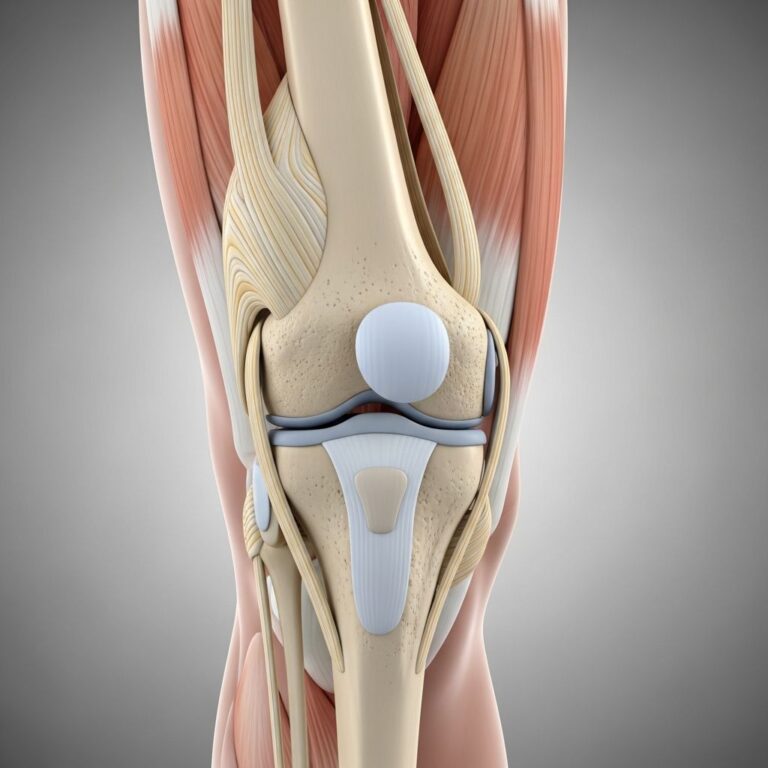
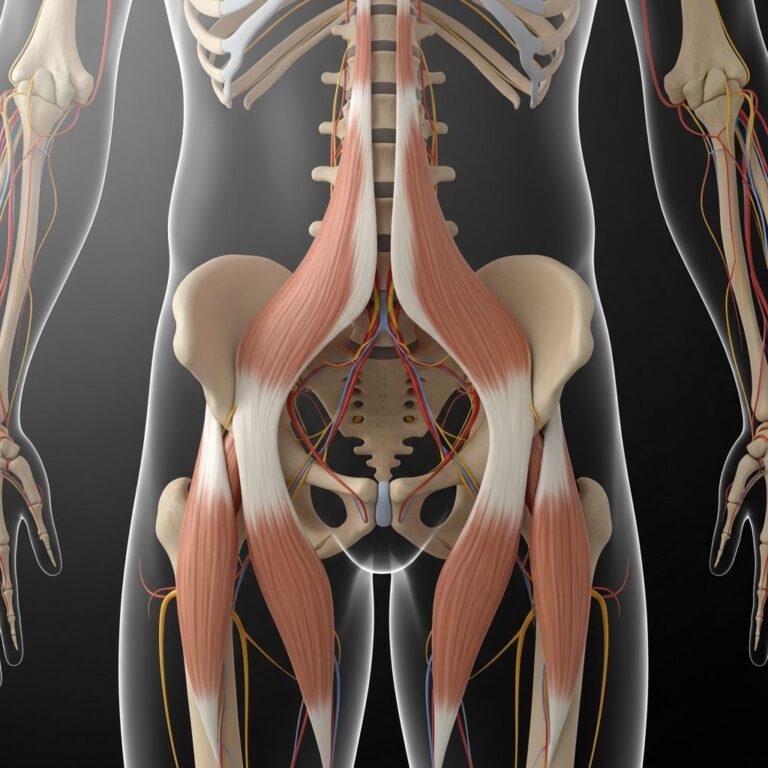
Similarly, UCLA Health reports affirm that even short walks after meals help manage blood sugar in prediabetes and diabetes cases. A brief walk activates large muscle groups like the glutes, hamstrings, quadriceps, and latissimus dorsi, which uptake glucose and smooth out spikes, reducing cardiovascular risks associated with repeated elevations. Pre-meal walking, while beneficial for general fitness, does not target postprandial glucose peaks as effectively.
Benefits of Walking After Eating
Post-meal walking provides targeted metabolic advantages:
- Blood Sugar Regulation: Limits glucose peaks by 64% compared to no walking, with immediate post-meal exercise showing markedly lower ΣΔBS (153.8 ± 9.4 mg/dL) versus delayed walking (185.8 ± 10.4 mg/dL, P < 0.001).
- Weight Loss Support: More effective than walking between meals or 60 minutes post-meal; one trial showed 3 kg loss in a month with brisk post-lunch/dinner walks.
- Reduced Insulin Response: Prevents excessive insulin secretion triggered by unchecked BS rises, mitigating fat storage.
- Cardiovascular Protection: Gradual BS changes lower risks of Type 2 diabetes progression, heart disease, stroke, and organ damage in prediabetes.
Even standing post-meal yields modest benefits, but walking’s muscle engagement amplifies glucose disposal.
Benefits of Walking Before Eating
While less optimal for post-meal glucose control, pre-meal walking has its merits:
- Appetite Regulation: May reduce hunger by stabilizing energy levels before food intake.
- Fasting State Fat Burning: Enhances fat oxidation during low-insulin periods, potentially aiding long-term weight management.
- Improved Meal Tolerance: Prepares muscles for better glucose uptake during and after eating.
However, it misses the critical window for blunting acute BS spikes, making it secondary to post-meal timing for glycemic health.
Is There a ‘Best’ Time to Walk Relative to Meals?
The evidence favors walking after eating, particularly 10-30 minutes post-meal at a brisk pace. This timing aligns with peak BS (30-60 minutes after eating), allowing exercise to consume glucose before maximal insulin release. Delaying until 60 minutes post-meal reduces efficacy, as BS begins declining naturally. For optimal results:
Related Stories



- Walk 30 minutes after lunch and dinner daily.
- Aim for brisk speed if tolerated; even strolling yields benefits.
- Combine with prediabetes management strategies like diet.
Pre-meal walks suit morning routines or when post-meal discomfort arises, but they are not superior for BS control.
Potential Downsides and Precautions
Not everyone tolerates post-meal walking equally:
| Concern | Details | Mitigation |
|---|---|---|
| Abdominal Discomfort | Some report fatigue, stomach ache, or indigestion from immediate walking. | Start with short 5-10 minute walks; test tolerance gradually. |
| Digestion Interference | May slow gastric emptying in sensitive individuals. | Opt for light strolls; avoid vigorous activity if symptomatic. |
| Hypoglycemia Risk | Rare in non-diabetics; monitor if on glucose-lowering meds. | Consult physician for diabetes/prediabetes cases. |
For those without issues, benefits outweigh risks. Always listen to your body and consult healthcare providers, especially with conditions like GERD or diabetes.
How Long and How Fast Should You Walk After Eating?
Duration: 10-30 minutes suffices; studies show 30 minutes post-meal brisk walking maximizes BS control and weight loss. Even 5-minute walks reduce spikes.
Intensity: Brisk pace (e.g., 3-4 mph) for optimal glucose use, but moderate strolling works for beginners.
Tips:
- Walk outdoors or on a treadmill post-meal.
- Pair with balanced meals to enhance effects.
- Track BS if prediabetic for personalized insights.
Who Benefits Most from Post-Meal Walking?
- Prediabetes/Type 2 Diabetes: Prevents progression by managing spikes.
- Weight Loss Seekers: Proven for greater fat loss vs. delayed walking.
- Sedentary Individuals: Low-barrier entry to activity.
- Cardiovascular Risk Groups: Lowers chronic elevation risks.
Healthy individuals gain preventive benefits too.
Sample Post-Meal Walking Routine
| Meal | Walk Start | Duration | Pace |
|---|---|---|---|
| Breakfast | 10-15 min after | 10-20 min | Moderate |
| Lunch | Immediately | 30 min | Brisk |
| Dinner | Immediately | 30 min | Brisk |
Adjust based on tolerance; consistency is key.
Frequently Asked Questions (FAQs)
What happens if I walk right after eating?
Most experience lowered blood sugar peaks and no discomfort; studies confirm weight loss benefits without fatigue for tolerant individuals.
Does blood sugar rise again after a post-meal walk?
Yes, but rises are gradual and less extreme, reducing health risks compared to sedentary post-meal sitting.
Can I walk before meals instead?
It’s beneficial for fat burning but less effective for post-meal glucose control than after.
How soon after eating should I walk?
As soon as possible, ideally within 10-30 minutes, to catch the BS peak.
Is post-meal walking safe for diabetics?
Generally yes, but monitor levels and consult doctors, especially on medications.
References
- Walking just after a meal seems to be more effective for weight loss than waiting for one hour to walk after a meal — K. Katsuki. 2011-06-09. https://pmc.ncbi.nlm.nih.gov/articles/PMC3119587/
- Walking after a meal helps keep blood sugar in check — UCLA Health. 2023 (approx., recent access). https://www.uclahealth.org/news/article/walking-after-meal-helps-keep-blood-sugar-check
Similar Articles








Read full bio of Sneha Tete