Should You Wear a Face Mask if You Have a Cold This Winter?
Discover if wearing a face mask when you have a cold can protect others and limit winter virus spread effectively.
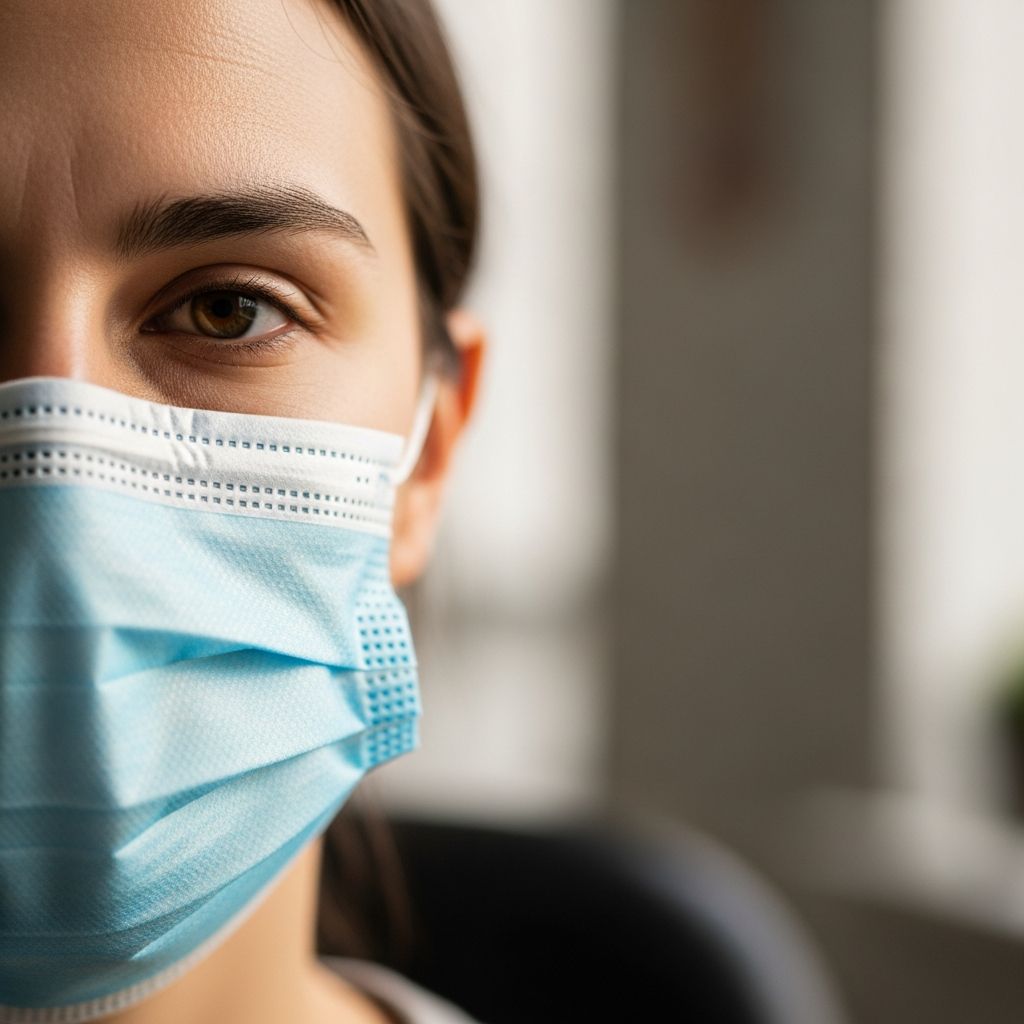
Wearing face masks became a staple during the COVID-19 pandemic to curb respiratory virus transmission. As winter brings surges in colds, flu, and other illnesses, many wonder if masks remain useful for everyday infections like the common cold. This article examines the evidence, expert opinions, and practical advice on masking when symptomatic.
Peer-reviewed insights from clinicians like Dr. Sarah Jarvis MBE, FRCGP, and contributions from experts such as Dr. Tom Micklewright highlight how masks reduce droplet spread from infected individuals. Even post-mandates, voluntary masking protects vulnerable groups and communities during peak cold season.
What are the benefits of wearing a face mask?
Face masks primarily benefit others by blocking respiratory particles exhaled during breathing, talking, coughing, or sneezing. Many infections, including COVID-19, influenza, and common colds, spread via these droplets, which can contain viruses even from asymptomatic carriers.
Dr. Tom Micklewright notes: “When we are infected, whether or not we know about it, wearing a mask appears to reduce our likelihood of passing that infection on to others.” Studies confirm masks substantially limit droplet escape. For instance, research using particle image velocimetry showed masks block a high percentage of sneeze and cough droplets, with effectiveness varying by type—cloth masks wetted with water outperformed dry surgical masks in some tests, nearly matching N95 performance.
- Droplet reduction: A single cough produces up to 3,000 droplets; masks capture most, preventing airborne spread.
- Source control: Masks excel at protecting others from the wearer, less so for wearer protection.
- Layered defense: Combining masks with handwashing and distancing amplifies benefits.
World Health Organization (WHO) and Centers for Disease Control and Prevention (CDC) endorse masking for source control, especially by symptomatic individuals. In winter, when indoor gatherings increase, this courtesy significantly lowers community transmission rates.
Why might some people think face masks are no longer necessary?
With COVID-19 vaccines widespread and mandates lifted, mask-wearing has declined. Many perceive the pandemic as over, viewing masks as unnecessary for milder illnesses like colds. Fatigue from prolonged use, discomfort in warm settings, and doubts about efficacy against non-COVID viruses contribute to this view.
However, seasonal respiratory infections persist. Winters see spikes in rhinovirus (common cold), influenza, and respiratory syncytial virus (RSV), all droplet-transmitted similarly to SARS-CoV-2. Dismissing masks ignores their broad-spectrum utility. Public complacency risks outbreaks, particularly affecting the elderly, immunocompromised, and young children.
| Reason for Skepticism | Counter-Evidence |
|---|---|
| Vaccines make masks obsolete | Vaccines reduce severity but not transmission; masks add protection |
| Colds are mild | Vulnerable people face complications; hard to distinguish from flu/COVID |
| Discomfort and fogging | Better-fitting designs and materials improve tolerability |
Should we still wear masks if we have a cold this winter?
Yes, wearing a mask when symptomatic with a cold is advisable, especially in shared indoor spaces. It limits spread beyond your household, safeguarding vulnerable individuals like those with weakened immune systems. Colds stem from rhinoviruses and other pathogens transmitted via respiratory particles from breathing, speaking, or coughing—precisely what masks block.
Related Stories



A conversation alone disperses thousands of invisible droplets; masks mitigate this risk. Critically, distinguishing a cold from flu or COVID-19 is challenging without testing. Dr. Micklewright advises: “If you think you have a cold, it’s better to err on the side of caution. Wear a mask and, if you have a cough, fever or a loss of smell or taste, stay at home and book a COVID-19 PCR test.”
- High-risk settings: Public transport, shops, healthcare waiting rooms.
- Duration: Mask until symptoms resolve, typically 7-10 days for colds.
- Types recommended: Well-fitted surgical or multi-layer cloth; N95 for higher protection.
For those with angina or cold sensitivity, masks or scarves warm inhaled air, easing symptoms. Evidence supports masking as a simple, low-cost intervention during winter peaks.
What other infections or illnesses might a face mask prevent the spread of?
Masks curb numerous airborne infections beyond colds. Proven effective against influenza, SARS, whooping cough (pertussis), and mumps. In theory, any respiratory droplet-spread pathogen benefits, including RSV and coronaviruses causing non-COVID illnesses.
Additional perks include pollen filtration for hay fever sufferers. A study verified masks prevent droplet transmission in face-to-face scenarios, with escape percentages low for fitted masks (e.g., <1% for N95, higher but significant for cloth).
- Influenza: Reduces spread, complementing vaccines.
- Pertussis (whooping cough): Highly contagious via droplets.
- Mumps: Airborne transmission limited by masking.
- RSV: Critical for protecting infants.
Masks form part of hygiene etiquette, akin to covering coughs with tissues.
Is it good practice to continue wearing masks in future if we get sick?
Absolutely—adopting “mask when sick” as norm promotes public health. Dr. Micklewright envisions no return to pre-pandemic crowding without precautions: “I certainly think masks are good practice going forwards. It’s hard to imagine returning to a world where people might be packed, coughing and sneezing, into a bus station or waiting room without any hygiene measures.”
However, masks are one tool. Integrate with:
- Hand hygiene: Frequent washing or sanitizing, as droplets linger on surfaces.
- Tissue use: Cover coughs/sneezes, dispose immediately.
- Vaccinations: Flu and COVID-19 shots reduce severe illness risk.
- Stay home: If feverish or highly symptomatic.
Comfort tips: Choose breathable cotton multi-layers passing the “light test” (minimal light through fabric); mold nose wires to prevent fogging; wash at 60°C. Fitted masks maximize efficacy without discomfort.
Frequently Asked Questions (FAQs)
Q: Do face masks protect me from catching a cold?
A: Primarily source control for others, but fitted masks offer some wearer protection by blocking incoming droplets.
Q: How effective are cloth masks compared to surgical ones?
A: Cloth multi-layers effective for source control; wet cloth can outperform dry surgical in droplet blocking.
Q: Should children wear masks for colds?
A: For ages 2+ in high-risk settings, with supervision; consult pediatric guidelines.
Q: Can masks help with winter allergies?
A: Yes, they filter pollen, reducing hay fever symptoms.
Q: How often should I replace or wash my mask?
A: Wash reusable after each use at 60°C; dispose single-use when damp or damaged.
This practice fosters a considerate, healthier society, especially amid evolving respiratory threats.
References
- Should you wear a face mask if you have a cold this winter? — Patient.info, peer-reviewed by Dr Sarah Jarvis MBE, FRCGP. 2021-11-23. https://patient.info/features/infections/should-you-wear-a-face-mask-if-you-have-a-cold-this-winter
- How to protect your heart during the winter — Patient.info. Accessed 2026. https://patient.info/features/heart-health/how-to-protect-your-heart-during-the-winter
- How to make face masks and coverings more comfortable — Patient.info. Accessed 2026. https://patient.info/features/covid/how-to-make-face-masks-and-coverings-more-comfortable
- Face masks: Protection from sneeze/cough droplets? Study — PMC (National Library of Medicine). 2020-12-15. https://pmc.ncbi.nlm.nih.gov/articles/PMC7757609/
Similar Articles








Read full bio of Sneha Tete