Workout When Sore: 5 Safe Active Recovery Options
Expert advice on exercising with sore muscles, understanding DOMS, safe recovery strategies, and when to rest for optimal fitness gains.
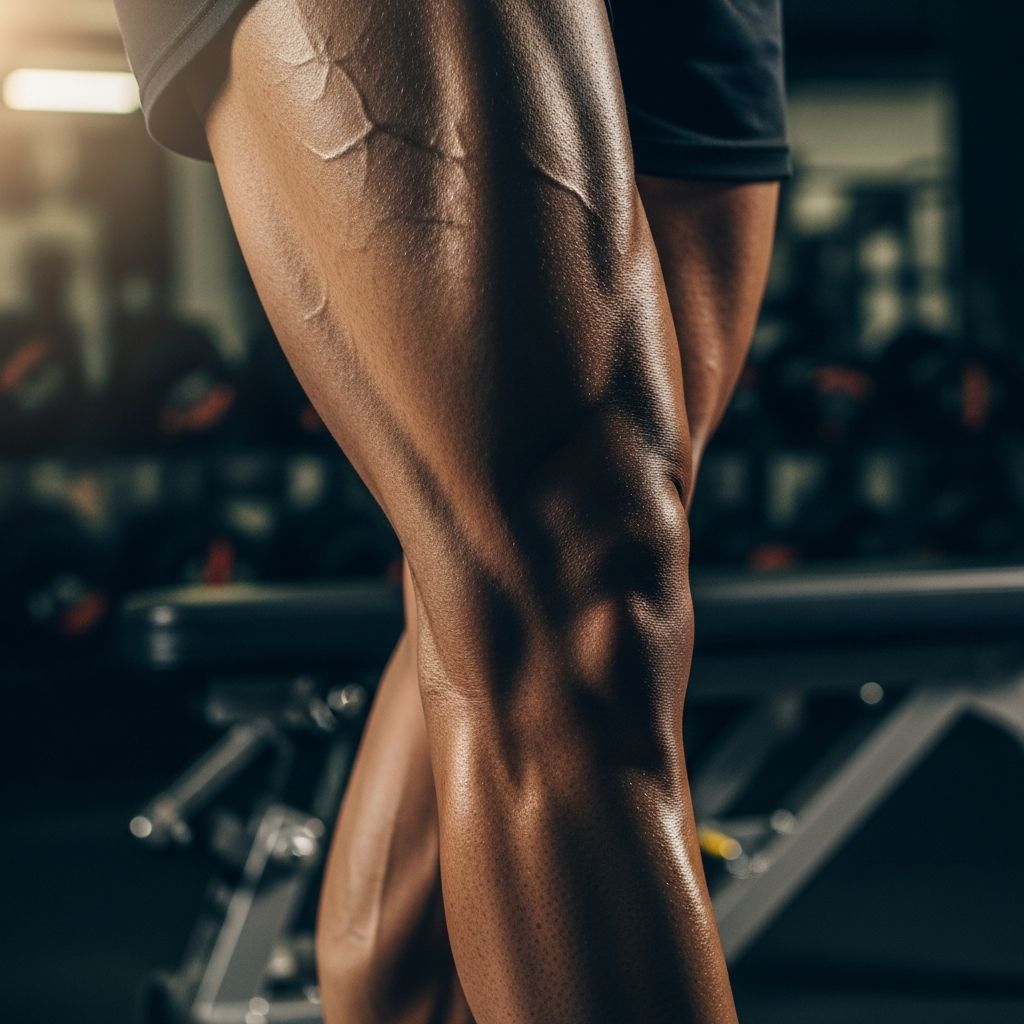
Muscle soreness after a workout is common and often signals adaptation, but knowing when to push through or rest is key to progress without injury. Most experts agree it’s generally safe—and beneficial—to engage in light activity when sore, as it promotes blood flow and recovery, rather than complete rest which can worsen stiffness.
What Causes Muscle Soreness?
Muscle soreness falls into two main categories: acute soreness during exercise from metabolite buildup, and
delayed onset muscle soreness (DOMS)
, which peaks 24-72 hours post-workout due to microtears in muscle fibers from novel or intense activities like strength training, downhill walking, or jumping.DOMS arises as muscles repair these microtears, rebuilding stronger—like patching a road with reinforced materials. This process delivers oxygen-rich blood, reduces inflammation, and builds resilience, making soreness a positive sign of progress, not damage.
Activities most prone to trigger DOMS include strength training, jogging, step aerobics, and eccentric movements (lengthening under tension). As your body adapts, soreness lessens, but first-timers or those ramping up intensity feel it most.
Should You Workout When Sore?
Yes, in most cases, you should workout lightly when sore. Physical therapist Laura Plankis, PT, DPT, emphasizes that movement increases blood flow to sore areas, aiding nutrient delivery and nervous system adaptation, making your body less sensitive over time.
However, avoid high-intensity repeats of the soreness-causing workout, as this can delay recovery or heighten pain. Opt for modifications: rest upper body while training lower, or swap weights for bodyweight stretches. If soreness escalates to severe pain, swelling, or limits daily function, pause and recover.
- Mild/moderate soreness: Proceed with low-impact activities.
- Severe soreness: Reduce intensity or switch muscle groups.
- Progression tip: Gradually increase load to minimize future DOMS.
Movement for Muscle Soreness
Active recovery trumps total rest. Low-intensity movement keeps tissues flexible, prevents stiffening, and accelerates healing. Examples include yoga, tai chi, swimming, easy cycling, or elliptical at moderate pace.
Prioritize dynamic warm-ups (leg swings, arm circles) to gently mobilize sore muscles before activity. Throughout the day, avoid prolonged sitting—frequent movement builds resilience against soreness.
Active Recovery Workout Ideas
| Activity | Benefits | Duration |
|---|---|---|
| Walking or light jogging | Increases blood flow, reduces stiffness | 20-30 min |
| Yoga or dynamic stretching | Improves flexibility, eases tension | 15-45 min |
| Swimming | Low-impact, full-body circulation | 20-40 min |
| Cycling (easy pace) | Cardio without joint stress | 20-30 min |
| Tai chi | Mindful movement for recovery | 10-20 min |
How to Relieve Sore Muscles
Combine movement with proven therapies for faster relief. Research supports these strategies to combat DOMS:
- Heat or ice therapy: Heat pre-workout boosts blood flow; ice post reduces inflammation. Alternate for best results.
- Massage: Post-workout massage or massage gun eases DOMS symptoms by breaking up knots.
- Foam rolling: Self-myofascial release pre- and post-exercise decreases soreness; one study showed significant DOMS reduction.
- Stretching: Dynamic stretches aid recovery, but static stretching shows minimal impact on soreness reduction per meta-analysis (only 2% average decrease).
- Nutrition: Antioxidant-rich foods (berries, nuts) and hydration support repair; consider cherries or tart juice for anti-inflammatory effects.
Related Stories



A sample recovery routine: 10 min foam rolling, 20 min walk, heat pack, followed by protein-rich meal.
Preventing Muscle Soreness
Proactive steps reduce DOMS incidence:
- Warm-up properly: 5-10 min light cardio + dynamic stretches prepare muscles.
- Progressive overload: Increase intensity gradually (10% rule weekly) to build tolerance.
- Cool-down: Static stretches post-workout, though evidence on soreness prevention is weak.
- Recovery habits: Sleep 7-9 hours, stay hydrated, incorporate rest days.
- Cross-training: Vary workouts to avoid overuse of same groups.
As adaptation occurs, DOMS fades, but always listen to your body—pushing through escalating pain risks overtraining and injury.
When to Rest Sore Muscles
Not all soreness warrants activity. Red flags include:
- Sharp pain vs. dull ache.
- Swelling, bruising, or asymmetry.
- Pain persisting >72 hours or worsening.
- Limited range of motion affecting daily tasks.
Overtraining from chasing soreness leads to fatigue, injury, and plateaus. Track progress via strength gains, not pain. Consult a doctor for persistent issues.
Frequently Asked Questions (FAQs)
Is it bad to workout when sore?
No, light movement helps recovery by boosting circulation. Avoid intense sessions on the same muscles.
How long does DOMS last?
Typically 24-72 hours, peaking at 48. It shortens with adaptation.
Does soreness mean a good workout?
Not necessarily—it’s from novelty/intensity, not effectiveness. Track reps/weight for true progress.
Should I stretch sore muscles?
Dynamic yes; static has limited evidence for soreness relief.
Can foam rolling help DOMS?
Yes, research shows it reduces symptoms effectively.
Building a Soreness-Smart Routine
Integrate these principles: Alternate hard/easy days, monitor soreness on a 1-10 scale (1-4: train; 5-7: light active recovery; 8+: rest). Long-term, consistent training minimizes DOMS, enhancing enjoyment and sustainability.
For personalized plans, consult physical therapists like those at Hinge Health.
References
- Should I Work Out with Sore Muscles? — Hinge Health. 2023. https://www.hingehealth.com/resources/articles/should-i-work-out-with-sore-muscles/
- Working out when sore: Tips, benefits, and risks — Medical News Today. 2023-10-18. https://www.medicalnewstoday.com/articles/326892
- Stretching Before and After Exercise: Effect on Muscle Soreness and Risk of Injury — PMC (PubMed Central). 2005-09. https://pmc.ncbi.nlm.nih.gov/articles/PMC1250267/
- Does Muscle Soreness Mean You’ve Had a Good Workout? — Men’s Health. 2024. https://www.menshealth.com/fitness/a69821396/sore-muscles-after-workout/
Similar Articles








Read full bio of medha deb