Shoulder Dystocia: Causes, Symptoms, and Treatment
Understanding shoulder dystocia: risks, emergency management, and recovery outcomes for newborns.
Understanding Shoulder Dystocia
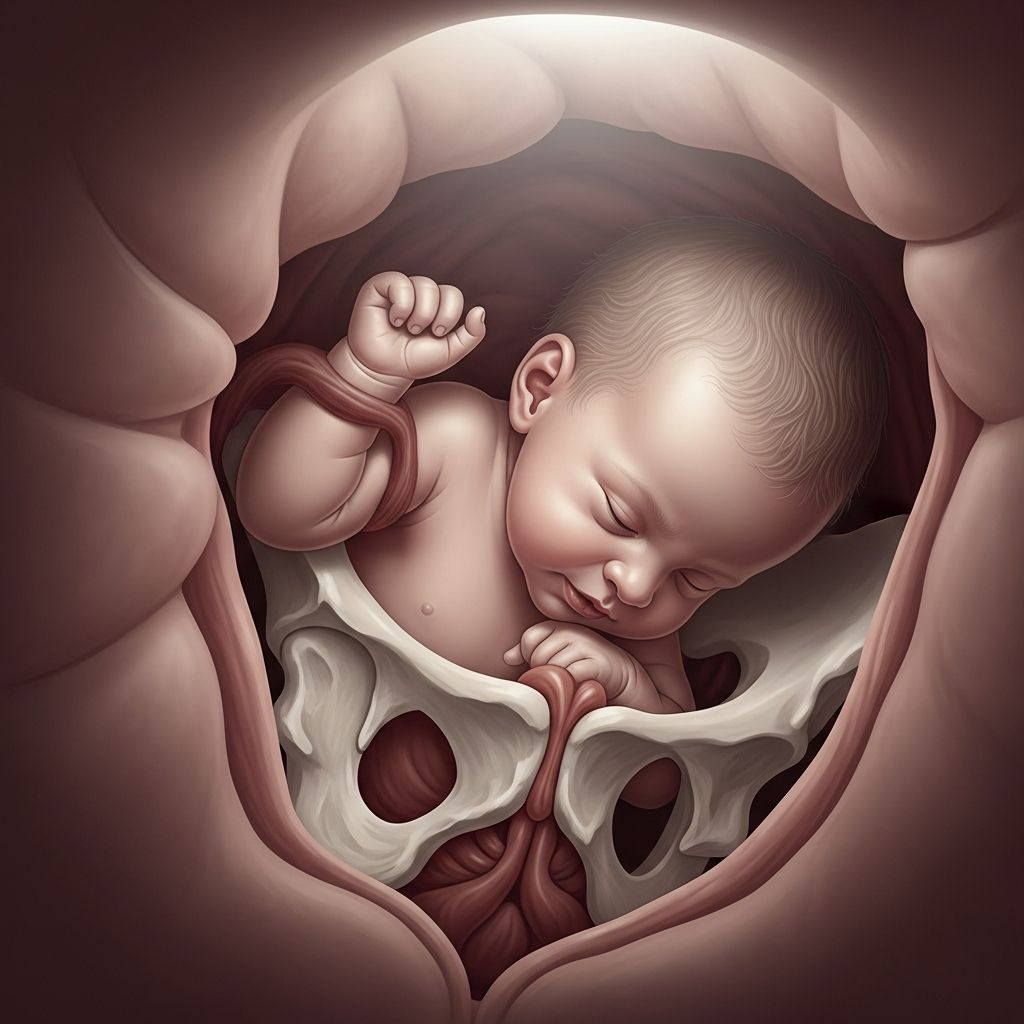
Shoulder dystocia is an obstetric emergency that occurs during childbirth when one or both of a baby’s shoulders become impacted behind the mother’s pubic bone or sacrum (the bone at the back of the pelvis, above the tailbone), preventing normal delivery after the baby’s head has been delivered. This complication typically requires immediate intervention and specialized delivery techniques to ensure the safe delivery of the infant. Shoulder dystocia occurs in approximately 1 in 100 vaginal births, though rates vary based on maternal and fetal risk factors.
The condition is characterized by failure to deliver the fetal shoulders using standard gentle downward traction, necessitating additional obstetric maneuvers to successfully deliver the infant. While shoulder dystocia presents a significant challenge during labor, healthcare providers trained in appropriate management techniques can typically resolve the situation safely.
Causes of Shoulder Dystocia
Shoulder dystocia arises from various anatomical and physiological factors that create a mismatch between fetal size and maternal pelvic dimensions. Understanding these underlying causes helps healthcare providers anticipate and prepare for potential complications.
Fetal Macrosomia
The primary cause of shoulder dystocia is fetal macrosomia, defined as a baby weighing more than 8 pounds 13 ounces (approximately 4 kg) at birth. Larger babies have proportionally bigger shoulders, making them more likely to become wedged behind the mother’s pubic bone or sacrum. The incidence of shoulder dystocia increases dramatically with birth weight, rising to 5-9% in babies weighing more than 8 pounds 13 ounces compared to smaller infants.
Maternal Diabetes
Maternal diabetes significantly increases the risk of shoulder dystocia, with diabetic women experiencing shoulder dystocia risk six times greater than non-diabetic populations. Women with both pre-existing diabetes and gestational diabetes face substantially elevated risk. Diabetes causes elevated glucose levels in the fetus, stimulating excess insulin and insulin-like growth factors, resulting in infants with disproportionately large shoulders, increased abdominal circumference relative to head size, and higher body fat content.
Maternal Body Composition and Weight
Maternal obesity represents a significant risk factor for shoulder dystocia development. According to 2019 research published in the American Journal of Obstetrics and Gynecology, overweight women experience higher rates of shoulder dystocia during childbirth. Excessive weight gain during pregnancy compounds this risk, often contributing to fetal macrosomia.
Maternal Pelvic Anatomy
The size and shape of the maternal pelvis directly influence shoulder dystocia risk. Women with smaller-than-average pelvic openings, abnormal pelvic anatomy, or short stature face increased likelihood of this complication. The maternal pelvis must be sufficiently spacious to accommodate the baby’s shoulders during descent and rotation through the birth canal.
Fetal Position and Presentation
Certain fetal positions during labor increase shoulder dystocia risk. Breech presentations, where the baby’s head faces away from the cervix, create anatomical challenges that predispose to shoulder impaction. Additionally, if the fetal shoulders maintain an anterior-posterior position as they enter the pelvic inlet rather than rotating appropriately, shoulder dystocia becomes more likely.
Related Stories



Birthing Position
The maternal position during delivery significantly influences shoulder dystocia occurrence. When mothers lie flat on their backs during labor, the sacrum may not move properly, reducing available pelvic space for the baby’s shoulders. Conversely, squatting or kneeling on hands and knees positions substantially decrease shoulder dystocia risk by optimizing pelvic dimensions.
Risk Factors for Shoulder Dystocia
While shoulder dystocia can occur unexpectedly in any vaginal delivery, certain maternal, fetal, and labor-related factors significantly increase risk. Healthcare providers use these risk factors to identify high-risk deliveries and prepare appropriate management strategies.
Pre-Labor Risk Factors
Several factors identifiable before labor begins indicate elevated shoulder dystocia risk. These include previous history of shoulder dystocia during prior deliveries, maternal obesity (BMI of 30 or greater), maternal diabetes (both pre-existing and gestational), estimated fetal weight exceeding 4.5 kg, advanced maternal age (over 35 years), and abnormal pelvic anatomy.
Labor-Related Risk Factors
Certain labor characteristics increase shoulder dystocia occurrence. These include induced labor, prolonged labor progression, precipitous delivery (unusually rapid descent preventing appropriate shoulder rotation), and assisted vaginal delivery using forceps or vacuum extraction. Multiple births (twins, triplets, or higher-order multiples) also present elevated risk due to space constraints within the uterus and birth canal.
Neonatal Risk Factors
Infant factors contributing to shoulder dystocia risk include macrosomia (excessive birth weight), larger-than-average shoulder circumference, disproportionately large abdominal circumference relative to head size, and abnormal fetal presentations. Babies born to diabetic mothers demonstrate particular vulnerability due to their unique body composition characteristics.
Symptoms and Signs of Shoulder Dystocia
Shoulder dystocia typically presents acutely during the second stage of labor and requires prompt recognition for appropriate intervention.
Clinical Presentation
The primary clinical indicator of shoulder dystocia is failure to deliver the baby’s shoulders despite application of gentle downward traction following normal head delivery. The characteristic “turtle sign”—retracting of the baby’s head back into the vagina after delivery—is highly suggestive of shoulder dystocia and signals the need for immediate emergency intervention.
Healthcare providers recognize shoulder dystocia by the absence of normal shoulder delivery progression after the fetal head emerges from the birth canal. The infant’s head may appear to draw backward slightly, creating the distinctive turtle head appearance that alerts clinicians to this emergency situation.
Complications of Shoulder Dystocia
Unresolved or improperly managed shoulder dystocia can result in serious complications affecting the newborn, potentially causing permanent disability or death.
Brachial Plexus Injury
The most common complication involves damage to the brachial plexus nerves, which originate at the neck and extend down the arm. Brachial plexus injury may result in Erb’s palsy, causing partial or complete paralysis and weakness in the affected arm and shoulder. Some infants recover normal function spontaneously within weeks, while others experience persistent nerve damage requiring long-term therapy.
Bone Fractures
The trauma associated with shoulder dystocia can fracture the baby’s upper arm bone (humerus) or collarbone (clavicle). While most neonatal fractures heal well with time and minimal intervention, they cause temporary pain and require careful handling during the newborn period.
Umbilical Cord Compression
During shoulder dystocia, the umbilical cord can become compressed between the mother’s pelvic bone and the baby’s arm. This compression restricts blood and oxygen flow to the infant, potentially causing brain injury or fetal death if not promptly relieved through successful shoulder delivery.
Shoulder Dislocation
The force exerted during shoulder dystocia management or the impaction itself can cause shoulder dislocation, typically affecting the posterior (back) arm and anterior (front) shoulder.
Horner’s Syndrome
A rare nerve damage disorder, Horner’s syndrome affects facial appearance and eye function in affected infants, resulting from specific nerve injury patterns during shoulder dystocia.
Diagnosis and Emergency Management
Prompt recognition and appropriate management of shoulder dystocia are critical for preventing serious complications.
Clinical Recognition
Healthcare providers diagnose shoulder dystocia when the baby’s head delivers normally but the shoulders fail to deliver with standard gentle traction. The turtle sign confirms the diagnosis, prompting immediate activation of emergency delivery protocols.
Management Techniques
Obstetric providers employ specific maneuvers to resolve shoulder dystocia. These include the McRoberts maneuver (hyperflexing the mother’s thighs against her abdomen to increase pelvic space), suprapubic pressure (applying downward pressure above the pubic bone to dislodge the anterior shoulder), rotational maneuvers to change the baby’s shoulder diameter within the pelvis, and controlled delivery of the posterior shoulder. In some cases, emergency cesarean section may be necessary if standard techniques fail.
Prevention and Risk Reduction
While shoulder dystocia cannot be reliably predicted or completely prevented, several strategies reduce incidence and prepare healthcare providers for appropriate management.
Antenatal Preparation
Healthcare providers counsel high-risk pregnant women regarding modifiable risk factors. Women with maternal obesity receive guidance on appropriate weight gain during pregnancy, typically 11-20 pounds for obese women. Diabetes management during pregnancy significantly reduces fetal macrosomia and associated shoulder dystocia risk. Ultrasound estimation of fetal weight helps identify macrosomic pregnancies, though estimates carry inherent limitations in accuracy.
Labor Management
Careful labor management includes avoiding excessive augmentation that produces precipitous delivery, as rapid descent prevents adequate shoulder rotation. Positioning encouragement, offering upright or alternative positions such as squatting or hands-and-knees, substantially reduces shoulder dystocia incidence compared to supine positioning.
Provider Training
Healthcare providers managing deliveries require specific training in shoulder dystocia recognition and emergency management techniques. Regular simulation training and obstetric team drills ensure rapid, coordinated response when shoulder dystocia occurs.
Recovery and Outcomes
Recovery outcomes following shoulder dystocia vary based on complication severity and duration of the impaction.
Neonatal Recovery
Infants experiencing uncomplicated shoulder dystocia with prompt successful delivery typically recover without permanent sequelae. Bone fractures usually heal completely within weeks without long-term consequences. Brachial plexus injuries range from mild temporary weakness resolving spontaneously to severe permanent paralysis requiring intensive rehabilitation.
Long-Term Outcomes
The prognosis depends critically on complication type and severity. Most infants recover normal shoulder and arm function, though some experience persistent weakness or limited range of motion. Infants with cord compression-related hypoxic brain injury face the most serious long-term consequences. Early intervention therapy, including physical and occupational therapy, optimizes recovery potential in affected infants.
Frequently Asked Questions
What is the most common risk factor for shoulder dystocia?
Fetal macrosomia (babies weighing more than 8 pounds 13 ounces) represents the highest risk factor for shoulder dystocia. The incidence increases to 5-9% in large babies compared to significantly lower rates in normal-weight infants.
Can shoulder dystocia be predicted before labor?
Shoulder dystocia cannot be reliably predicted, even with known risk factors present. While certain maternal and fetal characteristics increase likelihood, the condition can occur unexpectedly in any delivery. Healthcare providers must remain prepared for shoulder dystocia in all vaginal deliveries.
How long does it take to resolve shoulder dystocia?
Most shoulder dystocia cases resolve within minutes using standard obstetric maneuvers. The goal is prompt delivery within 5 minutes or less to minimize complications, particularly umbilical cord compression and hypoxia.
What are the long-term effects of shoulder dystocia?
Long-term effects depend on complication type and severity. Many infants experience no lasting consequences. Brachial plexus injuries may result in temporary or permanent arm weakness. Cord compression can cause brain injury. Early intervention and rehabilitation optimize outcomes.
Can women who experience shoulder dystocia have vaginal deliveries in future pregnancies?
Women with prior shoulder dystocia face increased recurrence risk in subsequent pregnancies, typically 2-10%. However, vaginal delivery remains possible with appropriate planning, risk assessment, and close monitoring during labor.
Is shoulder dystocia more common with gestational diabetes?
Yes, maternal diabetes (both pre-existing and gestational) significantly increases shoulder dystocia risk. Diabetic women experience 2-6 times greater risk than non-diabetic populations. Careful diabetes management during pregnancy substantially reduces this risk.
References
- Shoulder Dystocia: Causes & Risk Factors — Childbirth Injuries. https://www.childbirthinjuries.com/birth-injury/shoulder-dystocia/causes/
- Shoulder Dystocia — National Center for Biotechnology Information (NCBI) StatPearls. https://www.ncbi.nlm.nih.gov/books/NBK470427/
- Shoulder dystocia – symptoms, causes and treatment — Pregnancy Birth & Baby, Australian Government Department of Health. https://www.pregnancybirthbaby.org.au/shoulder-dystocia
- Shoulder Dystocia: Managing an Obstetric Emergency — American Academy of Family Physicians. 2020-07-15. https://www.aafp.org/pubs/afp/issues/2020/0715/p84.html
- Shoulder dystocia — Royal College of Obstetricians & Gynaecologists (RCOG). https://www.rcog.org.uk/for-the-public/browse-our-patient-information/shoulder-dystocia/
Similar Articles








Read full bio of medha deb