Shoulder Labrum Tear: Causes, Symptoms, and Treatment
Complete guide to shoulder labrum tears: understand symptoms, causes, and effective treatment options.
Shoulder Labrum Tear: Understanding the Condition
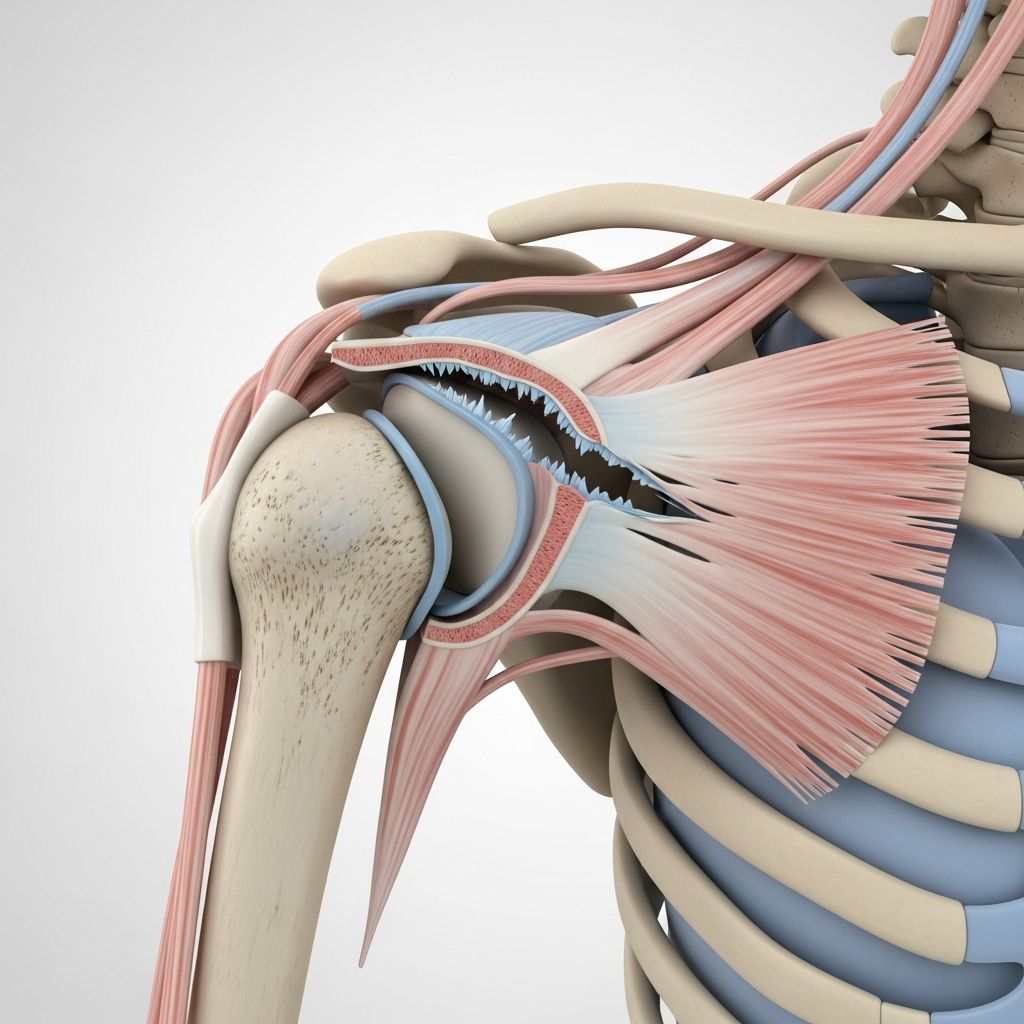
A shoulder labrum tear is an injury to the labrum, a ring of tough cartilage that surrounds the socket of the shoulder joint. The labrum acts as a crucial stabilizing structure, helping to hold the upper arm bone (humerus) in place and maintaining proper shoulder function. When this cartilage becomes damaged or torn, it can lead to pain, instability, and reduced range of motion. Understanding the causes, symptoms, and available treatment options is essential for anyone experiencing shoulder discomfort or those at risk for this condition.
What Is the Labrum?
The labrum is a specialized piece of fibrocartilage that lines the outer edge of the shoulder socket, creating a deeper pocket for the arm bone to fit into. This structure serves multiple important functions: it provides stability to the shoulder joint, acts as an anchor point for ligaments and tendons, helps absorb shock during movement, and contributes to the shoulder’s range of motion. The labrum essentially deepens the socket, allowing for a more stable connection between the arm bone and the shoulder blade while still permitting the wide range of movement the shoulder requires.
Causes of Shoulder Labrum Tears
Shoulder labrum tears can develop through various mechanisms, ranging from acute traumatic events to gradual wear and tear over time. Understanding these causes can help individuals identify risk factors and take preventive measures.
Traumatic Injuries
Sudden, forceful injuries are among the most common causes of labrum tears. Falls on an outstretched arm can force the upper arm bone into the socket with enough force to tear the labrum. Direct impacts to the shoulder during contact sports, motor vehicle accidents, or workplace injuries can also cause significant damage. Additionally, shoulder dislocations frequently result in labral tears, as the violent movement of the ball of the joint popping out of the socket often damages the surrounding cartilage.
Repetitive Motions and Overuse
Athletes who engage in repetitive overhead movements face increased risk of developing labrum tears. Baseball pitchers, tennis players, swimmers, and weightlifters commonly experience labral injuries due to the cumulative stress placed on their shoulders. These repetitive motions, such as throwing or overhead reaching, can gradually fray the labrum over time, similar to how constant friction wears down materials. This type of injury is sometimes referred to as internal impingement, where the rotator cuff repeatedly pinches the posterior labrum during overhead activities.
Age-Related Degeneration
As individuals age, the labrum naturally becomes more susceptible to deterioration and damage. Wear and tear on the joint over time can weaken the labrum’s structural integrity, making it more prone to tears even from minor trauma or activities that would not have caused injury in younger years. This degenerative process is part of normal aging and may contribute to labral issues later in life.
Structural Abnormalities
Certain structural variations in the shoulder joint can increase the risk of labral tears. Conditions such as shoulder instability, hip dysplasia (in the case of hip labrum), or other joint abnormalities can place abnormal stress on the labrum. Individuals with connective tissue disorders like Ehlers-Danlos syndrome or hypermobility syndrome may have inherently weaker tissue that is more susceptible to labral damage.
Symptoms of a Shoulder Labrum Tear
The symptoms of a shoulder labrum tear can vary depending on the size and location of the tear, as well as the individual’s activity level. Common symptoms include:
- Pain in the shoulder, which may range from a dull ache to sharp, stabbing discomfort
- A grinding, popping, or clicking sensation in the shoulder
- A sense that the shoulder may “give out” or dislocate
- Decreased range of motion and stiffness
- Weakness in the shoulder, particularly during overhead activities
- A catching or locking sensation within the joint
- Pain that worsens with certain movements or activities
- Difficulty sleeping on the affected shoulder
Related Stories



Many individuals with labrum tears experience pain that significantly impacts their ability to perform daily activities such as dressing, reaching for objects, or participating in sports and recreational activities. Some people may not notice symptoms immediately after the initial injury, and symptoms may develop gradually over time as the tear worsens.
Diagnosis and Evaluation
Proper diagnosis of a shoulder labrum tear involves a combination of clinical examination and imaging studies. Your healthcare provider will typically begin with a thorough physical examination to assess your shoulder’s range of motion, stability, and areas of pain. During this examination, the doctor may perform specific maneuvers designed to reproduce symptoms or identify instability.
Imaging Studies
After the physical exam, imaging tests are often ordered to confirm the diagnosis and determine the extent of the tear. An X-ray is usually the first imaging study performed to rule out other conditions such as fractures or arthritis. If a labrum tear is suspected, an MRI (Magnetic Resonance Imaging) may be ordered to provide detailed images of the soft tissues, including the labrum, rotator cuff, and ligaments. In some cases, an MR arthrogram, which involves injecting contrast fluid into the joint before MRI imaging, may provide even more detailed visualization of the labral tear.
Nonsurgical Treatment Options
Many individuals with shoulder labrum tears can be successfully treated without surgery, particularly if the tear is small or repairable. Nonsurgical treatment is typically attempted first, as it carries no surgical risks and allows the body time to heal naturally.
Rest and Activity Modification
The first step in treating a labrum tear is usually rest and avoidance of activities that aggravate the condition. This may involve temporarily limiting overhead movements, throwing activities, or heavy lifting. Resting the shoulder allows the inflammation to subside and gives the labrum time to begin healing.
Anti-Inflammatory Medications
Over-the-counter anti-inflammatory medications such as ibuprofen or naproxen can help reduce pain and swelling associated with a labrum tear. These medications work by decreasing inflammation in the joint, which can provide relief and allow for more comfortable participation in rehabilitation activities.
Physical Therapy
A structured physical therapy program is a cornerstone of nonsurgical labrum tear treatment. A physical therapist will guide you through a gradual progression of exercises designed to restore shoulder strength, flexibility, and stability. Initial therapy typically focuses on gentle stretching to maintain range of motion, progressing to strengthening exercises that target the rotator cuff and stabilizing muscles. Treatment usually involves 6-12 weeks of consistent therapy, with sessions typically occurring 2-3 times per week.
Injection Therapies
In some cases, healthcare providers may recommend corticosteroid injections directly into the shoulder joint to reduce inflammation and pain. These injections can provide temporary relief and allow patients to participate more effectively in physical therapy. More recently, platelet-rich plasma (PRP) injections have shown promising results as a regenerative treatment option. PRP, derived from the patient’s own blood, contains growth factors that may promote healing of the labral tissue.
Surgical Treatment Options
If nonsurgical treatments fail to relieve symptoms after several weeks or months, or if the tear is severe or associated with significant shoulder instability, surgical intervention may be necessary. Surgery is typically considered if you continue to experience pain, shoulder instability persists, or you cannot return to your desired level of activity.
Arthroscopic Labral Repair
Arthroscopic surgery is the most common approach for repairing shoulder labrum tears. This minimally invasive procedure involves making several small incisions around the shoulder through which a tiny camera (arthroscope) and specialized surgical instruments are inserted. The surgeon can visualize the tear and surrounding structures on a video monitor and then repair the labrum by reattaching it to the bone using sutures or anchors. This approach results in less postoperative pain, faster recovery, and reduced risk of complications compared to open surgery.
Open Surgery
In some cases, particularly if the tear is complex or associated with other structural problems, open surgery may be necessary. This approach involves a larger incision that provides direct access to the shoulder joint, allowing the surgeon to perform more extensive repairs or reconstructions if needed. Open surgery may also be preferred when extensive shoulder reconstruction is required or when other structural abnormalities need correction.
Specialized Procedures
Depending on the type and location of the labral tear, specialized surgical techniques may be employed. For SLAP tears (Superior Labral Anterior to Posterior tears) involving the biceps tendon attachment, a biceps tenodesis may be performed, where the biceps tendon is released and reattached in a different location to reduce pain and restore function. In cases of severe shoulder instability, the Latarjet procedure, an open surgical technique, may be recommended to address recurrent dislocations or significant bone loss.
Recovery and Rehabilitation
Recovery from a shoulder labrum tear depends on whether treatment is nonsurgical or surgical. With nonsurgical treatment, most patients see improvement within 6-12 weeks with appropriate physical therapy and activity modification.
Post-Surgical Recovery
Following arthroscopic labral repair surgery, recovery typically progresses through several phases:
- Immediate post-operative period (weeks 0-6): Shoulder immobilization and gentle passive range of motion exercises
- Early rehabilitation (weeks 6-12): Gradual progression to active range of motion exercises and light strengthening
- Intermediate phase (weeks 12-16): Continued strengthening with resistance exercises
- Advanced strengthening (weeks 16+): Sport-specific training and return to full activity
Complete recovery from labral repair surgery typically takes 4-6 months for the general population, though athletes may require 6-12 months to return fully to competitive sports. The exact timeline depends on the size of the tear, the surgical technique used, and individual healing capacity.
When to Seek Medical Attention
You should seek medical evaluation for a potential shoulder labrum tear if you experience:
- Severe trauma or injury to your shoulder, such as a fall or accident, with suspected labral damage
- Persistent shoulder pain that does not improve with rest and over-the-counter pain medication
- Feelings of shoulder instability or “giving out”
- Pain that significantly impacts your ability to perform daily activities or participate in sports
- Symptoms that persist for more than a few weeks
Prevention of Labrum Tears
While not all labrum tears can be prevented, particularly those resulting from acute trauma, certain measures can reduce your risk:
- Maintain proper posture and body mechanics during daily activities and sports
- Strengthen the rotator cuff and shoulder stabilizing muscles through regular exercise
- Warm up properly before athletic activities and cool down afterward
- Use proper throwing and overhead movement techniques in sports
- Gradually increase training intensity and volume to avoid overuse injuries
- Take adequate rest days between intense shoulder activities
- Ensure proper equipment fitting and technique in sports
Frequently Asked Questions
Q: Can a shoulder labrum tear heal on its own without surgery?
A: In many cases, yes. Labrum tears can heal with rest, physical therapy, anti-inflammatory medications, and sometimes injection therapies. However, the ability to heal depends on the severity and location of the tear. Large tears or those associated with significant instability are more likely to require surgical intervention.
Q: How long does it take to recover from labrum tear surgery?
A: Recovery timelines vary, but most people experience significant improvement within 4-6 months following arthroscopic surgery. Athletes may require 6-12 months to return fully to competitive activities. Full healing of the tissue may take up to a year or longer.
Q: What is the difference between SLAP tears and other labrum tears?
A: SLAP tears (Superior Labral Anterior to Posterior) specifically involve the top portion of the labrum where the biceps tendon attaches. These tears are common in overhead athletes and may require different treatment approaches than other types of labrum tears.
Q: Will I be able to return to sports after a labrum tear?
A: Most athletes successfully return to their sport following appropriate treatment and rehabilitation. With nonsurgical treatment, some athletes return within a few months, while those requiring surgery may need 6-12 months of recovery. Your return timeline depends on the severity of the injury and your commitment to rehabilitation.
Q: Are there any complications associated with labrum tear surgery?
A: While arthroscopic surgery is minimally invasive with fewer complications than open surgery, potential risks include infection, stiffness, persistent instability, and failure of the repair. Discuss these risks with your surgeon before proceeding with surgery.
References
- Understanding a Torn Labrum: Key Recovery Tips — Plancher Ortho. 2024. https://plancherortho.com/understanding-a-torn-labrum-symptoms-treatments-and-recovery-essentials/
- Shoulder Labrum Tear (Torn Labrum) — Hospital for Special Surgery. 2024. https://www.hss.edu/health-library/conditions-and-treatments/shoulder-labrum-tear
- Labral Tears Causes, Symptoms, and Treatments — University of Pittsburgh Medical Center. 2024. https://www.upmc.com/services/orthopaedics/conditions/labral-tear
- Shoulder Labrum Tear — Yale Medicine. 2024. https://www.yalemedicine.org/conditions/shoulder-labrum-tear
- Labral Tears – Shoulder — The Steadman Clinic. 2024. https://www.thesteadmanclinic.com/patient-education/shoulder/labral-tears
- Shoulder Labral Tears: Symptoms, Treatment & How to Recover Fast — San OKC. 2024. https://sanokc.com/shoulder-labral-tears/
Similar Articles








Read full bio of Sneha Tete