Shoulder Pain: Causes, Symptoms & Treatment
Comprehensive guide to understanding shoulder pain causes and evidence-based treatment options.
Understanding Shoulder Pain: A Comprehensive Guide
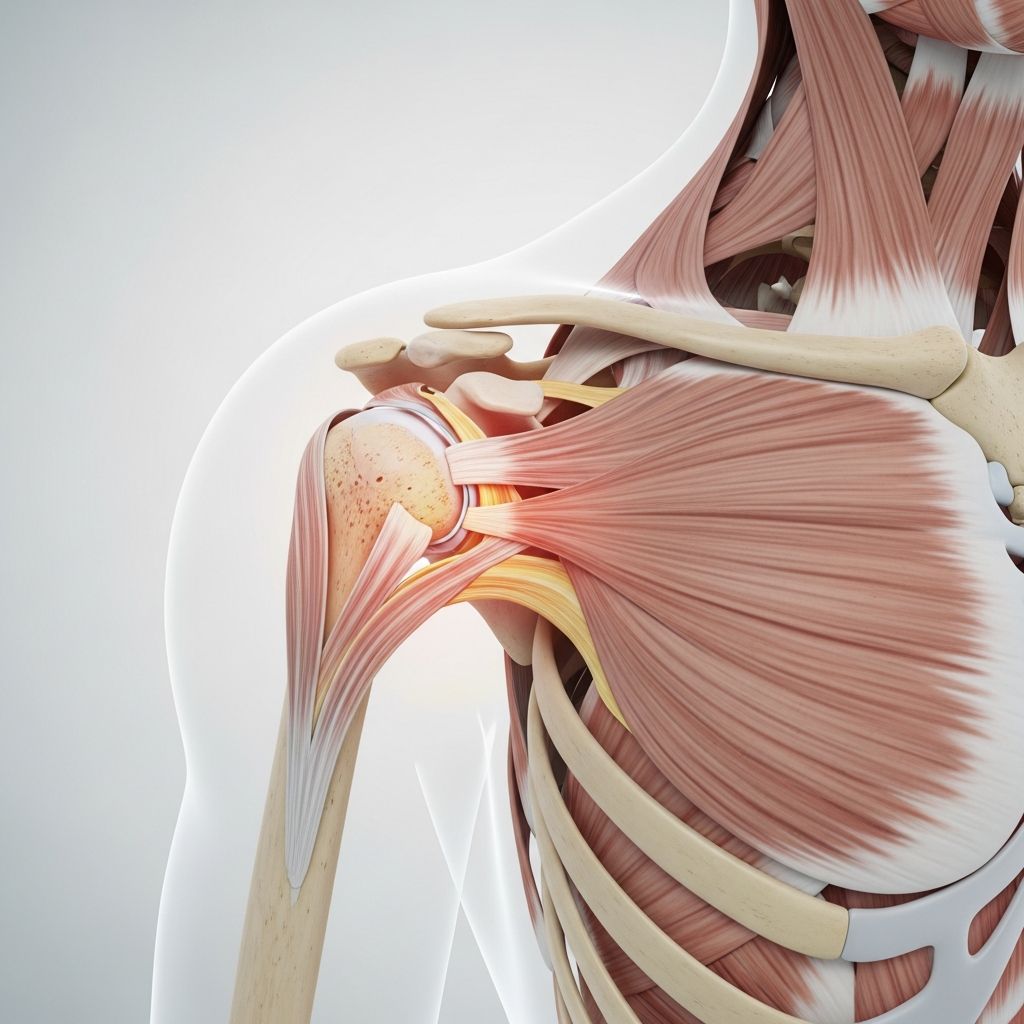
Shoulder pain is one of the most common musculoskeletal complaints affecting millions of people worldwide. Whether you’re an athlete, office worker, or someone experiencing age-related changes, shoulder discomfort can significantly impact your quality of life and daily activities. The shoulder is a complex joint with multiple structures working together, making it susceptible to various injuries and conditions. Understanding the underlying causes of your shoulder pain is the first step toward effective treatment and recovery.
Common Causes of Shoulder Pain
Shoulder pain can originate from numerous conditions, each with distinct characteristics and treatment approaches. Identifying the specific cause of your discomfort is essential for developing an appropriate treatment plan.
Rotator Cuff Tendonitis
Rotator cuff tendonitis occurs when the tendons in your shoulder joint become inflamed and irritated. This condition frequently develops from sports injuries or repetitive overhead activities such as tennis, yoga, or painting. Athletes who perform overhead motions repeatedly are particularly vulnerable to this condition. The pain typically manifests on the front and side of your shoulder, and you may also experience mild stiffness. Interestingly, the pain often worsens at rest and improves with activity, though this varies among individuals.
Shoulder Impingement Syndrome
Impingement syndrome develops when structures in your shoulder become compressed or pinched, typically affecting the rotator cuff tendons. Common symptoms include difficulty reaching behind your back, pain when arms are extended above the head, and shoulder weakness. The condition can progress from mild inflammation to more severe complications, including partial or complete rotator cuff tears. In severe cases where the rotator cuff completely tears, patients experience significant weakness and may be unable to raise their arm against gravity.
Frozen Shoulder (Adhesive Capsulitis)
Frozen shoulder is a debilitating condition characterized by pain and stiffness in the shoulder joint that makes it difficult or impossible to perform daily activities. This condition occurs when the shoulder capsule becomes inflamed and thick, restricting movement. The progression typically includes an initial painful phase followed by a stiffening phase where movement becomes increasingly limited.
Calcific Tendonitis
This less common condition develops when calcium deposits accumulate within shoulder tendons. As these deposits grow larger, they cause increasing irritation and pain. Calcific tendonitis can arise following chronic tendonitis of the rotator cuff and is typically visible on X-ray imaging.
Other Common Shoulder Conditions
Additional shoulder pain sources include arthritis, bursitis, instability, and labral tears. Each condition presents unique symptoms and requires specific treatment approaches tailored to your individual needs.
Recognizing Shoulder Pain Symptoms
Shoulder pain symptoms vary depending on the underlying condition and severity. Understanding these warning signs helps you identify when professional medical attention is necessary.
Primary Symptoms
– Shoulder pain that may feel like it originates from the front of your shoulder- Pain radiating down your arm- Stiffness and limited range of motion- Weakness in the shoulder- Difficulty performing overhead activities- Pain that worsens with specific movements or positions- Clicking or popping sensations in the shoulder
Related Stories



When Symptoms Worsen
Shoulder pain may intensify during certain movements or positions, including lifting your arm overhead, reaching behind your back, throwing motions, or sleeping on the affected shoulder. Recognizing patterns in your pain can help you and your healthcare provider identify the underlying cause more accurately.
Diagnosis and Medical Evaluation
Proper diagnosis is crucial for effective treatment. Your healthcare provider will employ several diagnostic methods to identify the source of your shoulder pain.
Medical History and Physical Examination
Your doctor will begin by reviewing your medical history and conducting a thorough physical examination. This includes assessing your shoulder’s range of motion, strength, and identifying specific movements that trigger pain. The provider will also ask about activities preceding the onset of pain and any previous shoulder injuries.
Imaging and Diagnostic Tests
Healthcare providers use various imaging techniques to visualize shoulder structures:
– X-rays help rule out arthritis and identify bone spurs or changes in bone contour- MRI scans provide detailed images of soft tissues, tendons, and the rotator cuff- Ultrasound imaging offers real-time visualization of shoulder structures- Diagnostic injections of anesthetic under the acromion can confirm impingement syndrome when pain relief occurs
Treatment Approaches for Shoulder Pain
Treatment strategies vary based on the specific condition, severity, and individual factors. Most shoulder conditions respond well to conservative treatment approaches before considering surgical intervention.
Conservative Treatment Options
Rest and Activity Modification
Taking a break from physical activities, especially those that caused the shoulder pain, is fundamental to recovery. Avoiding repetitive overhead reaching and activities that aggravate symptoms allows inflammation to decrease and healing to progress. A common-sense approach involves recognizing that continuously reaching overhead typically makes impingement syndrome worse and should be avoided during recovery.
Ice Therapy
Applying ice to the affected shoulder for 20 minutes once or twice daily helps reduce inflammation and pain. A bag of frozen peas or corn works equally well as commercial ice packs and provides convenient, cost-effective pain management.
Anti-Inflammatory Medications
Over-the-counter nonsteroidal anti-inflammatory drugs (NSAIDs) such as ibuprofen or naproxen can help manage pain and reduce inflammation. For more severe cases, prescription-strength anti-inflammatory medications may be necessary. These medications work best when combined with other treatment approaches rather than as standalone therapy.
Physical Therapy
Physical therapy is considered the most important treatment for shoulder conditions. In most cases, patients only need one visit with a physical therapist to learn exercises that can be performed at home. Physical therapy addresses several goals: reducing pain, restoring range of motion, strengthening stabilizing muscles, and preventing future injuries. Stretching and eliminating stresses on the joint are key to stopping pain and restoring function.
Cortisone Injections
For severe pain that doesn’t respond adequately to conservative measures, cortisone injections can provide significant relief by reducing inflammation in the shoulder joint. These injections are often combined with physical therapy and are typically effective within a year or less for conditions like frozen shoulder.
Surgical Treatment Options
Surgery becomes necessary when conservative treatments fail to resolve symptoms or when significant structural damage exists. Surgical options include:
– Shoulder arthroscopy for minimally invasive repair of damaged structures- Open shoulder surgery for more extensive repairs- Rotator cuff repair for torn tendons- Procedures for removing inflamed bursae- Shoulder replacement procedures in advanced cases
Recovery and Prognosis
Recovery timelines vary depending on the specific condition and severity. Most people recover from tendonitis within a few weeks with appropriate conservative treatment. However, conditions like frozen shoulder may require several months to over a year for complete recovery, even with treatment. In many cases, symptoms calm down over weeks to months with physical therapy, rest, ice, and NSAIDs. Even untreated frozen shoulder typically shows improvement over time, though recovery progresses more slowly without intervention.
Prevention Strategies
Preventing shoulder pain involves maintaining proper biomechanics and avoiding repetitive strain. Key prevention strategies include:
– Starting physical therapy promptly after any shoulder injury- Maintaining proper posture during daily activities- Using appropriate techniques during sports and exercise- Gradually increasing activity intensity rather than making sudden changes- Taking regular breaks during repetitive activities- Strengthening shoulder muscles through targeted exercises
When to Seek Medical Care
You should consult a healthcare provider if shoulder pain persists beyond a few weeks, significantly limits your activities, or follows an injury. Immediate medical attention is warranted for severe pain, sudden loss of function, or inability to raise your arm. Early intervention can prevent minor injuries from developing into more serious problems that take longer to heal.
Frequently Asked Questions
How long does shoulder pain typically last?
Recovery duration depends on the underlying condition and severity. Most cases of rotator cuff tendonitis resolve within a few weeks with appropriate treatment. Frozen shoulder typically requires several months to over a year for complete recovery, even with treatment. Impingement syndrome symptoms often improve within weeks to months with conservative care.
Can shoulder pain go away on its own?
Some mild shoulder pain may improve with rest and self-care measures. However, untreated impingement or other conditions can worsen over time, potentially transforming a minor injury into a more serious problem requiring extended treatment. Early intervention typically leads to faster recovery.
What activities should I avoid with shoulder pain?
You should avoid or limit overhead reaching, throwing motions, heavy lifting, and repetitive arm movements that trigger or worsen pain. Sleeping on the affected shoulder should also be avoided during the acute phase of pain.
Is physical therapy effective for shoulder pain?
Yes, physical therapy is highly effective for most shoulder conditions and is considered the most important treatment component. A structured physical therapy program can restore range of motion, build strength, and prevent future injuries.
When is surgery necessary for shoulder pain?
Surgery may be recommended if conservative treatments fail to relieve symptoms after an extended period, or if imaging reveals significant structural damage such as complete rotator cuff tears. Your healthcare provider will discuss surgical options based on your specific condition and response to conservative treatment.
Can I continue exercising with shoulder pain?
Modified exercise may be appropriate, but avoiding activities that trigger or worsen pain is essential during acute phases. Your physical therapist can recommend exercises that promote healing while avoiding aggravating movements. Gradual return to normal activities should occur as pain decreases.
Conclusion
Shoulder pain affects millions of people and can significantly impact quality of life. Understanding the various causes, symptoms, and treatment options empowers you to take an active role in your recovery. Most shoulder conditions respond well to conservative treatment approaches including rest, ice, anti-inflammatory medications, and physical therapy. Early diagnosis and prompt intervention are crucial for preventing minor injuries from becoming serious, long-term problems. If you experience persistent shoulder pain, consult a healthcare provider to develop a personalized treatment plan that addresses your specific condition and helps you return to normal activities with confidence.
References
- Shoulder Tendonitis: Symptoms & Treatment — Cleveland Clinic. 2024. https://my.clevelandclinic.org/health/diseases/shoulder-tendonitis
- Shoulder Impingement Syndrome (Rotator Cuff Tendinitis) — Cleveland Clinic. 2024. https://my.clevelandclinic.org/health/diseases/shoulder-impingement-rotator-cuff-tendinitis
- Frozen Shoulder (Adhesive Capsulitis): Symptoms & Treatment — Cleveland Clinic. 2024. https://my.clevelandclinic.org/health/diseases/frozen-shoulder-adhesive-capsulitis
- Impingement Syndrome of The Shoulder — Cleveland Clinic Abu Dhabi. 2024. https://www.clevelandclinicabudhabi.ae/en/health-hub/health-resource/diseases-and-conditions/impingement-syndrome-of-the-shoulder
- Shoulder Pain: 11 Common Conditions and Causes — Cleveland Clinic. 2024. https://health.clevelandclinic.org/shoulder-pain-most-common-causes-and-how-to-fix-it
- Shoulder Pain Causes & Treatment — Cleveland Clinic. 2024. https://my.clevelandclinic.org/health/symptoms/25122-shoulder-pain
Similar Articles








Read full bio of Sneha Tete