Shoulder Pain: 8 Expert Tips For Relief And Treatment
Comprehensive guide to understanding shoulder pain causes, symptoms, self-help strategies, and when to seek medical advice.
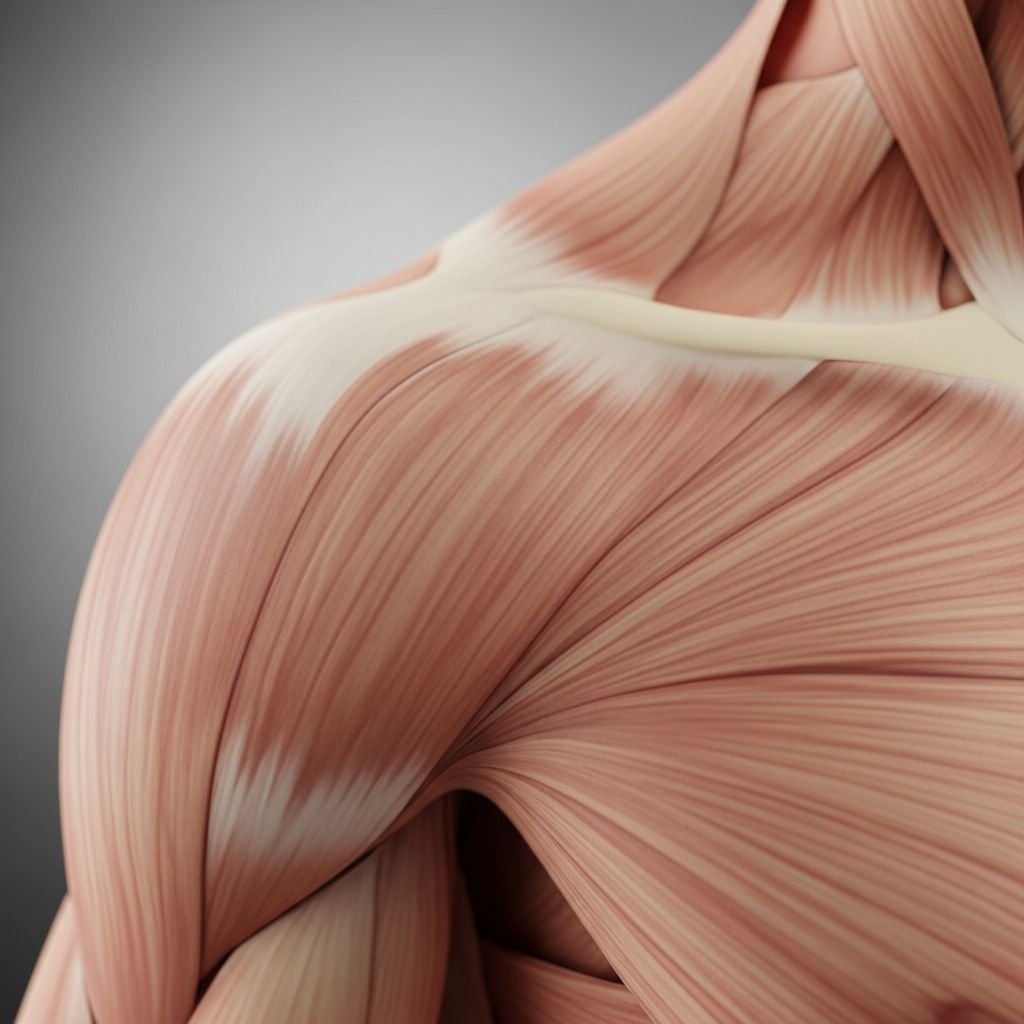
Shoulder pain is a frequent complaint, affecting up to 70% of people at some point in life, often due to issues in muscles, tendons, or joints around the shoulder. Many cases improve with simple self-care like pain relief and exercises, but some require medical attention if severe or persistent.
In this article:
- Shoulder pain causes
- How do I know what is causing my shoulder pain?
- Should I see a doctor about shoulder pain?
- How to relieve shoulder pain?
- Shoulder pain treatment
- Shoulder pain tests
- What is the outcome (prognosis)?
- The shoulder joint
The shoulder joint
The shoulder is a ball-and-socket joint formed by the humerus (upper arm bone) fitting into the glenoid socket of the scapula (shoulder blade). It is stabilized by the rotator cuff—a group of four muscles and tendons (supraspinatus, infraspinatus, teres minor, subscapularis) that hold the humerus in place and enable arm movement. Surrounding ligaments, the labrum, and bursae (fluid-filled sacs) reduce friction. This complex structure allows wide motion but makes it prone to injury from overuse, trauma, or degeneration.
Common symptoms include pain on the outer upper arm, stiffness, weakness, or pain radiating down the arm (but rarely pins and needles). Pain worsens with overhead activities, lying on the affected side, or at night.
Shoulder pain causes
Shoulder pain stems from local issues or referred pain. Most are soft tissue problems resolving without intervention.
Rotator cuff disorders
Rotator cuff disorders are the leading cause, involving tendon inflammation (tendinopathy), partial tears, or full-thickness tears. Tendinopathy (previously ‘impingement’) arises from repetitive overhead motions compressing tendons under the acromion. Symptoms: pain with lifting, arc of pain between 60-120 degrees abduction. Tears cause weakness. Risk factors: age over 40, sports like tennis/swimming, occupations with overhead work.
Frozen shoulder (adhesive capsulitis)
Frozen shoulder features pain followed by progressive stiffness, limiting external rotation and abduction. It has three phases: freezing (painful, 2-9 months), frozen (stiff, 4-12 months), thawing (recovery, 5-26 months). Total duration: 1-3 years. Idiopathic or secondary to diabetes, thyroid disease, post-trauma/surgery. Affects women aged 40-60 more.
Soft tissue injuries
Injuries to muscles, ligaments, or tendons from falls, sports, heavy lifting, or whiplash cause sprains/strains. Acute pain, swelling, bruising; improves in weeks with rest.
Shoulder dislocation/subluxation
The humerus dislocates anteriorly from trauma, causing severe pain and deformity. Recurrent in young active people.
AC joint problems
Acromioclavicular (AC) joint osteoarthritis or separation causes pain over the point of the shoulder, worsened by cross-body adduction. Swelling possible.
Referred pain
- Neck-related: Cervical spine issues (e.g., disc prolapse) refer pain; often with neck stiffness.
- Cardiac: Left shoulder pain with chest tightness signals angina/heart attack.
- Other: Gallbladder (right shoulder), shingles (rash).
Other causes
Arthritis (osteo/rheumatoid), bursitis, calcific tendonitis, fractures, tumours (rare).
How do I know what is causing my shoulder pain?
Diagnosis starts with history: onset (sudden/gradual), trauma, aggravating factors (overhead, night), weakness/stiffness, other symptoms (neck pain, fever). Examination tests range of motion, strength, special tests (e.g., empty can for supraspinatus, Hawkins-Kennedy for impingement). Imaging if needed: ultrasound/MRI for rotator cuff, X-ray for arthritis/fractures.
| Condition | Key Features | Common Tests |
|---|---|---|
| Rotator Cuff Tear | Painful arc, weakness | Empty can test, ultrasound |
| Frozen Shoulder | Global stiffness, night pain | External rotation loss |
| AC Joint OA | Localized tenderness | Cross-arm adduction |
| Neck Referral | Neck pain/stiffness | Spurling’s test |
Related Stories



Should I see a doctor about shoulder pain?
Most improve in 6-12 weeks with self-care, but seek urgent care if:
- Recent injury with severe pain/weakness or deformity.
- Unusual swelling/lump, hot/red skin, fever.
- Chest pain/breathlessness (heart-related).
Contact GP if:
- Pain worsens despite painkillers/exercises after 2 weeks.
- Severe pain preventing sleep/exercises.
- Bilateral pain worse mornings/night.
- Associated fever, weight loss, rash, multiple joint pain, cancer history.
How to relieve shoulder pain?
Pain management: Paracetamol/ibuprofen (if no contraindications). Topical NSAIDs. Ice/heat packs.
Activity modification: Avoid aggravating moves but keep moving within pain limits—rest weakens shoulder.
Exercises: Essential for recovery. Start with pendulum swings, progress to strengthening.
- Pendulum exercise: Lean forward, let arm hang, swing gently in circles (10 reps, 3x/day).
- Wall crawl: Walk fingers up wall to shoulder height (hold 10s, 10 reps).
- External rotation: Elbow at side, rotate outward against resistance band (10 reps).
See Versus Arthritis for full programs.
Shoulder pain treatment
Conservative (first-line): 80-90% rotator cuff issues settle with physio, exercises, pain relief (6-12 weeks).
- Physiotherapy: Improves strength/mobility.
- Injections: Steroid for inflammation (rotator cuff, AC joint).
Surgical: If conservative fails—arthroscopic decompression/repair for rotator cuff, manipulation/distension for frozen shoulder.
Frozen shoulder: Pain control, physio; most resolve in 2 years.
Shoulder pain tests
Usually clinical. Imaging:
- X-ray: Bone issues, arthritis.
- Ultrasound: Rotator cuff, biceps tendon (dynamic).
- MRI: Soft tissues if surgery planned.
- MR arthrogram: Labral tears.
What is the outcome (prognosis)?
Excellent for most: 70-90% recover fully with conservative care. Rotator cuff: 50% tears heal non-surgically in elderly. Frozen shoulder: full recovery usual but slow. Chronic issues rare with early intervention.
Frequently Asked Questions (FAQs)
Q: How long does shoulder pain last?
A: Most resolve in 6 weeks; rotator cuff 3-6 months; frozen shoulder up to 2 years.
Q: Can I exercise with shoulder pain?
A: Yes, gentle exercises prevent stiffness; avoid pain beyond mild discomfort.
Q: When is surgery needed for shoulder pain?
A: If no improvement after 3-6 months physio, significant weakness, or young/active patients.
Q: Is shoulder pain always from injury?
A: No, often degenerative or idiopathic like frozen shoulder.
Q: Can shoulder pain be heart-related?
A: Yes, left-sided with chest symptoms requires urgent check.
References
- Shoulder Pain Patient Information Leaflet — NHS TIMS. 2023-11. https://www.tims.nhs.uk/wp-content/uploads/2024/06/TIMS-Shoulder-pain-patient-information-leaflet-Nov23.pdf
- Shoulder Pain Leaflet — Maidstone and Tunbridge Wells NHS Trust. 2015. https://www.mtw.nhs.uk/wp-content/uploads/2015/11/Leaflet-shoulder-pain.pdf
- Shoulder Pain: Causes and Treatment — Patient.info (reviewed Dr Colin Tidy, updated Dr Philippa Vincent). 2023-08-10. https://patient.info/bones-joints-muscles/shoulder-pain-leaflet
- Rotator Cuff Related Shoulder Pain — NHS Lothian. 2025-08. https://services.nhslothian.scot/musculoskeletal/wp-content/uploads/sites/63/2025/08/Rotator-Cuff-Related-Shoulder-Pain-no-images.pdf
- Frozen Shoulder: Causes, Symptoms, and Treatment — Patient.info. N/A. https://patient.info/bones-joints-muscles/frozen-shoulder-leaflet
- Shoulder Pain (Causes, Assessment, and Treatment) — Patient.info (Doctor). N/A. https://patient.info/doctor/history-examination/shoulder-pain-pro
Similar Articles








Read full bio of medha deb