Shower Morning Or Night: Expert Tips For Skin, Sleep And Energy
Discover the pros and cons of morning vs. evening showers for skin health, sleep, hygiene, and daily routines.
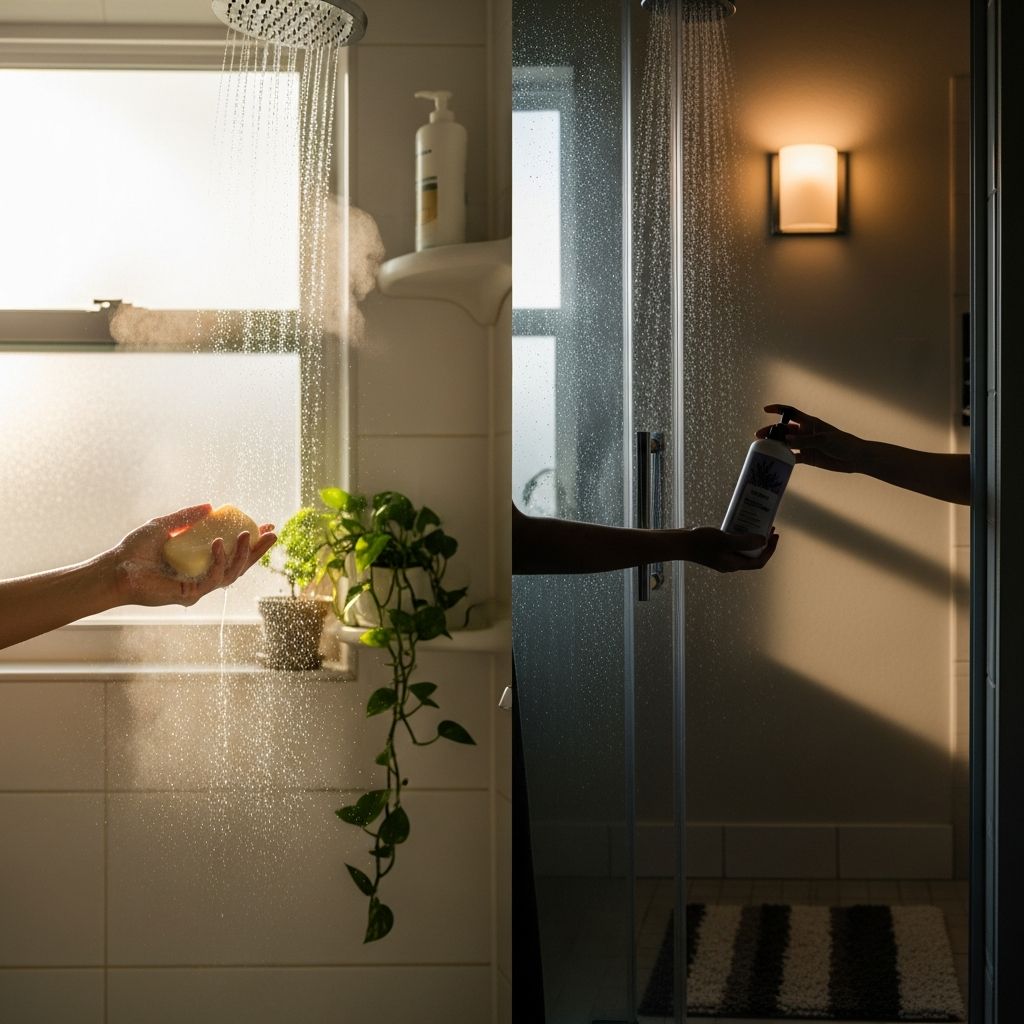
Deciding between a morning or evening shower often comes down to personal preference, but each timing offers unique benefits for hygiene, skin health, sleep quality, and daily energy. While no scientific consensus declares one superior, experts like dermatologists emphasize aligning your routine with lifestyle needs for optimal results.
Benefits of a Morning Shower
Morning showers provide an invigorating start to the day, helping to awaken the body and prepare skin for environmental exposures. They effectively rinse away overnight sweat, dead skin cells, and bacteria accumulated during sleep, reducing body odor and promoting freshness throughout the day.12
- Boosts alertness: The rush of water, especially if cool, stimulates circulation and signals the brain to shift from rest to activity mode, combating morning grogginess.
- Cleanses overnight buildup: Humans sweat during sleep regardless of temperature; skin microbes break down this sweat, leading to odor. A morning rinse removes these microbes and residues before they transfer to clothes.2
- Preps skin for the day: Washes off oils and prepares pores for moisturizers or sunscreens, protecting against pollutants and UV exposure.
- Enhances mood and productivity: The sensory experience can spark creativity and focus, as idle minds under water often generate ideas.
For active individuals or those in humid climates, morning showers prevent carrying overnight grime into workouts or commutes. Dermatologist Alok Vij, MD, notes this timing suits those needing an energy kickstart.1
Benefits of an Evening Shower
Evening showers promote relaxation and better sleep by signaling the body’s wind-down process. They remove the day’s dirt, sweat, and pollutants, keeping bedsheets cleaner and reducing acne or irritation risks.
- Promotes sleep hygiene: Bathing kids at night is recommended by the Society of Pediatric Dermatology and American Academy of Pediatrics to establish sleep cycles; adults benefit similarly through body temperature regulation—warm water raises then drops core temperature, mimicking natural sleep onset.1
- Deep cleans daily grime: Eliminates makeup, sunscreen, urban pollutants, and sweat from activities, preventing pore clogging.
- Soothes skin conditions: For eczema or sensitive skin, evening routines with gentle cleansers followed by moisturizers lock in hydration overnight.
- Relaxes muscles: Warm water eases tension from the day, improving recovery for athletes or desk workers.
Dr. Vij highlights that night showers align with routines for many, fostering consistency in skincare application.1
Skin Health Considerations
Shower timing impacts skin barrier function, but technique matters more than hour. Hot water strips natural oils, leading to dryness; limit showers to 5-10 minutes with lukewarm water.1
- Use fragrance-free, gentle cleansers to avoid irritation.
- Moisturize immediately post-shower while skin is damp to seal hydration.
- For eczema, apply topicals twice daily regardless of shower time.1
Morning showers suit oily skin types needing a reset; evenings benefit dry skin by allowing overnight repair. Clinical microbiologist Primrose Freestone emphasizes morning washes for bacterial control, as night showers don’t address sleep sweat.2
| Timing | Skin Benefit | Best For |
|---|---|---|
| Morning | Rinses bacteria and sweat | Oily/acne-prone skin |
| Evening | Removes pollutants, preps for repair | Dry/sensitive skin |
Impact on Sleep Quality
Evening showers, taken 1-2 hours before bed, optimize sleep by leveraging thermoregulation. A 10-minute warm shower dilates blood vessels, cooling the body post-shower to induce drowsiness.1 Studies support this for faster sleep onset and deeper rest, especially in children establishing circadian rhythms.
Morning showers, conversely, invigorate without disrupting melatonin if not too late. Avoid evening caffeine or screens post-shower to maximize benefits.
Hygiene and Bedding
Neither timing fully prevents bed contamination—dead skin, sweat, oils, and microbes accumulate nightly. Change sheets weekly, vacuum mattresses monthly, and air out bedding.12 Night showers reduce daily dirt transfer but not overnight buildup; mornings address the latter directly.2
Related Stories



- Morning: Washes sleep microbes before dressing.
- Evening: Minimizes daytime grime on sheets.
- Ideal: Both, if feasible, for comprehensive hygiene.
How Often Should You Shower?
Daily showers suffice for most, but adjust by activity level: athletes may need twice daily. Over-showering dries skin; some thrive on every other day with spot cleans. Focus on high-friction areas (armpits, groin) rather than full-body scrubs.1
Tips for the Perfect Shower
Optimize any routine with these evidence-based practices:
- Water temperature: Lukewarm (around 98-105°F) preserves oils.1
- Duration: 5-10 minutes max.
- Products: pH-balanced, non-comedogenic cleansers.
- Post-care: Pat dry, moisturize in 3 minutes.
- Add-ons: Exfoliate 2-3 times weekly; use humidifiers in dry climates.
Experiment: Try switching routines for a week to assess energy, skin, and sleep differences.1
Frequently Asked Questions (FAQs)
Is showering at night better for sleep?
Yes, evening showers 90 minutes before bed improve sleep onset by regulating body temperature, per pediatric guidelines and adult studies.1
Do morning showers prevent body odor?
They do by removing overnight bacteria-fed sweat; evening showers help but miss sleep accumulation.2
What’s best for eczema?
Personal preference—use gentle products and moisturize twice daily, timing secondary.1
Should I shower twice a day?
Only if active or sweaty; otherwise, once daily or every other day prevents dryness.1
Does shower timing affect hair health?
Evenings reduce product buildup overnight; mornings refresh oily scalps. Use sulfate-free shampoos.
This comprehensive guide draws from dermatological and microbiological expertise to empower informed routines. Personalize based on your skin, schedule, and how each feels—health thrives on consistency and enjoyment.
References
- Evening vs. Morning Shower: Which Is Better? — Cleveland Clinic. 2023-10-12. https://health.clevelandclinic.org/evening-vs-morning-shower
- Morning showers are better. And here’s why. — UF Health Podcasts. 2023-05-15. https://podcasts.ufhealth.org/morning-showers-are-better-and-heres-why/
- Bathing and Skin Health Guidelines — American Academy of Dermatology. 2024-02-20. https://www.aad.org/public/everyday-care/skin-care-basics/care/bath-shower
- Sleep Hygiene and Thermoregulation — National Sleep Foundation. 2023-11-08. https://www.sleepfoundation.org/sleep-hygiene/shower-before-bed
- Microbial Skin Flora and Hygiene — PubMed (DOI: 10.1111/j.1365-4632.2012.05604.x). 2022-07-14. https://pubmed.ncbi.nlm.nih.gov/22827412/
Similar Articles








Read full bio of Sneha Tete