SIADH: Syndrome of Inappropriate Antidiuretic Hormone
Understanding SIADH: Causes, symptoms, diagnosis, and treatment options.
Understanding SIADH: Syndrome of Inappropriate Antidiuretic Hormone Secretion
Syndrome of Inappropriate Antidiuretic Hormone Secretion, commonly known as SIADH, is a condition in which your body produces too much antidiuretic hormone (ADH), also called vasopressin. This hormone plays a crucial role in helping your kidneys regulate the amount of water your body loses through urine. When ADH production becomes excessive and inappropriate, it causes your body to retain too much water, ultimately leading to a dilution of sodium in your bloodstream—a condition known as hyponatremia. Understanding this condition is essential because, while it can present serious health challenges, SIADH is treatable when properly diagnosed and managed.
What Is Antidiuretic Hormone and How Does It Work?
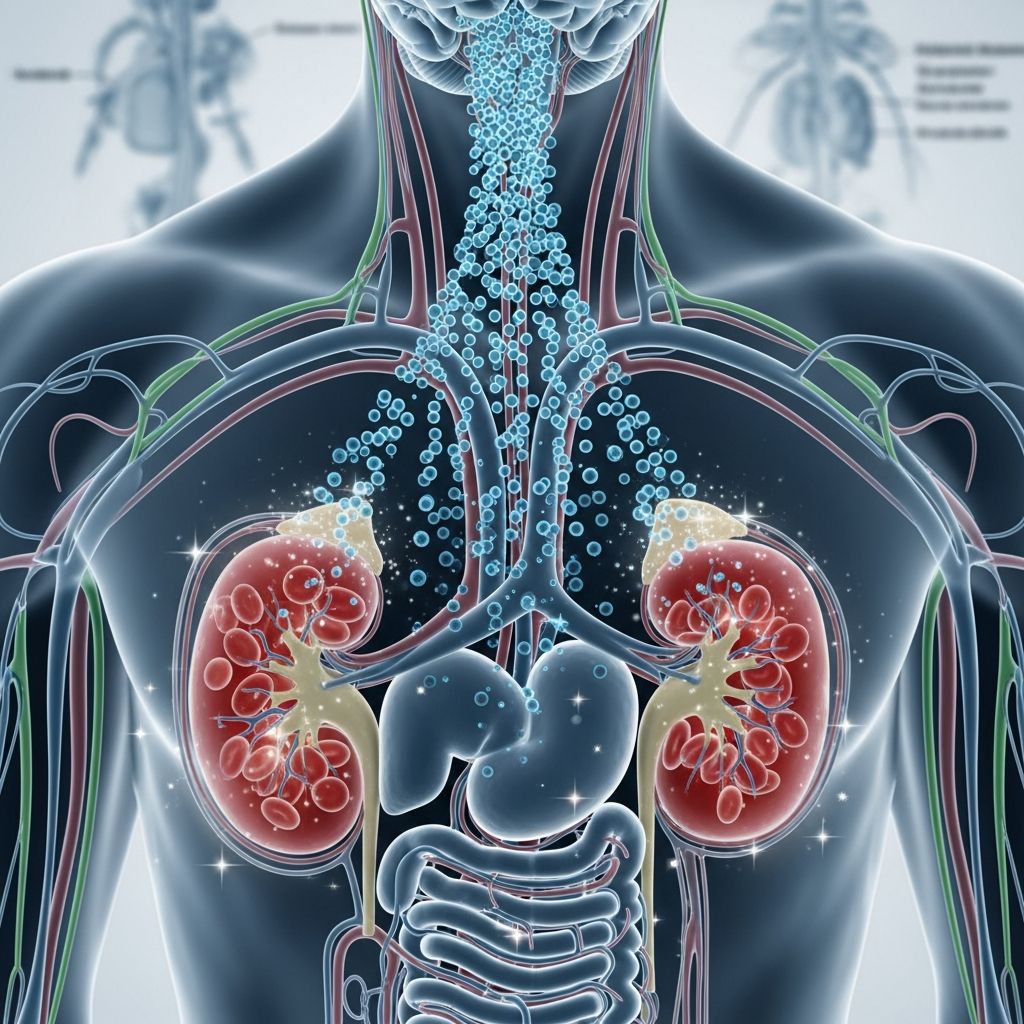
Antidiuretic hormone is produced in the hypothalamus, a region of your brain, and is then released by the pituitary gland, which sits at the base of your brain. This hormone serves an important function in your body’s fluid balance. ADH travels through your bloodstream to your kidneys, where it attaches to specific receptors on the collecting duct cells. When ADH binds to these receptors, it triggers a process that increases the number of water channels in your kidney cells, allowing more water to be reabsorbed back into your bloodstream rather than being excreted as urine.
Normally, ADH secretion is tightly regulated by osmoreceptors in your hypothalamus that monitor the osmolality (concentration of solutes) in your blood. When your blood becomes too concentrated, osmoreceptors signal your pituitary gland to release ADH, prompting your kidneys to conserve water. Conversely, when your blood is dilute, ADH secretion decreases, allowing more water to be excreted as urine. This elegant feedback system maintains your body’s fluid and electrolyte balance within a narrow and healthy range.
How SIADH Develops and What Goes Wrong
In SIADH, this carefully balanced system breaks down. ADH continues to be released even when plasma osmolality is low and sodium levels are decreased—conditions that should normally suppress ADH release. In most people with SIADH, drinking water fails to adequately suppress ADH production, so urine remains concentrated. This persistent ADH activity causes your kidneys to reabsorb excessive amounts of water, leading to water retention and dilution of your blood solutes, particularly sodium.
Additionally, some individuals with SIADH experience a secondary effect where their kidneys release increased amounts of salt in response to the expanded water volume in their body. This combined effect of water retention and sodium loss results in hyponatremia—abnormally low blood sodium levels. The severity of hyponatremia can range from mild to severe, and the rate at which it develops significantly influences symptom presentation and treatment urgency.
Common Causes of SIADH
SIADH can result from various underlying conditions affecting different body systems. Understanding the specific cause is important for determining the most appropriate treatment strategy.
Malignancy-Related Causes
Certain cancers, particularly small cell lung cancer, are among the most common causes of SIADH. Malignant cells can produce and release ADH independently of the body’s normal regulatory mechanisms. Other cancers associated with SIADH include pancreatic cancer, prostate cancer, bladder cancer, and lymphomas.
Pulmonary Conditions
Various lung diseases can trigger SIADH development. These include pneumonia, tuberculosis, positive pressure mechanical ventilation, and chronic obstructive pulmonary disease (COPD). The mechanisms may involve both direct lung tissue involvement and systemic responses to infection or inflammation.
Related Stories



Central Nervous System Disorders
Conditions affecting your brain and spinal cord can cause inappropriate ADH release. These include head trauma, meningitis, encephalitis, subarachnoid hemorrhage, stroke, and seizures. Brain surgery or procedures can also trigger SIADH development.
Medications
Numerous medications can cause or contribute to SIADH. Common culprits include selective serotonin reuptake inhibitors (SSRIs), carbamazepine, vincristine, cisplatin, desmopressin, oxytocin, and nonsteroidal anti-inflammatory drugs (NSAIDs). If you take any medications and develop symptoms suggestive of SIADH, discussing this with your healthcare provider is essential.
Other Medical Conditions
Additional conditions associated with SIADH include HIV/AIDS, hypothyroidism, adrenal insufficiency, pain, nausea, and positive pressure ventilation. In some cases, SIADH may occur without an identifiable underlying cause, referred to as idiopathic SIADH.
Recognizing the Symptoms of SIADH
The symptoms of SIADH primarily relate to the degree of hyponatremia present in your blood. Mild cases may produce no noticeable symptoms at all, while moderate to severe hyponatremia can cause significant clinical manifestations.
Mild to Moderate Symptoms
When sodium levels are mildly decreased, you might experience subtle symptoms including nausea, loss of appetite, headache, and mild confusion or cognitive difficulties. Some people report feeling generally unwell without being able to pinpoint a specific problem.
Severe Symptoms
As sodium levels drop further, more serious symptoms emerge. These can include severe headache, altered mental status, disorientation, personality changes, difficulty concentrating, muscle weakness, seizures, and loss of consciousness. In the most severe cases, untreated SIADH can lead to cerebral edema (brain swelling) and potentially life-threatening complications.
Symptom Development Timeline
The speed at which hyponatremia develops significantly affects symptom severity. Acute hyponatremia developing over hours can be more symptomatic than chronic hyponatremia developing over days or weeks, because your brain has less time to adapt to the osmotic changes. This is why rapid diagnosis and appropriate management are crucial.
Diagnostic Approach to SIADH
Diagnosing SIADH requires a systematic approach combining clinical evaluation, laboratory testing, and exclusion of alternative causes of hyponatremia.
Laboratory Tests
Key diagnostic tests include measurement of serum sodium, serum osmolality, urine osmolality, and urine sodium. In SIADH, you would typically show hyponatremia (serum sodium below 135 mEq/L), low serum osmolality, inappropriately high urine osmolality, and elevated urine sodium. These findings taken together distinguish SIADH from other causes of hyponatremia.
Clinical Evaluation
Your healthcare provider will assess your volume status—whether you appear euvolemic (normal fluid volume), hypervolemic (excess fluid), or hypovolemic (depleted fluid). In SIADH, you typically appear euvolemic, which helps differentiate it from conditions like congestive heart failure or cirrhosis where volume depletion or expansion is apparent.
Exclusion Criteria
Diagnosis requires excluding other important causes of hyponatremia, including hypothyroidism, adrenal insufficiency, medications causing SIADH, severe renal disease, and conditions causing true hypovolemia or hypervolemia with appropriate ADH responses.
Types of SIADH Patterns
Researchers have identified different ADH release patterns in SIADH patients, which can help guide treatment strategies:
Type A: Erratic Pattern
ADH levels fluctuate unpredictably and independently of plasma osmolality, often reaching very high levels that maximize fluid retention and increase urine osmolality substantially.
Type B: Reset Osmostat
The osmotic threshold for ADH release is reset to a lower level, but the feedback relationship between osmolality and ADH secretion remains intact.
Type C: Leak Pattern
Low levels of ADH are continuously secreted even at low plasma osmolality, without appropriate suppression.
Type D: Nephrogenic Pattern
ADH production and response are normal, but abnormal kidney cell expression or translocation of aquaporin-2 water channels creates inappropriate water reabsorption.
Treatment Strategies for SIADH
SIADH management involves several approaches, often used in combination based on the underlying cause and severity of hyponatremia.
Fluid Restriction
The first-line treatment for most SIADH cases is fluid restriction, typically limiting water intake to 800-1000 mL daily. This reduces the volume of fluid available for ADH-mediated reabsorption, gradually allowing sodium levels to normalize. Fluid restriction is most effective in milder cases and requires patient compliance and regular monitoring.
Addressing Underlying Causes
When SIADH results from an identifiable cause—such as medication side effects, infection, or malignancy—treating the underlying condition is essential. Discontinuing offending medications or treating pulmonary infections can resolve SIADH in many cases.
Hypertonic Saline Administration
In acute symptomatic hyponatremia or cases where fluid restriction is ineffective, hypertonic saline may be administered intravenously. This treatment raises serum sodium levels more rapidly but requires careful monitoring to avoid overcorrection and associated complications.
Vaptans: ADH Receptor Antagonists
Vasopressin receptor antagonists, commonly called vaptans, represent a newer treatment class that blocks ADH action on kidney cells. These medications can be effective in chronic SIADH cases resistant to fluid restriction alone, though they require careful monitoring and are not suitable for all patients.
Sodium Replacement
In some cases, supplemental sodium through diet or oral medication can help offset losses and maintain appropriate sodium levels, though this approach works best when combined with other interventions.
Management Considerations and Monitoring
Effective SIADH management requires ongoing monitoring and adjustment of treatment approaches. Sodium levels should be checked regularly during the initial diagnostic phase and after any treatment modifications. The goal of sodium correction is typically to achieve levels above 130 mEq/L, with careful attention to correction rates to avoid complications.
Patients should maintain awareness of fluid intake and work closely with their healthcare team to adjust treatment as needed. Regular follow-up appointments allow providers to assess treatment effectiveness and manage any emerging complications.
Frequently Asked Questions About SIADH
Q: Is SIADH a permanent condition?
A: SIADH may be temporary or chronic depending on its underlying cause. When caused by acute illness or medication, it often resolves when the triggering factor is addressed. In cases related to malignancy or chronic conditions, SIADH may require ongoing management.
Q: Can diet alone manage SIADH?
A: While dietary sodium modification may contribute to management, SIADH typically requires fluid restriction and often additional interventions. Your healthcare provider can recommend an appropriate dietary approach as part of your comprehensive treatment plan.
Q: What happens if SIADH goes untreated?
A: Untreated SIADH can lead to severe hyponatremia, causing seizures, loss of consciousness, cerebral edema, and potentially life-threatening complications. This is why prompt diagnosis and treatment are essential.
Q: Can medications cause SIADH to develop?
A: Yes, various medications including SSRIs, certain chemotherapy drugs, and anticonvulsants can cause or contribute to SIADH development. Discuss all medications with your healthcare provider if you develop symptoms suggestive of SIADH.
Q: How long does SIADH treatment take?
A: Treatment duration varies depending on the underlying cause and treatment approach used. Some cases resolve within days to weeks when the triggering cause is addressed, while others require ongoing management over months or years.
When to Seek Medical Attention
Seek immediate medical attention if you experience severe headache, confusion, altered mental status, seizures, or loss of consciousness, particularly if these symptoms develop in the context of a known lung condition, cancer diagnosis, or recent illness. These could indicate severe hyponatremia requiring urgent intervention. Additionally, if you have symptoms suggestive of mild hyponatremia (such as persistent nausea, headache, or cognitive difficulties) that don’t improve with standard treatments, discuss SIADH screening with your healthcare provider.
Conclusion
Syndrome of Inappropriate Antidiuretic Hormone Secretion is a treatable condition that requires prompt recognition and appropriate management. By understanding its causes, recognizing its symptoms, and working closely with healthcare providers to implement effective treatment strategies, most patients with SIADH can achieve good outcomes and maintain normal sodium levels. If you suspect you may have SIADH or have risk factors for developing this condition, discussing evaluation with your healthcare team is an important step toward protecting your health.
References
- Syndrome of Inappropriate Antidiuretic Hormone Secretion — Cleveland Clinic. 2024. https://my.clevelandclinic.org/health/diseases/23976-siadh-syndrome-of-inappropriate-antidiuretic-hormone-secretion
- Syndrome of Inappropriate Antidiuretic Hormone Secretion — Merck Manuals. 2024. https://www.merckmanuals.com/home/hormonal-and-metabolic-disorders/electrolyte-balance/syndrome-of-inappropriate-secretion-of-antidiuretic-hormone-siadh
- Syndrome of Inappropriate Antidiuretic Hormone Secretion — National Center for Biotechnology Information. 2024. https://www.ncbi.nlm.nih.gov/books/NBK507777/
- Syndrome of Inappropriate Antidiuretic Hormone Secretion (SIADH) — Mount Sinai. 2024. https://www.mountsinai.org/health-library/diseases-conditions/syndrome-of-inappropriate-antidiuretic-hormone-secretion
- Syndrome of Inappropriate Antidiuretic Hormone Secretion — Children’s Hospital of Philadelphia. 2024. https://www.chop.edu/conditions-diseases/syndrome-inappropriate-antidiuretic-hormone-secretion-siadh
- Syndrome of Inappropriate Antidiuretic Hormone Secretion — St. Louis Children’s Hospital. 2024. https://www.stlouischildrens.org/conditions-treatments/syndrome-inappropriate-antidiuretic-hormone-secretion-siadh
Similar Articles








Read full bio of medha deb