Sialadenitis: Causes, Symptoms, and Treatment
Learn about sialadenitis, its causes, symptoms, diagnosis, and effective treatments for swollen salivary glands.
What Is Sialadenitis?
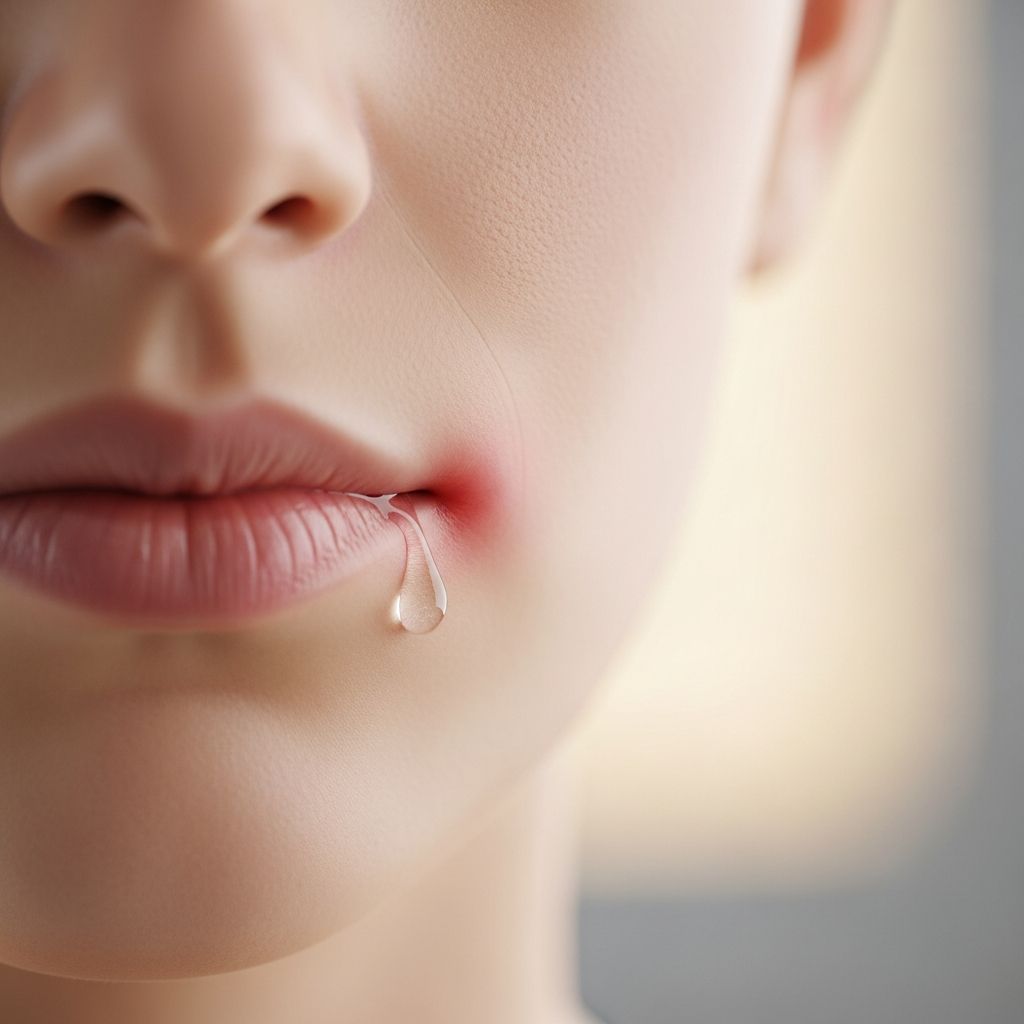
Sialadenitis is the inflammation and swelling of one or more of the major salivary glands. These glands are responsible for producing saliva, which helps with digestion and oral health. The most commonly affected glands are the parotid (near the ears), submandibular (under the jaw), and sublingual (under the tongue) glands. Sialadenitis can be acute (sudden and short-term) or chronic (long-lasting or recurring).
Causes of Sialadenitis
Sialadenitis is most commonly caused by bacterial infection, often due to reduced salivary flow or obstruction of the salivary ducts. Common causes include:
- Bacterial infection: Most cases are caused by Staphylococcus aureus, but other bacteria like Streptococcus and Haemophilus influenzae can also be responsible.
- Salivary stones (sialolithiasis): Stones can block the ducts, leading to infection and inflammation.
- Reduced saliva production: Dehydration, certain medications (especially anticholinergics), or medical conditions can decrease saliva flow.
- Viral infections: Viruses like mumps can cause sialadenitis, especially in children.
- Autoimmune diseases: Conditions like Sjogren’s syndrome can lead to chronic sialadenitis.
- Radiation therapy: Radiation to the head and neck can damage salivary glands.
Symptoms of Sialadenitis
The symptoms of sialadenitis can vary depending on the cause and severity. Common symptoms include:
- Swelling of the affected salivary gland
- Pain and tenderness in the gland
- Redness and warmth over the gland
- Fever and chills
- Difficulty swallowing (dysphagia)
- Bad taste in the mouth
- Pus discharge from the gland’s duct
- Facial swelling
- Trismus (difficulty opening the mouth)
- Respiratory distress (in severe cases)
Diagnosis of Sialadenitis
Diagnosis of sialadenitis is usually based on clinical symptoms and physical examination. Additional tests may be needed to confirm the diagnosis and identify the underlying cause:
- Physical examination: The doctor will check for swelling, tenderness, and redness of the salivary glands. They may also massage the gland to see if pus is expressed from the duct.
- Imaging: Ultrasound, CT scan, or MRI can help identify stones, abscesses, or other abnormalities.
- Sialography: This involves injecting contrast dye into the salivary duct to visualize blockages.
- Blood tests: These may be done to check for infection or autoimmune conditions.
- Biopsy: In chronic cases, a biopsy may be needed to rule out tumors or autoimmune diseases.
Treatment of Sialadenitis
Treatment depends on the cause and severity of sialadenitis. Most cases can be managed with conservative measures, but some may require antibiotics or surgery.
Conservative Management
- Hydration: Drinking plenty of fluids helps increase saliva production and flush out bacteria.
- Warm compresses: Applying warm compresses to the affected gland can reduce swelling and pain.
- Salivary massage: Gently massaging the gland can help move saliva and stones out of the duct.
- Pain relief: Over-the-counter pain relievers like ibuprofen or acetaminophen can help manage pain.
- Sialogogues: Sour candies or lemon drops can stimulate saliva production.
- Good oral hygiene: Regular brushing and flossing help prevent infection.
Antibiotic Therapy
If a bacterial infection is suspected, antibiotics are usually prescribed. Common choices include:
- Amoxicillin/clavulanate
- Clindamycin
- Other broad-spectrum antibiotics
Antibiotics are typically given for 7–10 days, depending on the severity of the infection.
Related Stories



Surgical Treatment
Surgery may be needed in certain cases:
- Removal of salivary stones: Stones that do not pass on their own may need to be removed surgically or with sialendoscopy (a minimally invasive procedure).
- Drainage of abscesses: If an abscess forms, it may need to be drained.
- Excision of the gland: In cases of recurrent or chronic sialadenitis, the affected gland may need to be removed.
Complications of Sialadenitis
If left untreated, sialadenitis can lead to complications such as:
- Formation of abscesses
- Spread of infection to surrounding tissues
- Chronic pain and swelling
- Damage to the salivary gland
- Airway obstruction (in severe cases)
Prevention of Sialadenitis
Preventing sialadenitis involves maintaining good oral hygiene and staying hydrated. Other preventive measures include:
- Drinking plenty of fluids
- Avoiding medications that reduce saliva production
- Regular dental check-ups
- Managing underlying medical conditions
When to See a Doctor
Seek medical attention if you experience:
- Severe pain or swelling in the salivary gland
- Fever or chills
- Difficulty swallowing or breathing
- Pus discharge from the gland
- Symptoms that do not improve with home treatment
Frequently Asked Questions (FAQs)
What causes sialadenitis?
Sialadenitis is most commonly caused by bacterial infection, often due to reduced salivary flow or obstruction of the salivary ducts. Other causes include viral infections, autoimmune diseases, and radiation therapy.
How is sialadenitis diagnosed?
Diagnosis is usually based on clinical symptoms and physical examination. Imaging tests, blood tests, and sometimes biopsy may be needed to confirm the diagnosis and identify the underlying cause.
What are the symptoms of sialadenitis?
Symptoms include swelling, pain, redness, and tenderness of the affected salivary gland, fever, difficulty swallowing, and sometimes pus discharge from the gland’s duct.
How is sialadenitis treated?
Treatment includes hydration, warm compresses, salivary massage, pain relief, and antibiotics if a bacterial infection is present. Surgery may be needed to remove stones or drain abscesses.
Can sialadenitis be prevented?
Yes, sialadenitis can be prevented by maintaining good oral hygiene, staying hydrated, and managing underlying medical conditions.
Prognosis
The prognosis for acute sialadenitis is generally excellent, with most cases resolving within a week with proper treatment. Chronic sialadenitis may have multiple relapses and remissions, but symptoms often improve with medical management of the underlying cause.
References
- Sialadenitis – Symptoms, diagnosis and treatment — BMJ Best Practice. 2023. https://bestpractice.bmj.com/topics/en-us/1038
- Sialadenitis – Ear, Nose, and Throat Disorders — Merck Manuals. 2023. https://www.merckmanuals.com/professional/ear-nose-and-throat-disorders/oral-and-pharyngeal-disorders/sialadenitis
- Submandibular Sialadenitis and Sialadenosis — StatPearls. 2023. https://www.ncbi.nlm.nih.gov/books/NBK562211/
Similar Articles








Read full bio of medha deb