Sialendoscopy: Minimally Invasive Salivary Gland Treatment
Discover sialendoscopy, a minimally invasive procedure for diagnosing and treating salivary gland disorders with precision.
What is Sialendoscopy?
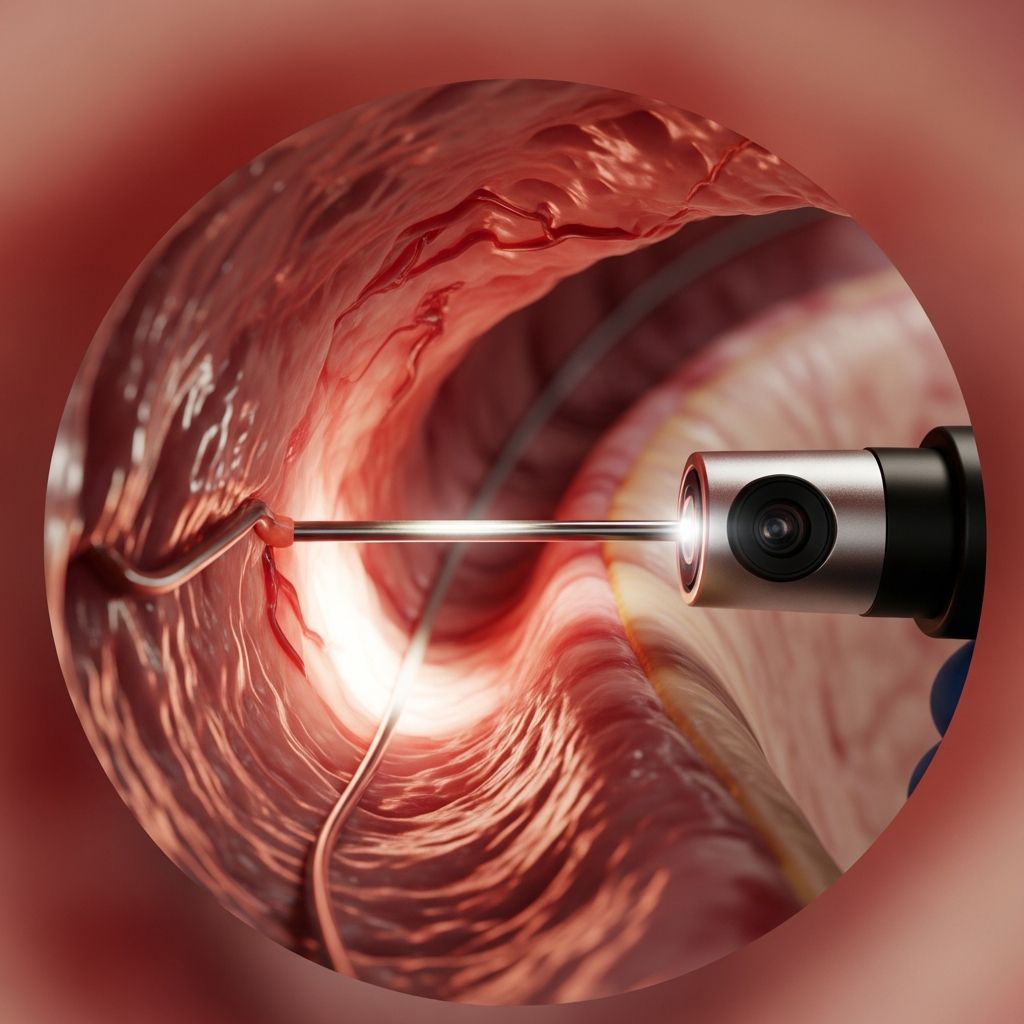
Sialendoscopy is a minimally invasive diagnostic and therapeutic procedure that allows healthcare providers to examine and treat various conditions affecting the salivary gland ducts. This specialized procedure represents a significant advancement in otolaryngology, offering patients an effective alternative to traditional open surgery. The procedure involves the insertion of a thin, flexible fiberoptic instrument called a sialendoscope through the natural opening of the salivary gland duct in the mouth.
The sialendoscope is equipped with a miniature camera and light source that enables physicians to visualize the interior of the salivary ducts and surrounding tissues with remarkable precision. If abnormalities such as stones, strictures, or inflammatory debris are identified during the examination, specialized instruments attached to the sialendoscope allow the physician to remove or treat these lesions directly. This targeted approach eliminates the need for external incisions or more invasive surgical interventions in many cases.
Sialendoscopy can be performed under either local anesthesia or general anesthesia, depending on the complexity of the procedure and patient preferences. The choice of anesthesia will be discussed with your healthcare provider during the preoperative consultation to ensure your comfort and safety throughout the procedure.
Common Conditions Treated with Sialendoscopy
Sialendoscopy has proven to be an effective treatment option for a wide variety of salivary gland disorders. The following are the primary conditions that can be addressed using this minimally invasive technique:
Salivary Stones (Sialoliths)
Salivary stones, medically known as sialoliths or sialolithiasis, are small, hard mineral deposits that form within the salivary glands or their ducts. These stones develop when minerals in saliva crystallize and accumulate over time. Patients with salivary stones typically experience pain, swelling, and tenderness in the affected gland, particularly during meals when salivary flow increases. Recurrent infections are also common. Sialendoscopy allows physicians to locate these stones precisely and remove them without requiring the invasive approach of traditional open surgery. Small stones can be extracted directly through the endoscope, while larger stones can sometimes be fragmented into smaller pieces for removal.
Chronic Salivary Gland Infection
Chronic inflammation of the salivary glands, a condition known as sialadenitis, causes persistent pain, swelling, and difficulty swallowing. This condition often develops when salivary flow is reduced or when bacteria colonize the gland ducts. Sialendoscopy enables physicians to diagnose the underlying cause of the inflammation and provide targeted treatment. During the procedure, the physician can dilate the salivary ducts to improve saliva flow and irrigate the gland with sterile saline solution to remove inflammatory debris and bacteria. This approach often resolves symptoms without requiring gland removal.
Salivary Duct Strictures
Strictures are abnormal narrowing of the salivary ducts that obstruct the normal flow of saliva. These narrowings can result from previous infections, trauma, radiation therapy, or other causes. Strictures cause pain, swelling, and recurrent infections because saliva cannot flow freely through the affected duct. Sialendoscopy allows physicians to identify strictures and carefully dilate them to restore normal salivary flow. This intervention can provide significant symptomatic relief and reduce the frequency of recurrent infections.
Related Stories



Radiation-Induced Salivary Gland Damage
Patients who have received radioiodine treatment for thyroid disease or radiation therapy for head and neck cancer can experience damage to their salivary glands, leading to a condition called radioiodine sialadenitis or radiation sialadenitis. This results in reduced saliva production, inflammation, and discomfort. Sialendoscopy can help alleviate these symptoms by dilating the affected ducts and flushing out debris and inflammatory material that accumulates as a result of radiation damage.
Pediatric Sialadenitis
Children can develop salivary gland inflammation from various causes, including viral infections such as mumps, bacterial infections, or anatomical abnormalities in the salivary gland structure. Sialendoscopy is particularly valuable in pediatric patients because it avoids the need for open surgery, which carries greater risks in children. The procedure allows physicians to identify the underlying cause of inflammation and provide appropriate targeted treatment while minimizing trauma and preserving gland function.
Advantages of Sialendoscopy Over Traditional Surgery
Sialendoscopy offers numerous significant advantages compared to traditional open salivary gland surgery:
| Characteristic | Sialendoscopy | Traditional Open Surgery |
|---|---|---|
| Invasiveness | Minimally invasive; no external incisions | Highly invasive; requires external incisions |
| Pain and Discomfort | Minimal post-operative pain | Significant post-operative pain |
| Scarring | Little to no visible scarring | Permanent scarring common |
| Recovery Time | Return to normal activities within days | Several weeks of recovery needed |
| Hospitalization | Outpatient procedure in most cases | Often requires overnight hospitalization |
| Complication Risk | Lower risk of complications | Higher risk of nerve injury and complications |
| Cost | More cost-effective | More expensive overall |
| Gland Preservation | Preserves gland function | May require complete gland removal |
The minimally invasive nature of sialendoscopy means there are no incisions or cuts in the skin or tissues outside the mouth. The procedure is performed entirely through the natural opening of the salivary gland duct, making it significantly less traumatic than traditional surgery. Patients experience reduced pain and discomfort during recovery, and most can return to their normal daily activities within just a few days.
The Sialendoscopy Procedure: What to Expect
Pre-Procedure Preparation
Before undergoing sialendoscopy, your physician may order imaging studies such as computed tomography (CT) scans, magnetic resonance imaging (MRI), or ultrasound to examine the salivary gland causing problems. These imaging studies help the physician plan the procedure carefully, identify the exact location and nature of the problem, and anticipate any potential complications. Patients should inform their physician of any medications they are taking, allergies, and previous anesthesia reactions.
During the Procedure
On the day of the procedure, the patient will receive either local anesthesia or general anesthesia with sedation, depending on what was previously discussed. Once the anesthesia has taken effect and the patient is comfortable, the physician will gently guide the sialendoscope through the salivary gland duct opening in the mouth. If the duct opening is too narrow to accommodate the scope, it may be gently stretched to allow passage. In rare cases, a very small incision may be made inside the mouth to facilitate introduction of the endoscope, but this is uncommon.
Once the sialendoscope is positioned within the duct, the physician uses the camera, light source, and specialized instruments to inspect the interior of the gland thoroughly. The physician can visualize any stones, strictures, inflammatory material, or other abnormalities. Throughout the procedure, the gland is irrigated with sterile saline solution to rinse away debris and allow better visualization. This irrigation may cause temporary swelling of the gland, which typically resolves within 24 hours.
If stones are identified, small ones can be removed directly through the endoscope. Larger stones can be fragmented into smaller pieces using specialized equipment and then removed. Strictures can be carefully dilated to restore normal salivary flow. The physician may also take tissue samples if biopsy is needed to rule out more serious conditions.
Post-Procedure Care
After the procedure is complete, the patient will be monitored for a short period to ensure proper recovery from anesthesia. Most patients experience little to no pain or discomfort after sialendoscopy and can return home on the same day the procedure is performed. Recovery is typically rapid, with most patients able to resume normal activities within a few days. Any post-operative discomfort can usually be managed with over-the-counter pain relievers.
Patients should follow any specific post-operative instructions provided by their physician, which may include dietary modifications, oral hygiene instructions, or prescribed antibiotics. It is normal to experience some mild swelling or tenderness in the area for a few days following the procedure.
Potential Risks and Complications
While sialendoscopy is generally a safe procedure with a low complication rate, patients should be aware of potential risks. These complications are uncommon but can include:
Infection: Although uncommon, infection of the salivary gland can occur after the procedure. If your physician believes infection may develop, you will be prescribed prophylactic antibiotics to prevent this complication.
Duct Perforation: There is a small risk of perforation or puncture of the salivary duct or gland, which could cause further complications. Experienced physicians take great care to minimize this risk through gentle technique and careful instrument handling.
Salivary Gland Damage: In rare cases, the salivary gland may become damaged during the procedure, potentially leading to reduced saliva production or other functional issues. Modern techniques and equipment have significantly reduced the likelihood of this complication.
Nerve Injury: There are several important nerves located near the salivary glands. However, with endoscopic procedures, nerve injury is very unlikely because the procedure avoids large external incisions that might damage these nerves. The risk of nerve injury is higher if combined surgical and endoscopic approaches are required for complex cases.
Who is a Candidate for Sialendoscopy?
Sialendoscopy may be recommended for patients with various salivary gland conditions, particularly those who have not responded adequately to conservative treatment. Good candidates for the procedure typically have:
– Symptomatic salivary gland obstruction- Recurrent or chronic salivary gland infections- Salivary stones causing symptoms- Salivary duct strictures- Radiation-related salivary gland damage- Adequate overall health to tolerate the procedure
Patients with certain medical conditions, bleeding disorders, or those taking specific medications may need special consideration. Your physician will evaluate your individual situation to determine whether sialendoscopy is appropriate for your condition.
Frequently Asked Questions (FAQs)
Q: How long does the sialendoscopy procedure take?
A: If the procedure is purely diagnostic (examination and diagnosis), it typically takes between 20 and 30 minutes. For interventional procedures, such as stone removal or duct dilation, the procedure may take up to 45 minutes or longer depending on the complexity of the condition.
Q: Will the procedure be painful?
A: You will be given local anesthesia during the procedure to alleviate any discomfort. Most patients report minimal discomfort during sialendoscopy. Any sensation experienced is typically mild pressure or slight tugging rather than pain.
Q: How long is the recovery period?
A: Most patients recover quickly from sialendoscopy. Many experience minimal to no pain after the procedure and can return to normal activities within a few days. Complete healing typically occurs within one to two weeks.
Q: Can sialendoscopy be performed on an outpatient basis?
A: Yes, in most cases sialendoscopy is performed as an outpatient procedure, meaning patients can go home the same day without requiring overnight hospitalization. This reduces costs and allows patients to recover in the comfort of their own homes.
Q: What if the duct opening is very narrow?
A: If the duct opening is too narrow for the endoscope to pass through, the physician can gently stretch the opening to accommodate the scope. Only rarely is a small incision inside the mouth necessary to allow introduction of the endoscope.
Q: Are there alternatives to sialendoscopy?
A: Alternatives depend on the specific condition. Conservative treatments include antibiotics for infections, warm compresses, and massage. Some patients may require surgical removal of the affected salivary gland (parotidectomy or submandibular gland removal) if sialendoscopy is not appropriate or unsuccessful. Your physician will discuss all available options with you.
Q: Can sialendoscopy be used for pediatric patients?
A: Yes, sialendoscopy can be safely performed in children with salivary gland disorders. The minimally invasive nature of the procedure makes it particularly valuable in pediatric patients, as it avoids the greater risks associated with open surgery in children.
Conclusion
Sialendoscopy represents a remarkable advancement in the diagnosis and treatment of salivary gland disorders. This minimally invasive procedure has revolutionized how physicians approach these conditions, offering patients an effective and safer alternative to traditional open surgery. By providing a targeted, precise approach to treating salivary gland pathology, sialendoscopy enables patients to experience quicker recovery, minimal scarring, reduced pain, and fewer complications compared to conventional surgical approaches. If you are experiencing symptoms of salivary gland disease, consult with an otolaryngologist to determine whether sialendoscopy might be an appropriate treatment option for your condition.
References
- Sialendoscopy for Salivary Gland Diseases — Yashoda Hospitals. 2024. https://www.yashodahospitals.com/blog/sialendoscopy-for-salivary-gland/
- Sialendoscopy — British Association of Oral and Maxillofacial Surgeons (BAOMS). 2024. https://www.baoms.org.uk/patients/procedures/38/sialendoscopy
- Is sialendoscopy an effective treatment for obstructive salivary gland disease? — Rahmati R, Gillespie MB, Eisele DW. Johns Hopkins School of Medicine. 2013. https://pure.johnshopkins.edu/en/publications/is-sialendoscopy-an-effective-treatment-for-obstructive-salivary–3/
- Use of Sialendoscopy as an Aid to Identify a Large Retained Foreign Body — Britt CJ. 2017. https://pubmed.ncbi.nlm.nih.gov/28846794/
- Minimally Invasive Salivary Gland Treatment — University of California, San Francisco Department of Otolaryngology. 2024. https://www.ucsf.edu
Similar Articles








Read full bio of Sneha Tete