Sibling Rivalry: Normal Development or Harmful Conflict?
Explore whether sibling rivalry helps or harms child development and family dynamics.
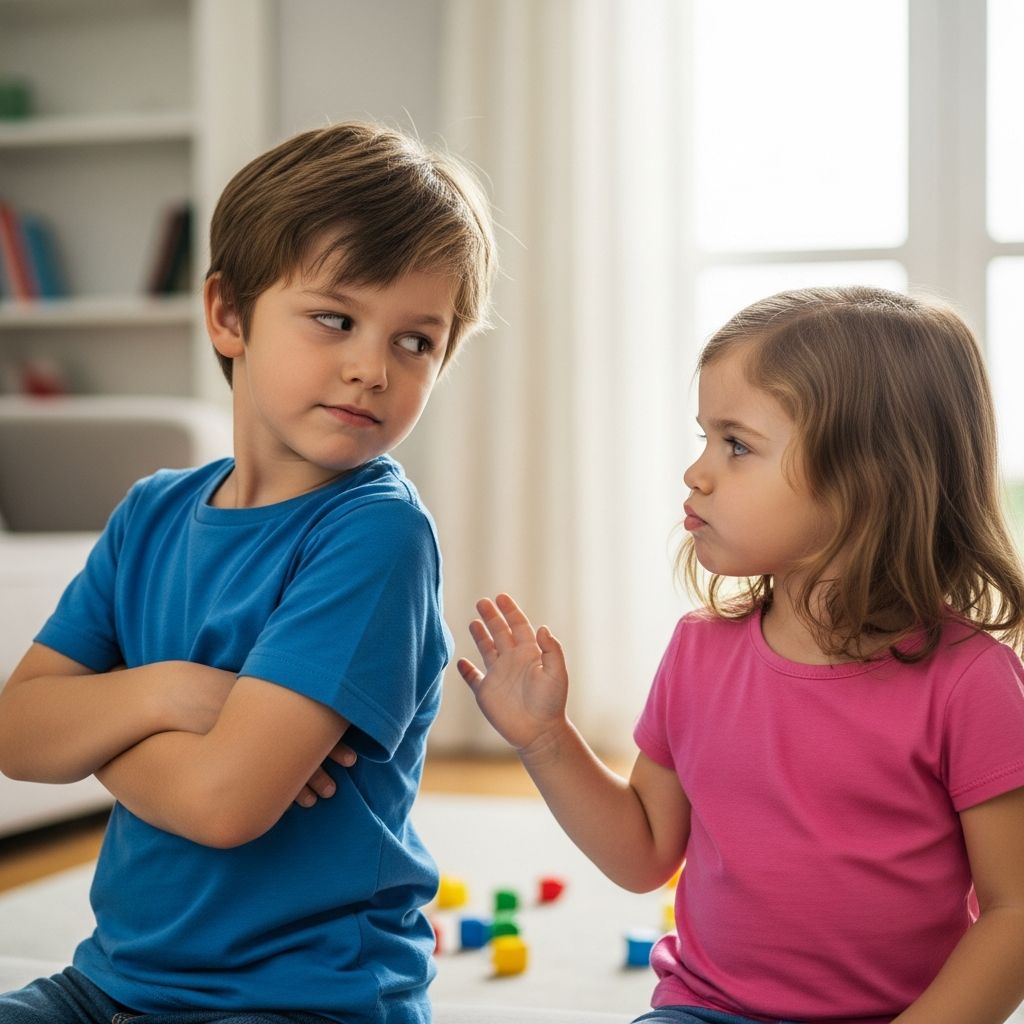
Sibling rivalry represents one of the most common family dynamics, affecting countless households worldwide. Brothers and sisters compete for attention, argue over possessions, and vie for parental approval in ways that can seem both trivial and intensely serious. But beneath the surface of these everyday squabbles lies an important question: Is sibling rivalry simply a normal part of growing up that helps children develop crucial life skills, or does it pose genuine risks to their emotional well-being and family relationships?
The answer, as with most aspects of child development, is nuanced. Research demonstrates that sibling relationships are among the most enduring relationships individuals experience, often outlasting even parent-child bonds. These relationships have the remarkable ability to shape children’s behavior, adjustment, and psychological well-being—for better or for worse. Understanding the nature of sibling rivalry, recognizing when it becomes problematic, and implementing evidence-based strategies can help families navigate this complex terrain.
Understanding Sibling Rivalry: Definition and Prevalence
Sibling rivalry encompasses the range of competitive, argumentative, and sometimes hostile interactions that occur between brothers and sisters. This rivalry can manifest in multiple forms, from verbal disputes and playful teasing to physical confrontations and emotional manipulation. At its core, sibling rivalry reflects children’s natural tendency to compare themselves with their siblings and to compete for limited family resources—most notably parental attention and approval.
The prevalence of sibling rivalry is nearly universal. Few families with multiple children escape entirely from conflicts between siblings. Some degree of rivalry appears to be a normal and perhaps even inevitable aspect of family life. However, the intensity, frequency, and nature of sibling conflicts vary considerably across families and change dramatically throughout childhood and adolescence.
The Root Causes of Sibling Rivalry
Understanding what drives sibling rivalry is essential for parents seeking to address and manage these conflicts effectively. Several interconnected factors contribute to the emergence and persistence of sibling rivalry in family systems.
Competition for Parental Attention
Perhaps the most fundamental cause of sibling rivalry is competition for parental attention and approval. Children are acutely aware of how much time and emotional energy their parents devote to each child. When children perceive that a sibling receives more attention, whether due to age differences, special needs, academic struggles, or behavioral issues, feelings of jealousy and resentment often emerge. This competition for parental resources can drive much of the conflictual behavior observed between siblings.
Individual Differences and Identity Development
As children mature, they increasingly discover their own interests, talents, and personality traits. Part of developing a distinct identity involves differentiating oneself from siblings. Age differences, variations in personality, and divergent interests create natural friction points. A child who excels academically may feel threatened by a sibling’s athletic achievements, or a creative child may resent a sibling’s social popularity. These differences, while ultimately enriching a family, can fuel rivalry as children seek to establish unique niches.
Sensitivity to Fairness and Equal Treatment
Children are remarkably attuned to issues of fairness and equality. They carefully monitor whether rules, punishments, privileges, and parental affection are distributed equitably. Any perceived unfairness—whether real or imagined—can generate substantial resentment. This heightened sensitivity to justice reflects children’s developing moral understanding but also makes them vulnerable to feeling wronged by their siblings’ perceived advantages.
Related Stories



Parental Comparisons
When parents explicitly or implicitly compare their children’s achievements, abilities, or behavior, they inadvertently fuel sibling rivalry. Comparisons breed resentment and intensify competitive dynamics. A parent who notes that one child is more athletic than another or that one sibling is more responsible reinforces differences and may motivate each child to prove their superiority in their own domain.
Is Sibling Rivalry Helpful for Child Development?
Research reveals that sibling relationships can offer genuine developmental benefits. When managed appropriately, sibling interactions provide valuable opportunities for social and emotional learning.
Positive Outcomes from Mild Conflict
Minor disagreements and squabbles between siblings can actually facilitate important developmental processes. Through low-level conflicts, children learn to negotiate, compromise, and resolve disputes. They practice perspective-taking by attempting to understand their sibling’s viewpoint. They develop problem-solving skills and learn how their actions affect others. These learning opportunities, occurring within the relatively safe context of family relationships, prepare children for handling conflicts in peer relationships, schools, and eventually workplaces.
Sibling Support and Learning
Beyond conflict management, sibling relationships offer mutual support and learning opportunities. Older siblings can serve as role models and mentors. Younger siblings learn by observing older siblings’ experiences and choices. Siblings support each other through challenges, celebrate successes together, and provide companionship that persists throughout life. These positive aspects of sibling relationships contribute significantly to children’s social competence and emotional resilience.
The Harmful Effects of Intense Sibling Conflict
While mild rivalry can be constructive, intense and prolonged sibling conflict poses genuine risks to children’s mental health and family functioning.
Psychological and Emotional Consequences
Research indicates that high levels of sibling conflict and aggression can have lasting negative effects on children’s mental health. Longitudinal studies have documented associations between sibling relational aggression—nonphysical forms of aggression such as excluding, belittling, or socially manipulating a sibling—and depression, low self-worth, anxiety, and participation in risky behaviors. Children exposed to intense sibling conflict may develop patterns of defensive or aggressive behavior that extend beyond the sibling relationship.
Differential Effects by Gender and Age
The negative consequences of sibling conflict vary depending on the gender composition of the sibling dyad and the relative ages of the children involved. Research indicates that boys and girls may respond differently to sibling conflict, and the effects differ between older and younger siblings as well as between same-gender and mixed-gender pairs. These variations highlight the importance of understanding the specific context and characteristics of each family system.
Long-term Mental Health Implications
While research on adolescent outcomes is more extensive, emerging evidence suggests that sibling conflict in childhood and adolescence may contribute to depression and loneliness in adulthood. These long-term consequences underscore the importance of addressing intense sibling rivalry rather than dismissing it as inevitable childhood behavior.
The Complex Nature of Sibling Relationships
An important finding from sibling research is that these relationships rarely fit into simple categories. Siblings who engage in intense conflict often simultaneously demonstrate intense loyalty and love for one another. This ambivalence—the coexistence of both negative and positive feelings—reflects the inherent complexity of sibling bonds. Understanding this complexity helps parents recognize that conflict and affection are not mutually exclusive and that even families experiencing significant sibling rivalry may have strong underlying attachments.
Developmental Trajectories of Sibling Relationships
The nature and intensity of sibling relationships change substantially across the lifespan. Research tracking siblings from middle childhood through young adulthood reveals important developmental patterns.
Middle Childhood to Early Adolescence: Sibling intimacy tends to decline during the transition from middle childhood into early adolescence, particularly in mixed-sex sibling pairs. Conflict during this period often peaks in early adolescence, though the timing of this peak may differ between firstborns and younger siblings.
Adolescence to Young Adulthood: As adolescents progress toward young adulthood, sibling conflict generally declines and levels off. Simultaneously, sibling intimacy increases through the mid-twenties before stabilizing. This developmental pattern suggests that many sibling conflicts are normative aspects of adolescent development rather than indicators of relationship dysfunction.
Structural Factors: The trajectory of sibling relationships is influenced by structural factors including sex constellation (same-gender versus mixed-gender pairs), age spacing, and birth order. These factors shape how siblings interact and the nature of conflicts that emerge.
Evidence-Based Strategies for Managing Sibling Rivalry
Parents can implement numerous evidence-based strategies to reduce destructive conflict while supporting positive sibling relationships.
Provide Individual Attention and Validation
Each child needs to feel individually valued and to receive dedicated parental attention focused on their unique interests and needs. Quality time spent one-on-one with each child, even in brief increments, helps satisfy children’s need for parental connection and reduces competition for attention. When one child requires more parental time due to medical issues, emotional problems, or behavioral concerns, explaining this situation to other children prevents them from making incorrect assumptions about parental favoritism.
Avoid Comparisons Between Siblings
Parents should consciously avoid comparing their children’s abilities, achievements, or behaviors. Instead of comparing, emphasize each child’s unique strengths and individual accomplishments. This approach acknowledges individual differences without creating competitive hierarchies or breeding resentment.
Establish and Enforce Clear Family Rules
Families benefit from establishing explicit rules about acceptable behavior and conflict resolution procedures. Rules should be developmentally appropriate, clearly communicated, and applied consistently across all children. Consistency helps children understand boundaries and reduces perceptions of unfairness that fuel rivalry.
Use Positive Reinforcement
Praising cooperative behavior and teamwork between siblings encourages more positive interactions. When children are recognized for helping each other, supporting one another, or resolving conflicts peacefully, they learn to repeat these behaviors. Positive reinforcement is typically more effective than punishment in shaping children’s behavior toward siblings.
Create Shared Family Experiences
Organizing family game nights, outings, and activities that include all children creates opportunities for positive interaction and shared enjoyment. Allowing each child to take turns selecting activities ensures that everyone’s preferences are valued and that each child experiences the family responding to their choices. These shared experiences build positive memories and reinforce family identity and cohesion.
Model Appropriate Conflict Resolution
Children learn conflict resolution skills by observing how their parents handle disagreements. Parents who demonstrate respectful communication, calm problem-solving, and willingness to compromise provide children with models for managing their own disputes. Conversely, parents who engage in aggressive, dismissive, or contemptuous conflict communication teach children to use these same approaches with siblings.
Seek Professional Support When Needed
When sibling rivalry becomes intense, unmanageable, or associated with aggression or psychological symptoms, professional intervention may be warranted. Family therapists and counselors can help families develop more effective communication patterns, address underlying issues contributing to conflict, and rebuild relationships damaged by intense rivalry.
Frequently Asked Questions About Sibling Rivalry
Q: At what age does sibling rivalry typically begin?
A: Sibling rivalry can emerge as soon as a second child enters the family, though it becomes more pronounced as children develop greater cognitive ability to recognize and resent perceived inequities. Early childhood rivalry often centers on competition for parental attention, while adolescent rivalry frequently involves autonomy, identity, and social status.
Q: Is some level of sibling conflict normal?
A: Yes, some degree of sibling conflict is normal and nearly universal in families with multiple children. The question is not whether conflict will occur but rather whether it remains at manageable levels and does not escalate into patterns of aggression or psychological harm.
Q: How can parents tell if sibling rivalry is becoming harmful?
A: Warning signs that sibling conflict may require intervention include: physical aggression, intentional psychological harm, exclusion or social manipulation, symptoms of depression or anxiety in either child, or conflict that disrupts family functioning. If rivalry is affecting children’s school performance, social relationships, or emotional well-being, professional support is advisable.
Q: Should parents always intervene in sibling conflicts?
A: Not always. Minor squabbles that children can resolve themselves provide valuable opportunities for learning conflict resolution and problem-solving skills. Parents should intervene when conflicts involve safety concerns, aggression, psychological harm, or when children are unable to resolve disputes independently.
Q: Can sibling rivalry actually benefit children?
A: When at appropriate levels, sibling rivalry can offer developmental benefits. Children learn negotiation, compromise, perspective-taking, and problem-solving through managing mild conflicts with siblings. These skills transfer to peer relationships and other social contexts, supporting overall social competence.
Q: How do birth order and gender affect sibling relationships?
A: Birth order, sibling gender composition (same-gender versus mixed-gender pairs), and age spacing all influence sibling relationship dynamics. These structural factors shape both the likelihood of conflict and the potential for intimacy, requiring parents to tailor their approaches to their specific family constellation.
Conclusion: Navigating the Complexity of Sibling Rivalry
Sibling rivalry emerges as neither wholly beneficial nor entirely harmful—rather, its impact depends on its intensity, duration, and the family context in which it occurs. Mild conflict provides developmental opportunities for learning essential life skills, while intense rivalry poses genuine risks to children’s mental health and well-being. The key for parents lies in recognizing that sibling relationships are among life’s most enduring and influential connections, worthy of intentional parental attention and support.
By implementing evidence-based strategies—providing individual attention, avoiding comparisons, establishing clear rules, using positive reinforcement, creating shared experiences, modeling healthy conflict resolution, and seeking professional help when needed—parents can help their children develop stronger, more positive sibling relationships. In doing so, they support not only immediate family harmony but also equip their children with relationship skills that will benefit them throughout their lives.
References
- Understanding Sibling Rivalry and How to Help — Utah State University Extension, Christina Pay. 2022. https://extension.usu.edu/relationships/faq/understanding-sibling-rivalry
- Patterns and Correlates of Changes in Sibling Intimacy and Conflict from Middle Childhood through Young Adulthood — National Institutes of Health, National Center for Biotechnology Information. 2024. https://pmc.ncbi.nlm.nih.gov/articles/PMC11910747/
- Improving Sibling Relationships — American Psychological Association, Monitor on Psychology. 2022. https://www.apa.org/monitor/2022/03/feature-sibling-relationships
Similar Articles








Read full bio of Sneha Tete