SIBO Diet: What To Eat And Avoid A Complete Guide
Discover effective dietary strategies for managing SIBO symptoms, including low FODMAP foods to eat and avoid for better gut health.
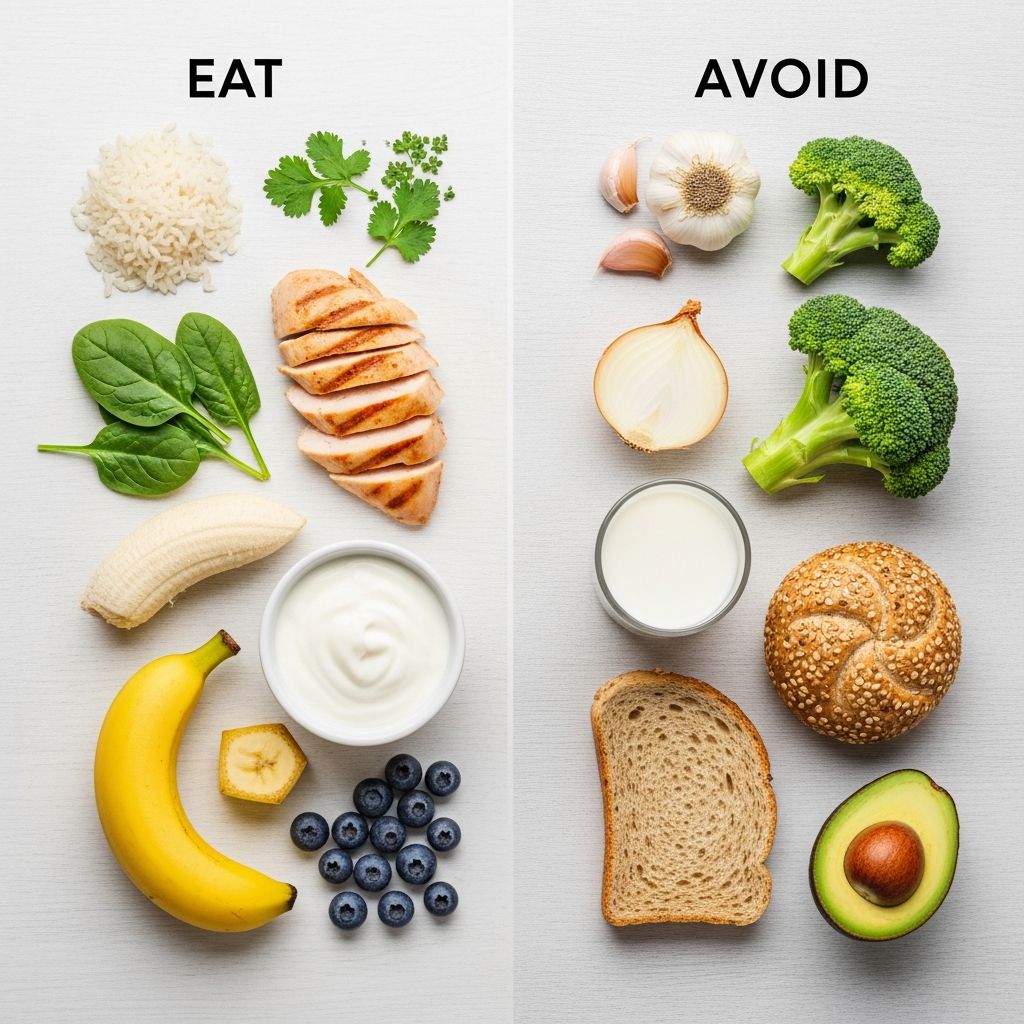
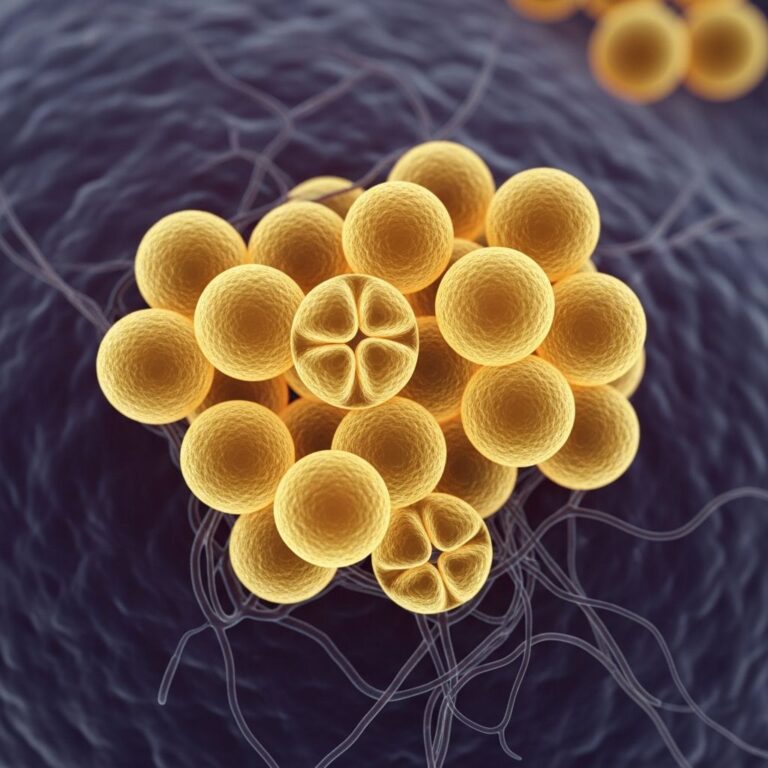
Small intestinal bacterial overgrowth (SIBO) occurs when excessive bacteria populate the small intestine, leading to symptoms like bloating, gas, diarrhea, and abdominal pain. A specialized SIBO diet can help manage these symptoms by reducing fermentable carbohydrates that feed the bacteria, though it’s not a cure and should complement medical treatments like antibiotics.
The SIBO diet typically involves eliminating high-fermentable foods temporarily, often following a low FODMAP approach, where FODMAP stands for fermentable oligosaccharides, disaccharides, monosaccharides, and polyols—carbs that gut bacteria ferment, producing gas and discomfort. Working with a registered dietitian is essential to tailor the diet, ensure nutrition, and plan food reintroduction.
What Is SIBO?
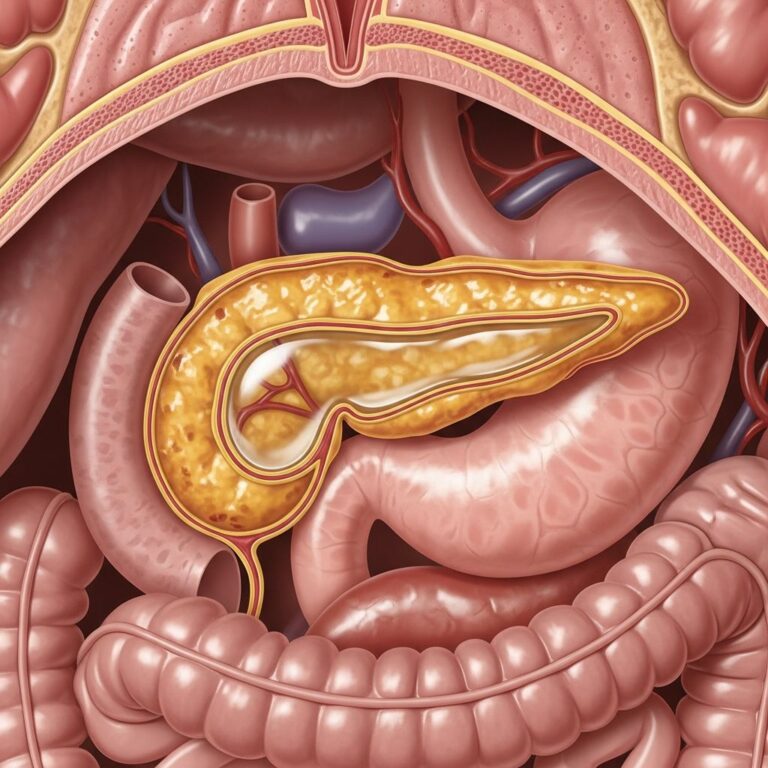
SIBO is characterized by an abnormal increase in bacterial populations in the small intestine, which normally has fewer bacteria than the large intestine. This overgrowth interferes with nutrient absorption, particularly fats, carbohydrates, and proteins, as bacteria break down bile salts needed for fat digestion and damage the intestinal lining.
Symptoms include bloating, flatulence, abdominal pain, diarrhea, constipation, nausea, and unintended weight loss due to malnutrition. In severe cases, it can lead to vitamin deficiencies, such as B12, causing anemia or neurological issues. Risk factors encompass structural issues like adhesions, motility disorders from diabetes or scleroderma, and obesity, where Western diets high in sugars and fats exacerbate bacterial imbalances.
Diagnosis often involves breath tests measuring hydrogen or methane from bacterial fermentation. While antibiotics remain the gold standard, dietary interventions support symptom relief by starving overgrown bacteria.
SIBO Symptoms
Common SIBO symptoms stem from gas production and poor nutrient uptake:
- Bloating and distension: Excess gas from fermenting carbs expands the abdomen.
- Abdominal pain: Inflammation and motility disruption cause cramping.
- Diarrhea or constipation: Bacterial competition for food and toxins trigger irregular bowel movements.
- Gas and flatulence: Fermentation byproducts like hydrogen and methane.
- Fatigue and malnutrition: Deficiencies in B12, iron, and fat-soluble vitamins.
These overlap with irritable bowel syndrome (IBS), making differentiation challenging without testing. Obesity increases SIBO risk threefold in Western populations due to dysbiosis favoring Firmicutes bacteria.
SIBO Causes and Risk Factors
SIBO arises when protective mechanisms fail:
- Motility issues: Slowed gut movement from opioids, diabetes, or post-surgery adhesions allows bacterial stasis.
- Structural abnormalities: Diverticula, strictures, or fistulas harbor bacteria.
- Acid reduction: Proton pump inhibitors lower stomach acid, a natural barrier.
- Immune deficiencies: Conditions like HIV or immunoglobulin issues impair bacterial control.
- Dietary factors: High-sugar, high-fat diets promote overgrowth, especially in obesity.
Recent studies link SIBO to 41% prevalence in obese individuals, emphasizing diet’s role in microbiota shifts.
Popular SIBO Diets
Several diets target fermentable substrates, but evidence is limited beyond the elemental diet.
Low FODMAP Diet
The most common, restricting FODMAPs to minimize fermentation. Studies on IBS show symptom relief, but SIBO-specific data is weak and cautions prolonged use due to gut microbiota harm. Implement in phases: elimination (4-6 weeks), reintroduction, and personalization under guidance.
Related Stories



Elemental Diet
The only proven dietary treatment, this liquid formula provides predigested nutrients bypassing bacterial fermentation. It eradicates SIBO in 80-85% of cases after 2-3 weeks, though costly and unpalatable. Prescribed medically for refractory cases.
Other Diets
Low-fiber, sugar alcohol-free, or specific carbohydrate diets lack robust evidence and are IBS extensions. Sulfur reduction may help hydrogen sulfide SIBO, but unproven. Avoid long-term restriction to prevent dysbiosis.
What to Eat on a SIBO Diet
Focus on low-fermentable, nutrient-dense foods. A dietitian-customized plan ensures balance.
| Category | Examples | Portion Notes |
|---|---|---|
| Proteins | Meat, fish, eggs, poultry | Lean cuts, baked/grilled |
| Vegetables | Leafy greens, carrots, broccoli heads (<3/4 cup), zucchini, spaghetti squash | Low FODMAP servings |
| Fruits | Blueberries, strawberries, oranges, grapes (small amounts) | 1/2 cup max |
| Grains | Quinoa, rice, gluten-free oats, rice noodles | Plain, unsweetened |
| Other | Potatoes, pumpkin, olives, peanuts, seeds | Moderate |
Use apps like Monash University FODMAP for tracking. Smaller, frequent meals aid digestion.
What to Avoid on a SIBO Diet
Eliminate high FODMAPs and fermentables:
- High FODMAP veggies: Onions, garlic, cauliflower, mushrooms.
- Fruits: Apples, pears, cherries, watermelon.
- Dairy: Milk, soft cheeses, yogurt (lactose).
- Grains/Legumes: Wheat, beans, lentils.
- Sweeteners: Honey, agave, sugar alcohols (sorbitol, mannitol), sucralose, inulin.
- High fiber: Bran, whole grains.
Reintroduce gradually to identify triggers.
SIBO Diet Food List
Foods to Eat:
- Proteins: Chicken, beef, salmon, eggs
- Veggies: Spinach, kale, cucumber, bell peppers
- Fruits: Kiwi, pineapple, cantaloupe (limited)
- Grains: Sourdough spelt (if tolerated), popcorn
Foods to Avoid:
- Dairy: Ice cream, custard
- Legumes: Chickpeas, soybeans
- Nuts: Cashews, pistachios
- Beverages: Apple juice, rum
Sample SIBO Diet Meal Plan
A 3-day low FODMAP plan (consult a professional):
Day 1:
Breakfast: Oatmeal with strawberries and peanuts.
Lunch: Grilled chicken salad with leafy greens, carrots, olive oil.
Dinner: Baked salmon, quinoa, steamed zucchini.
Snacks: Orange, rice crackers.
Day 2:
Breakfast: Eggs with spinach.
Lunch: Turkey rice bowl with pumpkin.
Dinner: Beef stir-fry with broccoli heads, potatoes.
Snacks: Blueberries, seeds.
Day 3:
Breakfast: Gluten-free cereal with lactose-free milk.
Lunch: Tuna salad with olives, greens.
Dinner: Eggplant (limited), rice noodles, fish.
Snacks: Grapes, carrots.
Emphasize hydration and probiotics post-antibiotics if advised.
Benefits and Risks of the SIBO Diet
Benefits: Symptom reduction, trigger identification, supports antibiotic efficacy. Low FODMAP aids 50-75% of IBS patients, potentially similar for SIBO.
Risks: Nutrient gaps, disordered eating, microbiota disruption from restriction. Elemental diet risks include intolerance; not for long-term. Monitor with professionals.
Frequently Asked Questions (FAQs)
Is avocado OK for SIBO?
Yes, avocados are low FODMAP in moderate portions (1/8 avocado), contrary to past beliefs about sorbitol content. Recent Monash data confirms safety, but limit to avoid excess.
Can the SIBO diet cure SIBO?
No, diets manage symptoms but don’t eradicate bacteria; antibiotics or elemental diet are needed for clearance.
How long to follow a SIBO diet?
2-6 weeks elimination, then reintroduce over 6-8 weeks. Long-term avoidance harms gut diversity.
Does low FODMAP work for everyone with SIBO?
Not universally; evidence is IBS-focused with mixed SIBO results. Personalization is key.
Outlook
While no diet cures SIBO standalone, strategic approaches like low FODMAP or elemental provide relief when medically supervised. Combine with motility aids, probiotics, and lifestyle changes for recurrence prevention. Consult gastroenterologists and dietitians for holistic management. Early intervention prevents complications like malnutrition.
References
- SIBO Diet 101: What You Should and Shouldn’t Eat — Healthline. 2023-10-15. https://www.healthline.com/health/sibo-diet
- Diet and intestinal bacterial overgrowth: Is there evidence? — PMC (NIH). 2022-06-22. https://pmc.ncbi.nlm.nih.gov/articles/PMC9198866/
- Small Intestinal Bacterial Overgrowth (SIBO) — Oshi Health. 2024-01-10. https://oshihealth.com/conditions/sibo/
- Certainties and uncertainties of SIBO — Gut Microbiota for Health. 2023-05-12. https://www.gutmicrobiotaforhealth.com/certainties-and-uncertainties-of-sibo/
- Small intestinal bacterial overgrowth (SIBO) – Symptoms & causes — Mayo Clinic. 2024-08-20. https://www.mayoclinic.org/diseases-conditions/small-intestinal-bacterial-overgrowth/symptoms-causes/syc-20370168
- IBS, SIBO (Small Intestinal Bacterial Overgrowth), or Both? 3 Things to Know — Yale Medicine. 2023-11-05. https://www.yalemedicine.org/news/ibs-sibo-small-intestinal-bacterial-overgrowth-or-both-3-things-to-know
Similar Articles








Read full bio of Sneha Tete