Sick Sinus Syndrome: Causes, Symptoms, and Treatment
Understanding sick sinus syndrome: causes, symptoms, diagnosis, and treatment options for this heart rhythm disorder.
What Is Sick Sinus Syndrome?
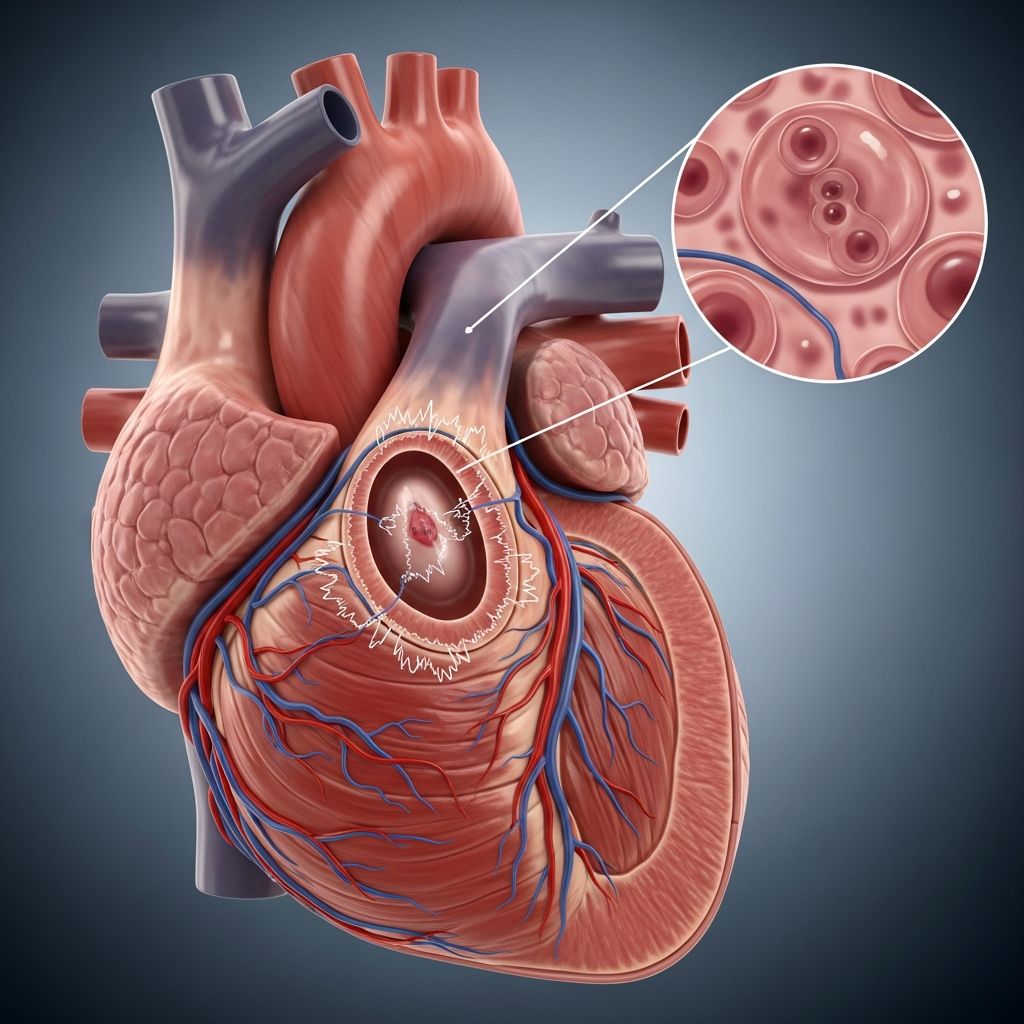
Sick sinus syndrome (SSS), also known as sinus node dysfunction, is a heart rhythm disorder that affects the sinus node—the heart’s natural pacemaker. The sinus node is responsible for generating the electrical impulses that regulate the heartbeat. When the sinus node is damaged or dysfunctional, it can result in slow, irregular, or paused heartbeats, leading to a variety of symptoms and complications.
Causes of Sick Sinus Syndrome
The causes of sick sinus syndrome can be broadly categorized into intrinsic and extrinsic factors. Intrinsic causes are related to the heart itself, while extrinsic causes are due to external factors or conditions that affect the heart’s electrical system.
Intrinsic Causes
- Age-related degeneration: The most common cause of sick sinus syndrome is age-related wear and tear of the sinus node tissue. As people age, the sinus node can become fibrotic, which impairs its ability to generate regular electrical impulses.
- Heart disease: Conditions such as coronary artery disease, cardiomyopathy, myocarditis, and congenital heart defects can damage the sinus node or disrupt the heart’s electrical system.
- Surgery: Heart surgeries, such as valve replacement or coronary artery bypass, can damage the heart’s electrical pathways and lead to sinus node dysfunction.
- Inflammatory diseases: Inflammatory conditions like pericarditis or endocarditis can cause inflammation of the heart tissue, leading to sick sinus syndrome.
- Genetic factors: Rare genetic mutations can cause familial or congenital forms of sick sinus syndrome.
Extrinsic Causes
- Medications: Certain medications used to treat high blood pressure, heart disease, or arrhythmias can interfere with sinus node function. These include calcium channel blockers, beta-blockers, antiarrhythmic drugs, and digoxin.
- Metabolic disorders: Imbalances in blood potassium, calcium, or magnesium levels can increase the risk of developing sick sinus syndrome.
- Other conditions: Obstructive sleep apnea, hypothyroidism, and neuromuscular diseases such as muscular dystrophy can also contribute to sinus node dysfunction.
Symptoms of Sick Sinus Syndrome
The symptoms of sick sinus syndrome can vary widely among individuals and may fluctuate in severity over time. Many people do not experience symptoms in the early stages of the disorder. When symptoms do occur, they may include:
- Fatigue
- Dizziness or lightheadedness
- Fainting (syncope)
- Palpitations
- Chest pain
- Shortness of breath
- Confusion
These symptoms are related to decreased blood flow to vital organs due to the irregular or slow heart rate.
Diagnosis of Sick Sinus Syndrome
Diagnosing sick sinus syndrome typically involves a combination of medical history, physical examination, and diagnostic tests. The goal is to identify the underlying cause of the sinus node dysfunction and rule out other potential causes of the symptoms.
Medical History and Physical Examination
Your healthcare provider will ask about your symptoms, medical history, and any medications you are taking. A physical examination may reveal signs of heart disease or other conditions that could be contributing to the sinus node dysfunction.
Diagnostic Tests
- Electrocardiogram (ECG): An ECG records the electrical activity of the heart and can help identify abnormal heart rhythms.
- Holter monitor: A portable ECG device that records the heart’s electrical activity over a 24- to 48-hour period.
- Event monitor: A portable device that records the heart’s electrical activity when symptoms occur.
- Electrophysiology study: A more invasive test that involves inserting catheters into the heart to record electrical activity and assess the function of the sinus node.
- Blood tests: Blood tests may be performed to check for metabolic imbalances or other conditions that could be contributing to the sinus node dysfunction.
Related Stories



Treatment of Sick Sinus Syndrome
The treatment of sick sinus syndrome depends on the severity of the symptoms and the underlying cause of the sinus node dysfunction. The main goals of treatment are to relieve symptoms, prevent complications, and improve quality of life.
Medications
Medications may be used to manage symptoms or treat underlying conditions. However, some medications used to treat high blood pressure or heart disease can worsen sinus node dysfunction, so your healthcare provider will carefully review your medication list and make adjustments as needed.
- Antiarrhythmic drugs: These medications can help control fast heart rates (tachycardia) associated with sick sinus syndrome.
- Blood thinners: If sick sinus syndrome is associated with atrial fibrillation or other irregular heart rhythms, blood thinners (anticoagulants) may be prescribed to reduce the risk of stroke.
Pacemaker Implantation
For most symptomatic patients, the primary treatment for sick sinus syndrome is the implantation of a pacemaker. A pacemaker is a small electronic device that is implanted under the skin near the clavicle. The pacemaker sends electrical impulses to the heart to maintain a regular heartbeat.
- Dual-chamber pacemakers: These pacemakers have leads that pace both the atria and ventricles, providing more natural heart rhythm control.
- Single-chamber pacemakers: These pacemakers pace only the atria or ventricles, depending on the patient’s needs.
Pacemaker implantation is usually performed as a minor surgical procedure and is highly effective in relieving symptoms and preventing complications.
Lifestyle Changes
In addition to medical treatment, lifestyle changes can help manage sick sinus syndrome and reduce the risk of complications.
- Control blood pressure and cholesterol: Make lifestyle changes and take medications as prescribed to manage high blood pressure or high cholesterol.
- Don’t smoke: If you smoke, talk to your healthcare provider about ways to quit.
- Moderate alcohol consumption: If you drink alcohol, do so in moderation. Ask your healthcare provider for advice specific to your condition.
- Regular checkups: Attend regular health checkups to monitor your condition and adjust treatment as needed.
Complications of Sick Sinus Syndrome
If left untreated, sick sinus syndrome can lead to serious complications, including:
- Fainting (syncope)
- Heart failure
- Stroke
- Sudden cardiac death (rare)
Regular monitoring and appropriate treatment can help prevent these complications.
Living with Sick Sinus Syndrome
Living with sick sinus syndrome requires ongoing management and regular follow-up with your healthcare provider. Most people with sick sinus syndrome can lead normal, active lives with appropriate treatment.
- Follow your treatment plan and take medications as prescribed.
- Attend regular checkups to monitor your condition.
- Make lifestyle changes to reduce your risk of complications.
- Seek medical attention if you experience new or worsening symptoms.
Frequently Asked Questions (FAQs)
Q: What is the main cause of sick sinus syndrome?
A: The most common cause of sick sinus syndrome is age-related degeneration of the sinus node tissue, but it can also be caused by heart disease, surgery, inflammatory diseases, medications, and genetic factors.
Q: What are the symptoms of sick sinus syndrome?
A: Symptoms may include fatigue, dizziness, fainting, palpitations, chest pain, shortness of breath, and confusion.
Q: How is sick sinus syndrome diagnosed?
A: Diagnosis typically involves a medical history, physical examination, and diagnostic tests such as an ECG, Holter monitor, event monitor, electrophysiology study, and blood tests.
Q: What is the treatment for sick sinus syndrome?
A: Treatment may include medications, pacemaker implantation, and lifestyle changes. The mainstay of treatment for symptomatic patients is pacemaker implantation.
Q: Can sick sinus syndrome be prevented?
A: While some risk factors like age and genetics cannot be controlled, you can reduce your risk by managing heart disease, avoiding certain medications, and making healthy lifestyle choices.
References
- Sick Sinus Syndrome – Mayo Clinic — Mayo Clinic. 2023. https://www.mayoclinic.org/diseases-conditions/sick-sinus-syndrome/symptoms-causes/syc-20377554
- Sick Sinus Syndrome – Diagnosis & Treatment – Mayo Clinic — Mayo Clinic. 2023. https://www.mayoclinic.org/diseases-conditions/sick-sinus-syndrome/diagnosis-treatment/drc-20377560
- Sick Sinus Syndrome: Symptoms & Treatment – Mass General Brigham — Mass General Brigham. 2023. https://www.massgeneralbrigham.org/en/patient-care/services-and-specialties/heart/conditions/sick-sinus-syndrome
- Sick Sinus Syndrome – The Cardiology Advisor — The Cardiology Advisor. 2023. https://www.thecardiologyadvisor.com/ddi/sick-sinus-syndrome/
- Sick Sinus Syndrome – StatPearls – NCBI Bookshelf — StatPearls. 2023. https://www.ncbi.nlm.nih.gov/books/NBK470599/
Similar Articles








Read full bio of Sneha Tete