Sickle Cell Disease Symptoms: 6 Warning Signs You Shouldn’t Ignore
Recognizing the signs of sickle cell disease: From pain crises to complications and when to seek help.
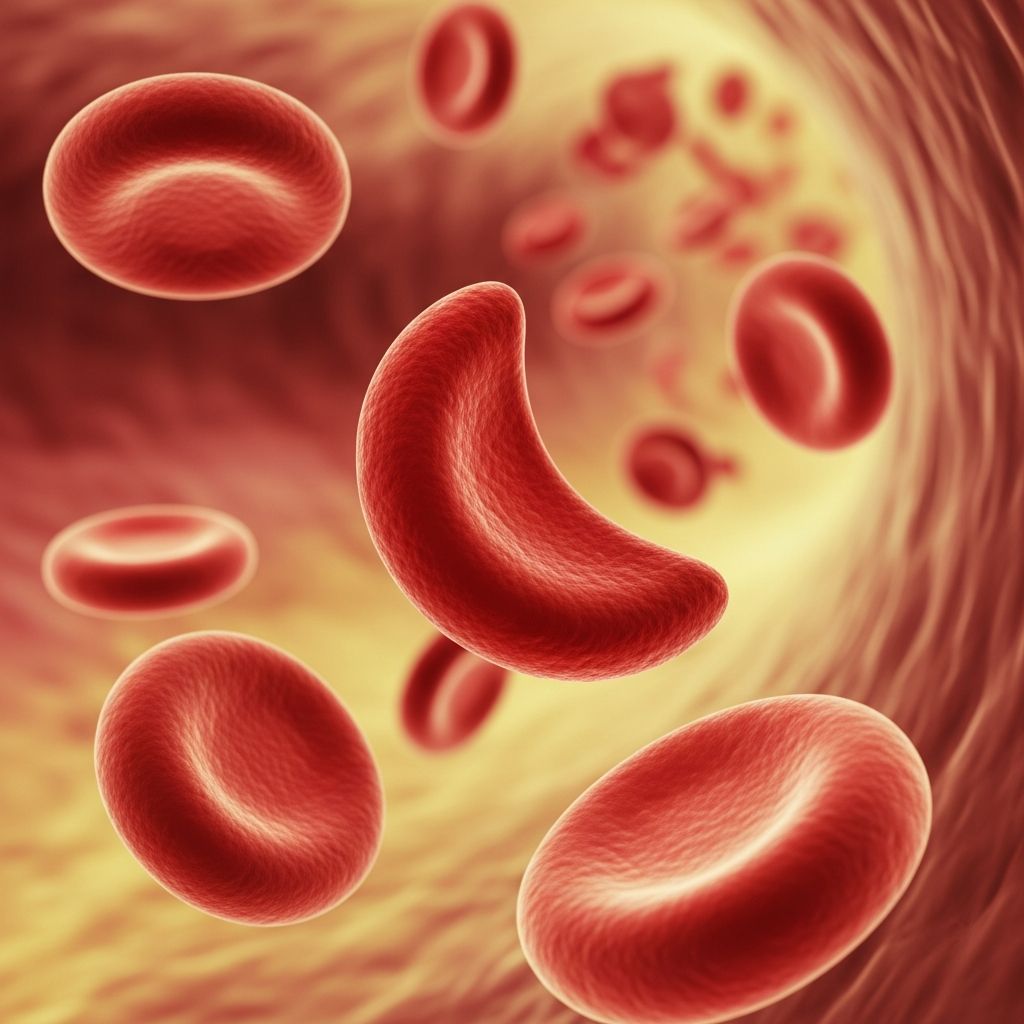
Sickle cell disease (SCD) is a genetic blood disorder where red blood cells become rigid and sickle-shaped, blocking blood flow and causing pain, anemia, and organ damage. Symptoms typically begin around 6 months of age and vary in severity.
What Is Sickle Cell Disease?
Sickle cell disease encompasses inherited disorders affecting hemoglobin, the oxygen-carrying protein in red blood cells. Normally round and flexible, these cells become crescent-shaped (sickled) due to a mutation in the HBB gene, leading to blockages in small blood vessels, reduced oxygen delivery, and rapid cell breakdown.
The most severe form is sickle cell anemia, common in people of African, Mediterranean, Middle Eastern, and Indian descent. Sickled cells are sticky and rigid, causing vaso-occlusive crises where blood flow is obstructed, resulting in tissue damage and pain. Chronic hemolysis (red blood cell destruction) leads to ongoing anemia.
SCD is inherited autosomal recessively; individuals with two mutated genes have the full disease, while carriers (one mutated gene) have sickle cell trait and are usually asymptomatic but can pass it on. Early newborn screening is vital for prompt management.
Sickle Cell Disease Symptoms
Symptoms arise from blocked blood vessels, anemia, and organ stress. They can fluctuate, with triggers like dehydration, infection, cold, stress, or high altitude precipitating crises.
- Pain episodes (crises): The hallmark symptom, vaso-occlusive crises cause sudden, severe pain in bones, chest, abdomen, or joints due to blocked vessels. Pain lasts hours to days, may require hospitalization, and frequency varies from a few to dozens yearly. Chronic pain from tissue damage is also common.
- Anemia: Rapid sickle cell breakdown causes fatigue, weakness, pallor, shortness of breath, dizziness, and jaundice from bilirubin buildup.
- Swelling of hands and feet (dactylitis): Often the first sign in infants, from blocked circulation causing painful hand-foot syndrome.
- Frequent infections: Spleen damage impairs immunity, increasing risks of pneumonia, meningitis, and other infections. Vaccinations and prophylactic antibiotics are standard.
- Delayed growth and puberty: Chronic anemia and high energy demands stunt growth in children and delay development.
- Vision problems: Blocked retinal vessels can cause retinopathy and vision loss.
Sickle Cell Disease Complications
Untreated SCD leads to severe, potentially fatal complications from repeated blockages and oxygen deprivation.
| Complication | Description | Symptoms |
|---|---|---|
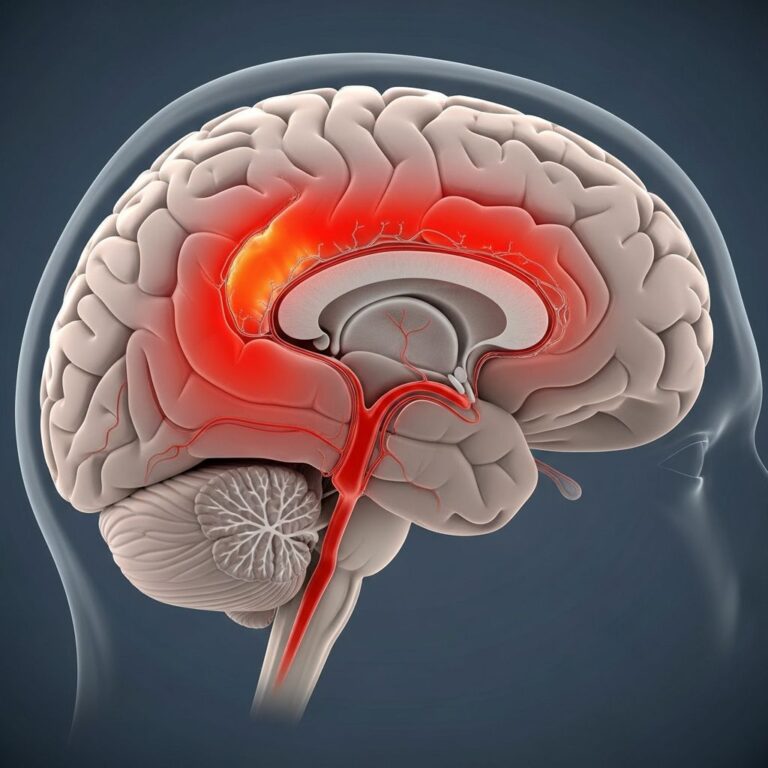
| Stroke | Blocked brain vessels; more common in children. | Sudden weakness, paralysis, confusion, speech issues, seizures, headache. Emergency care essential. |
| Acute chest syndrome | Lung vessel blockage or infection; life-threatening. | Chest pain, fever, cough, breathing difficulty. |
| Avascular necrosis | Bone tissue death from poor blood supply, often hips. | Joint pain, limping, arthritis. |
| Pulmonary hypertension | High lung pressure, mainly adults. | Shortness of breath, fatigue; fatal if untreated. |
| Organ damage | Kidneys, liver, spleen affected. | Pain, dysfunction; spleen often enlarges then scars. |
| Splenic sequestration | Sickle cells trap in spleen, causing enlargement. | Abdominal pain, shock; life-threatening in kids. |
| Blindness | Retinal vessel damage. | Progressive vision loss. |
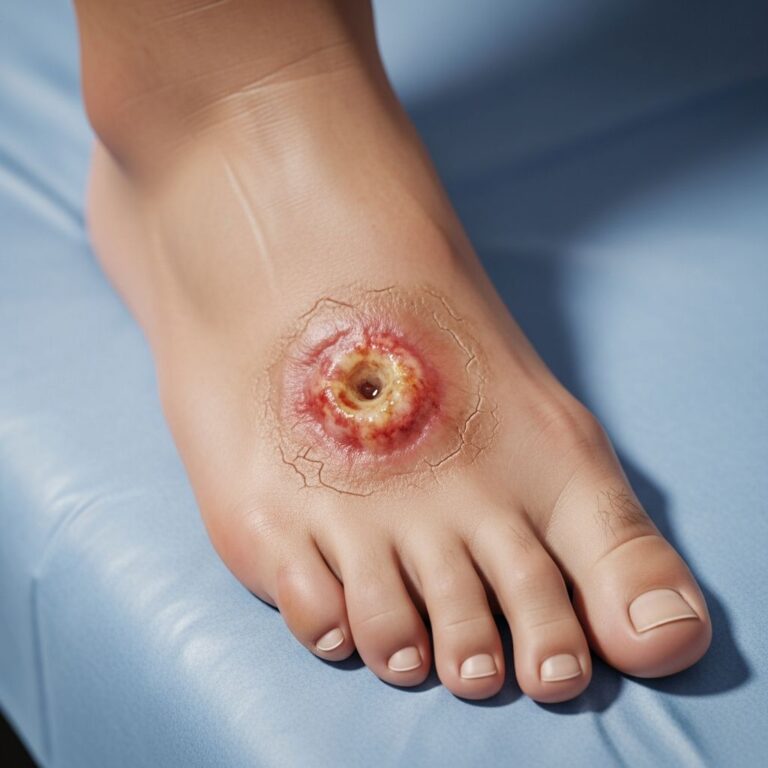
| Leg ulcers | Chronic lower leg sores. | Painful, slow-healing. |
| Gallstones | From excess bilirubin. | Abdominal pain. |
When to See a Doctor
Seek immediate care for severe pain not relieved by home measures, fever over 101.3°F (38.5°C), chest pain, breathing issues, sudden weakness, confusion, priapism (prolonged erection), or spleen enlargement. Routine monitoring prevents crises.
Children need regular checkups for spleen checks, vaccinations, and transfusions if high stroke risk. Adults watch for pulmonary issues and ulcers.
Sickle Cell Disease Diagnosis
Newborn screening via heel-prick blood test detects abnormal hemoglobin. Confirmatory tests like hemoglobin electrophoresis identify variants. Prenatal testing is available.
Sickle Cell Disease Treatment
No universal cure, but management relieves symptoms and prevents complications. Options include:
- Hydroxyurea: Boosts fetal hemoglobin, reduces crises.
- Pain management: Hydration, NSAIDs, opioids.
- Blood transfusions: For severe anemia or stroke prevention.
- Vaccines/antibiotics: Infection prophylaxis.
- Bone marrow transplant: Potential cure for severe cases.
- Gene therapies: Emerging FDA-approved options like Casgevy.
Related Stories



Lifestyle: Hydration, warmth, stress avoidance, healthy diet.
Frequently Asked Questions (FAQs)
What causes sickle cell disease?
A mutation in the HBB gene produces hemoglobin S, distorting red blood cells.
At what age do symptoms start?
Around 5-6 months when fetal hemoglobin declines.
Can sickle cell disease be cured?
Bone marrow transplants or gene therapy can cure some; others manage lifelong.
Is sickle cell disease fatal?
With treatment, life expectancy improves; complications like stroke can be deadly without care.
How is sickle cell trait different?
Carriers have one mutated gene, usually no symptoms, but risk crises under extreme conditions.
This article provides an overview; consult healthcare providers for personalized advice. Early intervention transforms SCD management.
References
- Sickle-cell disease — World Health Organization. 2022-09-15. https://www.who.int/news-room/fact-sheets/detail/sickle-cell-disease
- Sickle cell anemia – Symptoms & causes — Mayo Clinic. 2023-11-16. https://www.mayoclinic.org/diseases-conditions/sickle-cell-anemia/symptoms-causes/syc-20355876
- Sickle Cell Disease (SCD) — Cleveland Clinic. 2023-08-23. https://my.clevelandclinic.org/health/diseases/12100-sickle-cell-disease
- Understanding Sickle cell disease: Causes, symptoms — PubMed. 2023-10-01. https://pubmed.ncbi.nlm.nih.gov/37746969/
Similar Articles








Read full bio of Sneha Tete