Side Effects Of Turmeric: 9 Risks, Safe Usage Tips
Turmeric offers health benefits but high doses in supplements can lead to serious side effects like liver damage, digestive issues, and more.
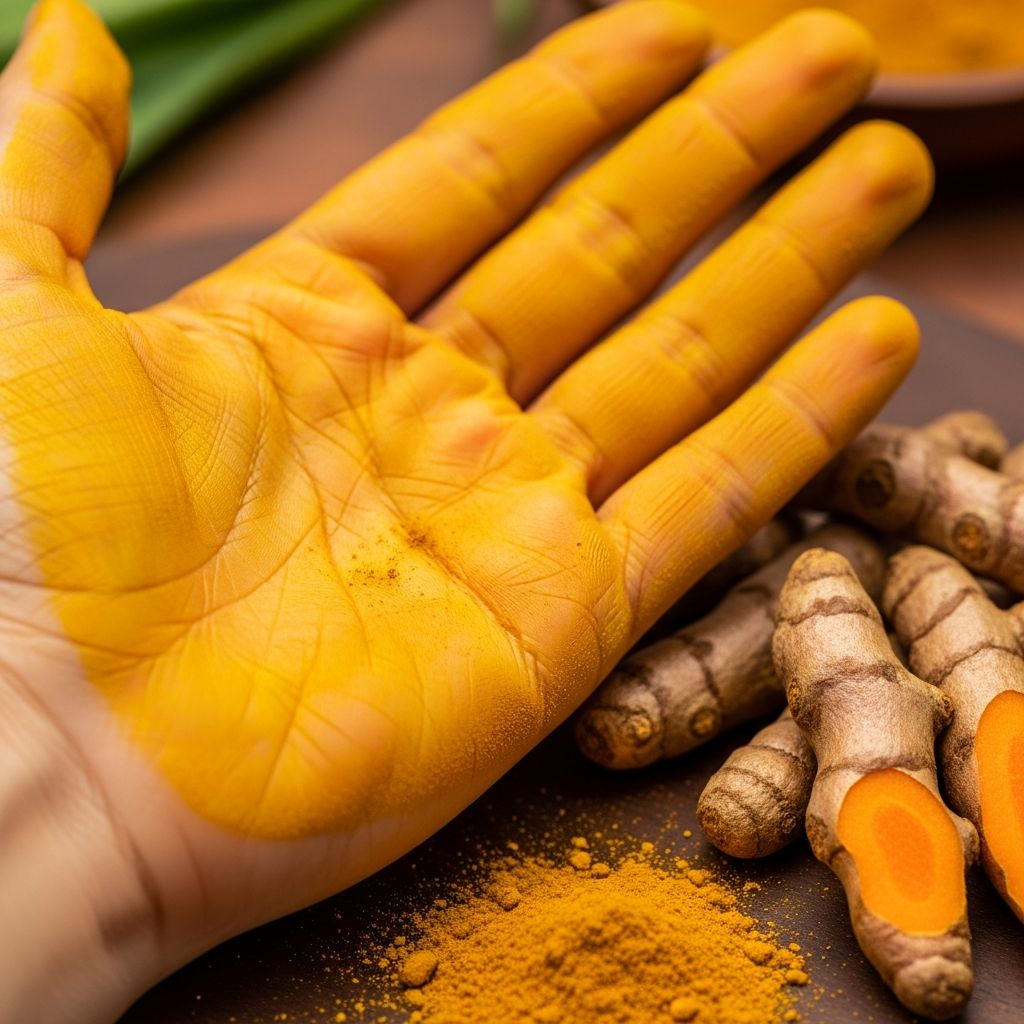
Turmeric, a vibrant yellow spice commonly used in cooking and traditional medicine, contains curcumin, a compound praised for its anti-inflammatory and antioxidant properties. While culinary use is generally safe, turmeric supplements at high doses can lead to side effects ranging from mild digestive upset to severe liver damage.
What Is Turmeric?
Turmeric (Curcuma longa) originates from India and Southeast Asia, where it has been integral to Ayurvedic, Chinese, and other traditional systems for treating indigestion, arthritis, skin issues, and more. Its active ingredient, curcumin, drives most studied benefits like reducing inflammation and oxidative stress. Modern supplements often enhance curcumin’s poor bioavailability with additions like piperine from black pepper.
In food, turmeric adds flavor and color to curries, teas, and golden milk. Supplements, however, deliver concentrated doses—often 500–2,000 mg daily—far exceeding typical dietary intake of 2–3 grams of spice.
9 Side Effects of Turmeric
While moderate use is safe, excessive turmeric or curcumin intake, especially in bioavailable formulations, poses risks. Here are the primary side effects supported by clinical evidence and expert warnings:
- Digestive Issues: Nausea, vomiting, acid reflux, stomach upset, diarrhea, or constipation are the most common, affecting up to 10–20% of supplement users. These stem from curcumin’s impact on gastric motility.
- Liver Damage: High-dose supplements, particularly bioavailable forms, have been linked to drug-induced liver injury (DILI). About 20% of U.S. DILI cases involve supplements like turmeric, with symptoms including fatigue, jaundice, dark urine, and abdominal pain. Yale experts note doses over 2,000 mg exceed WHO limits (200–270 mg daily based on body weight).
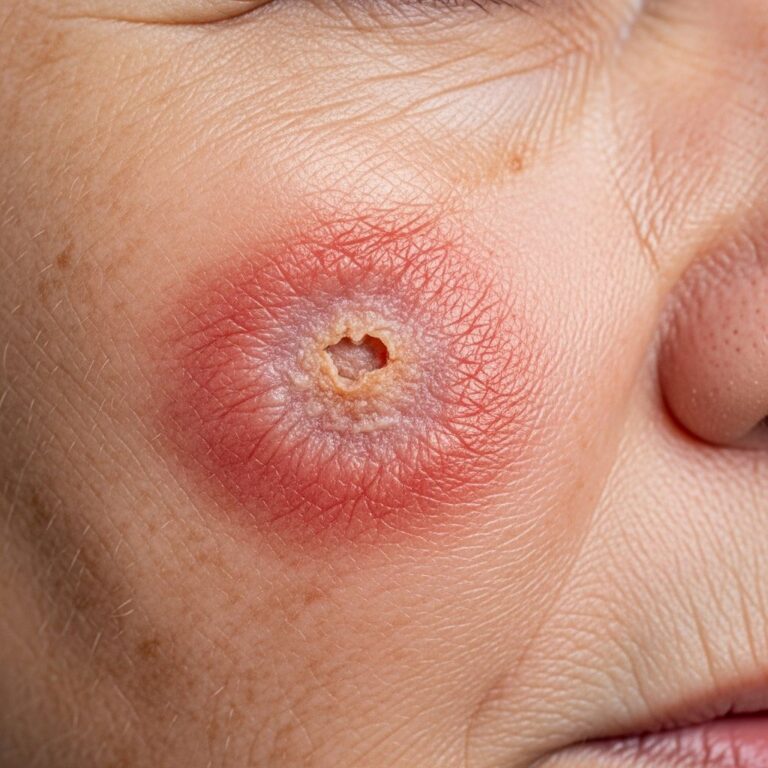
- Allergic Reactions: Rash, hives, or itching, especially with topical use. Oral forms may trigger similar responses in sensitive individuals.
- Kidney Stones: Turmeric’s oxalates can contribute to calcium oxalate stones in predisposed people.
- Blood Sugar Lowering: Curcumin may enhance insulin sensitivity, risking hypoglycemia in diabetics on medication.
- Dizziness: Reported in high doses, possibly due to blood pressure effects.
- Topical Irritation: Curcumin creams can cause hives or contact dermatitis.
- Hormonal Interference: Potential estrogen-like effects may worsen hormone-sensitive conditions like breast cancer.
- Gallbladder Issues: Stimulates bile production, risky for those with gallstones.
Turmeric and Liver Damage
Recent concerns focus on turmeric supplements causing hepatotoxicity. The NIH warns that enhanced-bioavailability curcumin products have led to liver injury cases, with symptoms like jaundice prompting immediate discontinuation. A Yale hepatologist reports turmeric among top culprits, as megadosing ignores WHO guidelines.
Symptoms of liver damage include fatigue, nausea, poor appetite, dark urine, yellowing skin/eyes, and right-upper abdominal pain. While many cases resolve upon stopping use, severe instances can lead to failure. Those with pre-existing liver conditions face higher risks.
Turmeric Dosage: How Much Is Too Much?
The WHO recommends no more than 200 mg turmeric (or ~3 mg curcumin) daily for a 150-pound person, scaling to 270 mg for 200 pounds. Culinary use stays well below this, but supplements often provide 500–4,000 mg curcumin.
| Form | Typical Dose | Safe Limit | Risk Level |
|---|---|---|---|
| Culinary Spice | 1–3 g/day | Unlimited (food amounts) | Low |
| Standard Supplement | 500–2,000 mg curcumin | Up to 2–3 months short-term | Moderate |
| Bioavailable (w/ piperine) | 400–1,000 mg | Avoid high/long-term | High (liver risk) |
Exceeding limits increases side effect odds. NCCIH states conventional oral turmeric is likely safe short-term, but bioavailable forms warrant caution.
Who Should Not Take Turmeric Supplements?
- Pregnant or breastfeeding women: Insufficient safety data; may be unsafe in supplement doses.
- Those with gallstones or bile duct issues: Increases bile flow.
- Kidney stone formers: High oxalate content.
- Diabetes patients on meds: Hypoglycemia risk.
- Hormone-sensitive cancer patients: Possible estrogenic activity.
- Liver disease patients: Heightened DILI risk.
- Pre-surgery: May thin blood.
Related Stories



Turmeric Interactions
Turmeric can interact with medications:
- Blood thinners (e.g., warfarin): Enhances anticoagulant effects, raising bleed risk.
- Diabetes drugs: Amplifies blood sugar lowering.
- Antacids/PPIs: May reduce curcumin absorption.
- Chemotherapy: Potential modulation; consult oncologist.
Always disclose supplements to providers, as FDA regulates them as foods, not drugs, skipping pre-market safety checks.
Benefits of Turmeric: Do They Outweigh the Risks?
Promoted for osteoarthritis, NAFLD, high cholesterol, and oral mucositis, evidence is preliminary. Meta-analyses show modest knee pain relief, but bioavailability variability confounds results. NAFLD symptom improvements noted, yet definitive benefits lack.
Benefits may not justify risks for healthy individuals; food sources suffice for most.
Safe Ways to Use Turmeric
- Stick to food: Curries, teas (1–2 tsp/day).
- Choose reputable supplements: Third-party tested, low-dose.
- Start low: 400–500 mg curcumin/day.
- Monitor: Stop if symptoms arise.
- Consult doctor: Especially with conditions/meds.
Frequently Asked Questions (FAQs)
Is turmeric safe to take every day?
Yes, in food amounts. Supplements safe short-term at recommended doses, but avoid long-term high intake due to liver risks.
Can turmeric cause liver problems?
Yes, high-dose or bioavailable supplements linked to liver injury. Seek medical help for symptoms like jaundice.
Who should avoid turmeric supplements?
Pregnant/breastfeeding women, those with liver/gallbladder/kidney issues, diabetics on meds, and hormone-sensitive cancer patients.
Does turmeric interact with medications?
Yes, notably blood thinners and diabetes drugs. Consult your healthcare provider.
How much turmeric is safe per day?
WHO: ~200–270 mg based on weight. Food use is safest.
Is topical turmeric safe?
Generally, but can cause skin irritation or hives in some.
References
- Turmeric and 10 other popular supplements that can damage your liver — Yale New Haven Health. 2025-09-11. https://www.ynhhs.org/articles/supplements-liver-damage
- Turmeric: Usefulness and Safety — National Center for Complementary and Integrative Health (NCCIH), NIH. Accessed 2026. https://www.nccih.nih.gov/health/turmeric
Similar Articles








Read full bio of medha deb