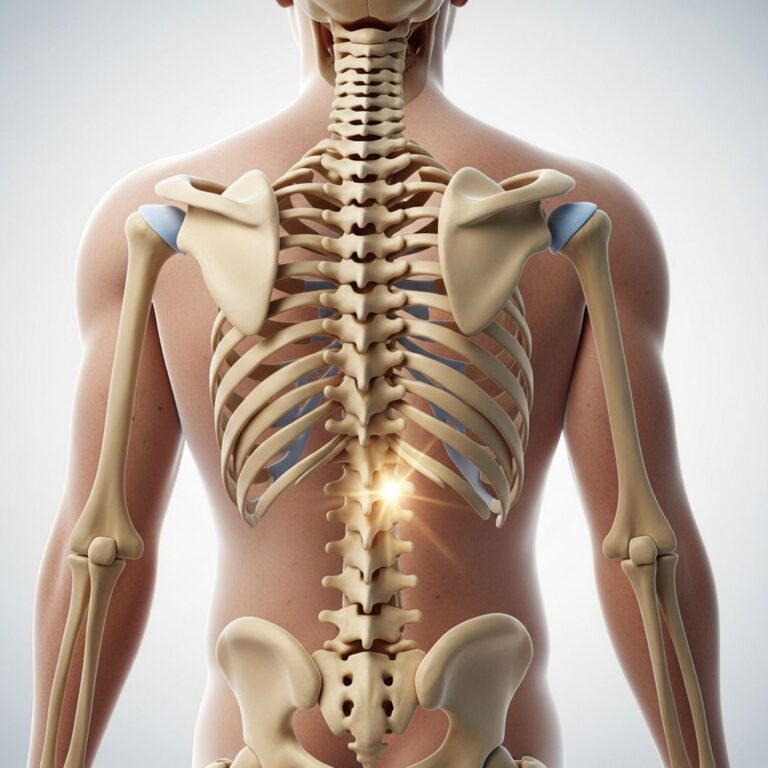
Side Lunge with Knee Lift: Technique, Benefits & Modifications
Master the side lunge with knee lift to enhance balance, strengthen lower body, and improve functional fitness.
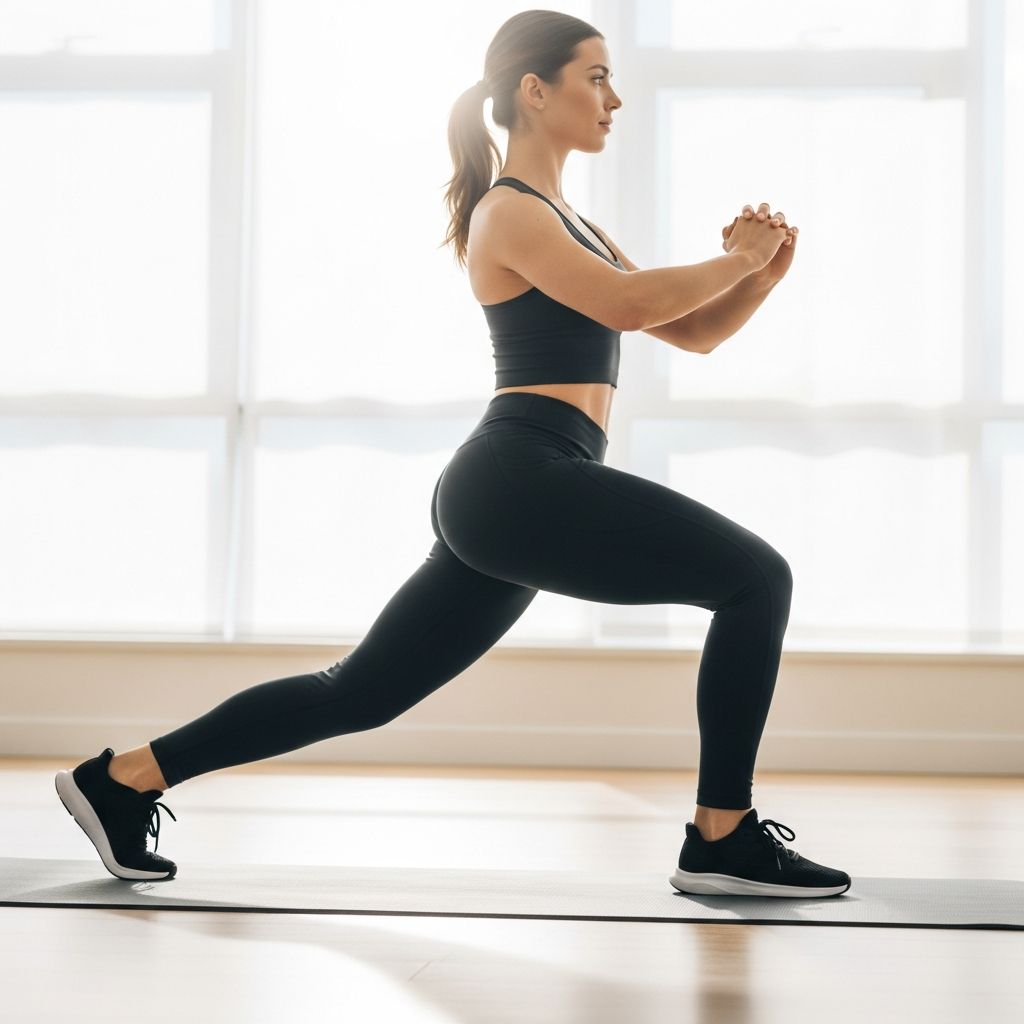
Side Lunge with Knee Lift: A Powerful Exercise for Balance and Strength
The side lunge with knee lift is a dynamic, functional exercise that combines lateral movement with balance training. This compound movement integrates the benefits of traditional side lunges while adding an additional challenge through the knee lift component. By stepping to the side and driving your knee upward, you create a comprehensive workout that targets multiple muscle groups while significantly improving your stability and coordination. This exercise is particularly valuable for individuals looking to enhance their everyday movement quality and athletic performance.
Understanding the Side Lunge with Knee Lift
A side lunge with knee lift is a frontal-plane exercise that combines lateral stepping with unilateral balance work. Unlike forward or reverse lunges that move in the sagittal plane, the side lunge with knee lift operates in the lateral plane, stepping to the side rather than forward or backward. The addition of the knee lift transforms this movement into a balance-challenging exercise that requires significant core stabilization and proprioceptive control.
This exercise involves starting with your feet together, stepping out to the side, descending into a lunge position, and then driving your opposite knee upward as you return to standing. This knee lift component adds an extra layer of difficulty that pushes your balance and coordination to new levels.
Key Benefits of Side Lunges with Knee Lifts
Enhanced Balance and Stability
One of the primary benefits of the side lunge with knee lift is its exceptional ability to challenge and improve your balance. The unilateral nature of this exercise—where you’re standing on one leg while driving the other knee upward—demands significant proprioceptive input and core engagement. This makes it an ideal exercise for developing postural stability and reducing fall risk, which is particularly important as we age or return from injury.
Comprehensive Lower Body Strengthening
The side lunge with knee lift targets nearly all the major muscles of the lower body in a single, efficient movement. This exercise effectively strengthens your glutes, quadriceps, hamstrings, and hip adductors. The stepping motion engages the gluteus medius, the muscle on the side of the hip, while the nonworking leg stretches the adductors or inner thigh muscles. The knee lift component further activates your hip flexors and continues to engage your core muscles throughout the movement.
Improved Core and Spinal Stability
As you perform the side lunge with knee lift, your core muscles work diligently to prevent unwanted spinal flexion, extension, and rotation. This anti-rotational demand makes the exercise particularly effective for developing functional core strength that translates to everyday activities. A strong, stable core is essential for proper posture, injury prevention, and optimal performance in both athletic and daily pursuits.
Better Lateral Mobility and Movement
Side lunges with knee lifts train your body to move effectively in the lateral direction, which is often neglected in traditional training programs. This lateral plane work improves your overall movement capacity, making it easier to move side-to-side in sports, dancing, or recreational activities. Enhanced lateral mobility translates to better agility and coordination in real-world scenarios.
Functional Movement Benefits
By incorporating lateral movements with knee lifts, this exercise enhances your ability to perform everyday activities more efficiently. Climbing stairs, walking up hills, and navigating uneven terrain all become easier with improved lower body strength and balance. The functional nature of this movement pattern makes it particularly valuable for maintaining independence and movement quality throughout life.
Related Stories



Proper Form and Technique
Step-by-Step Instructions
Starting Position: Begin by standing with your feet together and your toes pointed forward. Maintain an upright posture with your shoulders back and your core engaged. This is your neutral starting position for each repetition.
The Side Step: Take one large step to the side with your left leg, keeping your right leg straight. The distance of your step will depend on your fitness level and flexibility, but aim for a distance that allows you to maintain control and proper form.
The Lunge Descent: As you step out, begin to bend your left knee and hip, lowering your body into a side lunge position. Push your hips back slightly to engage your glutes and maintain proper alignment. Your left knee should track directly over your left foot and should not extend past your toes. Keep your right leg straight with your toes pointed forward, which creates a stretch in your right groin muscles.
The Knee Lift Drive: From the bottom of the lunge position, drive through your left heel and begin to return to standing. As you stand up, simultaneously drive your right knee upward toward your chest. This knee lift should be controlled and deliberate, engaging your hip flexors and core muscles. The knee lift is the key differentiator of this exercise variation, adding the balance challenge component.
Return to Start: Complete the movement by returning both feet to the starting position with feet together. Pause briefly before beginning your next repetition.
Form Cues and Alignment Tips
Maintaining proper form is essential for maximizing benefits and minimizing injury risk. Keep your chest up and your core engaged throughout the entire movement. Your bent knee should stay in alignment with your foot—avoid allowing it to cave inward or extend beyond your toes, as this protects the knee joint and maximizes muscle engagement. Focus on quality over quantity; controlled, deliberate movements yield better results than rushed repetitions.
Pay special attention to your balance during the knee lift phase. If you find yourself struggling to maintain stability, it may indicate that you need to reduce the height of your knee lift or work on simpler balance exercises before progressing.
Modifications for Different Fitness Levels
Easier Modifications
If you’re new to exercise or returning from injury, several modifications can make the side lunge with knee lift more accessible:
- Start with your feet in a narrower stance, which reduces the range of motion and balance challenge.
- Limit how much you bend your knee, going only as far as you feel stable.
- Reduce or eliminate the knee lift component initially, focusing on perfecting the side lunge movement first.
- Hold onto a wall, chair, or other stable surface for balance support while you build strength and confidence.
- Perform the movement more slowly, allowing yourself time to process balance feedback and make adjustments.
Advanced Modifications
As your strength and balance improve, you can increase the challenge by:
- Starting with your feet in a wider stance, which increases the range of motion and difficulty.
- Deepening the bend of your knee and lowering further into the lunge position. You’ll notice a more intense burn in your glutes as you get lower.
- Increasing the height of your knee lift, driving it higher toward your chest to amplify balance demands.
- Adding resistance by holding dumbbells, kettlebells, or a medicine ball.
- Pausing at the bottom of the lunge for 1-2 seconds before executing the knee lift.
- Performing the movement at a faster pace while maintaining control and proper form.
- Adding a rotation component by rotating your torso toward the lifted knee.
Muscles Worked and Biomechanics
The side lunge with knee lift engages multiple muscle groups in a coordinated, functional pattern. The primary movers include the glutes, quadriceps, hamstrings, and inner thigh adductors. The gluteus medius and minimus, muscles on the side of the hip, receive particular emphasis during the lateral stepping phase. Your core muscles, including the rectus abdominis, obliques, and deep stabilizers, work throughout the movement to maintain spinal stability and prevent unwanted rotation.
The knee lift phase additionally activates your hip flexors and iliopsoas, creating a comprehensive lower-body and core workout. This multi-muscle engagement makes the side lunge with knee lift an efficient exercise for total-body training programs.
Programming and Exercise Integration
Sets and Repetitions
For beginners, start with 2-3 sets of 8-10 repetitions per leg, focusing on perfect form over volume. As you progress, increase to 3-4 sets of 12-15 repetitions per leg. Advanced exercisers can perform 3-4 sets of 15-20 repetitions or add resistance for 8-12 repetitions with added weight.
Frequency
Include side lunges with knee lifts in your routine 2-3 times per week, allowing at least one rest day between sessions for proper recovery. This frequency allows for adequate stimulus while preventing overuse injuries.
Complementary Exercises
Pair side lunges with knee lifts with other functional movements such as forward lunges, reverse lunges, step-ups, and single-leg balance work. This creates a well-rounded lower-body training program that addresses movement in all planes.
Common Mistakes to Avoid
Knee Valgus: Allowing your knee to cave inward during the lunge phase increases injury risk. Keep your knee tracking over your foot throughout the movement.
Forward Knee Translation: Letting your knee extend too far past your toes places excessive stress on the knee joint. Maintain proper alignment with your knee over your ankle.
Excessive Torso Rotation: The upper body should remain relatively stable throughout the movement. Avoid rotating your torso excessively, which reduces core engagement and balance challenge.
Inadequate Depth: Going too shallow in the lunge phase reduces the effectiveness of the exercise. Aim for a comfortable depth where you can maintain control and proper form.
Rushed Knee Lift: The knee lift should be controlled and deliberate. Explosive, uncontrolled knee lifts reduce balance training benefits and increase injury risk.
Benefits Across Different Populations
Athletes and Sports Performance
The side lunge with knee lift improves lateral movement capabilities, which is valuable for sports requiring side-to-side agility such as basketball, tennis, soccer, and hockey. The balance training component enhances proprioception and reduces injury risk.
Injury Prevention and Rehabilitation
For individuals with knee concerns, the side lunge is often a more gentle option compared to forward lunges, as it distributes forces differently across the knee joint. The strengthening of hip stabilizers helps prevent common injuries related to weak hip musculature.
Aging Adults and Fall Prevention
The balance training component makes this exercise particularly valuable for older adults, as it improves stability and reduces fall risk through enhanced proprioception and lower-body strength.
Frequently Asked Questions
Q: How often should I perform side lunges with knee lifts?
A: Incorporate side lunges with knee lifts 2-3 times per week into your fitness routine, allowing adequate rest days between sessions for recovery and adaptation.
Q: Can I add weight to this exercise?
A: Yes, once you’ve mastered the bodyweight version, you can increase the challenge by holding dumbbells, kettlebells, or a medicine ball to add external resistance.
Q: Is the side lunge with knee lift suitable for people with knee problems?
A: The side lunge is often gentler on the knees than forward lunges, but if you have specific knee concerns, consult with a healthcare provider or physical therapist before beginning this exercise.
Q: What if I can’t maintain my balance during the knee lift?
A: Start with a narrower stance, reduce the height of your knee lift, hold onto a stable surface for support, or practice the basic side lunge without the knee lift until your balance improves.
Q: How can I progress this exercise without adding weight?
A: Increase depth, extend range of motion, increase repetitions, add pauses, reduce support surfaces, or perform variations such as rotation or faster tempo movements.
Q: Should my knee extend past my toes during the side lunge?
A: No, your bent knee should remain aligned over your foot. Allowing it to extend past your toes increases stress on the knee joint and reduces muscle engagement.
References
- Side Lunges: Tips and Variations — Hinge Health. 2024. https://www.hingehealth.com/resources/articles/side-lunge/
- The Side Lunge: How To, Benefits, Variations — Muscle & Fitness. 2024. https://www.muscleandfitness.com/workouts/leg-exercises/the-side-lunge-how-to-benefits-variations/
- 11 Benefits of Doing Lunges Regularly — Healthline. 2024. https://www.healthline.com/health/exercise-fitness/lunges-benefits
- Lateral Lunge: Benefits, Tips, & Variations — The Output by Peloton. 2024. https://www.onepeloton.com/blog/lateral-lunge
- Perfecting the Lateral Lunge: Expert Tips, Benefits, and Key Variations — Squat Wolf. 2024. https://squatwolf.com/blogs/fitness/lateral-lunge
Similar Articles








Read full bio of Sneha Tete