Sigmoidoscopy: Procedure, Preparation & Benefits
Complete guide to sigmoidoscopy: what to expect, how to prepare, and why it matters for your health.
Understanding Sigmoidoscopy: A Complete Overview
Sigmoidoscopy is a minimally invasive medical procedure that allows healthcare professionals to examine the lower portion of your large intestine, specifically the rectum and sigmoid colon. This diagnostic tool has become an essential component of colorectal cancer screening and helps identify various gastrointestinal conditions. The procedure uses a flexible, tube-like instrument called a sigmoidoscope, which is equipped with a light source, camera, and specialized instruments for tissue sampling and polyp removal.
The sigmoid colon represents the final section of the large intestine before it connects to the rectum. Approximately fifty percent of all lesions found in the lower intestines occur specifically in the rectum and sigmoid colon region, making sigmoidoscopy an important diagnostic tool for detecting and removing precancerous growths and other abnormalities.
What Is a Sigmoidoscope?
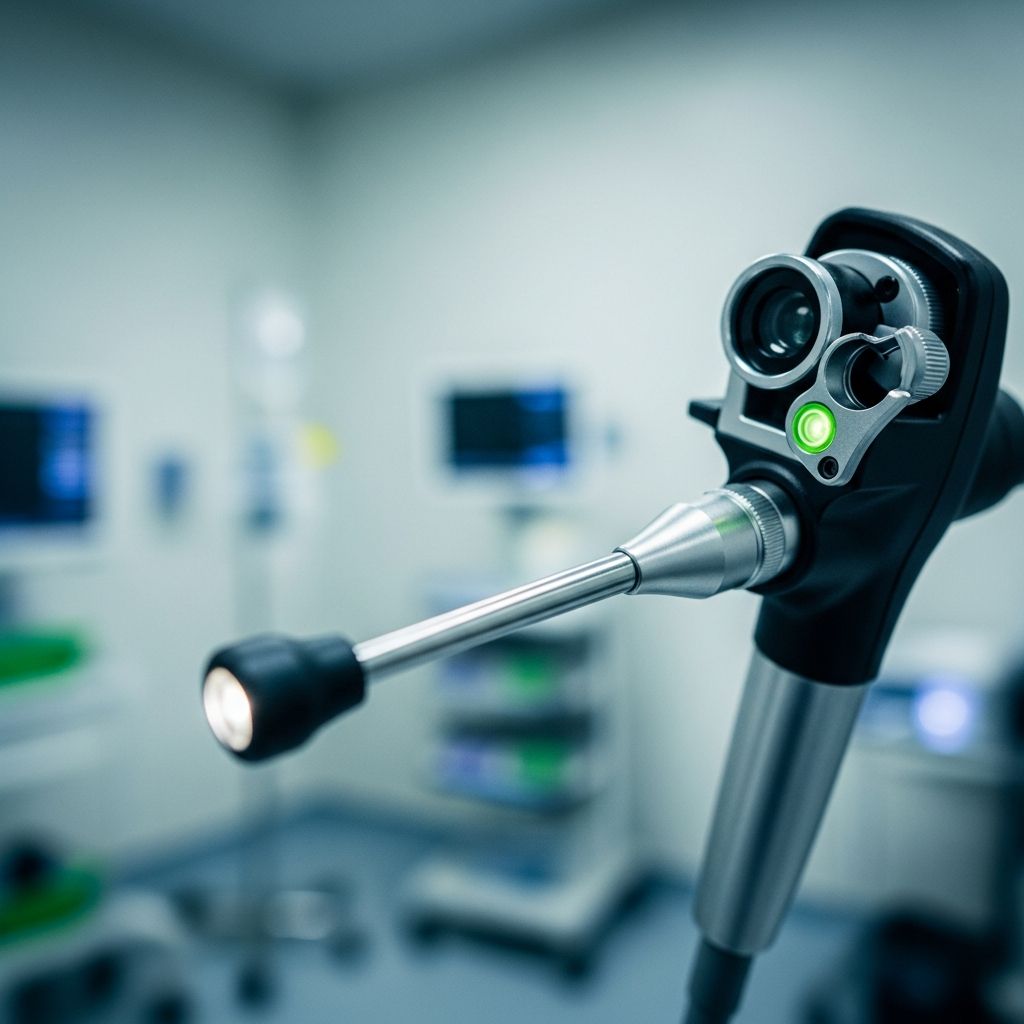
The sigmoidoscope is a sophisticated medical instrument designed specifically for examining the lower colon. Modern flexible sigmoidoscopes consist of a bundle of optical fibers that transmit visual images from deep within the bowel to a viewing screen. The instrument typically measures between 35 and 60 centimeters in length, with the 60-centimeter scope being the more commonly used option in clinical settings.
The scope features several important components that work together to provide comprehensive visualization and treatment capabilities. The tip contains a bright light source that illuminates the bowel lining, allowing the physician to identify any abnormalities. A miniature video camera captures real-time images that are transmitted to a monitor, enabling both direct observation and video recording of any suspicious lesions. The scope also includes separate passageways for instilling air and water, suctioning fluid, and inserting specialized instruments such as biopsy forceps and snares for tissue removal.
How Does the Procedure Work?
During a sigmoidoscopy examination, you will be positioned on your left side on an examination table, typically with your knees drawn toward your chest. This positioning provides the healthcare professional with optimal access to the rectum and sigmoid colon. The sigmoidoscope is gently inserted through the anus and carefully advanced through the rectum into the sigmoid colon.
As the scope progresses, the physician may introduce carbon dioxide gas into the colon to expand it and provide a clearer view of the intestinal lining. This inflation may cause temporary cramping or a sensation of needing to move your bowels, which is completely normal and typically resolves quickly. The flexible design of modern sigmoidoscopes allows the physician to navigate the twists and turns of the sigmoid colon with minimal discomfort. The entire procedure typically takes between 15 to 20 minutes, though it may require additional time if biopsies are collected or polyps are removed.
Preparation for Your Sigmoidoscopy
Proper preparation is essential for ensuring the success of your sigmoidoscopy procedure. Your healthcare provider will give you specific instructions to follow, which typically include several important steps.
Dietary Restrictions
The day before your sigmoidoscopy, you will likely be asked to follow a special diet to clear your colon of stool. This preparation allows the lining of the colon to be visualized clearly throughout the procedure. Your healthcare provider may restrict you from eating or drinking anything after midnight on the night before the exam. Permitted beverages and foods typically include fat-free broth, plain water, and light-colored filtered juices such as apple or white grape juice. You may also be allowed to consume lemon, lime, or orange-flavored sports drinks and gelatin desserts. Tea and coffee are generally permitted, but only without milk or cream.
Related Stories



Bowel Preparation
Your healthcare provider will prescribe a bowel preparation kit containing medication designed to clear stool from your colon. You will need to follow the instructions on the packaging carefully and take doses at the times indicated. These kits may contain laxatives in pill or liquid form that loosen stool, as well as enemas that are introduced into the rectum to clear it completely. Because you will frequently pass stools during this preparation phase, it is important to remain close to a toilet.
General Preparation Instructions
In addition to dietary modifications and bowel preparation, make arrangements for someone to drive you home after the procedure, as you may receive sedating medication during the exam. Inform your healthcare provider of all medications you are currently taking, as some may need to be adjusted before your appointment. Discuss any allergies or medical conditions with your healthcare team prior to your sigmoidoscopy.
What to Expect During the Procedure
Understanding what happens during your sigmoidoscopy can help reduce anxiety and prepare you mentally for the experience. Most patients find the procedure to be tolerable and much less uncomfortable than they anticipated.
Upon arrival at the medical facility, you will be asked to wear a hospital gown. Anesthesia and pain medications are usually not necessary for sigmoidoscopy, though your healthcare professional may administer medication to help you relax or feel slightly drowsy. This sedation helps you remain comfortable without putting you to sleep completely. You will then be positioned on your left side with your knees drawn toward your chest.
The physician will gently insert the sigmoidoscope into your anus and carefully guide it through your rectum and into the sigmoid colon. As the scope advances, you may experience mild cramping sensations or an urge to move your bowels. The camera at the tip of the scope continuously transmits images to a monitor that the physician watches closely. Any polyps or tissue samples can be removed using special instruments that pass through the scope. The entire procedure typically takes 15 to 20 minutes, or slightly longer if biopsies are obtained.
Comparing Sigmoidoscopy to Colonoscopy
While sigmoidoscopy and colonoscopy are similar procedures, important differences exist between them. Understanding these distinctions can help you and your healthcare provider determine which procedure is most appropriate for your situation.
| Feature | Sigmoidoscopy | Colonoscopy |
|---|---|---|
| Area Examined | Rectum, sigmoid colon, and descending colon | Entire colon from cecum to anus |
| Preparation Time | Less time-consuming | More extensive preparation required |
| Procedure Duration | 15-20 minutes | 30-60 minutes |
| Anesthesia | Usually not required | Often requires sedation |
| Complication Risk | Lower risk of damage to colon | Slightly higher risk due to greater distance traveled |
| Recovery Time | Minimal downtime | May require recovery time for sedation |
Potential Risks and Complications
Flexible sigmoidoscopy is considered a safe procedure with minimal risk. However, as with any medical procedure, certain complications can occur, though they are rare. Understanding potential risks allows you to make an informed decision and recognize warning signs that require medical attention.
The most common complication is minimal bleeding from the site where a tissue sample or polyp was removed. This bleeding typically stops on its own and does not require intervention. In rare cases, a perforation or tear may occur in the wall of the rectum or colon. This complication requires immediate medical attention and may necessitate hospitalization and additional treatment. Contact your healthcare provider immediately if you experience severe abdominal pain, persistent bleeding, fever, or signs of infection following your sigmoidoscopy.
Reasons for Sigmoidoscopy
Sigmoidoscopy serves several important diagnostic and therapeutic purposes in modern medicine. Your healthcare provider may recommend this procedure for various reasons including screening for colorectal cancer, evaluating symptoms such as chronic diarrhea or rectal bleeding, investigating unexplained anemia, and removing polyps or suspicious tissue growths. The procedure is also useful for diagnosing inflammatory bowel conditions, evaluating diverticulosis, and assessing the colon following abnormal imaging studies.
Screening Recommendations
For colorectal cancer prevention, current medical guidelines recommend that asymptomatic individuals begin sigmoid screenings at age 50. If the initial screening result is negative, the test should be repeated every three to five years. Individuals with a family history of colorectal cancer or those experiencing symptoms should begin regular examinations at age 40 or earlier, based on individual risk factors and physician recommendations.
After Your Sigmoidoscopy
Following your sigmoidoscopy, you will be observed briefly while any sedating medication wears off. Most patients experience minimal downtime and can return to normal activities within a day. If tissue samples were collected, these will be sent to a laboratory for analysis. Your healthcare provider will discuss the findings with you and explain any necessary follow-up procedures or treatments.
You may experience mild cramping or bloating as your colon expels the carbon dioxide introduced during the procedure. This typically resolves within a few hours. Resume your normal diet gradually, starting with light foods and clear fluids.
Frequently Asked Questions
Q: Is sigmoidoscopy painful?
A: Most patients experience only mild discomfort during sigmoidoscopy. While you may feel pressure, cramping, or an urge to move your bowels, the flexible scope and relaxing medication make the procedure generally well-tolerated.
Q: How long does the procedure take?
A: A typical sigmoidoscopy takes 15 to 20 minutes. The procedure may require additional time if biopsies are collected or polyps are removed.
Q: Will I need sedation?
A: Anesthesia is usually not necessary for sigmoidoscopy. However, your healthcare provider may offer relaxing medication to help you feel more comfortable during the procedure.
Q: When can I return to normal activities?
A: Most patients can resume normal activities within one day following sigmoidoscopy. If you received sedating medication, arrange for someone to drive you home and avoid important decisions for the remainder of the day.
Q: What if polyps are found?
A: Polyps can often be removed during sigmoidoscopy using specialized instruments. If cancer or large polyps are found suggesting involvement of the entire colon, you may need a follow-up colonoscopy to examine the complete colon.
Q: How often do I need sigmoidoscopy?
A: For asymptomatic individuals with normal results, sigmoidoscopy should be repeated every three to five years. Your healthcare provider will recommend an appropriate schedule based on your individual risk factors and findings.
References
- Flexible Sigmoidoscopy — Mayo Clinic. 2024-09-20. https://www.mayoclinic.org/tests-procedures/flexible-sigmoidoscopy/about/pac-20394189
- Sigmoidoscopy: Colon Cancer Screening, Diagnosis & Treatment — Britannica. Updated by Kara Rogers. https://www.britannica.com/science/sigmoidoscopy
- Johns Hopkins Manual of Gastrointestinal Endoscopic Procedures — Johns Hopkins Medicine. https://www.hopkinsmedicine.org
Similar Articles








Read full bio of Sneha Tete