Signs of Diabetes in Women: Symptoms and Risk Factors
Learn the unique diabetes warning signs women should watch for and how to reduce your risk.

Approximately 15 million women in the United States are living with diabetes, a condition characterized by elevated blood sugar levels that the body cannot effectively regulate. Each year, around 1.2 million people receive a diabetes diagnosis, according to the American Diabetes Association. While many symptoms of diabetes affect both men and women equally, women experience and present with unique warning signs that are often overlooked or misattributed to other conditions. Understanding these distinctive symptoms is crucial for early detection and prevention, particularly since women face unique risk factors and health complications once diagnosed.
Common Diabetes Symptoms Affecting Both Men and Women
Several warning signs of diabetes manifest similarly in both men and women. These symptoms may be subtle but are important indicators that warrant medical attention. If you experience one or more of these signs, especially if you have a history of high blood sugar, consulting your primary care provider is essential.
- Blurry vision
- Bruises or cuts that heal slowly
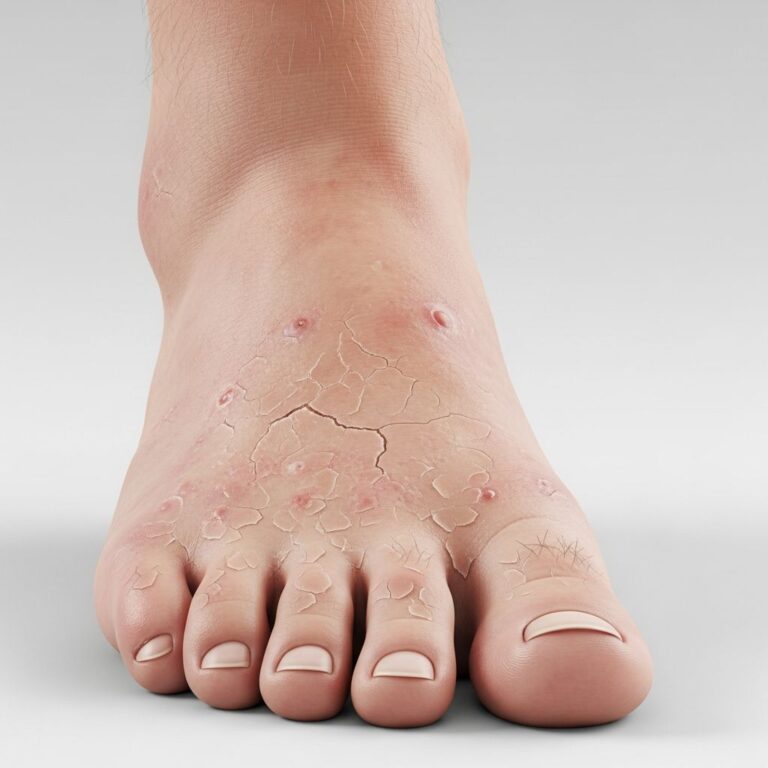
- Extremely dry skin
- Extreme fatigue and low energy
- Feeling very thirsty (polydipsia)
- Feeling very hungry, even while eating
- Frequent urination, particularly at night
- Numbness, pain, or tingling in hands or feet (neuropathy)
- Unexplained weight loss despite eating more
These symptoms develop gradually, and some individuals may experience such mild symptoms that they go unnoticed entirely. This is why regular screening and awareness are particularly important for those with risk factors.
Female-Specific Warning Signs of Diabetes
Women may experience additional symptoms related to their reproductive and urinary health that can indicate elevated blood sugar levels. These female-specific signs are frequently overlooked or attributed to other gynecological conditions, making them particularly important for women to recognize.
- Urinary tract infections (UTIs): Recurrent or persistent UTIs may indicate diabetes, as high blood sugar creates an environment conducive to bacterial growth in the urinary tract.
- Vaginal itching or redness: High blood sugar levels can irritate vaginal tissue and disrupt the natural balance of vaginal flora.
- Yeast infections: Elevated glucose levels provide an ideal environment for yeast overgrowth, leading to frequent or persistent yeast infections.
If you experience any of these symptoms with increased frequency, particularly in combination with the general diabetes symptoms listed above, it is important to consult with your healthcare provider. The high blood sugar characteristic of diabetes directly contributes to each of these conditions, making them valuable early warning signs.
Why Diabetes Symptoms May Go Undetected in Women
Women are more likely to have their prediabetes and diabetes go undetected compared to men, largely due to differences in how women’s bodies regulate blood glucose and how hormonal fluctuations affect screening results.
Differences in Glucose Regulation
Research demonstrates that women regulate blood sugar differently than men. Women are more likely to develop impaired glucose tolerance, meaning their blood sugar remains elevated for up to two hours following a meal. In contrast, men more commonly experience impaired fasting glucose, where blood sugar is elevated even during periods of fasting. This distinction is crucial because different screening tests evaluate blood glucose in different ways:
Related Stories



- Fasting Plasma Glucose (FPG) test: Measures blood sugar after an overnight fast of at least eight hours, relying on water only.
- Oral Glucose Tolerance Test (OGTT): Evaluates how well your body processes glucose following a meal.
- Hemoglobin A1C (HbA1c) test: Measures average blood glucose levels over two to three months, providing a longer-term perspective.
Because women are more likely to show impaired glucose tolerance rather than impaired fasting glucose, a fasting test alone may miss a prediabetes diagnosis. Healthcare providers should consider using the HbA1c test, which offers a more comprehensive picture of average glucose levels over time.
Hormonal Influences on Glucose Levels
Estrogen plays a critical role in the body’s ability to process glucose and maintain insulin sensitivity—how effectively cells respond to insulin. As estrogen levels fluctuate throughout the menstrual cycle, glucose levels and insulin sensitivity change accordingly, potentially affecting the accuracy of screening results depending on when testing occurs.
During perimenopause and postmenopause, estrogen levels fluctuate dramatically and then decline significantly. These hormonal changes directly impact the body’s ability to regulate insulin and can skew screening results. Additionally, research shows that women experiencing vasomotor menopausal symptoms, such as hot flashes and night sweats, have an 18% higher risk for Type 2 diabetes, with risk increasing alongside symptom severity and duration.
Overlapping Symptoms with Menopause
For women approaching, experiencing, or past menopause, prediabetes symptoms can easily be mistaken for menopausal symptoms, delaying diagnosis and intervention. Symptoms that overlap between prediabetes and menopause include:
- Excess weight gain around the middle (from unregulated insulin)
- Fatigue from the body’s inability to efficiently convert sugar into energy
- Mood changes resulting from blood sugar fluctuations affecting brain function
- Sexual issues such as vaginal dryness from nerve and blood vessel damage
- Vaginal yeast infections triggered by elevated blood sugar
This symptom overlap underscores the importance of keeping detailed symptom logs and discussing all health concerns with your primary care provider, particularly if you have multiple risk factors for diabetes.
Unique Risk Factors for Women
While men and women share common risk factors for type 2 diabetes—including hypertension, family history, high cholesterol, obesity, and physical inactivity—women face several unique risk factors that significantly increase their diabetes risk.
Gestational Diabetes
Gestational diabetes, occurring during pregnancy, is a significant risk factor for developing type 2 diabetes later in life. Women who experienced gestational diabetes or who gave birth to babies weighing more than nine pounds have substantially higher risk for prediabetes and type 2 diabetes in the future.
Polycystic Ovary Syndrome (PCOS)
PCOS is a hormonal disorder that dramatically increases diabetes risk in women. More than 50% of women with PCOS develop type 2 diabetes by age 40. PCOS involves insulin resistance, meaning the body’s cells do not respond effectively to insulin, requiring the pancreas to work harder to maintain normal blood sugar levels. PCOS symptoms—including weight gain and fatigue—overlap significantly with prediabetes symptoms, potentially leading to misdiagnosis or delayed detection.
Early Menopause
Women who experience menopause before age 45 typically have a higher risk of developing type 2 diabetes later in life compared to women who undergo menopause at typical ages.
Health Complications from Diabetes in Women
Once diagnosed with diabetes, women face an elevated risk of developing serious health complications that may be more severe than those experienced by men:
- Blindness and vision loss
- Depression and mental health issues
- Fatal heart attacks
- Heart disease and cardiovascular complications
These complications underscore the critical importance of early detection and effective management to prevent progression and reduce health risks.
Preventing and Managing Diabetes Risk
If you are at risk of developing diabetes or have been identified as prediabetic—having elevated blood sugar that has not yet reached diabetic levels—several lifestyle modifications can prevent or delay progression to type 2 diabetes.
Key Prevention Strategies
- Quit smoking: Smoking increases diabetes risk and complicates blood sugar management.
- Increase physical activity: Aim for at least 150 minutes of moderate physical activity per week, spread across at least three days.
- Maintain a healthy weight: Even modest weight loss can significantly improve insulin sensitivity and reduce diabetes risk.
- Modify diet: Reduce consumption of red meat and increase plant-based foods, which are typically lower in refined carbohydrates and higher in fiber.
According to diabetes specialists, these lifestyle changes yield benefits extending far beyond diabetes prevention. Modifying your diet and increasing physical activity can make a significant difference in overall health and well-being.
When to Seek Medical Evaluation
Women should discuss their diabetes risk with healthcare providers in the following situations:
- Experiencing symptoms suggestive of prediabetes or diabetes
- Having a personal history of gestational diabetes
- Being diagnosed with PCOS
- Experiencing early menopause (before age 45)
- Having family members with diabetes
- Maintaining a healthy weight but experiencing unexplained symptoms
Women who maintain a healthy weight and lifestyle may not be considered for routine diabetes screening, yet many possess health conditions significantly increasing their diabetes risk. Proactive discussion of personal and family history with your healthcare provider ensures appropriate screening and preventive care.
Frequently Asked Questions
Q: What is the difference between prediabetes and type 2 diabetes?
A: Prediabetes indicates elevated blood sugar levels higher than normal but not yet high enough for a type 2 diabetes diagnosis. Individuals with prediabetes have an opportunity to prevent progression through lifestyle modifications. Type 2 diabetes involves even higher blood sugar levels that the body cannot effectively regulate, requiring medical intervention and management.
Q: Why are women’s diabetes symptoms often missed?
A: Women’s diabetes symptoms are frequently overlooked because they regulate blood glucose differently than men, hormonal fluctuations affect screening accuracy, and symptoms overlap with menopausal symptoms. Additionally, female-specific symptoms like yeast infections and UTIs may be attributed to other gynecological causes rather than diabetes.
Q: Can gestational diabetes be prevented?
A: While gestational diabetes cannot always be prevented, maintaining a healthy weight before pregnancy, eating a balanced diet, and staying physically active may reduce your risk. If diagnosed with gestational diabetes, careful management during pregnancy is essential to protect both mother and baby.
Q: How often should women be screened for diabetes?
A: Women with risk factors should discuss an appropriate screening schedule with their healthcare provider. If you have a history of gestational diabetes, PCOS, early menopause, or family history of diabetes, more frequent screening may be recommended. The HbA1c test is particularly valuable for women since it measures average glucose levels over time, accounting for hormonal fluctuations.
Q: Are there dietary changes I can make right now to reduce diabetes risk?
A: Yes. Reducing red meat consumption, increasing plant-based foods, and choosing whole grains over refined carbohydrates can significantly impact diabetes risk. Working with a registered dietitian can help you develop a personalized eating plan that fits your lifestyle and preferences.
References
- Signs of Diabetes in Women — Rochester Regional Health. November 17, 2024. https://www.rochesterregional.org/hub/diabetes-symptoms-women
- Prediabetes in Women: Why the Warning Signs Can Get Missed — UCLA Health. https://www.uclahealth.org/news/article/prediabetes-women-why-warning-signs-can-get-missed
- Diabetes Symptoms & Early Warning Signs — American Diabetes Association. https://diabetes.org/about-diabetes/warning-signs-symptoms
Similar Articles








Read full bio of Sneha Tete