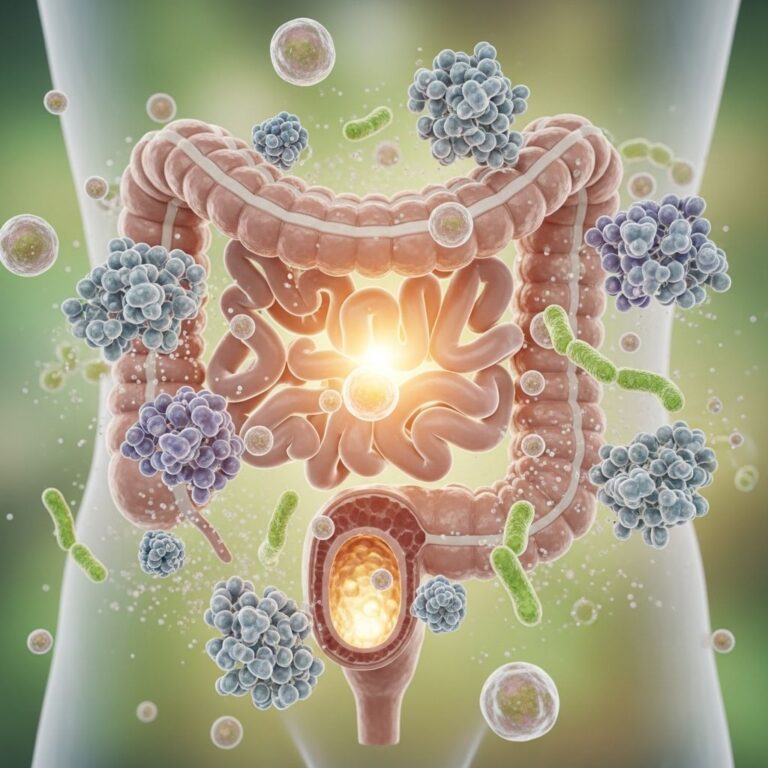
Signs You’re Not Eating Enough Protein: 10 Warning Signs
Recognize the subtle signs of protein deficiency like fatigue, hair loss, and constant hunger to optimize your health and energy levels.
Protein is a cornerstone of health, supporting muscle repair, immune function, hormone production, and more. Yet many people fall short of recommended intakes, leading to subtle but telling symptoms. Insufficient protein can manifest in ways that mimic aging or stress, but addressing it can restore vitality. This article explores the primary signs of low protein consumption, drawing from expert analyses.
What Does a Protein Deficiency Look Like?
Protein deficiency, or hypoproteinemia, occurs when dietary intake fails to meet bodily needs, typically below 0.8 grams per kilogram of body weight daily for adults, though active individuals may require more. Early signs are often overlooked, such as fatigue or hair changes, progressing to muscle loss and immune issues if unaddressed. Older adults are particularly vulnerable, with 1 in 3 over 50 not meeting needs, mistaking symptoms for aging. Unlike overt malnutrition in developing regions, Western deficiencies are subtle, stemming from unbalanced diets heavy in carbs but light on quality proteins.
1. Brittle Hair and Nails
Hair and nails, composed primarily of keratin—a tough protein—signal deficiency early. When protein is scarce, the body prioritizes vital functions, diverting amino acids from these non-essential tissues. Result: thinning, dull hair that falls out more, and nails that split, peel, or break easily.
- Thinning hair: Strands become finer and shed excessively as collagen production drops.
- Brittle nails: White lines or ridges appear; nails feel dry and fragile due to insufficient keratin synthesis.
Dermatologists note this as one of the first visual cues, reversible with increased intake.
2. Constant Hunger and Cravings
Protein is the most satiating macronutrient, releasing hormones like peptide YY and GLP-1 that signal fullness to the brain. Low intake leads to rapid hunger return, even after meals, plus cravings for sweets as blood sugar fluctuates without protein’s stabilizing effect.
Experts emphasize: if you’re hungry an hour post-meal, protein gaps may be why. This cycle hinders weight management and energy stability.
3. Fatigue and Low Energy
Feeling perpetually tired, despite sleep? Protein fuels energy production and red blood cell formation for oxygen transport. Deficiency causes exhaustion, sluggishness, and poor workout recovery.
- Slower metabolism from muscle loss, which is metabolically active tissue.
- Reduced stamina for daily tasks like climbing stairs.
In older adults, this manifests as weakness post-rest, not ‘normal’ aging.
4. Muscle Loss and Weakness
Amino acids build and repair muscle. Without enough, catabolism outpaces anabolism, leading to sarcopenia-like loss: looser clothes, weaker grip, balance issues, and posture problems. Research shows even one week of low protein affects muscles in those over 55.
Key impacts:
| Symptom | Cause | Consequence |
|---|---|---|
| Grip weakness | Amino acid shortage | Harder workouts, falls risk |
| Muscle soreness | Poor recovery | Slower progress, frustration |
| Balance loss | Postural muscle decline | Increased injury risk |
Muscle loss slows metabolism, complicating weight control.
Related Stories



5. Frequent Illnesses
Proteins form antibodies and immune cells. Low levels weaken defenses, increasing colds, infections, or slow recovery. Chronic deficiency raises inflammation and illness susceptibility.
6. Brain Fog and Mood Changes
Amino acids like tyrosine and tryptophan produce neurotransmitters (dopamine, serotonin). Deficiency impairs focus, motivation, and mood, causing irritability, depression risk, or foggy thinking.
Less oxygen to the brain from anemia exacerbates sluggishness. Older adults may experience heightened depression risks.
7. Swelling (Edema)
Albumin, a blood protein, maintains fluid balance. Low levels cause leakage into tissues, leading to puffiness in legs, hands, face, or abdomen—worse after sitting.
Though rare severely in developed nations, mild edema signals imbalance.
8. Slow Wound Healing
Protein builds collagen for tissue repair. Cuts, scrapes, or surgeries heal slower without it, risking infection. Note: Vitamin C deficiency mimics this; consult a doctor.
9. Stress Fractures and Bone Issues
Bone matrix relies on proteins like collagen. Deficiency weakens density, raising fracture risk during activity.
10. Anemia and Other Effects
Insufficient protein hampers hemoglobin production, causing fatigue from oxygen shortage.
How Much Protein Do You Need?
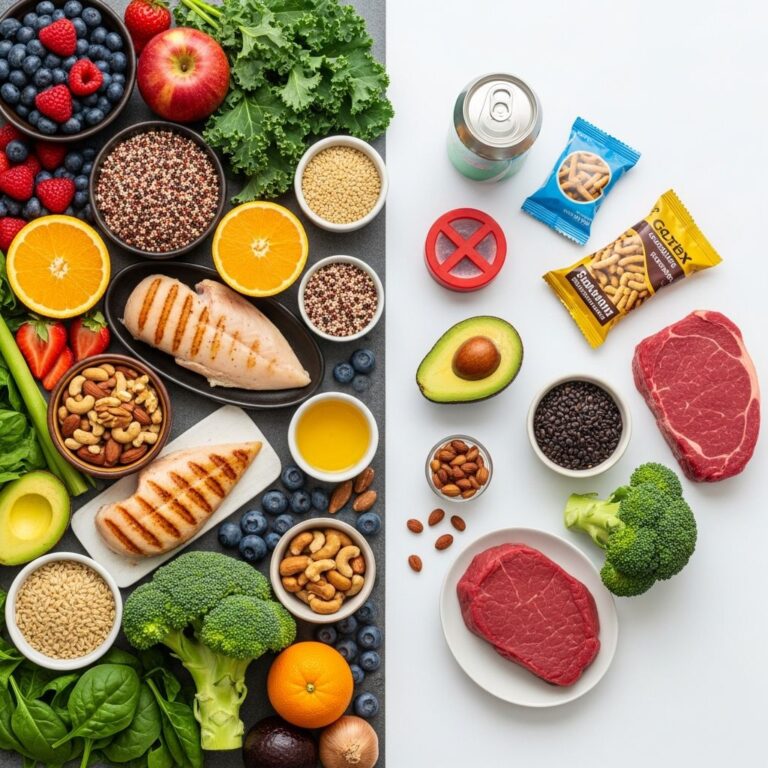
RDA is 46g for women, 56g for men daily, but experts recommend 1.2-2.0g/kg for optimal health, especially athletes or seniors. Distribute across meals: 20-30g per.
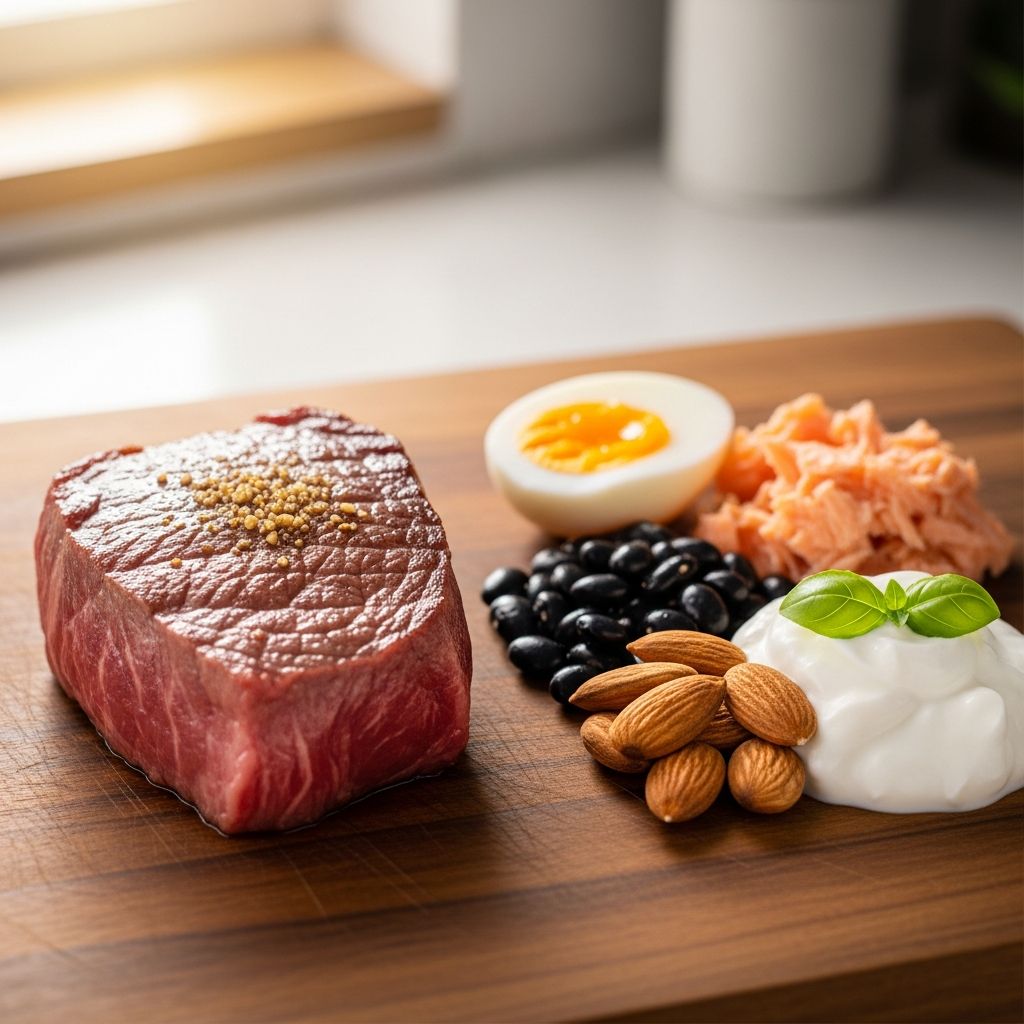
- Sources: Eggs, meat, fish, dairy, legumes, nuts.
- Tip: Pair plants (e.g., beans + rice) for complete proteins.
Who’s at Risk?
- Older adults (muscle preservation).
- Vegans/vegetarians (plan carefully).
- Diets low in animal products.
- Those restricting calories.
Fixing Protein Deficiency
Increase intake gradually: add Greek yogurt, eggs, chicken, tofu. Track via apps. Consult RD for personalized plans. Symptoms often reverse in weeks.
Frequently Asked Questions (FAQs)
What are the first signs of not enough protein?
The earliest indicators include brittle hair/nails, constant hunger, and fatigue.
Can low protein cause hair loss?
Yes, as the body rations amino acids away from hair growth.
How quickly does muscle loss occur from low protein?
Effects can start in one week, especially in older adults.
Is swelling always from protein deficiency?
No, but edema in extremities signals possible low albumin; see a doctor.
Do vegetarians get enough protein?
Many do with diverse sources, but planning ensures completeness.
Preventing Protein Shortfalls
Aim for protein at every meal. Supplements like whey or pea protein help if needed. Regular check-ups catch issues early. Balanced nutrition sustains long-term health.
References
- Are you getting enough protein? Here’s what happens if you don’t — UCLA Health. 2023. https://www.uclahealth.org/news/article/are-you-getting-enough-protein-heres-what-happens-if-you-dont
- 9 Signs You’re Not Getting Enough Protein — TIME. 2024-10-01. https://time.com/7341448/not-enough-protein-diet-signs/
- 8 Signs of Protein Deficiency in Older Adults — National Council on Aging (NCOA). 2024. https://www.ncoa.org/article/8-signs-of-protein-deficiency-in-older-adults/
- Signs You’re Not Getting Enough Protein — WebMD. 2024. https://www.webmd.com/diet/ss/slideshow-not-enough-protein-signs
- 5 Signs You Need To Eat More Protein, According To Experts — Women’s Health Magazine. 2024. https://www.womenshealthmag.com/food/a65500333/signs-not-enough-protein-and-deficiency/
Similar Articles








Read full bio of medha deb