Signs Of Low Testosterone In Men: 12 Common Symptoms
Recognise the key signs of low testosterone in men, from fatigue and low libido to serious health risks, and learn when to seek medical help.

Testosterone is a vital hormone in men that supports muscle mass, bone density, sex drive, and overall energy levels. Low testosterone, also known as hypogonadism or low T, occurs when the body produces insufficient amounts, leading to various physical, sexual, and emotional symptoms. Levels naturally decline with age after 30, but significantly low levels below 300 ng/dL can impact quality of life. Symptoms vary by age of onset and severity, but early recognition is key to management.
What are the symptoms of low testosterone?
Symptoms of low testosterone depend on when the deficiency develops. In adults, common signs include reduced sex drive, erectile dysfunction, fatigue, and mood changes. Some men experience no symptoms despite low levels, while others report multiple issues.
Symptoms in adult men
In adult males, low testosterone manifests through several noticeable changes:
- Decreased sex drive (low libido): Testosterone fuels sexual desire; low levels often lead to diminished interest in sex.
- Erectile dysfunction: Difficulty achieving or maintaining erections, as testosterone supports nitric oxide production in penile tissue.
- Fatigue and low energy: Persistent tiredness despite adequate sleep is widespread.
- Loss of muscle mass and strength: Reduced lean body mass and weaker muscles.
- Increased body fat: Particularly around the abdomen.
- Hair loss: Thinning body, facial, or head hair.
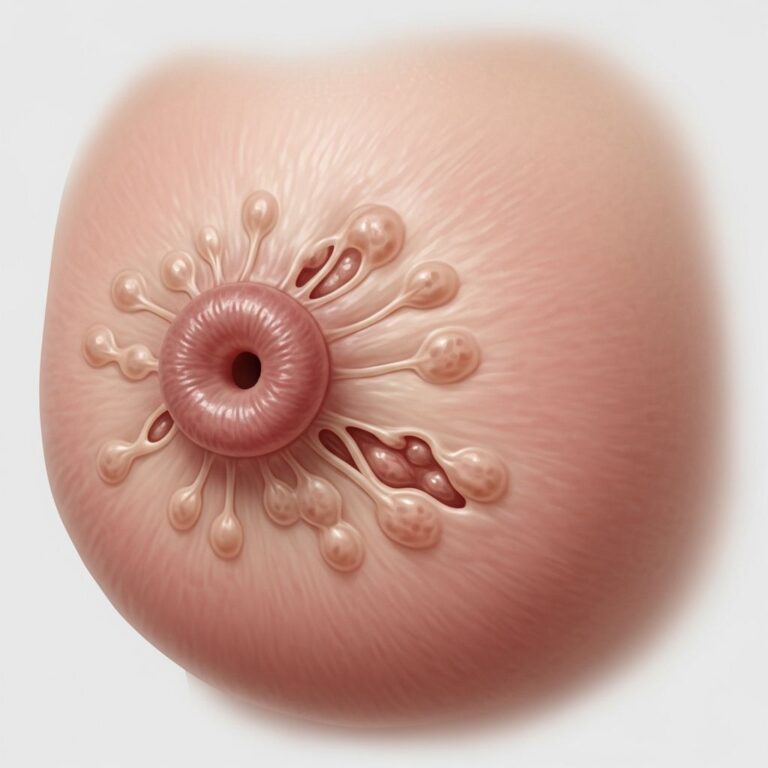
- Gynecomastia (breast tissue development): Enlargement of breast tissue due to hormonal imbalance.
- Hot flushes and sweats: Similar to menopausal symptoms in women.
- Mood changes: Depression, irritability, anxiety, or poor concentration.
- Sleep disturbances: Insomnia or poor sleep quality.
- Reduced bone density: Increased risk of osteoporosis and fractures.
- Low sperm count and infertility: Impacts fertility.
Other lesser-known signs include drier skin from reduced oil production, nerve pain, numbness, and low red blood cell count. These symptoms can overlap with aging, stress, or other conditions like diabetes, making diagnosis challenging.
Symptoms if low testosterone develops before birth
Congenital hypogonadism affects fetal development:
- Female or ambiguous genitals.
- Underdeveloped male genitals.
Symptoms if low testosterone develops before puberty
Pre-pubertal onset delays typical male development:
- Delayed or absent puberty.
- Lack of voice deepening.
- Impaired penis and testicle growth.
- Excessive arm and leg growth relative to trunk.
How common is low testosterone?
Low testosterone affects about 2-6% of men, increasing with age. By age 70, up to 40% may have levels below 300 ng/dL. Risk factors include obesity, diabetes, chronic illness, and opioid use. Many remain asymptomatic, but symptomatic cases rise in older men.
Why do men get low testosterone?
Low testosterone results from primary (testicular issues) or secondary (pituitary/hypothalamus problems) hypogonadism, either congenital or acquired.
Primary hypogonadism causes
- Testicular injury or infection.
- Cancer treatments like chemotherapy/radiation.
- Genetic conditions (e.g., Klinefelter syndrome).
- Undescended testicles or hemochromatosis.
Secondary hypogonadism causes
- Pituitary disorders or tumors.
- Hypothalamic issues.
- Medications like opioids or steroids.
- Chronic illnesses (HIV, kidney disease).
Aging contributes to gradual decline, exacerbated by obesity and poor health.
How is low testosterone diagnosed?
Diagnosis involves:
- Symptom review: Assessing sexual, physical, and emotional complaints.
- Blood tests: Morning total/free testosterone (two tests if low), plus LH/FSH, prolactin, and others to identify cause. Levels <300 ng/dL with symptoms confirm diagnosis.
- Further tests: MRI for pituitary issues, semen analysis, or bone density scan.
Related Stories



Not all low levels require treatment; monitor if asymptomatic.
What is the treatment for low testosterone?
Treatment focuses on testosterone replacement therapy (TRT) if benefits outweigh risks:
- Gels/creams: Daily topical application.
- Injections: Every 1-2 weeks.
- Pellets: Implanted every 3-6 months.
- Patches/oral: Less common.
Lifestyle changes aid management: weight loss, exercise, healthy diet, sleep. Treat underlying causes like obesity. Monitor for side effects: prostate issues, blood clots, sleep apnea. Improvement may take 3 months; discontinue if no benefit.
What are the risks of low testosterone treatment?
| Risk | Description |
|---|---|
| Prostate effects | May stimulate growth; monitor PSA levels. |
| Cardiovascular | Possible increased heart attack/stroke risk. |
| Blood clots | Higher red blood cell count raises risk. |
| Infertility | Suppresses sperm production. |
| Sleep apnea | May worsen. |
Regular monitoring is essential; not for men planning fertility.
When should I see my doctor?
Consult a doctor if experiencing persistent symptoms like low libido, fatigue, ED, depression, or infertility. Early intervention prevents complications like osteoporosis or worsened heart health. Do not self-diagnose; professional evaluation is crucial.
Frequently Asked Questions (FAQs)
Can low testosterone cause depression?
Yes, low T is linked to depression, irritability, and mood swings.
Does low testosterone affect sleep?
Commonly causes insomnia or poor sleep.
Is low testosterone reversible?
Treatment can reverse many symptoms, but depends on cause.
Can lifestyle fix low testosterone?
Exercise and weight loss can boost levels mildly.
At what age does testosterone decline?
After 30, about 1% per year.
References
- Lesser Known Symptoms of Low Testosterone — Edwardsanchezmd.com. 2023. https://edwardsanchezmd.com/posts/lesser-known-symptoms-of-low-testosterone/
- Could you have low testosterone? — MedlinePlus (NIH). 2024-01-15. https://medlineplus.gov/ency/patientinstructions/000722.htm
- Hypogonadism (Low Testosterone) — UCSF Department of Urology. 2023. https://urology.ucsf.edu/patient-info/adult-non-cancer/male-sexual-and-reproductive-health/hypogonadism
- Low testosterone — Patient.info. 2024. https://patient.info/mens-health/erectile-dysfunction-impotence/testosterone-deficiency
- Men, Low T, and the Facts — Brown University Health. 2023-05-10. https://www.brownhealth.org/be-well/men-low-t-and-facts
- 6 Signs You May be Suffering From Low Testosterone — Arlington Family Practice. 2024. https://www.arlingtonfamilypracticepc.com/blog/6-signs-you-may-b-suffering-from-low-testosterone
- Low Testosterone (Low T): Causes, Symptoms & Treatment — Cleveland Clinic. 2025-09-12. https://my.clevelandclinic.org/health/diseases/15603-low-testosterone-male-hypogonadism
Similar Articles








Read full bio of medha deb