Signs of Respiratory Distress: What You Need to Know
Learn to recognize the warning signs of respiratory distress and when to seek emergency care.
Understanding Respiratory Distress
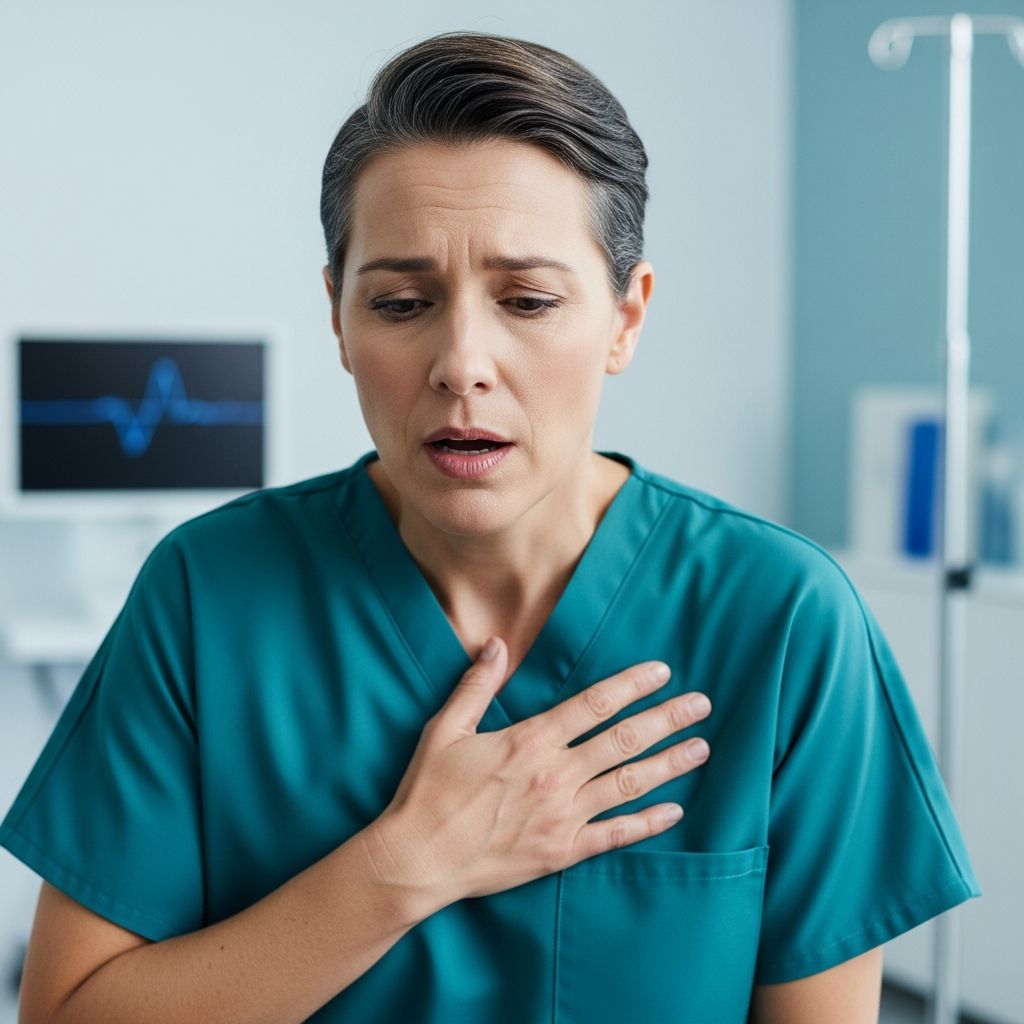
Respiratory distress occurs when the body struggles to get enough oxygen, leading to difficulty breathing and inadequate oxygen supply to vital organs. This condition can develop suddenly or gradually, and recognizing the warning signs is crucial for obtaining timely medical intervention. Respiratory distress represents a medical emergency that requires immediate attention, as prolonged oxygen deprivation can cause serious complications affecting the heart, brain, and other vital organs.
The body relies on a constant supply of oxygen to function properly. When the respiratory system fails to deliver sufficient oxygen to the bloodstream, cells begin to suffer damage. Understanding the signs of respiratory distress empowers individuals and caregivers to respond appropriately and seek emergency care when necessary.
Primary Signs of Respiratory Distress
Several key indicators signal that a person is experiencing respiratory distress. These signs may appear individually or in combination, and their severity can vary depending on the underlying cause and the person’s overall health status.
Severe Shortness of Breath
The most prominent symptom of respiratory distress is severe shortness of breath, often described as a feeling that you cannot get enough air into your lungs. This sensation differs from normal breathlessness after exercise and persists even during rest. The person may feel as though they are suffocating or gasping for air, creating a sense of panic and urgency.
Labored and Rapid Breathing
Abnormally rapid breathing, also called tachypnea, often accompanies respiratory distress. The breathing pattern becomes noticeably labored, with the person working harder than usual to move air in and out of their lungs. A normal resting breathing rate for adults ranges from 12 to 20 breaths per minute, but during respiratory distress, this rate may significantly increase.
Low Blood Oxygen Levels
Decreased oxygen saturation in the blood is a critical indicator of respiratory distress. Blood oxygen levels are typically measured using a pulse oximeter, which clips onto a finger or earlobe. Normal oxygen saturation levels range from 95 to 100 percent, but during respiratory distress, these levels may fall below 90 percent, indicating inadequate oxygenation.
Physical Signs Observable During Respiratory Distress
Beyond the primary symptoms, several physical indicators become visible when someone is experiencing respiratory distress. These signs help healthcare providers and caregivers assess the severity of the condition.
Chest Discomfort and Pain
Many individuals experiencing respiratory distress report chest pain or discomfort. This pain may feel like pressure, tightness, or sharp stabbing sensations. The discomfort often worsens with deep breathing or movement, adding to the person’s anxiety and sense of distress.
Retractions and Muscle Usage
During respiratory distress, the body attempts to maximize oxygen intake by using additional muscles to assist breathing. Retractions occur when the skin pulls inward around the ribs, neck, and upper abdomen with each breath. These retractions indicate that the person is working extremely hard to breathe. Accessory muscle usage becomes evident when muscles in the neck and shoulders become visibly active during breathing, appearing tense and strained.
Related Stories



Nasal Flaring
Nasal flaring, where the nostrils widen during breathing, represents another sign of increased respiratory effort. This symptom is particularly common in infants and young children experiencing respiratory distress and indicates that the body is attempting to maximize airflow through the nasal passages.
Cyanosis and Skin Color Changes
Cyanosis appears as a bluish or grayish discoloration, typically first visible around the lips and fingernails. This color change indicates critically low oxygen levels in the blood. The skin may also appear unusually pale or take on a mottled appearance, reflecting poor circulation and oxygen distribution throughout the body.
Behavioral and Neurological Indicators
Respiratory distress affects not only physical breathing but also mental state and behavior. These changes occur because the brain requires constant oxygen supply to function properly.
Confusion and Altered Mental Status
When the brain does not receive adequate oxygen, confusion and disorientation commonly develop. The person may have difficulty concentrating, seem disoriented to time or place, or display unusual behavior. In some cases, confusion may be one of the first signs that oxygen levels have become critically low.
Anxiety and Restlessness
The physical sensation of struggling to breathe naturally triggers anxiety and fear. The person may appear agitated, restless, or panicked. This psychological response to respiratory distress can actually worsen symptoms by increasing oxygen demand and heart rate.
Extreme Fatigue
The tremendous physical effort required to breathe during respiratory distress quickly exhausts the body. Affected individuals often experience overwhelming tiredness and may find it difficult to maintain alertness or consciousness.
Cardiovascular Symptoms
Respiratory distress affects the heart and circulatory system as the body attempts to compensate for low oxygen levels.
Rapid Heart Rate
As oxygen levels drop, the heart must work harder to pump oxygenated blood to vital organs. This compensatory response causes tachycardia, or an abnormally fast heart rate. Heart rates exceeding 100 beats per minute in resting adults indicate significant stress on the cardiovascular system.
Blood Pressure Changes
Respiratory distress can cause abnormal blood pressure readings. Blood pressure may initially rise as the body’s stress response activates, but in severe cases, it may drop critically as the body’s systems begin to fail due to inadequate oxygen.
Cold, Clammy Skin
The body’s sympathetic nervous system activation during respiratory distress triggers increased sweating, particularly on the forehead and upper body. The skin may feel cool or clammy to the touch, reflecting poor peripheral circulation as blood is shunted toward vital organs like the heart and brain.
Additional Respiratory Symptoms
Several other symptoms may accompany respiratory distress, depending on the underlying cause.
Persistent Coughing
Coughing frequently occurs alongside respiratory distress, as the lungs attempt to clear secretions or respond to irritation. The cough may be dry or productive, bringing up mucus or phlegm.
Headache
Persistent headaches commonly develop during respiratory distress due to low blood oxygen levels and elevated carbon dioxide in the blood. These headaches may range from mild to severe and typically resolve once oxygen levels normalize.
Common Causes of Respiratory Distress
Understanding what causes respiratory distress helps in recognizing when symptoms warrant emergency care. Several conditions can trigger respiratory distress.
| Cause | Description | Onset |
|---|---|---|
| Sepsis | A serious systemic infection causing inflammation and oxygen delivery problems | Usually gradual, can become acute |
| Severe Pneumonia | Infection affecting multiple lung lobes, causing fluid accumulation | Develops over days to weeks |
| Acute Respiratory Distress Syndrome (ARDS) | Severe lung inflammation causing fluid buildup in air sacs | Rapid onset, often within hours to days |
| COVID-19 | Viral infection causing lung injury and inflammation | Variable, typically 2-14 days after exposure |
| Major Trauma | Chest, head, or other serious injuries damaging lungs or breathing controls | Immediate or within hours |
| Inhalation Injuries | Breathing smoke, chemicals, or water into lungs | Immediate to several hours |
| Asthma Attacks | Airway constriction and inflammation | Rapid onset, minutes to hours |
| Heart Failure | Heart’s inability to pump effectively, causing pulmonary edema | Gradual to acute |
When to Seek Emergency Care
Certain situations demand immediate emergency medical attention. Call emergency services or go to the nearest emergency room if you or someone else experiences any of the following:
- Severe shortness of breath at rest
- Chest pain or pressure that does not resolve
- Blue lips or fingernails (cyanosis)
- Confusion or difficulty staying alert
- Inability to speak in complete sentences due to breathlessness
- Severe wheezing or difficulty breathing that is not relieved by rescue medications
- High fever combined with severe respiratory symptoms
- Suspected choking or airway obstruction
- Loss of consciousness
Assessing Respiratory Distress at Home
For individuals caring for someone at home, several assessment techniques can help monitor breathing status. Place hands gently on the chest or abdomen to feel the rise and fall with each breath. Normal breathing should be smooth and regular. In respiratory distress, breathing becomes labored and uneven. Count the breaths over one minute to determine the breathing rate. Monitor oxygen saturation using a pulse oximeter if available, noting any significant drops from the person’s baseline.
Risk Factors and Vulnerable Populations
Certain groups face higher risks of developing respiratory distress. Elderly individuals, people with preexisting lung or heart disease, immunocompromised patients, and those with chronic conditions like diabetes or obesity experience greater susceptibility. Infants and young children have more pliable airways and tire more easily, making them vulnerable to respiratory distress from relatively minor illnesses.
Complications of Untreated Respiratory Distress
Prolonged respiratory distress without adequate treatment can lead to serious complications. Organ damage occurs when tissues do not receive sufficient oxygen. Respiratory failure may develop, requiring mechanical ventilation support. Cardiac complications, including arrhythmias and heart attack, can result from sustained hypoxia. Death represents the most serious potential outcome if respiratory distress is not promptly addressed.
Frequently Asked Questions
Q: What is the difference between shortness of breath and respiratory distress?
A: Shortness of breath is a normal response to exertion or anxiety and resolves quickly with rest. Respiratory distress is a medical emergency characterized by severe breathing difficulty, physical signs of struggling to breathe, low oxygen levels, and symptoms that persist or worsen despite rest.
Q: Can anxiety alone cause respiratory distress?
A: While anxiety can trigger hyperventilation and sensation of breathlessness, true respiratory distress involves objective signs like low oxygen saturation, rapid heart rate, and physical retractions. Anxiety-related symptoms typically resolve with breathing exercises and stress management, whereas respiratory distress requires medical intervention.
Q: How quickly can respiratory distress develop?
A: Respiratory distress can develop suddenly within minutes or hours, particularly with conditions like heart attacks, anaphylaxis, or trauma. Some conditions like pneumonia or ARDS may develop more gradually over hours to days, but symptoms can rapidly worsen without treatment.
Q: Is wheezing always a sign of respiratory distress?
A: Wheezing indicates airway narrowing and breathing difficulty but does not necessarily indicate severe respiratory distress. However, severe wheezing accompanied by other signs like cyanosis, confusion, or inability to speak in full sentences indicates serious respiratory distress requiring emergency care.
Q: What should I do if I suspect someone is experiencing respiratory distress?
A: Call emergency services immediately. Position the person upright if possible, as this can ease breathing. Remain calm and reassuring, as anxiety worsens symptoms. Do not leave the person alone. If trained in CPR, be prepared to perform it if the person loses consciousness.
References
- Acute Respiratory Distress Syndrome (ARDS) Symptoms — Temple Health. 2024. https://www.templehealth.org/services/conditions/acute-respiratory-distress-syndrome/symptoms
- ARDS – Symptoms and Causes — Mayo Clinic. 2024-07-30. https://www.mayoclinic.org/diseases-conditions/ards/symptoms-causes/syc-20355576
- Clinical Signs for Respiratory Insufficiency — Tan Tock Seng Hospital. 2019. https://www.youtube.com/watch?v=O9e5lSLA9ps
- What to Know About Walking Pneumonia — Johns Hopkins Public Health. 2024. https://publichealth.jhu.edu/2024/what-to-know-about-walking-pneumonia
Similar Articles








Read full bio of Sneha Tete