Apathy: Complete Guide To Causes, Symptoms, And Treatment
Understanding apathy: causes, symptoms, diagnosis, and management strategies for this common yet often overlooked condition.

Apathy is characterized by a profound lack of interest, motivation, or emotional engagement in everyday activities and goals. Unlike simple laziness, it represents a significant reduction in goal-directed behavior compared to a person’s previous functioning level, often linked to neurological conditions like Parkinson’s disease, Alzheimer’s disease, and dementia. This symptom affects up to 60% of individuals with cortical disorders and 40% with subcortical issues, making it highly prevalent and disabling.
What is apathy?
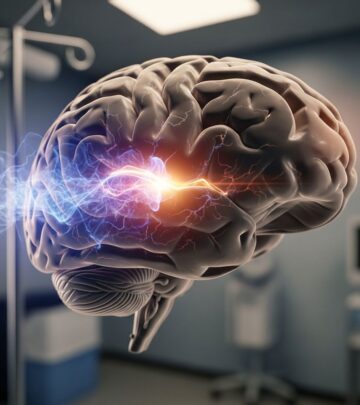
Apathy is medically defined as a quantitative reduction of goal-directed activity across behavioral, cognitive, emotional, or social dimensions, compared to the individual’s prior level of functioning. It manifests as indifference, diminished initiative, and lack of enthusiasm, distinct from depression which involves sadness or low mood. In neurological contexts, apathy stems from brain changes, particularly in frontal and subcortical regions, leading to impaired motivation and emotional responsiveness.
According to the 2018 Consensus Panel Diagnostic Criteria for Apathy, it requires:
- Criterion A: Quantitative reduction in goal-directed activity in at least one dimension (behavioral, cognitive, emotional, or social).
- Criterion B: Presence of at least two of three dimensions (diminished motivation, emotion, or social interaction) for over four weeks.
- Absence of other explaining factors like delirium or severe cognitive impairment.
| Dimension | Key Indicators |
|---|---|
| Motivation (B1) | Reduced initiative for goals, poor persistence, lack of interest in news or self-care. |
| Emotion (B2) | Diminished spontaneous emotions, reduced emotional expressions. |
| Social (B3) | Less spontaneous social initiatives, flattened response to others. |
This table summarizes the core features, helping clinicians differentiate apathy from fatigue or depression.
Causes
Apathy arises from disruptions in brain networks involving the prefrontal cortex, basal ganglia, anterior cingulate, and orbitofrontal regions, often due to neurotransmitter imbalances like dopamine and serotonin deficits. It is commonly associated with:
- Neurodegenerative diseases: Parkinson’s Disease (PD) affects 25-60% of patients, increasing with disease progression due to dopamine depletion. Alzheimer’s Disease (AD) sees apathy in 49% of cases, often early and persistent. Frontotemporal Dementia (FTD), especially behavioral variant, has rates up to 90.5-96%, linked to right orbitofrontal atrophy.
- Other neurological conditions: Stroke, traumatic brain injury, schizophrenia, and vascular dementia.
- Psychiatric overlaps: Major depressive disorder, though apathy lacks the dysphoria of depression.
- Medication side effects: Common in PD treatments, exacerbating non-motor symptoms.
In PD, apathy interferes with management as affected individuals skip exercise or medications. Neuroimaging shows hypometabolism in anterior cingulate and orbitofrontal cortex in FTD.
Symptoms of apathy
Symptoms include:
- Loss of motivation for hobbies, work, or self-care.
- Diminished emotional reactivity to positive or negative events.
- Reduced social engagement and initiative.
- Physical inertia without physical fatigue explanation.
- Cognitive disinterest in planning or problem-solving.
In PD, it mimics depression but is separable via factor analysis, distinct from anhedonia or anxiety. Caregivers note profound impacts on daily life.
Diagnosis
Diagnosis involves clinical assessment using tools like the Apathy Evaluation Scale or Dimensional Apathy Scale, confirming reduction from baseline functioning. Neurologists differentiate it from depression via lack of sadness and targeted brain imaging (MRI/PET) revealing frontal/subcortical changes. In PD/AD, it’s diagnosed alongside motor/cognitive exams. Exclusion of delirium, substance effects, or severe dementia is essential.
Related Stories



Treatment
No direct FDA-approved treatment exists, but management targets underlying causes:
- Pharmacological: Dopamine agonists (e.g., methylphenidate) for PD apathy; SSRIs if depression co-occurs, though evidence is mixed.
- Non-pharmacological: Cognitive-behavioral therapy, structured routines, occupational therapy to rebuild motivation. Linda Tickle-Degnen’s strategies emphasize biological, psychological, social factors with activity scheduling.
- Lifestyle: Exercise, social engagement, and goal-setting to counteract inertia.
In neurodegenerative cases, multidisciplinary approaches improve outcomes.
When to see a doctor
Seek medical advice if apathy persists >4 weeks, impacts daily functioning, or accompanies new neurological symptoms like tremors (PD) or memory loss (AD). Early intervention prevents progression and caregiver burden.
FAQs
Q: Is apathy the same as depression?
A: No, apathy lacks sadness or guilt; it’s a motivational deficit distinct from depressive mood.
Q: How common is apathy in Parkinson’s?
A: 25% early, up to 60% later; it’s a key non-motor symptom.
Q: Can apathy be treated?
A: Yes, through medications, therapy, and lifestyle changes targeting underlying brain changes.
Q: Does apathy occur in Alzheimer’s?
A: Yes, in about 49% of patients, often early and persistent.
Q: What brain areas cause apathy?
A: Frontal cortex, anterior cingulate, basal ganglia, with dopamine/serotonin imbalances.
References
- Apathy in PD | Stanford Parkinson’s Community Outreach — Stanford Medicine / APDA. 2019-08-20 / 2024-01-17. https://med.stanford.edu/parkinsons/symptoms-PD/apathy.html
- Apathy: Neurobiology, Assessment and Treatment — PMC / NIH. 2021. https://pmc.ncbi.nlm.nih.gov/articles/PMC8077060/
- The Science Of Apathy: Exploring Neurological Factors — Doral Health & Wellness. Recent (post-2022). https://doralhw.org/science-apathy-neurological-factors/
- Apathy: Definition, Causes, Symptoms & Treatment — Cleveland Clinic. Recent. https://my.clevelandclinic.org/health/symptoms/24824-apathy
Similar Articles








Read full bio of medha deb