Signs and Symptoms of Bipolar Disorder: What to Do Next
Recognize bipolar disorder symptoms and learn when to seek professional help for diagnosis and treatment.
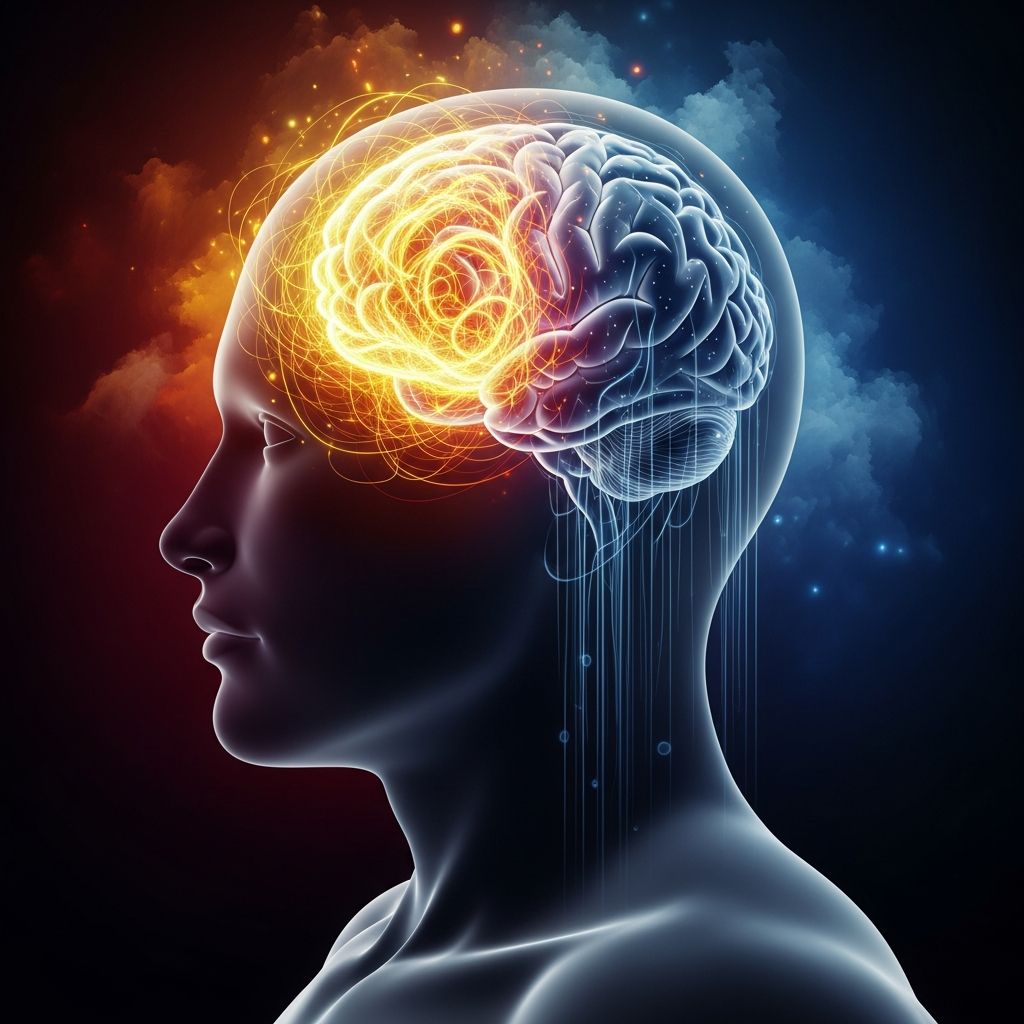
Understanding Bipolar Disorder: An Overview
Bipolar disorder, once known as manic-depressive disorder, is a serious mental health condition characterized by dramatic shifts in mood, energy, and activity levels. Unlike the everyday ups and downs that everyone experiences, bipolar disorder causes severe peaks and valleys that significantly impact a person’s thinking, behavior, and overall functioning. These mood episodes can range from the intense highs of mania to the profound lows of depression, and they may occur in various patterns depending on the type of bipolar disorder diagnosed.
The condition typically emerges during the teenage years or early adulthood, though it can develop at any age. Many individuals with bipolar disorder go unrecognized or misdiagnosed for years, leading to unnecessary suffering and delayed treatment. Understanding the signs and symptoms of bipolar disorder is crucial for early intervention and effective management.
The Manic Episodes: Understanding the Highs
During a manic episode, individuals experience a distinct period of elevated mood and increased energy that feels dramatically different from their baseline state. These episodes can range from mild to severe and may develop gradually over several days or appear suddenly within minutes or hours.
Key Symptoms of Mania
Common signs and symptoms of a manic episode include:
- Feeling very happy, energetic, or unusually on edge
- Needing very little sleep—feeling rested after only a few hours of rest
- Excessive talking, racing thoughts, or rapid speech patterns
- Overly self-confident or grandiose beliefs about abilities
- Increased distractibility and difficulty maintaining focus
- Engaging in risky or reckless behavior without considering consequences
- Making impulsive decisions, such as quitting a job or making large purchases
- Excessive spending or financial irresponsibility
- Increased irritability, particularly when plans are interrupted
- Heightened creativity and productivity
Duration and Severity
Manic episodes can last for hours, days, weeks, or even months. During these periods, individuals may feel capable of anything and may take on multiple ambitious projects simultaneously. Some people experience such mild mania that it goes unrecognized, making diagnosis more challenging.
Hypomania: The Milder Form of Elevated Mood
Hypomania is a less severe form of mania that represents a distinct period of persistently elevated or irritable mood. In a hypomanic state, individuals typically feel euphoric, energetic, and productive while still maintaining the ability to carry on with daily life and remaining connected to reality. To outside observers, someone experiencing hypomania may appear to simply be in an unusually good mood.
However, hypomania can have serious consequences despite its seemingly positive nature. Poor judgment during hypomanic episodes can result in decisions that damage relationships, harm career prospects, or negatively impact one’s reputation. Additionally, hypomania often escalates into full-blown mania or is followed by a major depressive episode, making it an important warning sign that requires professional attention.
Depressive Episodes: Understanding the Lows
Depressive episodes in bipolar disorder represent the opposite extreme from manic states, characterized by profound sadness, hopelessness, and a loss of interest in life. These episodes can be severely disabling and often present differently from typical clinical depression.
Common Symptoms of Bipolar Depression
Key symptoms of bipolar depressive episodes include:
- Persistent feelings of sadness, depression, and hopelessness
- Sudden or severe loss of interest in previously enjoyable activities, hobbies, relationships, or creative pursuits
- Profound fatigue and lack of motivation that makes basic tasks feel overwhelming
- Difficulty thinking, concentrating, and making decisions
- Memory problems and cognitive difficulties
- Intense, irrational guilt and feelings of worthlessness
- Beliefs that one is a burden to others
- Excessive sleeping or changes in appetite, including weight gain
- Slow speech and reduced physical activity
- Thoughts about suicide or self-harm
- Loss of interest in sex and reduced libido
Bipolar Depression vs. Major Depression
While bipolar depression shares similarities with major depressive disorder, important distinctions exist. Bipolar depression is more likely to involve irritability, intense guilt, unpredictable mood swings, and feelings of restlessness. Additionally, bipolar depression tends to be more treatment-resistant than other forms of depression and is often accompanied by heightened risks of self-harm, substance use, and suicidal ideation. People with bipolar depression may also experience “bipolar fog”—cognitive impairment marked by difficulty concentrating, memory lapses, and slowed thinking—which can sometimes mimic symptoms of ADHD or early cognitive decline.
Mixed Episodes: A Complex Combination
Mixed episodes of bipolar disorder feature symptoms of both mania or hypomania and depression occurring simultaneously or in rapid succession. This combination creates a particularly unstable and dangerous state characterized by high energy paired with low mood, a mixture that makes these episodes especially high-risk for suicidal behavior.
Symptoms of Mixed Episodes
Common signs of a mixed episode include:
- Depression combined with agitation and anxiety
- Racing thoughts alongside feelings of hopelessness
- Irritability and impulsivity paired with low self-esteem
- Insomnia and distractibility
- Feeling simultaneously energized and despaired
Types of Bipolar Disorder
Bipolar disorder manifests in different patterns, and clinicians classify these into distinct types based on the nature and frequency of mood episodes.
Bipolar I Disorder
Bipolar I Disorder represents the classic manic-depressive form of the illness, characterized by at least one manic episode or mixed episode lasting at least seven days. Usually—but not always—individuals with Bipolar I Disorder also experience at least one episode of major depression. The severity of manic episodes in Bipolar I can be extreme and often requires hospitalization.
Bipolar II Disorder
Bipolar II Disorder involves hypomanic episodes alternating with depressive episodes, but does not include full manic episodes or mixed episodes. In Bipolar II, depressive episodes often outnumber and have greater impact than hypomanic episodes, sometimes leading clinicians to describe it as the “quieter” but equally serious form of the disorder. Because hypomanic episodes are less severe than manic episodes, Bipolar II is sometimes more easily overlooked or misdiagnosed.
Rapid Cycling Bipolar Disorder
Some individuals with bipolar disorder develop rapid cycling, experiencing four or more episodes of mania or depression within a 12-month period. Mood swings in rapid cycling can occur very quickly—like a rollercoaster moving from high to low and back again within days or even hours. Rapid cycling is most common when bipolar disorder symptoms are not being adequately treated and can leave individuals feeling dangerously out of control.
Factors That Influence Bipolar Episodes
Seasonal Patterns
Episodes of mania and depression often follow a seasonal pattern in bipolar disorder. Manic episodes tend to be more common during summer months, while depressive episodes occur more frequently during fall, winter, and spring. Understanding these patterns can help individuals anticipate challenging periods and work with healthcare providers on preventative strategies.
Sleep Deprivation
Loss of sleep—even relatively minor sleep loss such as skipping a few hours of rest—can trigger an episode of mania. This relationship between sleep and mood episodes makes sleep hygiene particularly important for individuals managing bipolar disorder.
Why Bipolar Disorder Is Often Misdiagnosed
Many individuals with bipolar disorder receive an initial diagnosis of major depression, sometimes for years, before their mood instability becomes recognized. Several factors contribute to this common misdiagnosis:
- Hypomanic episodes in Bipolar II are particularly easy to miss, as they may appear as simply a good mood
- Patients may not recognize or accurately report their manic or hypomanic symptoms to healthcare providers
- Mood tracking over time may not occur without professional guidance
- Symptoms like irritability or impulsivity may be misattributed to personality traits rather than mood episodes
- Depressive episodes are often more prominent and bothersome to patients, leading them to focus on depression when describing their experiences
A proper bipolar disorder assessment, administered by a trained mental health clinician experienced in mood disorders, is the best way to distinguish between bipolar depression and other mental health conditions. This assessment typically involves detailed history-taking, mood tracking over time, and careful evaluation of the pattern of symptoms.
Broader Effects of Bipolar Disorder
Beyond mood fluctuations, bipolar disorder affects multiple dimensions of health and functioning. The condition influences energy levels, judgment, memory, concentration, appetite, sleep patterns, sex drive, and self-esteem. Additionally, bipolar disorder has been linked to anxiety, substance abuse, and various physical health problems including diabetes, heart disease, migraines, and high blood pressure.
What to Do If You Recognize These Symptoms
Seeking Professional Help
If you or a loved one experiences symptoms consistent with bipolar disorder, seeking professional evaluation is essential. A comprehensive psychiatric evaluation should include:
- Detailed history of mood episodes, duration, and severity
- Family history assessment, as bipolar disorder often has hereditary components
- Medical examination to rule out other conditions
- Discussion of current medications or substance use that might influence mood
- Standardized mood screening questionnaires
Documentation and Tracking
Keeping a mood journal or using mood tracking applications can provide valuable information to healthcare providers. Record details about your sleep patterns, energy levels, mood states, and life circumstances surrounding any mood changes. This documentation helps clinicians identify patterns and distinguish between normal mood variations and true bipolar episodes.
Treatment Options
While medication is often a cornerstone of bipolar disorder treatment, comprehensive management typically involves multiple approaches including psychotherapy, lifestyle modifications, and ongoing monitoring. Work with your healthcare provider to develop a personalized treatment plan that addresses your specific needs and circumstances.
Frequently Asked Questions
Q: Is bipolar disorder hereditary?
A: Yes, bipolar disorder often appears to be hereditary, with strong family patterns in many cases. Having a family member with bipolar disorder increases your risk of developing the condition, though it is not guaranteed to occur.
Q: Can bipolar disorder be cured?
A: Bipolar disorder is a lifelong condition that cannot be cured, but it can be effectively managed with appropriate treatment including medication, therapy, and lifestyle modifications. Many individuals with bipolar disorder lead fulfilling lives with proper support and management strategies.
Q: How long do bipolar episodes typically last?
A: Episode duration varies considerably among individuals. Mood swings may last a few hours or extend for several months. Some people experience rapid cycling with frequent mood changes, while others have longer intervals between episodes.
Q: Can someone with bipolar disorder hold a job?
A: Yes, many individuals with bipolar disorder successfully maintain employment with appropriate treatment and workplace accommodations. Open communication with employers about your condition and needs, combined with effective symptom management, enables many people to have productive careers.
Q: What’s the difference between bipolar disorder and depression?
A: Bipolar disorder involves alternating episodes of elevated mood (mania or hypomania) and depression, whereas major depression involves primarily depressive episodes. Additionally, bipolar depression tends to be more treatment-resistant and may present differently than typical depression.
References
- Symptoms of Bipolar Depression You Shouldn’t Ignore — Serenity Mental Health Centers. 2025. https://serenitymentalhealthcenters.com/adhd-blogs/symptoms-of-bipolar-depression-you-shouldnt-ignore/
- Bipolar Disorder — Harvard Pilgrim Health Care. 2025. https://www.harvardpilgrim.org/public/bipolar-disorder
- Bipolar Disorder Symptoms, Signs, Types, and Diagnosis — HelpGuide. 2025. https://www.helpguide.org/mental-health/bipolar-disorder/bipolar-disorder-signs-and-symptoms
- Bipolar Disorder Explained: Signs, Symptoms, Different Types, and Treatment — Harvard Medical School. 2025. https://www.youtube.com/watch?v=D1AO6Gm5o6A
- What Parents Need to Know About Bipolar Disorder in Children — Harvard Medical School, MGH Child Depression Program. 2025. https://www.youtube.com/watch?v=i0erP-003H4
- Bipolar Disorder — National Institute of Mental Health (NIMH). 2024. https://www.nimh.nih.gov/health/statistics/bipolar-disorder
Similar Articles







Read full bio of medha deb