Fever: Complete Guide To Signs, Causes, And At-Home Treatment
Understand fever causes, symptoms, measurement, treatment, and when to seek urgent medical help for adults and children.
A
fever
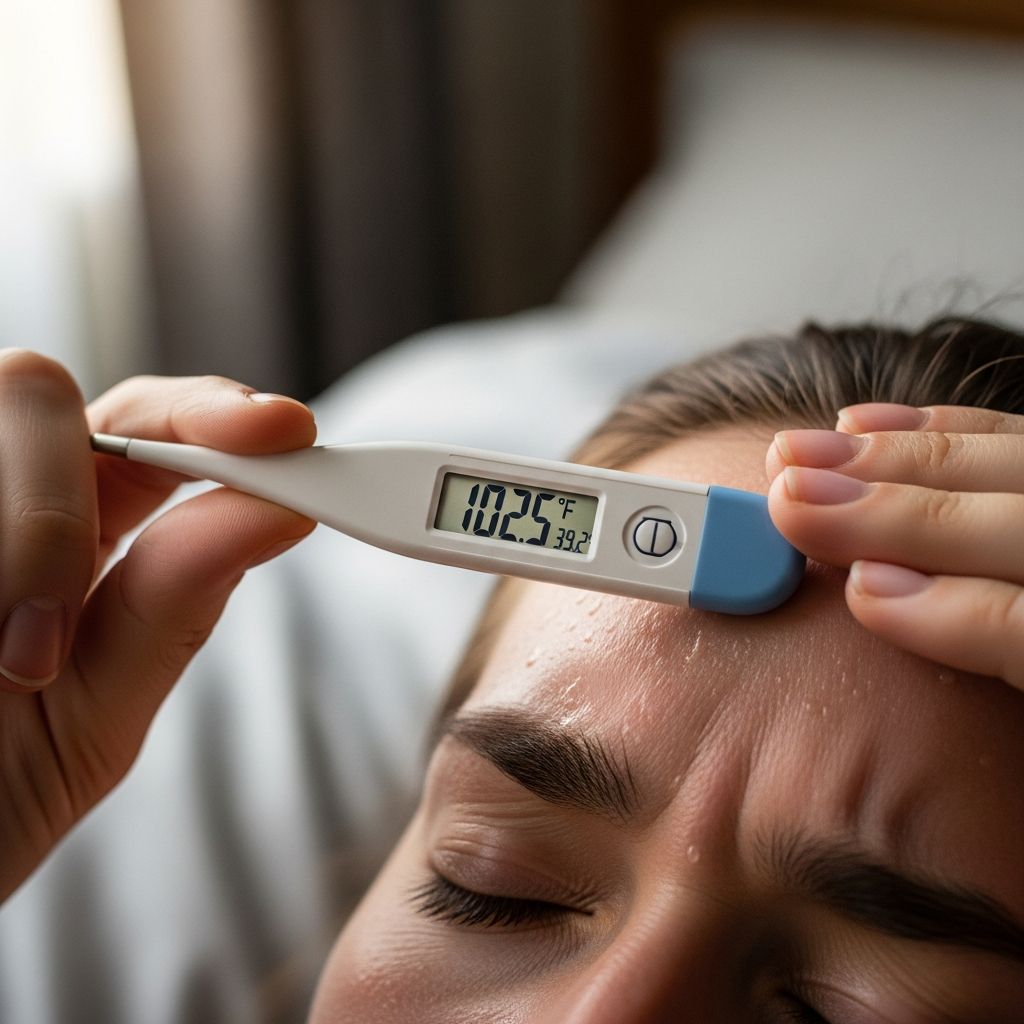
, or high temperature, is when your body temperature is higher than normal. A normal temperature is usually between 36°C and 36.8°C (96.8°F to 98.2°F), but can be slightly higher or lower depending on the time of day, activity level, or method of measurement. In adults, a fever is commonly defined as 38°C (100.4°F) or higher.Fever is often a sign that your body is fighting an infection, but it can also result from other causes like heat exhaustion or inflammatory conditions. While usually not harmful, persistent or very high fevers require attention.
Signs of Fever
The most reliable way to confirm a fever is using a
digital thermometer
. However, you may notice these common signs:- The forehead or chest feels hot to the touch (back of hand is more sensitive than palm).
- Flushed cheeks or red skin.
- Feeling hotter than people around you.
- Shivering or chills, even if you feel hot to touch.
Other associated symptoms can include sweating, headache, muscle aches, fatigue, loss of appetite, and irritability.
Symptoms of Fever
Fever itself is a raised body temperature, but it often comes with additional symptoms that vary by age, cause, and individual. Patient experiences highlight a range of sensations beyond just heat.
Common Symptoms in Adults
- Chills and shivering: Feeling cold despite rising temperature, often due to the body resetting its hypothalamic set point.
- Sweating: As temperature peaks or falls.
- Weakness or fatigue: General lethargy and tiredness.
- Headache: Frequently reported.
- Muscle aches (myalgia): Body-wide achiness.
- Loss of appetite: Reduced desire to eat.
- Irritability or emotional changes: Feeling anxious, crabby, or agitated.
Less Common Symptoms
- Gastrointestinal issues like nausea or tummy ache.
- Respiratory symptoms such as shortness of breath or coughing.
- Vivid dreams or hallucinations in severe cases.
- Nonspecific bodily sensations.
Symptoms in Children
Children may show similar signs but often express them differently:
- Feeling hot to touch or shivery.
- Looking pale or flushed.
- Headache or tummy ache.
- Feeling sick or vomiting.
The height of the fever does not always indicate severity; focus on behavior and other signs.
Rigors
Rigors are intense episodes of shivering and feeling intensely cold while body temperature rapidly rises, followed by feeling very hot and sweaty as it falls. They are a reflex response to fever, often linked to infections.
- During the cold phase: You feel freezing; others feel you are hot.
- During the hot phase: Flushed, sweaty skin.
- Duration: Minutes to hours; may recur.
Causes of Fever
Fever is the body’s natural defense, triggered by pyrogens (substances like cytokines) that raise the hypothalamic temperature set point.
Related Stories



| Category | Examples |
|---|---|
| Infections (most common) | Viral (e.g., flu, COVID), bacterial (e.g., pneumonia, UTI), parasitic. |
| Non-infectious | Heat exhaustion, autoimmune diseases like rheumatoid arthritis, cancers, medications (e.g., antibiotics, vaccines). |
| Other | Inflammatory conditions, immunizations (e.g., DTaP, pneumococcal). |
In children, fever often stems from viral illnesses.
Checking Your Temperature
Use a
digital thermometer
for accuracy. Avoid old mercury ones.How to Measure Temperature
- Oral (mouth): Place under tongue for 1 minute or until beep. 36.1°C-37.2°C normal; ≥38°C fever. Avoid if eating/drinking recently.
- Axillary (armpit): Less accurate; add 0.5°C-1°C to reading.
- Rectal: Most accurate for infants; 0.5°C higher than oral.
- Tympanic (ear): Quick for children over 6 months; follow device instructions.
- Temporal artery (forehead): Non-invasive scanner.
Rectal temperature ≥38°C (100.4°F) is a fever in babies under 3 months.
Treating a Fever at Home
Most fevers resolve with supportive care. The goal is comfort, not just lowering temperature, as mild fever aids immune response.
- Stay hydrated: Drink water, oral rehydration solutions; avoid caffeine/alcohol.
- Dress lightly: Remove excess clothing/blankets.
- Keep room cool: 16-20°C; use fan.
- Paracetamol (acetaminophen) or ibuprofen: For children over 3 months or adults. Follow age/weight dosing; do not alternate without advice.
Do not give aspirin to children due to Reye’s syndrome risk.
Treatment in Children
Focus on comfort: light clothing, fluids, paracetamol/ibuprofen if distressed. Sponge with lukewarm water if needed, but avoid cold water/alcohol.
When to Seek Medical Help
Monitor closely; seek help for concerning signs.
Babies and Young Children
- Under 3 months: Rectal ≥38°C (100.4°F).
- 3-6 months: Rectal >39°C (102.2°F) or uncomfortable at lower.
- Any age: Listless, not feeding, fewer wet nappies, grunting, pale/mottled skin, seizures.
Older Children and Adults
Call doctor if fever ≥39.4°C (103°F); seek emergency care for:
- Severe headache, stiff neck, rash, confusion, seizures.
- Difficulty breathing, chest pain, persistent vomiting, abdominal pain.
- Fever lasting >3-5 days or recurring.
Red Flags Table
| Group | Warning Signs |
|---|---|
| Babies | No tears, sunken eyes/fontanelle, reduced urine, drowsy. |
| Children | Not responding, high-pitched cry, grunting, indrawing ribs. |
| Adults | Mental changes, photophobia, neck stiffness, convulsions. |
Fever in Children
Children often have higher fevers than adults, but assess overall illness. Use age-appropriate thermometers; treat symptoms, not just number.
- Encourage fluids; monitor for dehydration (dry mouth, no wet nappies).
- Check for serious illness using traffic light system: Green (normal), Amber (seek advice), Red (urgent).
Frequently Asked Questions (FAQs)
Q: Is a fever dangerous?
A: Mild fevers are usually harmless and help fight infection, but high or prolonged fevers need evaluation.
Q: Can I give paracetamol and ibuprofen together?
A: Only under medical advice; do not alternate routinely.
Q: What if my child has a fever but seems well?
A: Monitor closely; treat for comfort if needed. See doctor if under 3 months or other red flags.
Q: Does teething cause fever?
A: Mild temperature rise possible, but true fever (>38°C) suggests illness.
Q: When is a high fever an emergency?
A: With seizures, stiff neck, confusion, or breathing issues—seek immediate help.
References
- Beyond Intuition: Patient Fever Symptom Experience — PMC – NIH. 2013-10-29. https://pmc.ncbi.nlm.nih.gov/articles/PMC3830719/
- Fever – Symptoms & causes — Mayo Clinic. 2023-08-23. https://www.mayoclinic.org/diseases-conditions/fever/symptoms-causes/syc-20352759
- Fever in Children (High Temperature) — Patient.info. 2024-01-15. https://patient.info/childrens-health/fever-in-children-high-temperature
- Fever (High Temperature) — Patient.info. 2024-05-10. https://patient.info/signs-symptoms/fever
- Rigors — Patient.info. 2023-11-20. https://patient.info/childrens-health/rigors-leaflet
- Fever treatment for children: a doctor’s advice — Patient.info. 2024-02-05. https://patient.info/features/childrens-health/a-doctors-advice-how-to-manage-fever-in-children
Similar Articles








Read full bio of Sneha Tete