Signs You Might Not Be Eating Enough Omega-3s
Discover key signs of omega-3 deficiency like dry skin, joint pain, and mood issues, plus how to boost your intake for better health.
Omega-3 fatty acids are essential nutrients that support heart health, brain function, and inflammation control, yet many people don’t consume enough. Common signs of deficiency include
dry skin
,joint pain
,dry eyes
,depression
, andpoor concentration
, often linked to low levels of EPA and DHA found in fatty fish. This article explores these symptoms in detail, backed by research, and offers practical ways to address them through diet and lifestyle.What Are Omega-3 Fatty Acids?
Omega-3s are polyunsaturated fats crucial for cell membrane health, including EPA (eicosapentaenoic acid), DHA (docosahexaenoic acid), and ALA (alpha-linolenic acid). The body cannot produce EPA and DHA efficiently, so they must come from diet, primarily fatty fish like salmon and mackerel. ALA from plants like flaxseeds converts poorly to EPA/DHA, making marine sources superior. Deficiency arises from low fish intake, poor conversion, or high omega-6 consumption, which competes with omega-3s.
According to the National Institutes of Health, adequate omega-3 intake reduces inflammation and supports cognitive function, but modern diets often fall short, leading to widespread depletion. Symptoms emerge gradually as cell membranes lose flexibility, impairing nutrient transport and increasing inflammation.
1. Dry, Irritated Skin
**Dry, rough, or flaky skin** is one of the earliest signs of omega-3 deficiency, as these fats maintain the skin’s moisture barrier. Without sufficient omega-3s, skin loses hydration, leading to irritation, acne, eczema, or dermatitis. Studies show omega-3s strengthen skin cell membranes, preventing moisture loss and protecting against environmental irritants.
People with deficiency often report increased sensitivity, redness, and breakouts. Hair and scalp may become dry, brittle, or dandruff-prone, as omega-3s lubricate follicles. Nails turn brittle or peel due to weakened keratin structure. A study cited by Healthline notes that omega-3 supplementation improves skin integrity in those with deficiencies.
- Dry, flaky skin or eczema flare-ups
- Brittle hair, thinning, or excessive shedding
- Brittle, peeling nails
- Increased acne or skin redness
2. Dry, Itchy Eyes
**Dry eyes** signal low omega-3s, which are vital for tear film production and meibomian gland function. Deficiency causes insufficient oil in tears, leading to evaporation, itchiness, grittiness, or watery eyes. This is common in desk workers with screen time, exacerbating the issue.
Research links omega-3s to reduced dry eye syndrome; supplementation increases tear quality. Visual disturbances or short-sightedness may also occur from impaired retinal health, as DHA is a key component. If eyes feel perpetually irritated, it could indicate depletion.
3. Joint Pain and Stiffness
**Joint pain and stiffness**, especially in older adults, often stem from omega-3 deficiency fueling inflammation. Omega-3s produce anti-inflammatory resolvins, countering prostaglandins that cause arthritis-like symptoms. Low levels exacerbate osteoarthritis or rheumatoid arthritis, reducing grip strength and mobility.
Studies show EPA/DHA supplements decrease joint tenderness and morning stiffness. Symptoms include achy knees, hips, or fingers, worsened by activity. Addressing deficiency can halt cartilage breakdown.
Related Stories



- Increased stiffness upon waking
- Reduced joint flexibility
- Swelling or tenderness in joints
4. Depression and Mood Swings
**Depression, anxiety, and mood swings** are tied to low omega-3s, as DHA supports brain cell membranes and serotonin function. Deficiency disrupts neurotransmitter balance, increasing risks of ADHD, behavioral issues, or emotional instability. Observational studies link low EPA/DHA blood levels to higher depression rates.
Symptoms include persistent sadness, irritability, or excessive mood fluctuations, sometimes with PMS or breast pain in women. Omega-3s modulate inflammation in the brain, a depression factor.
5. Poor Concentration and Memory Issues
**Brain fog, poor focus, and memory lapses** arise when omega-3s are low, impairing neuron communication. DHA is 60% of brain fat; deficiency causes cognitive sluggishness, learning difficulties, or ADHD-like symptoms. Children may show behavioral disorders.
Adults report forgetfulness or trouble concentrating. Supplementation improves cognitive performance in deficient individuals.
Other Signs of Omega-3 Deficiency
Beyond primary symptoms, watch for:
- Frequent infections: Weakened immunity from poor inflammatory control.
- Fatigue and poor sleep: Disrupted energy and insomnia.
- Cardiovascular risks: High triglycerides and heart issues.
- Excessive thirst or PMS: Hormonal imbalances.
| Symptom | Why It Happens | Omega-3 Fix |
|---|---|---|
| Dry Skin | Weakened barrier | Fish oil supplements |
| Joint Pain | High inflammation | Anti-inflammatory resolvins |
| Dry Eyes | Poor tear oil | DHA-rich diet |
| Depression | Brain inflammation | EPA for mood |
How Much Omega-3 Do You Need?
Adults need 250–500mg EPA/DHA daily; pregnant women require more DHA. Test via blood omega-3 index for accuracy.
Omega-3-Rich Foods
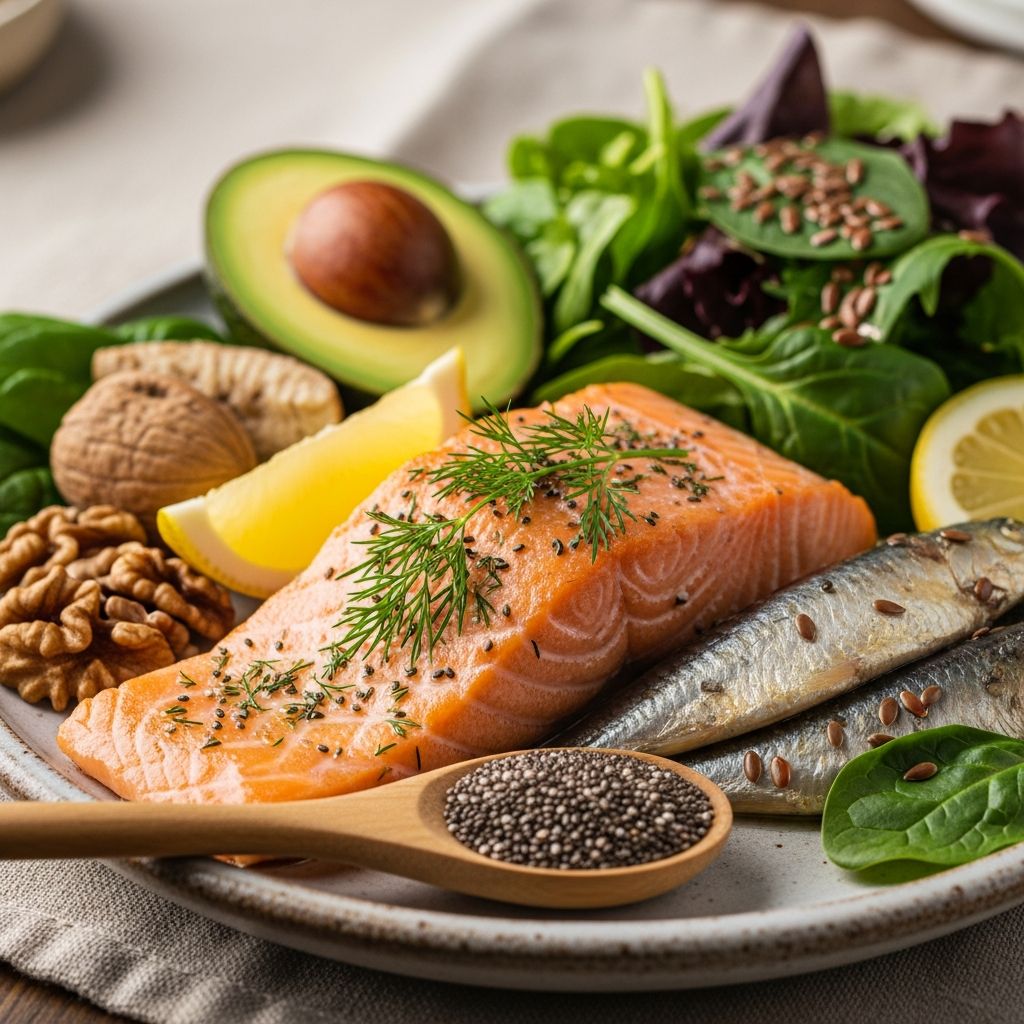
- Fatty fish: Salmon (1,200mg/3oz), mackerel
- Plant sources: Flaxseeds, chia, walnuts (ALA)
- Fortified foods: Eggs, yogurt
Aim for 2 fish servings weekly.
Supplements and Tips
Fish oil, krill, or algae (vegan) provide concentrated EPA/DHA. Consult doctors for dosing. Balance omega-6 by limiting processed oils.
Frequently Asked Questions (FAQs)
Q: What are the first signs of omega-3 deficiency?
A: Dry skin, brittle hair/nails, and dry eyes are often the earliest indicators.
Q: Can omega-3 deficiency cause depression?
A: Yes, low levels link to mood disorders via brain inflammation.
Q: How do I test for omega-3 deficiency?
A: Blood tests measure omega-3 index; aim for 8%+ .
Q: Are plant omega-3s sufficient?
A: ALA converts poorly; prioritize fish or algae for EPA/DHA.
Q: How long to see benefits from supplementation?
A: 4–12 weeks for symptom relief.
References
- Omega 3 deficiency & depletion symptoms — Zooki. 2023. https://zooki.com/en-us/blogs/guides/what-are-the-symptoms-of-omega-3-deficiency-and-depletion
- Omega 3 deficiency: causes, symptoms & how you can tackle it — Biogena. 2024. https://biogena.com/en/knowledge/guide/omega-3-deficiency_bba_4287742
- 5 Signs and Symptoms of Omega-3 Deficiency — Healthline. 2023. https://www.healthline.com/nutrition/omega-3-deficiency
- Omega-3 Deficiency: Causes, Symptoms, and Effective Treatment — Sakra World Hospital. 2024-11-15. https://www.sakraworldhospital.com/symptom-detail/omega-3-deficiency-symptoms
- 8 Common Signs of an Omega-3 Deficiency — Progressive Medical Center. 2023. https://www.progressivemedicalcenter.com/blog/8-common-signs-of-an-omega-3-deficiency/
- 10 signs of an omega 3 deficiency — Vivo Life. 2023. https://www.vivolife.com/blogs/news/10-signs-of-an-omega-3-deficiency
- What are the Symptoms of Lack of Omega-3? — OmegaQuant. 2023. https://omegaquant.com/what-are-the-symptoms-of-lack-of-omega-3/
- Omega-3 Fatty Acids – Health Professional Fact Sheet — NIH Office of Dietary Supplements. 2023-10-02. https://ods.od.nih.gov/factsheets/Omega3FattyAcids-HealthProfessional/
Similar Articles








Read full bio of medha deb