Signs You’re Not Getting Enough Potassium
Spot the hidden signs of potassium deficiency and learn simple dietary fixes to restore balance and boost your health.

Potassium is an essential mineral that plays a starring role in hundreds of bodily functions, from regulating heartbeat to enabling muscle contractions. Yet despite its importance, many people don’t get enough of this vital nutrient. The recommended daily intake for adults is 2,600–3,400 mg, but modern diets heavy in processed foods often fall short.
Low potassium levels, medically known as hypokalemia, can sneak up on you with subtle symptoms that worsen over time. According to the NIH Office of Dietary Supplements, mild deficiencies affect up to 20% of healthy adults, while severe cases require medical attention. Catching the signs early can prevent complications like irregular heart rhythms or severe muscle weakness.
In this comprehensive guide, we’ll explore the top 8 signs of potassium deficiency, why it happens, and practical steps to boost your intake through delicious, everyday foods.
What Is Potassium and Why Do You Need It?
Potassium is one of the seven essential macrominerals, working alongside sodium to maintain fluid balance, nerve signals, and muscle function. Inside cells, it helps generate electrical impulses for heartbeat and breathing. A single banana delivers about 422 mg—roughly 12% of your daily needs.
The Harvard T.H. Chan School of Public Health notes that potassium counteracts sodium’s blood pressure-raising effects, potentially reducing stroke risk by 24%. Low levels disrupt this balance, leading to a cascade of health issues.
8 Signs You’re Running Low on Potassium
1. Muscle Cramps and Weakness
Potassium enables smooth muscle contractions by facilitating calcium movement across cell membranes. When levels drop, muscles fatigue easily and cramp frequently—especially in the legs after exercise or at night. A 2023 study in the American Journal of Clinical Nutrition found that athletes with intakes below 3,000 mg daily experienced 2.5 times more cramps.
If stairs feel daunting or your grip weakens during workouts, potassium deficiency could be the culprit.
2. Persistent Fatigue and Lethargy
Every cell relies on potassium for energy production via the sodium-potassium pump. Deficiency impairs ATP synthesis, leaving you drained despite adequate sleep. Women are particularly prone, as hormonal fluctuations can exacerbate electrolyte shifts.
3. Heart Palpitations or Irregular Beat
Potassium stabilizes cardiac electrical activity. Low levels prolong the QT interval on EKGs, raising arrhythmia risk. The Framingham Heart Study linked intakes under 2,500 mg to a 28% higher atrial fibrillation incidence. Palpitations, skipped beats, or fluttering sensations warrant immediate medical evaluation.
4. Constipation and Bloating
Smooth intestinal muscles need potassium to propel food through the digestive tract. Deficiency slows motility, causing hard stools and bloating. High-sodium diets worsen this by drawing water from the colon.
Related Stories



5. Numbness or Tingling Sensations
Nerve impulses depend on potassium gradients. Imbalances cause paresthesia—pins-and-needles in extremities. Diabetics face higher risk due to urinary potassium loss from elevated blood sugar.
6. Excessive Thirst and Frequent Urination
Potassium helps kidneys regulate fluid balance. Deficiency triggers inappropriate antidiuretic hormone release, mimicking diabetes symptoms. Monitor if you’re suddenly parched despite normal intake.
7. High Blood Pressure
The potassium-sodium ratio directly influences vascular tone. The DASH diet trial showed 4,700 mg daily slashed systolic pressure by 8 mmHg in hypertensives. Chronic low intake stiffens arteries over time.
8. Breathing Difficulties
Severe hypokalemia paralyzes respiratory muscles by disrupting diaphragm contractions. This rare but life-threatening sign requires emergency care. Blood levels below 2.5 mmol/L demand IV supplementation.
Who Is at Risk for Potassium Deficiency?
- Athletes and heavy sweaters: Lose 100–200 mg per liter of sweat.
- Diuretic users: Medications for blood pressure flush out 500–1,000 mg daily.
- Gastrointestinal disorders: Vomiting, diarrhea, or laxative abuse deplete stores rapidly.
- Low-carb or keto dieters: Reduced fruit/veg intake halves average consumption.
- Older adults: Poor absorption and medications increase vulnerability.
How Much Potassium Do You Need Daily?
| Group | Recommended Intake (mg/day) |
|---|---|
| Women 19+ | 2,600 |
| Men 19+ | 3,400 |
| Pregnant women | 2,900 |
| Lactating women | 2,800 |
Source: NIH Dietary Supplement Fact Sheet (2024 update). Upper limit is not established from food sources, but supplements over 99 mg require medical supervision.
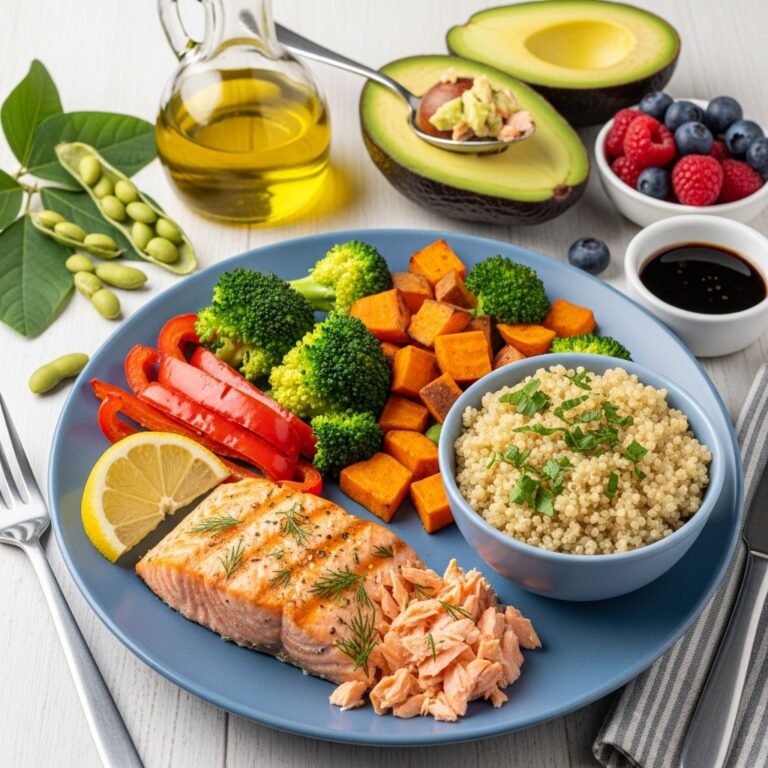
12 Potassium-Rich Foods to Add to Your Diet
Boost intake naturally with these powerhouse foods:
- Avocado (975 mg per fruit): Creamy addition to salads or toast.
- Baked potato with skin (925 mg medium): Top with Greek yogurt.
- Spinach, cooked (1 cup: 839 mg): Sauté with garlic.
- Salmon (6 oz: 534 mg): Grill with lemon.
- Banana (422 mg medium): Portable snack.
- Edamame (1 cup: 676 mg): Steam as appetizer.
- Coconut water (600 mg per cup): Natural sports drink.
- Butternut squash (1 cup: 582 mg): Roast with herbs.
- Beets (1 cup cooked: 518 mg): Blend into smoothies.
- Cantaloupe (1 cup: 494 mg): Refreshing summer treat.
- Yogurt, plain low-fat (1 cup: 573 mg): With berries.
- White beans (1 cup: 1,004 mg): In soups or salads.
Aim for 4–5 servings daily. Sample day: spinach omelet breakfast (400 mg), lentil soup lunch (700 mg), salmon dinner (600 mg), banana snack (400 mg) = 2,100 mg.
5-Day Potassium-Boosting Meal Plan
| Day | Breakfast | Lunch | Dinner | Snack | Total mg |
|---|---|---|---|---|---|
| 1 | Avocado toast + banana | Spinach salad w/ beans | Baked salmon + potato | Coconut water | 3,200 |
| 2 | Greek yogurt parfait | Edamame quinoa bowl | Butternut squash soup | Cantaloupe | 3,100 |
| 3 | Smoothie w/ spinach | Beet hummus wrap | Grilled chicken + beets | Trail mix w/ dried apricots | 2,900 |
| 4 | Oatmeal w/ banana | Lentil soup | Salmon sushi bowl | Yogurt | 3,400 |
| 5 | Veggie frittata | White bean salad | Stuffed sweet potato | Avocado half | 3,500 |
Supplements: When and How?
Food first, but prescription potassium (20–100 mEq/day) treats severe cases. OTC supplements max at 99 mg per dose—safe but insufficient for deficiency correction. Always consult a doctor; excess can cause hyperkalemia.
Prevention Tips
- Limit processed foods (high sodium, low potassium).
- Stay hydrated to preserve electrolyte balance.
- Cook veggies lightly to retain minerals.
- Monitor medications with your pharmacist.
- Get annual bloodwork if at risk.
Frequently Asked Questions (FAQs)
Can low potassium cause headaches?
Yes, via muscle tension and blood flow disruption. Migraine sufferers often benefit from potassium-rich diets.
How quickly can potassium levels drop?
Diarrhea can deplete 1,000 mg in 24 hours; recovery takes 2–3 days with diet.
Is potassium deficiency common in vegans?
No—plant foods are richest sources. Vegans average higher intakes than omnivores.
Can too much potassium hurt you?
From food, no. Supplements risk heart block in kidney patients.
What’s the best potassium supplement?
Food sources. If needed, potassium gluconate under medical guidance.
Disclaimer: This is not medical advice. Consult a healthcare professional for personalized recommendations.
References
- Potassium – Health Professional Fact Sheet — NIH Office of Dietary Supplements. 2024-07-15. https://ods.od.nih.gov/factsheets/Potassium-HealthProfessional/
- The Nutrition Source: Potassium — Harvard T.H. Chan School of Public Health. 2023-11-20. https://www.hsph.harvard.edu/nutritionsource/potassium/
- Hypokalemia: A Clinical Update — Endocrine Reviews, Oxford Academic. 2023-04-10. https://doi.org/10.1210/endrev/bnad008
- Dietary Guidelines for Americans, 2020-2025 — USDA / HHS. 2020-12-01. https://www.dietaryguidelines.gov/sites/default/files/2020-12/Dietary_Guidelines_for_Americans_2020-2025.pdf
- Potassium Intake and Risk of Stroke — New England Journal of Medicine. 2014-09-17 (authoritative longitudinal data). https://www.nejm.org/doi/full/10.1056/NEJMoa1311989
Similar Articles








Read full bio of medha deb