Sildenafil For Erectile Dysfunction: Guide To Dosage & Safety
Comprehensive guide to sildenafil (Viagra, Aronix) for treating erectile dysfunction: usage, dosage, side effects, and key considerations.
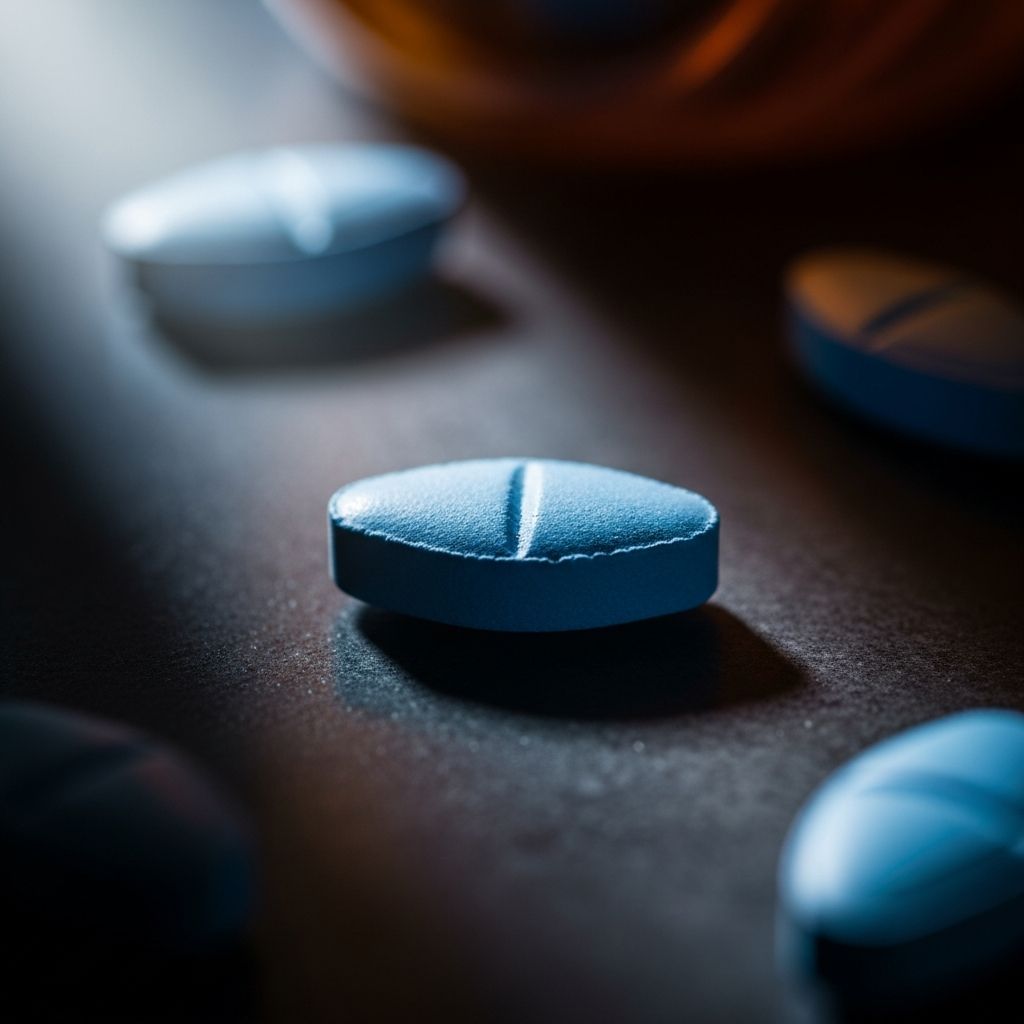
Sildenafil is a medication primarily used to treat
erectile dysfunction
(ED), also known as impotence, in men. It helps by improving blood flow to the penis, enabling an erection when sexually stimulated. This article covers everything from how sildenafil works to dosage, side effects, and important safety information, mirroring the structure of authoritative patient guides.About sildenafil tablets
**Erectile dysfunction** (sometimes called impotence) means you cannot get or maintain a proper erection for sexual activity. Sildenafil, available as brands like Viagra or generics such as Aronix, addresses this by targeting the underlying vascular issue.
Sildenafil belongs to a group of medicines called
phosphodiesterase type-5 (PDE5) inhibitors
. It works by preventing the action of a chemical called phosphodiesterase type-5, which relaxes blood vessels and improves blood flow to the penis following sexual stimulation. Without sexual arousal, sildenafil does not cause an erection—it requires physical stimulation to be effective.Clinical studies show sildenafil is highly effective, with rapid onset (as little as 14 minutes in some men) and duration up to 12 hours. In trials, 46.5% to 87% of patients reported improved erections compared to placebo. It significantly enhances quality of life and partner satisfaction.
Before taking sildenafil
Always consult a doctor before starting sildenafil, especially if you have underlying health conditions. Inform your doctor if you:
- Have
heart or blood vessel disease
, such as angina, heart failure, or irregular heartbeat. - Have recently had a
heart attack
(within the last 6 months). - Have
low blood pressure
or high blood pressure not controlled by medication. - Have
ever had a stroke
. - A problem with the
shape of your penis
(such as Peyronie’s disease), or if you havepriapism
(painful, prolonged erections). - Are due to have
eye surgery
(especially cataract surgery) in the near future. - Have
sickle cell disease
,multiple myeloma
, orleukaemia
. - Have a
stomach ulcer
. - Have
liver or kidney problems
. - Have a
history of bleeding disorders
orretinal pigmentation
.
Sildenafil is not suitable for everyone. It should not be taken with nitrates (used for chest pain) or certain other medications, as this can cause a dangerous drop in blood pressure. Sexual activity itself poses risks for those with heart conditions—discuss with your doctor if you’ve been advised to avoid it.
How to take sildenafil
Follow your doctor’s instructions precisely. Sildenafil tablets are taken orally, usually as needed before sexual activity.
Dosage
Available strengths: 25mg, 50mg, 100mg. The usual starting dose is
50mg
, taken 30-60 minutes before sex (up to 4 hours prior). Do not take more than once daily.- Adults up to 65 years: 50mg as a single dose, adjustable to 25mg or 100mg based on efficacy and tolerance.
- Over 65 years or liver/kidney issues: Start at 25mg.
Swallow the tablet whole with water. It can be taken with or without food, but high-fat meals may delay absorption.
Key tips
- Be sexually stimulated for it to work.
- Effects last 4-6 hours on average, up to 12 in some.
- If no effect, do not increase dose without medical advice—counseling or dose adjustment can help non-responders.
Who can and cannot take sildenafil
Sildenafil is for adult men with ED. It is
not for
:- Women or children.
- Men using nitrates, riociguat, or guanylate cyclase stimulators.
- Those with severe heart/liver/kidney disease, recent stroke/heart attack, or uncontrolled hypotension/hypertension.
- Men with hereditary retinal disorders or severe vision loss.
Related Stories



Special populations: Effective in diabetes, post-prostatectomy, but efficacy may be lower. NHS availability: Generics on prescription; branded Viagra limited to specific conditions.
Side effects of sildenafil
Common side effects are mild and short-lived.
Common side effects
These affect more than 1 in 100 people:
- Headache
- Feeling sick (nausea)
- Reddening of the skin (flushing)
- Indigestion or heartburn
- Visual disturbances (blurred vision, blue tint)
- Nasal congestion
Serious side effects
Rare but seek immediate medical help for:
- **Priapism**: Erection lasting >4 hours—emergency to prevent permanent damage.
- Chest pain, dizziness, nausea during sex.
- Sudden vision/hearing loss.
- Severe allergic reaction (rash, swelling, breathing difficulty).
Sildenafil has a favorable safety profile overall.
How to cope with side effects
- Headache/flushing: Rest, drink water, paracetamol if needed.
- Indigestion: Eat smaller meals, antacids.
- Blurred vision: Avoid driving; resolves quickly.
- For persistent issues, lower dose or switch medication.
Pregnancy and breastfeeding
Sildenafil is not indicated for women and has no relevance to pregnancy or breastfeeding in ED context. For pulmonary hypertension uses, consult a specialist.
Other medicines, food and drink, alcohol
Medicines
Avoid with:
- Nitrates (e.g., glyceryl trinitrate).
- Riociguat.
- Alpha-blockers (unless stabilized).
- Other PDE5 inhibitors or HIV protease inhibitors (dose adjustment needed).
Food and drink
Grapefruit juice may increase levels—avoid large amounts. Fatty foods delay onset.
Alcohol
Large amounts worsen ED and increase side effects like dizziness—limit intake.
Dosage and strength
| Strength | Typical Use | Notes |
|---|---|---|
| 25mg | Starting dose for elderly, liver/kidney issues | Lower risk of side effects |
| 50mg | Standard dose for most men | Adjust if needed |
| 100mg | If 50mg ineffective | Higher side effect risk; max once daily |
Detailed clinical data: Higher doses (up to 200mg) may help non-responders but increase adverse events.
What if I take too much?
Overdose symptoms: Prolonged erection, severe hypotension. Seek emergency care immediately.
About NICE guidance
NICE recommends PDE5 inhibitors like sildenafil as first-line ED treatment for eligible men.
Common questions about sildenafil
How long does sildenafil take to work?
Usually 30-60 minutes; fastest in 14 minutes. Effects up to 4-12 hours.
Can I take sildenafil with alcohol?
Limited amounts yes, but excess impairs function.
Does sildenafil cure ED?
No, it treats symptoms; address underlying causes.
Is sildenafil safe long-term?
Yes, studies show good tolerability up to 9 months nightly.
Alternatives if sildenafil fails?
Dose adjustment, counseling, other PDE5i, or injections/implants.
This guide ensures safe, informed use. Always consult healthcare professionals.
References
- Sildenafil in the treatment of erectile dysfunction — PubMed Central/NCBI. 2009-05-14. https://pmc.ncbi.nlm.nih.gov/articles/PMC2699643/
- Sildenafil for erectile dysfunction – Patient.info — Patient.info. Recent access 2026. https://patient.info/medicine/sildenafil-for-erectile-dysfunction-aronix-viagra
- Sildenafil: MedlinePlus Drug Information — MedlinePlus/NIH. Recent update. https://medlineplus.gov/druginfo/meds/a699015.html
- Sildenafil (oral route) – Mayo Clinic — Mayo Clinic. Recent update. https://www.mayoclinic.org/drugs-supplements/sildenafil-oral-route/description/drg-20066989
- Sildenafil Tablets (Erectile Dysfunction) – Cleveland Clinic — Cleveland Clinic. Recent update. https://my.clevelandclinic.org/health/drugs/20690-sildenafil-tablets-erectile-dysfunction
- Patient Information Sildenafil Citrate Tablets – Pfizer — Pfizer. Recent. https://labeling.pfizer.com/showlabeling.aspx?id=9555§ion=PPI
Similar Articles








Read full bio of medha deb