Silicone Dressings: Benefits, Uses, and Applications
Advanced silicone dressings: atraumatic wound care reducing pain and accelerating healing.
Silicone Dressings: A Comprehensive Overview
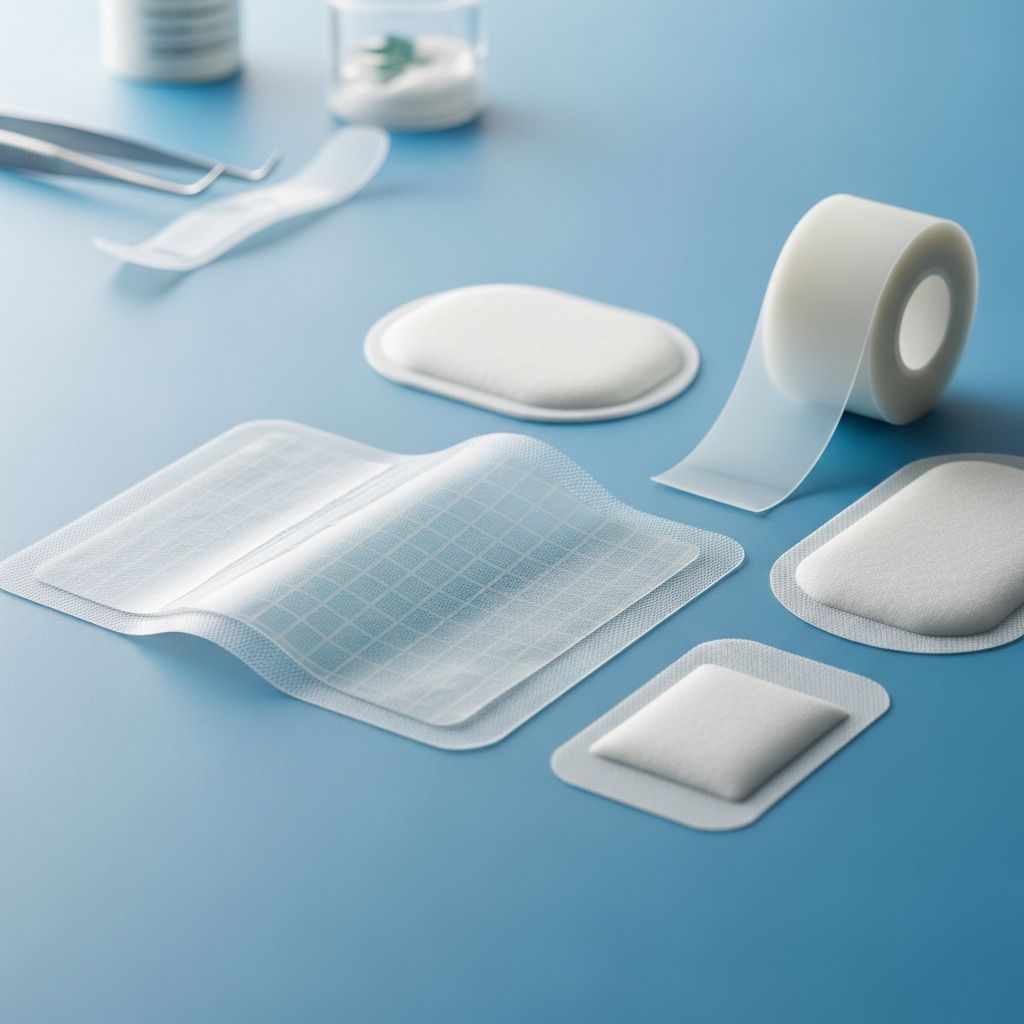
Silicone dressings represent a significant advancement in modern wound care technology. These specialized dressings have revolutionized how healthcare providers approach wound management by combining gentle adhesion properties with superior healing promotion capabilities. Unlike traditional dressings that often cause pain and tissue damage during removal, silicone dressings adhere only to dry skin surrounding the wound while remaining atraumatic to the wound bed itself. This fundamental characteristic makes them ideal for treating a wide variety of wound types, from chronic ulcers to acute surgical incisions.
What Are Silicone Dressings?
Silicone dressings are medical devices constructed from long-chain polymers containing repeating chains of silicone, oxygen, and other elements. The key innovation lies in their hydrophobic soft silicone layer, which has a tacky surface that adheres securely to dry, healthy skin around a wound but does not chemically bond with the moist wound bed itself. This unique property prevents the dressing from sticking to newly formed tissue, eliminating the traumatic epidermal stripping that occurs with conventional adhesive dressings.
The structure of silicone dressings allows them to serve multiple functions simultaneously. They create a protective barrier against contamination while maintaining an optimal moisture environment for healing. Many silicone dressings are transparent, enabling healthcare providers to monitor wound progress without frequent dressing changes. This combination of features makes silicone dressings among the most versatile options available in contemporary wound care protocols.
How Silicone Dressings Work
The mechanism of action for silicone dressings relies on several interconnected properties that work together to promote healing and reduce patient discomfort. The soft silicone layer creates a gentle interface between the dressing and the surrounding skin. Rather than forming a permanent bond with wound tissue, the silicone material simply drapes over the wound site, conforming naturally to body contours without restriction or tension.
When applied correctly, silicone dressings allow exudate to pass through to secondary dressings while maintaining moisture at the wound surface. This moisture balance is critical for optimal healing, as research has consistently demonstrated that wounds heal faster in moist environments compared to those allowed to dry out. The dressing’s porous structure prevents maceration by enabling proper fluid management while its water-repelling properties create an effective barrier against external contaminants.
Importantly, soft silicone does not dissolve in wound exudate and is molecularly too large to penetrate through cell membranes or enter the circulatory system. This means silicone dressings produce no systemic toxicity and remain biocompatible throughout their wear period, which can extend several days without requiring changes.
Key Benefits of Silicone Dressings
Reduced Pain During Dressing Changes
One of the most significant advantages of silicone dressings is their ability to dramatically reduce pain during dressing removal. According to the World Union of Wound Healing Societies, dressing changes represent one of the most difficult and painful aspects of wound recovery. Traditional adhesive dressings pull at periwound skin during removal, causing epidermal stripping and trauma that can actually extend recovery times and worsen wound outcomes.
Silicone dressings eliminate this problem by peeling away cleanly from surrounding skin without causing pain or tissue damage. This atraumatic removal process has been documented across multiple patient populations, including pediatric patients, burn victims, individuals with heel ulcers, and those experiencing radiation-induced skin reactions. The reduction in pain during dressing changes can decrease patient anxiety, improve treatment adherence, and reduce the need for analgesia or anesthesia.
Related Stories



Moisture Management and Healing Promotion
Silicone dressings maintain an optimal moisture level at the wound site, a condition essential for efficient tissue repair. Modern wound healing science has established that moist wound environments accelerate healing compared to traditional air-drying approaches. The dressing’s structure allows controlled passage of exudate while preventing excessive moisture loss, creating the ideal conditions for granulation tissue formation and epithelialization.
The moisture-retaining properties of silicone dressings work synergistically with the body’s natural healing processes. By preventing wound desiccation, these dressings reduce pain, promote faster tissue repair, and minimize complications associated with dry wound environments. Studies have consistently shown that patients using silicone dressings experience faster wound closure and achieve better overall healing outcomes compared to those using conventional dressings.
Scar Reduction and Cosmetic Outcomes
Silicone has a well-documented history in managing scar appearance and preventing aberrant scar formation. Silicone dressings promote a healthy wound environment while preventing excess tissue damage during the healing process. By maintaining proper moisture and reducing trauma from dressing changes, they help regulate collagen deposition and minimize the development of hypertrophic and keloid scars.
The gentle nature of silicone adhesion means that periwound skin remains undamaged throughout the healing journey, supporting the formation of normal, less visible scarring. For patients concerned with cosmetic outcomes—particularly those with facial wounds or burns—silicone dressings offer significant advantages over traditional options.
Extended Wear Duration
Unlike conventional dressings requiring frequent changes, silicone dressings can remain in place for several days, significantly reducing the number of dressing changes needed throughout treatment. This extended wear time translates to multiple clinical and practical benefits: fewer opportunities for trauma, reduced patient discomfort, decreased caregiver time requirements, and lower overall treatment costs despite higher per-unit dressing expense.
Transparency and Easy Monitoring
The transparent nature of many silicone dressings allows healthcare providers to assess wound progress without removing the dressing. This capability reduces the frequency of dressing changes necessary for monitoring purposes alone, further minimizing patient trauma and supporting faster healing. Visual inspection of the wound site becomes quick and straightforward, enabling timely intervention if complications develop.
Clinical Applications of Silicone Dressings
Wound Types and Conditions
Silicone dressings demonstrate versatility across numerous wound categories and clinical scenarios. They are suitable for chronic wounds including diabetic ulcers, venous leg ulcers, and pressure injuries. In acute care settings, silicone dressings effectively manage surgical incisions, traumatic wounds, and skin abrasions. They excel in specialized applications including burn wound management, skin graft sites, blister management, and skin tears.
The adaptability of silicone dressings stems from their gentle nature and effective moisture management. These properties make them appropriate for wounds of varying moisture levels, from minimal drainage to heavily exuding injuries. Healthcare providers can select silicone dressings with appropriate absorbency levels to match specific wound characteristics, ensuring optimal outcomes across diverse clinical presentations.
Fragile and Sensitive Skin
Patients with fragile skin, whether from advanced age, medical conditions, or previous skin damage, benefit tremendously from silicone dressings. The non-traumatic adhesion mechanism prevents iatrogenic skin damage that occurs with conventional dressings. Additionally, silicone’s low chemical reactivity minimizes the risk of allergic reactions and skin irritation, making these dressings ideal for sensitive skin populations.
Burn and Thermal Injuries
Silicone dressings provide effective protection for burn wounds while promoting pain relief and preventing infection. The gentle adhesion properties prevent damage to fragile, newly healing tissue, and the moisture-retaining capabilities support the burn healing process. Many burn care specialists recognize silicone dressings as a preferred option due to these combined advantages.
Skin Grafts and Post-Operative Care
Following skin graft procedures, silicone dressings facilitate optimal healing by protecting graft sites while promoting tissue adherence. The atraumatic nature prevents disruption of the graft, while moisture management supports integration and survival. Post-operative incisions from various surgical procedures similarly benefit from silicone dressings’ combined protective and healing-promoting properties.
Additional Properties and Advantages
Beyond their primary benefits, silicone dressings offer numerous supplementary advantages that enhance their clinical utility:
- Flexibility and Conformability: Silicone dressings flex with body movement and conform to wound contours without creating pressure points or restricting mobility.
- Low Toxicity: Extensive biocompatibility testing confirms minimal systemic or local toxicity, making them safe for prolonged wear.
- Low Thermal Conductivity: These dressings maintain stable wound temperature, supporting optimal healing conditions.
- Antimicrobial Protection: The silicone barrier does not support microbial growth, helping prevent infection.
- High Gas Permeability: Oxygen and other gases pass through the dressing, supporting aerobic cellular processes essential for healing.
- Water Resistance: Silicone dressings repel water and create a watertight seal, allowing patients to maintain hygiene and even shower with dressings in place.
- No Residue: Upon removal, silicone dressings leave no adhesive residue on skin, eliminating the need for solvent-based removal products.
Clinical Evidence and Outcomes
Multiple clinical studies have documented the superiority of silicone dressings across various outcome measures. Research demonstrates that these dressings significantly reduce pain during dressing removal compared to conventional alternatives. Quality of life improvements have been documented, with patients reporting reduced anxiety and improved treatment satisfaction.
Wound healing studies indicate that silicone dressings support wound closure within expected healing timelines while promoting faster overall healing compared to traditional approaches. The reduction in dressing change frequency translates to measurably lower trauma rates and fewer complications during the healing journey. Healthcare providers and patients alike recognize silicone dressings as evidence-based choices that improve clinical and patient-centered outcomes.
Cost-Effectiveness and Resource Management
Although silicone dressings typically have higher per-unit costs compared to conventional dressings, their extended wear duration and reduced change frequency result in significant overall cost savings. Fewer dressing changes mean less caregiver time, reduced material consumption, and decreased patient visits or nursing interventions. For healthcare systems and individual payers, the total cost of care using silicone dressings often proves lower than traditional approaches, particularly for chronic wounds requiring prolonged management.
Beyond direct economic benefits, the reduced pain and trauma associated with silicone dressings may decrease analgesia needs and reduce treatment-related anxiety, providing additional indirect cost savings and quality-of-life improvements.
Frequently Asked Questions
Q: Can silicone dressings be used on all wound types?
A: Silicone dressings are suitable for most wounds including chronic ulcers, acute wounds, surgical incisions, burns, skin grafts, and skin tears. However, healthcare providers should assess individual wound characteristics and patient factors to select appropriate dressing types and absorbency levels.
Q: How long can silicone dressings remain in place?
A: Many silicone dressings can be worn for several days without requiring changes, though specific duration depends on wound type, exudate levels, and manufacturer guidelines. Extended wear times reduce patient trauma and improve convenience.
Q: Do silicone dressings cause allergic reactions?
A: Silicone has low chemical reactivity and high biocompatibility, making allergic reactions extremely rare. These dressings are particularly suitable for patients with sensitive skin or documented adhesive sensitivities.
Q: Why is pain reduction important in wound care?
A: Pain during dressing changes can cause patient anxiety, reduced treatment adherence, and additional tissue trauma that delays healing. Silicone dressings’ atraumatic removal reduces pain and improve overall treatment outcomes and patient satisfaction.
Q: Are silicone dressings waterproof?
A: Yes, silicone dressings create a water-repelling barrier, allowing patients to shower and maintain hygiene while dressings remain in place, improving patient comfort and quality of life.
Q: What makes silicone dressings different from traditional adhesive dressings?
A: Silicone dressings adhere only to dry skin, not to moist wound beds, eliminating traumatic epidermal stripping. This atraumatic approach combined with superior moisture management and extended wear duration sets them apart from conventional options.
References
- Soft Silicone Dressings: Clinical Applications in Wound Management — Wounds International. 2023. https://woundsinternational.com
- A Pragmatic Randomised Controlled Clinical Study to Evaluate the Use of Silicone Dressings — National Center for Biotechnology Information (NCBI). 2022. https://pmc.ncbi.nlm.nih.gov/articles/PMC8684852/
- Silicone Dressings in Wound Care: Properties and Clinical Applications — Raleigh Coatings Ltd. 2024. https://www.raleighcoatings.com/benefits-of-silicone-dressings-in-wound-care/
- Silicone Dressings for Skin Tears: Evidence-Based Wound Care — Richardson Healthcare. 2024. https://richardsonhealthcare.com/silicone-dressings-for-skin-tears/
- Wound Healing Science: How Silicone Dressings Promote Faster Recovery — Hilom Health. 2024. https://hilomhealth.com/blogs/wound-care/wound-healing-science-silicone-dressings
- Exploring Silicone Dressings: Gentle and Effective Wound Care Solutions — Medisale UK. 2024. https://www.medisale.co.uk/blogs/news/exploring-silicone-dressings-gentle-and-effective-wound-care
Similar Articles








Read full bio of medha deb