Silicone Facial Implants: Uses, Benefits, and Considerations
Comprehensive guide to silicone facial implants for soft tissue augmentation and cosmetic enhancement.
Introduction to Silicone Facial Implants
Silicone facial implants are synthetic devices used in cosmetic and reconstructive surgery to enhance and augment soft tissue areas of the face. Unlike breast implants that are fluid or gel-filled, solid silicone implants have been safely used in facial cosmetic procedures since the 1950s. These implants work by adding volume and definition to specific facial regions, helping patients achieve their desired aesthetic goals while maintaining natural-looking results.
The widespread adoption of silicone implants in facial surgery reflects decades of medical research and clinical experience demonstrating their safety and effectiveness. Healthcare providers worldwide continue to utilize these implants for various cosmetic and reconstructive applications, making them one of the most established materials in facial augmentation procedures.
What Is Silicone?
Silicone is a synthetic polymer composed of silicon and oxygen atoms linked together in long chains. In medical applications, silicone is manufactured in multiple forms including fluids, gels, and rubbers. When specifically manufactured for facial implants, silicone is produced as solid compounds that maintain flexibility and exceptional durability despite their firm structure.
The material used in facial implants is chemically known as dimethylsiloxane. This specific formulation is valued in medical settings because it is chemically inert, meaning it does not react with body tissues or fluids. This inert property is fundamental to the safety profile of silicone facial implants, as it prevents the material from breaking down or leaching into surrounding tissues over time.
Silicone implants are manufactured in varying degrees of hardness to accommodate different surgical applications and patient preferences. This variability allows surgeons to select implants with appropriate firmness for specific facial regions and desired aesthetic outcomes. Major manufacturers produce these implants with strict quality controls ensuring consistency and safety across different product lines.
Where Can Silicone Implants Be Used?
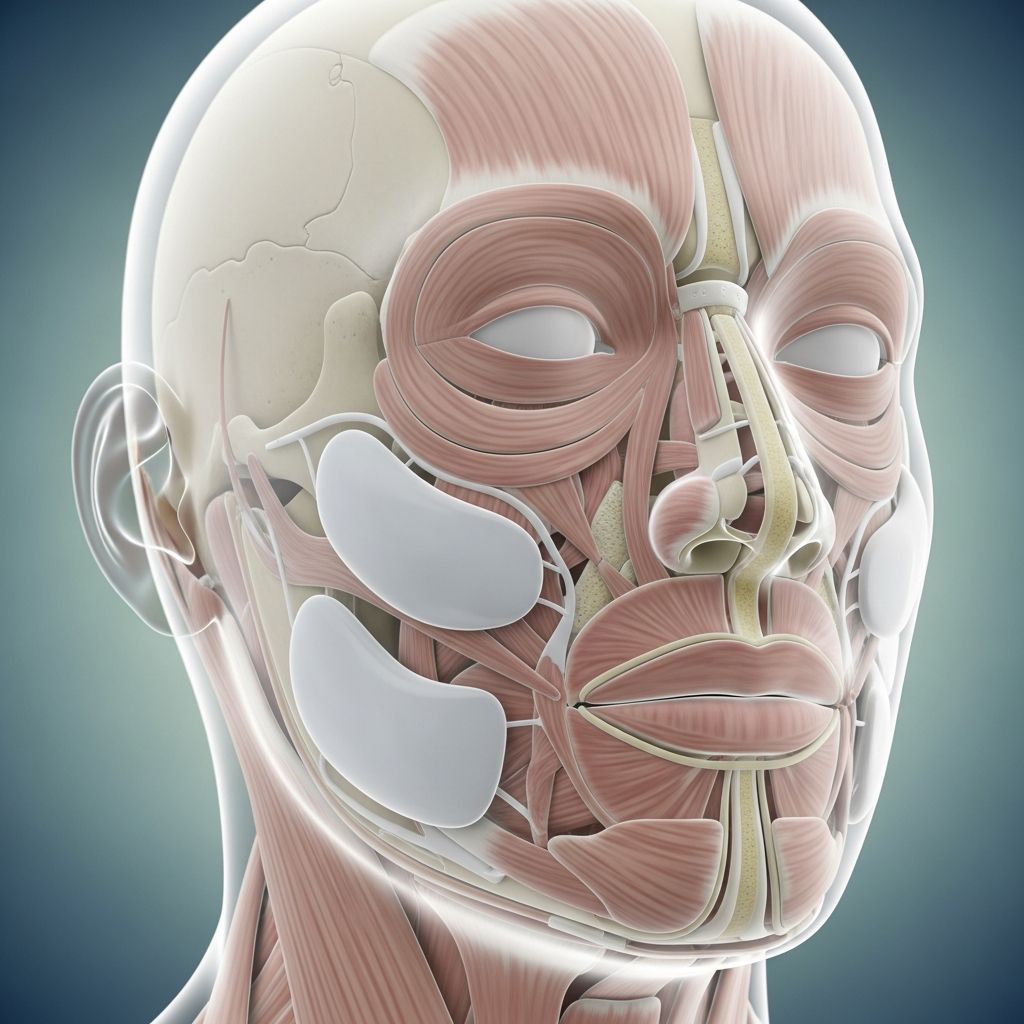
Silicone facial implants are designed specifically to augment soft tissue areas rather than the underlying facial bony structure. The implants work by adding volume, contour, and definition to facial features through placement in soft tissue planes. This distinction is important because it determines appropriate surgical technique and patient expectations regarding results.
Common facial areas treated with silicone implants include:
- Cheeks and cheekbones
- Chin
- Lips and lip borders
- Nasolabial folds
- Temples
- Jawline definition
- Facial contours following trauma or congenital deformities
These implants serve both cosmetic enhancement purposes, where patients desire improved facial proportions and aesthetics, and reconstructive applications, where they help restore normal appearance following injury, illness, or congenital conditions. The versatility of silicone implants makes them valuable tools in comprehensive facial rejuvenation and reconstruction programs.
Insertion Procedure and Surgical Technique
Silicone facial implant insertion is performed in a doctor’s office or surgical facility under appropriate anesthesia and sterile conditions. The specific surgical technique varies depending on the implant location and the extent of correction being undertaken. Surgeons typically make small incisions in inconspicuous locations to minimize visible scarring.
Related Stories



The procedure involves creating a pocket in the soft tissue layer where the implant will be positioned. The surgeon carefully places the implant to ensure proper positioning and symmetric results. Incisions are then closed with sutures that may be dissolvable or require removal at a follow-up appointment.
The total duration of the procedure depends on several factors:
- Number of implants being placed
- Complexity of the surgical area
- Whether additional procedures are being performed simultaneously
- Individual patient anatomy and requirements
Most patients can return to light activities within days, though full recovery and final results become apparent over several weeks as swelling resolves and tissues settle into their new configuration.
Body Response and Tissue Integration
When a silicone implant is inserted, the body recognizes it as a foreign object and initiates a natural biological response. The body forms a fibrous capsule of scar tissue around the implant, essentially encapsulating it within the tissue layers. This encapsulation is a normal and expected biological response that actually contributes to implant stability and longevity.
Most people tolerate silicone implants very well because the chemically inert nature of the material prevents toxic reactions or systemic responses. The scar tissue capsule isolates the implant from surrounding tissues, creating a stable environment where the implant remains in place and maintains its intended function for many years.
The body’s acceptance of silicone implants is supported by decades of clinical evidence demonstrating minimal inflammatory reactions and excellent biocompatibility. Unlike some other materials that may trigger persistent immune responses or tissue reactions, silicone’s inert properties make it one of the safest options for long-term facial implantation.
Longevity and Durability
Silicone facial implants are considered permanent fixtures once successfully integrated into the facial tissues. The durable nature of the silicone material itself means it will not degrade or deteriorate with time, maintaining its structural integrity for decades. Many patients retain their silicone implants for 20, 30, or more years without requiring replacement due to material failure.
However, “permanent” does not mean that no changes will occur. As the body ages and natural processes affect facial tissues, several changes may become apparent:
- Gradual skin thinning may make implants palpable or visible
- Facial volume loss in surrounding tissues may alter implant prominence
- Changes in facial fat distribution may affect aesthetic balance
- Natural aging of the skin may create texture changes around the implant
Despite these age-related changes, the implant material itself remains stable and functional. Patients who develop concerns about implant visibility or palpability later in life can opt for revision procedures, additional augmentation, or removal based on personal preferences.
Removal and Revision Procedures
One significant advantage of silicone facial implants is that their removal is relatively straightforward compared with other implant types. Because silicone implants do not integrate directly with skin tissue and instead remain encapsulated within scar tissue, surgeons can typically extract them cleanly without causing significant surrounding tissue damage.
The removal procedure involves reopening the original incision or creating a new incision in a strategic location. The surgeon then carefully dissects around the implant to free it from the surrounding capsule. The implant is removed intact, and the incision is closed, often leaving the fibrous capsule behind unless it has become problematic.
This relative ease of removal makes silicone implants an attractive option for patients concerned about reversibility. Should patients wish to explore different augmentation options, try a different implant size, or discontinue implant use entirely, removal procedures are typically less complex than would be required for materials that integrate more substantially with surrounding tissues.
Side Effects and Immediate Recovery
Silicone implants are usually well tolerated with minimal complications. Following implant insertion, patients commonly experience temporary discomfort and post-operative symptoms that resolve within days to weeks. These expected post-operative effects include:
- Swelling around the implant site
- Mild to moderate aching or soreness
- Numbness or altered sensation in the surgical area
- Slight bruising
- Temporary tightness in facial tissues
Most patients report that these symptoms resolve within one week of the procedure. During this recovery period, applying ice, elevating the head, and following post-operative instructions helps minimize discomfort and swelling. Pain medications prescribed by the surgeon can manage any significant soreness during this initial phase.
The gradual resolution of swelling allows patients and their surgeons to assess the true final results over several weeks. Patience during the recovery phase is important, as premature judgment of results may be misleading due to post-operative swelling and tissue settling.
Rare Complications
While silicone facial implants have an excellent safety record, rare complications may occasionally occur. Understanding these potential risks helps patients make informed decisions and recognize warning signs requiring medical attention. The following complications, though uncommon, have been documented:
- Infection: Bacterial infection of the implant or surrounding tissues can occur, particularly if sterile technique is compromised or if infection develops years after implantation. Signs include persistent redness, warmth, drainage, or fever.
- Implant visibility or palpability: Over time or due to inadequate tissue coverage, implants may become visible or easily felt beneath the skin.
- Asymmetry: Occasionally, implants may shift slightly or settle unevenly, creating asymmetric appearance requiring revision surgery.
- Allergic reaction: Rare allergic responses to implant materials or associated substances may occur in sensitive individuals.
- Hematoma or seroma: Fluid collections may develop following surgery, occasionally requiring drainage.
- Scarring complications: Capsular contracture or abnormal scar tissue formation may occur around the implant.
Despite the theoretical possibility of infection even years after implantation, the incidence of serious complications remains extremely low. Most patients experience uncomplicated long-term outcomes with their silicone implants functioning as intended for decades.
Safety and Clinical Evidence
The safety profile of silicone facial implants is supported by extensive clinical use spanning over seven decades. Solid silicone implants differ significantly from liquid-filled silicone breast implants in that they do not leach material into surrounding tissues. This fundamental difference has been crucial to their successful long-term safety record.
Silicone has been utilized in numerous medical devices beyond facial implants, including joint prostheses, heart valve replacements, and other surgical implants. This broad medical application across diverse specialties reflects the material’s proven biocompatibility and safety when properly manufactured and implanted.
Modern manufacturing standards ensure that silicone implants meet strict quality and purity specifications. Medical-grade silicone used in implants undergoes rigorous testing and verification to confirm its chemical stability and absence of contaminants that might trigger adverse reactions.
Frequently Asked Questions (FAQs)
Q: How long do silicone facial implants last?
A: Silicone facial implants are permanent and can last 20+ years or a lifetime. The silicone material itself does not degrade, though aging skin may eventually show changes around the implant.
Q: Are silicone facial implants safe?
A: Yes, solid silicone facial implants have an excellent safety record spanning over 70 years of clinical use. They are chemically inert and well-tolerated by the body with minimal complication rates.
Q: Can silicone facial implants be removed?
A: Yes, silicone facial implants can be relatively easily removed compared to other implant types because they remain encapsulated in scar tissue rather than integrating directly with surrounding tissues.
Q: How long is recovery after silicone implant insertion?
A: Most post-operative discomfort and swelling resolve within one week. Full recovery and final aesthetic results typically become apparent over several weeks as tissue settles.
Q: What facial areas can be treated with silicone implants?
A: Silicone implants can augment cheeks, chin, lips, temples, jawline, and other soft tissue facial areas. They are not designed for bone structure augmentation.
Q: What happens if infection occurs after silicone implant insertion?
A: While rare, infections may occur and require medical attention. Early signs include persistent redness, warmth, drainage, or fever. Contact your surgeon immediately if these symptoms develop.
References
- Silicone implants – DermNet — DermNet New Zealand. 2002. https://dermnetnz.org/topics/silicone-implant
- Breast Implant Illness: A Biofilm Hypothesis — PMC, National Institutes of Health. 2020. https://pmc.ncbi.nlm.nih.gov/articles/PMC7209857/
- A statement on breast implant illness — New Zealand Association of Plastic Surgeons. 2019. https://plasticsurgery.org.nz/wp-content/uploads/2019/11/Statement-on-breast-implant-illness-July-2019.pdf
- Contact Dermatitis in the Surgical Patient: A Focus on Wound Closure Materials — Journal of Dermatological Surgery. https://www.liebertpub.com/doi/full/10.1097/DER.0000000000000860
Similar Articles








Read full bio of medha deb