Silicone Patches Reduce Wrinkles, Scars
Discover how silicone patches hydrate skin, smooth fine lines, and fade scars with science-backed mechanisms for healthier, youthful skin.
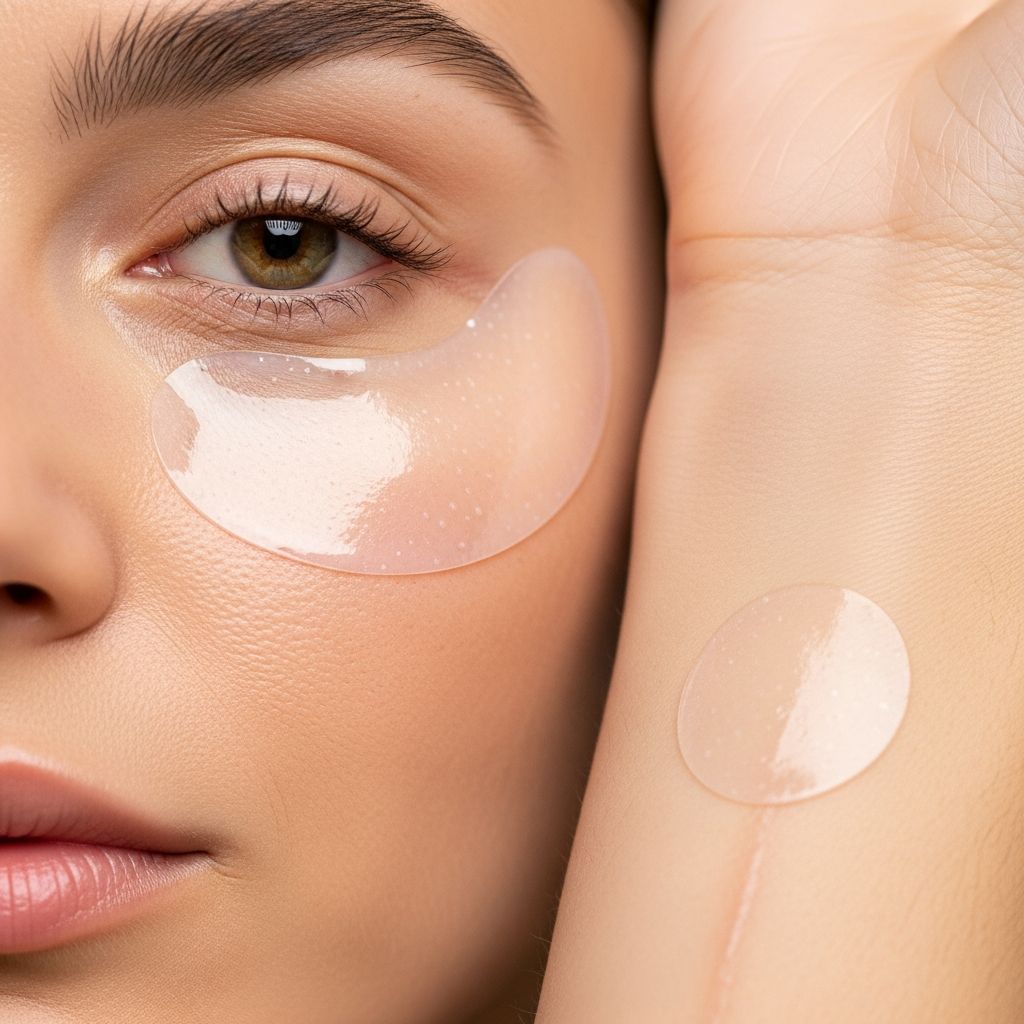
Silicone patches have surged in popularity as a non-invasive skincare solution for tackling both wrinkles and scars. These medical-grade adhesive sheets create a protective barrier that hydrates the skin, reduces the appearance of fine lines, and promotes scar healing. Dermatologists endorse them for their gentle efficacy, making them suitable for daily use in anti-aging and post-injury routines.
What Are Silicone Patches?
Silicone patches, also known as silicone gel sheets or scar tapes, are thin, flexible sheets made from medical-grade silicone. They adhere directly to the skin without harsh adhesives, forming an occlusive layer that locks in moisture and protects against environmental irritants. Originally developed for scar management in clinical settings, they have gained traction in skincare for addressing dynamic wrinkles like crow’s feet and forehead lines.
Unlike traditional creams or serums, silicone patches provide continuous coverage, typically worn overnight or for several hours daily. They are reusable—up to 30 uses per patch after gentle washing—making them cost-effective and eco-friendly. Available in various shapes for targeted areas such as eyes, mouth, neck, and chest, they cater to common aging concerns.
How Do Silicone Patches Work?
The effectiveness of silicone patches stems from three primary mechanisms: hydration and occlusion, temperature and oxygen regulation, and gentle mechanical compression.
- Hydration and Occlusion: The patch seals the skin, preventing transepidermal water loss (TEWL) and creating a moist microclimate. This plumps the skin, immediately softening fine lines and supporting long-term barrier repair.
- Microclimate Control: It slightly elevates skin temperature while reducing oxygen tension, signaling fibroblasts to normalize collagen production and prevent excessive scarring or wrinkle deepening.
- Mechanical Support: Light pressure flattens raised tissues and limits facial movements during sleep, reducing “sleep wrinkles” and tension on healing scars.
These processes mimic the skin’s natural healing environment, making silicone patches a staple in dermatology for both preventive and corrective care.
Silicone Patches for Wrinkles: Do They Really Work?
Clinical evidence supports silicone patches for wrinkle reduction, particularly for fine lines and dynamic wrinkles. A 2017 placebo-controlled study involving 39 participants tested adhesive pads on crow’s feet. Results showed significant decreases in skin roughness parameters within 15 minutes of application, lasting up to 60 minutes, with self-reported improvements in smoothness over 3-4 weeks of nightly use.
While not as potent as Botox for muscle paralysis or retinoids for deep collagen remodeling, silicone patches excel in surface-level smoothing via hydration. A review in the Journal of Cosmetic Dermatology noted rapid improvements in skin texture due to moisture retention, ideal for early signs of aging. Users often report plumper, firmer skin overnight, especially on dehydrated areas like the under-eye and nasolabial folds.
Long-term use (4-8 weeks) enhances elasticity, but effects are temporary without consistent application. They complement routines with sunscreen, moisturizers, and actives like peptides for sustained anti-aging benefits.
Silicone Patches for Scars: Proven Results
For scars, silicone patches are a gold standard backed by decades of research. They are recommended for hypertrophic, keloid, surgical, burn, and acne scars. International guidelines from plastic surgeons endorse silicone sheeting for its ability to flatten, soften, and fade scars by regulating collagen and maintaining hydration.
A Cochrane review confirmed silicone gel sheeting prevents and treats hypertrophic and keloid scars effectively, with mechanisms including reduced fibroblast activity and balanced dermal collagen. Fresh scars respond best within 2-3 months post-injury, showing less redness and elevation. Older scars improve gradually with 3-6 months of use.
Baptist Health notes silicone tape’s role in post-surgical care, hydrating incisions and dispersing wound tension to minimize wide or raised scarring. It’s safe for most skin types and can be worn under clothing for discretion.
How to Use Silicone Patches Effectively
Proper application maximizes results. Follow these steps:
- Prep the Skin: Cleanse and dry the target area thoroughly. Avoid oils or lotions that reduce adhesion.
- Apply the Patch: Cut to size if needed, peel off backing, and press firmly for 1-2 minutes. Smooth edges to prevent lifting.
- Wear Time: Start with 2-4 hours daily, building to 12-24 hours. Overnight use is ideal for wrinkles; daytime for scars.
- Maintenance: Remove gently, wash with mild soap, air-dry, and reuse. Replace when adhesion fades (typically 2-4 weeks).
- Combine Therapies: Pair with silicone-based gels for enhanced occlusion on irregular scars.
| Scar/Wrinkle Type | Recommended Wear Time | Expected Timeline |
|---|---|---|
| Fine Lines (Crow’s Feet) | 8-12 hours nightly | Visible smoothing in 1-4 weeks |
| Fresh Surgical Scars | 12-24 hours daily | Flattening in 2-3 months |
| Keloid/Acne Scars | 12-24 hours daily | Improvement in 3-6 months |
| Sleep Wrinkles (Forehead) | Overnight | Immediate plumpness, cumulative in 4 weeks |
Benefits vs. Risks and Side Effects
Key Benefits:
- Non-invasive, drug-free treatment suitable for sensitive skin.
- Reusable and hypoallergenic; minimal irritation risk.
- Versatile for face, body, and post-procedure care.
- Cost-effective compared to lasers or injections.
Potential Risks: Rare mild redness or itching from trapped moisture; discontinue if rash develops. Not for open wounds or active acne. Pregnant individuals or those with silicone allergies should consult a doctor.
Studies confirm high tolerability, with no significant adverse effects in controlled trials. Always patch-test on a small area first.
Best Silicone Patches: Top Recommendations
Look for medical-grade, 100% silicone patches without fillers. Top picks include those inspired by scar therapy protocols, offering shapes for eyes, smile lines, and full-face coverage. Dermatologist-approved options prioritize reusability (20-30 uses) and strong adhesion without residue.
- Reusable sheets for scars: Flexible for joints and curves.
- Pre-cut wrinkle patches: Targeted for high-movement areas.
- Hybrid kits: Combine patches with gels for stubborn scars.
Purchase from reputable sources emphasizing clinical backing over marketing hype.
Expert Tips from Dermatologists
Dermatologists recommend starting early for prevention: use on emerging lines or fresh scars. Dr. Insights highlight combining with retinoids (used separately) and daily SPF to amplify collagen support. For optimal scar results, apply within 2 weeks of wound closure. Consistency is key—daily use yields better outcomes than sporadic application.
They stress realistic expectations: patches hydrate and smooth but won’t eliminate deep wrinkles alone. Pair with a holistic routine for transformative results.
Frequently Asked Questions (FAQs)
Do silicone patches really reduce wrinkles?
Yes, they temporarily smooth fine lines via hydration and occlusion, with studies showing reduced roughness in crow’s feet within an hour. Long-term use improves texture over weeks.
How long should you wear silicone patches for scars?
12-24 hours daily for 2-6 months, depending on scar age. Wash and reuse until adhesion weakens.
Are silicone patches safe for all skin types?
Generally yes, including sensitive skin, but test for allergies. Avoid on open wounds.
Can silicone patches replace Botox or fillers?
No, they provide surface hydration, not muscle relaxation or volume. Best as complementary tools.
How soon do you see results from silicone wrinkle patches?
Immediate plumping after first use; cumulative smoothing in 2-4 weeks with nightly application.
References
- Do Silicone Wrinkle Patches Really Work? — Rejûvaskin. 2023. https://rejuvaskin.com/blogs/science-and-health/do-silicone-wrinkle-patches-really-work
- Silicone Scar Tape — Baptist Health. 2024. https://www.baptisthealth.com/blog/primary-care/silicone-scar-tape
- Antiwrinkle effect of topical adhesive pads on crow’s feet — PubMed (Journal of Cosmetic Dermatology). 2017-08-28. https://pubmed.ncbi.nlm.nih.gov/28845548/
- International clinical recommendations on scar management — Plastic and Reconstructive Surgery. 2002. https://pubmed.ncbi.nlm.nih.gov/12172101/
- Silicone gel sheeting for preventing and treating hypertrophic and keloid scars — Cochrane Database of Systematic Reviews. 2006. https://pubmed.ncbi.nlm.nih.gov/16437471/
Similar Articles








Read full bio of Sneha Tete