Simple Cooking Tricks to Boost Your Iron Levels
Discover easy kitchen hacks to enhance iron absorption and combat deficiency with everyday cooking methods.
Iron is an essential mineral that plays a critical role in transporting oxygen throughout the body via hemoglobin in red blood cells. Iron deficiency is one of the most common nutritional deficiencies worldwide, affecting energy levels, cognitive function, and overall health. While supplements exist, enhancing iron absorption through smart cooking practices is a natural, effective approach. This article explores proven kitchen strategies to maximize iron uptake from food, drawing from reliable nutritional science.
Understanding Iron: Heme vs. Non-Heme
There are two primary forms of dietary iron:
heme iron
from animal sources like red meat, poultry, and fish, which is absorbed at 15-35% efficiency, andnon-heme iron
from plants like spinach, lentils, and beans, absorbed at only 2-20%. Most dietary iron is non-heme, making absorption enhancement crucial, especially for vegetarians and vegans. Factors like vitamin C boost non-heme absorption up to three times, while inhibitors like tannins reduce it.Trick 1: Cook with Cast Iron Skillets
Using a
cast iron skillet
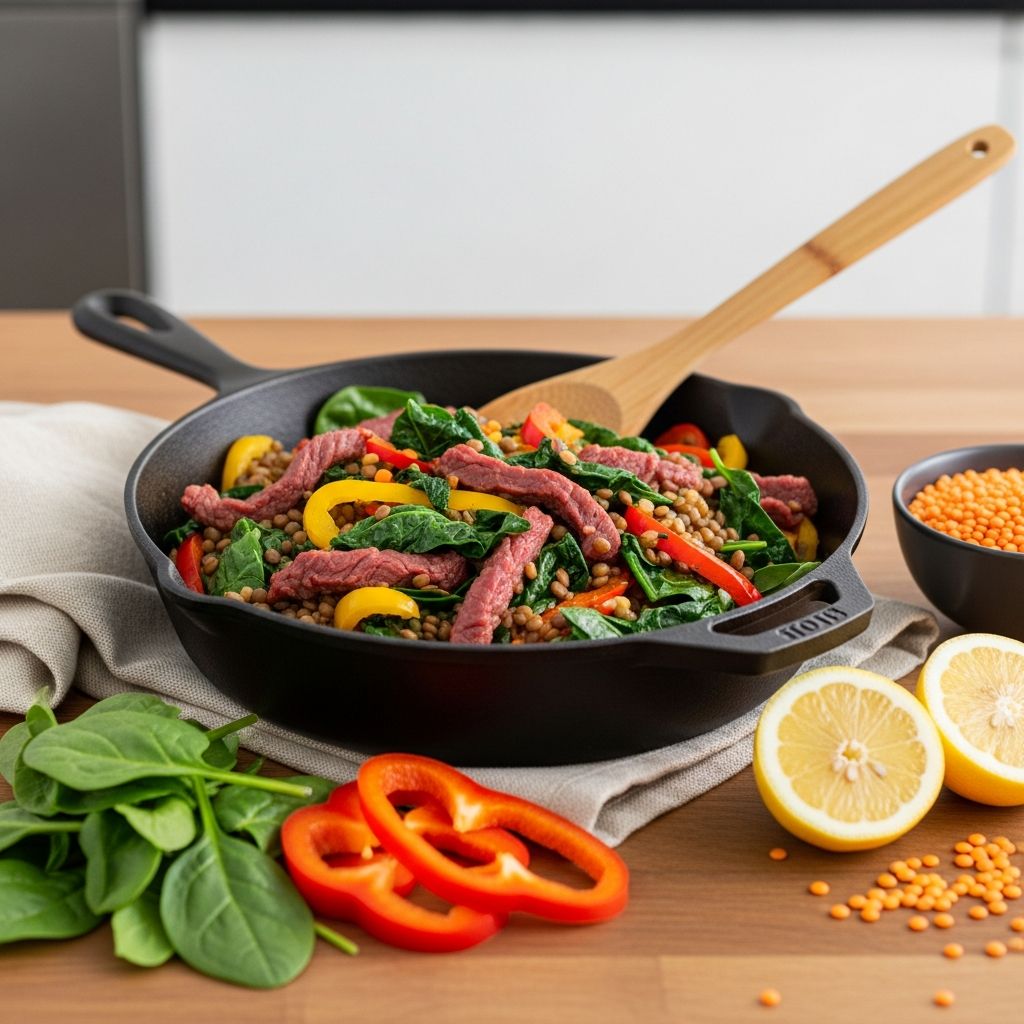
is one of the simplest ways to increase iron content in meals. The iron from the pan leaches into acidic foods during cooking, boosting overall iron by up to 16% compared to non-stick pans. Studies show this leads to higher hemoglobin levels over time. It’s particularly effective for tomato-based sauces, stews, and sautés.To get started:
- Season your pan: Scrub with steel wool and soap, dry thoroughly, coat thinly with oil (like coconut or vegetable), and bake upside down at 450-500°F for 1 hour. Repeat if needed for a non-stick surface.
- Preheat properly: Always preheat to avoid sticking; test heat by hovering your hand above.
- Clean gently: Use hot water and a brush—no soap. Dry on stovetop and rub with oil.
Examples: Sauté spinach or cook lentil dhal in cast iron for an iron boost. Maintenance ensures longevity and consistent iron release.
Trick 2: Pair Iron-Rich Foods with Vitamin C
Vitamin C dramatically enhances non-heme iron absorption by reducing it to a more absorbable form. Adding citrus, bell peppers, or tomatoes to iron sources can triple uptake. Squeeze lemon on leafy greens, add tomato sauce to beans, or pair strawberries with nuts.
| Iron-Rich Food | Vitamin C Pairing | Sample Dish |
|---|---|---|
| Spinach | Lemon juice | Spinach salad with lemon dressing |
| Lentils | Tomato sauce | Lentil dhal with tomatoes |
| Tofu | Broccoli | Tofu stir-fry with broccoli |
| Beans | Bell peppers | Chickpea curry with peppers |
Incorporate this daily: A spinach and sweet potato dhal with peppers provides iron plus vitamin C for optimal absorption.
Trick 3: Avoid Tea and Coffee with Meals
Tannins in tea and polyphenols in coffee inhibit iron absorption by up to 60-70%. Wait at least 1 hour after meals before consuming them. Opt for herbal teas or water during iron-rich meals to avoid this pitfall.
- Black tea: Strongest inhibitor.
- Coffee: Reduces non-heme iron by 39%.
- Tip: Drink between meals instead.
Trick 4: Use Acidic Ingredients
Acids like vinegar, lemon, or tomatoes break down iron compounds, improving bioavailability. Simmer lentils in tomato sauce or marinate meat in vinegar. This complements cast iron cooking, as acidity pulls more iron from the pan.
Related Stories



Trick 5: Incorporate Soaking and Sprouting
Phytates in grains and legumes bind iron, reducing absorption. Soak overnight or sprout to degrade phytates by 50%. Rinse canned beans well. Fermentation, like in sourdough, also helps.
Iron-Rich Recipe Ideas
Apply these tricks with these nutrient-packed dishes inspired by expert collections:
- Spinach, Sweet Potato & Lentil Dhal: Cook lentils in cast iron with tomatoes and peppers. Rating: 4.7/5. Provides 3 of 5-a-day.
- Curried Spinach, Eggs & Chickpeas: Sauté spinach in cast iron, add lemon. Low-calorie, iron-rich.
- Lentil Salad with Tahini: Soak lentils, dress with citrus. Packs 4 of 5-a-day.
- Beef Stew: Slow-cook in cast iron for heme iron boost.
- Vegan Lentil Stew: With vitamin C veggies, 5 of 5-a-day.
These recipes maximize iron while being delicious and simple.
Who Benefits Most?
Pregnant women, menstruating individuals, vegetarians, athletes, and those with low energy should prioritize these tricks. Consult a doctor for severe deficiency, but these habits support daily needs: 8mg for men, 18mg for women (19-50 years).
Frequently Asked Questions (FAQs)
Does cooking in cast iron really increase iron levels?
Yes, it can boost meal iron by up to 16% and improve hemoglobin over time, especially with acidic foods.
How much vitamin C do I need for iron absorption?
Even small amounts like 25mg (half a bell pepper) significantly enhance uptake; aim for 75-100mg daily from food.
Can I use cast iron every day?
Absolutely, with proper seasoning and care. It’s durable and adds consistent iron.
What if I’m vegetarian—will these tricks work?
Yes, focusing on non-heme iron with vitamin C and cast iron is ideal for plant-based diets.
Are there foods I should avoid with iron-rich meals?
Yes, dairy (calcium), tea, coffee, and high-fiber bran inhibit absorption—space them out.
Additional Tips for Long-Term Success
Combine tricks: Cook a vitamin C-packed lentil stew in cast iron, enjoy without tea. Track energy improvements. For variety, try Lucky Iron Fish for boiling, which releases iron similarly. Always balance with a varied diet.
Implementing these changes requires minimal effort but yields substantial health benefits. Start with one trick, like switching to cast iron, and build from there.
References
- How to Increase Iron Levels Naturally: Cooking with Cast Iron — Veggies & More (YouTube). 2018-12-06. https://www.youtube.com/watch?v=FokwYue5548
- Iron-Rich Recipes — BBC Good Food. Accessed 2026. https://www.bbcgoodfood.com/recipes/collection/iron-rich-recipes
- 5 Easy Ways to Boost Iron Absorption — Rachel Dyckman Nutrition. Accessed 2026. https://www.racheldyckmannutrition.com/blog/y44tpcujqxll4h2kicaesdrsq016t1
- Stop Feeling Sluggish: 5 Ways to Boost Your Iron Levels — Family Food LLC. Accessed 2026. https://familyfoodllc.com/stop-feeling-sluggish-5-ways-to-boost-your-iron-levels/
Similar Articles








Read full bio of medha deb