Simultaneous Treatment of Cataracts and Glaucoma
Understanding combined surgical approaches for managing two serious eye conditions at once
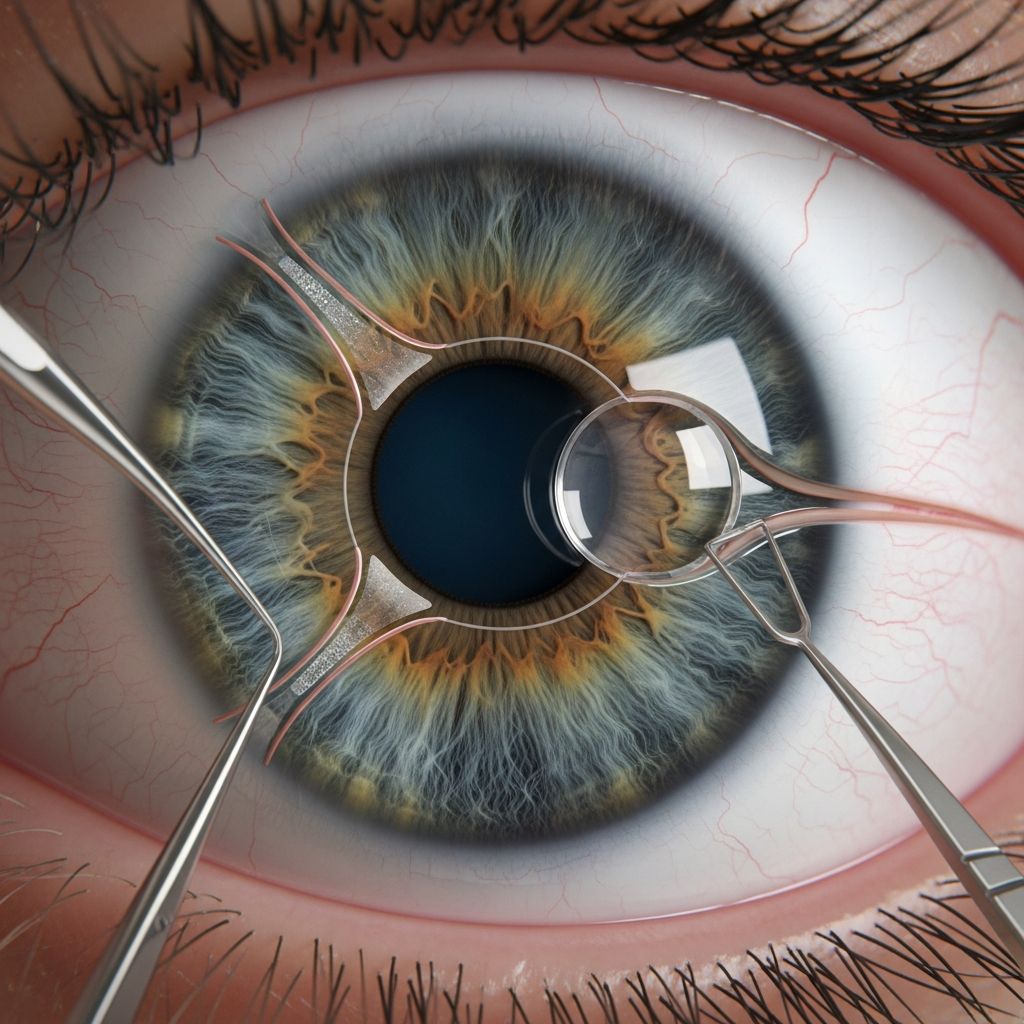
When patients develop both cataracts and glaucoma, they face a complex treatment decision. Traditionally, these conditions were treated separately through staged surgical procedures performed weeks or months apart. However, advances in ophthalmologic surgery have made simultaneous treatment increasingly viable, offering patients a more streamlined path to improved vision and better eye pressure management.
Understanding the Clinical Need for Integrated Surgical Planning
Cataracts develop when the natural lens becomes progressively cloudy, typically due to age-related changes in lens proteins. Glaucoma, by contrast, is characterized by elevated intraocular pressure (IOP) that gradually damages the optic nerve, potentially leading to irreversible vision loss. Patients who have both conditions face compounded visual challenges—their vision is compromised both by lens opacity and by the progressive peripheral vision loss associated with glaucoma.
The decision to pursue combined treatment versus staged procedures depends on several clinical factors, including the severity of each condition, the patient’s overall health status, medication tolerance, and specific ocular characteristics. Ophthalmologists must carefully evaluate whether addressing both conditions simultaneously represents the optimal therapeutic approach for each individual patient.
Determining Candidacy for Simultaneous Surgical Management
Not every patient with both conditions is a suitable candidate for combined surgery. Your eye care provider will consider multiple factors when recommending this approach:
- Medication ineffectiveness: Patients whose glaucoma remains inadequately controlled despite maximum tolerated medical therapy are often good candidates for combined surgery
- Drug-related adverse effects: Those experiencing bothersome side effects from glaucoma eye drops may benefit from surgical IOP management combined with cataract extraction
- Advanced glaucomatous changes: Patients with significant optic nerve damage despite adequate pressure control may benefit from additional surgical intervention
- Visual compromise severity: When cataracts substantially impair daily functioning and glaucoma requires surgical management, combined treatment becomes particularly attractive
- Perioperative risk considerations: Single anesthesia exposure carries less overall risk than undergoing two separate surgical procedures
Conversely, patients with well-controlled glaucoma on tolerable medications may be better served by cataract surgery alone, with glaucoma management deferred until clinically indicated.
Surgical Techniques for Integrated Cataract and Glaucoma Management
Several established surgical approaches exist for addressing both conditions simultaneously. The selection of technique depends on the specific type of glaucoma, disease severity, and surgeon expertise.
Traditional Trabeculectomy Combined with Phacoemulsification
Trabeculectomy remains a widely performed glaucoma procedure that creates an alternative drainage pathway for aqueous humor. When combined with cataract surgery, this approach can be performed through either a single incision or two separate sites. Single-site trabeculectomy with simultaneous cataract surgery involves creating a scleral flap, performing phacoemulsification through the same access point, implanting an intraocular lens, performing the necessary sclerectomy, and finally closing the scleral flap with adjustable sutures to fine-tune aqueous drainage.
Related Stories



The two-site approach maintains separate incisions for cataract surgery and trabeculectomy, which may reduce postoperative inflammation and potentially yield superior long-term IOP reduction compared to single-site surgery. However, this approach requires longer operative time and involves coordinating two distinct surgical sites.
Minimally Invasive Glaucoma Surgery with Cataract Extraction
Minimally invasive glaucoma surgeries (MIGS) have transformed the landscape of combined cataract-glaucoma treatment. These procedures offer several advantages over traditional filtering surgery, including reduced intraoperative trauma, lower complication rates, and more predictable refractive outcomes.
Canaloplasty combined with phacoemulsification represents an increasingly popular approach. Canaloplasty circumnavigates Schlemm’s canal to restore normal aqueous drainage pathways without creating external filtering blebs. When combined with cataract surgery (phacocanaloplasty), this technique provides effective IOP reduction while avoiding the need for antifibrotic medications. Postoperative care parallels that of isolated cataract surgery, requiring only topical antibiotics and modest steroid therapy.
Tube or stent implantation represents another MIGS option that can be performed simultaneously with cataract extraction. These devices create alternative aqueous drainage routes and can be placed through the same incision used for cataract surgery.
Modified Filtering Procedures
Ex-PRESS implants, which function as modified trabeculectomy alternatives, can be combined with cataract extraction with excellent outcomes. In a comparative series of 345 eyes, surgical success rates reached 94.8% with Ex-PRESS alone and 95.6% when combined with cataract extraction.
Advantages of Addressing Both Conditions Simultaneously
| Advantage Category | Specific Benefit |
|---|---|
| Anesthetic Risk Reduction | Single anesthesia exposure carries lower perioperative risk than two separate procedures |
| Recovery Timeline | One combined recovery period instead of two significantly reduces overall downtime |
| Vision Restoration | Simultaneous cataract removal and IOP control produce synergistic visual improvement |
| Medication Management | Successful glaucoma surgery may eliminate or substantially reduce daily eye drop use |
| Financial Considerations | Single operative event costs substantially less than two separate surgeries |
| Postoperative Pressure Control | Combined approach prevents the temporary IOP elevation sometimes observed after isolated cataract surgery |
| Quality of Life Enhancement | Improved vision plus reduced medication burden produces meaningful lifestyle improvements |
Potential Complications and Surgical Challenges
Combined cataract-glaucoma surgery carries higher complication rates than either procedure performed in isolation. Several factors contribute to increased risk:
- Inflammatory response amplification: Simultaneous manipulation of both anterior chamber and filtering structures generates more inflammation than single-procedure surgery, particularly with single-site approaches
- Zonular integrity concerns: Patients with glaucoma secondary to trauma or exfoliation syndrome frequently have weakened zonular support, increasing risk of zonular dehiscence and vitreous loss during cataract extraction
- Pupil management challenges: Chronic glaucoma medications often cause miosis (pupil constriction), and prior surgery may create synechiae (iris adhesions), both complicating cataract extraction
- Antifibrotic complications: Use of mitomycin-C during combined surgery increases risks of hypotony, maculopathy, bleb leak, and serious infections
- Refractive unpredictability: Simultaneous procedures may complicate refractive outcome prediction compared to cataract surgery alone
Postoperative Management and Recovery Expectations
Recovery from combined surgery requires careful monitoring and adherence to postoperative protocols. Patients typically receive topical antibiotics and corticosteroid medications for several weeks to manage inflammation. Eye drop frequency and type depend on the specific procedure performed and individual healing response.
Unlike traditional trabeculectomy, which requires close attention to bleb appearance and function, canaloplasty and MIGS procedures generally demand postoperative care similar to standard cataract surgery. Most patients experience visual improvement within days to weeks, though final visual stability may require several months.
Follow-up appointments become increasingly important, as surgeons must monitor both cataract surgery healing and glaucoma surgery function. IOP measurements, optic nerve assessment, and visual field changes require regular evaluation to ensure optimal surgical outcomes.
Long-Term Outcomes and Treatment Success
Recent research demonstrates that combined surgical approaches achieve meaningful long-term benefits. Traditional filtering surgeries with simultaneous cataract extraction produce significant IOP reduction, while MIGS procedures offer excellent safety profiles with fewer complications. Studies show that MIGS can provide effective pressure control when carefully individualized to each patient’s needs.
Some evidence suggests that staged procedures (performing glaucoma surgery first, followed by cataract surgery weeks or months later) may yield superior long-term IOP reduction compared to simultaneous approaches. However, staged surgery requires multiple anesthetics, longer overall treatment duration, and increases total healthcare costs. The choice between approaches should reflect individual patient circumstances rather than universal algorithms.
Frequently Asked Questions About Combined Cataract-Glaucoma Surgery
Will combined surgery completely eliminate my need for glaucoma medications?
Not always. While successful glaucoma surgery may substantially reduce or eliminate medication requirements in many patients, some individuals require continued pharmacologic IOP management. Your surgeon will discuss realistic expectations based on your specific condition and chosen procedure.
How long does combined cataract-glaucoma surgery take?
Cataract extraction typically requires 20-30 minutes. Adding glaucoma surgery extends operative time depending on the chosen technique, with combined procedures generally lasting 45-90 minutes total. Your surgeon will provide specific time estimates.
What is the difference between single-site and two-site surgery?
Single-site surgery uses one incision for both cataract and glaucoma procedures, reducing operative time but potentially increasing inflammation. Two-site surgery maintains separate incisions, requiring longer operative time but potentially offering superior long-term IOP control.
When would staged surgery be recommended instead of combined surgery?
Staged approaches may be preferred when glaucoma is very severe and requires maximal pressure control, when cataract opacity is mild, or when careful surgical planning suggests sequential procedures would yield better outcomes for your individual situation.
Are MIGS procedures as effective as traditional glaucoma surgery?
MIGS procedures provide effective IOP reduction with significantly lower complication rates than traditional filtering surgery, though maximum pressure lowering may be slightly less dramatic. For many patients, MIGS offer an optimal balance between efficacy and safety.
The Evolving Role of Combined Surgery in Glaucoma Management
As surgeons gain increasing experience with MIGS techniques and combined approaches mature, cataract surgery is becoming recognized as a valuable opportunity to address glaucoma simultaneously. This paradigm shift reflects recognition that preventing vision loss from glaucoma is preferable to managing advanced disease. For patients already undergoing cataract surgery, adding a low-risk glaucoma procedure offers meaningful benefits without substantially increased risk.
The development of safer, less invasive glaucoma surgical options has democratized glaucoma surgery, moving it from a treatment reserved only for advanced cases to an option available across disease severity spectrum. This accessibility transforms the patient experience, potentially eliminating the burden of long-term medication use while restoring clear vision through a single procedure.
Making Your Decision: Key Considerations
Choosing between combined surgery and staged procedures requires careful discussion with your ophthalmologist. Consider your medication tolerance, disease severity, visual needs, and willingness to undergo additional procedures. Patients experiencing medication side effects or facing financial constraints may particularly benefit from combined approaches. Those with very advanced glaucoma might achieve superior pressure control through staged procedures performed months apart.
Your surgeon’s expertise with various combined techniques should influence the decision. Procedures requiring specialized training—such as canaloplasty or advanced MIGS—should be performed by experienced surgeons to optimize outcomes and minimize complications.
References
- Cataract Surgery Combined with Glaucoma Surgery — PubMed/National Institutes of Health. 2024. https://pubmed.ncbi.nlm.nih.gov/39508422/
- Techniques for Combined Cataract and Filtering Glaucoma Surgery — EyeWiki. Accessed 2026. https://eyewiki.org/Techniques_for_Combined_Cataract_and_Filtering_Glaucoma_Surgery
- Combined Surgery — Glaucoma Institute New Jersey. https://glaucomainstitute.com/combined-surgery/
- Combined Cataract and Glaucoma Surgery — The Eye Professionals. https://bceye.com/glaucoma/combined-cataract-and-glaucoma-surgery/
- Combined Cataract and Glaucoma Surgery: What to Expect — ECVA Eye Care. 2024. https://www.ecvaeyecare.com/2024/01/18/combined-cataract-and-glaucoma-surgery-what-to-expect/
- Cataract Surgery Combined With Canaloplasty — Glaucoma Today. 2013. https://glaucomatoday.com/articles/2013-mar-apr/cataract-surgery-combined-with-canaloplasty
- Combination Surgery: Treating Cataracts and Glaucoma Together — Glaucoma Research Foundation. https://glaucoma.org/articles/combination-surgery-treating-cataracts-and-glaucoma-together
Similar Articles








Read full bio of medha deb