Simvastatin (Zocor): Uses, Dosage, Side Effects
Complete guide to simvastatin: cholesterol management, dosage, side effects, and safety information.
What Is Simvastatin (Zocor)?
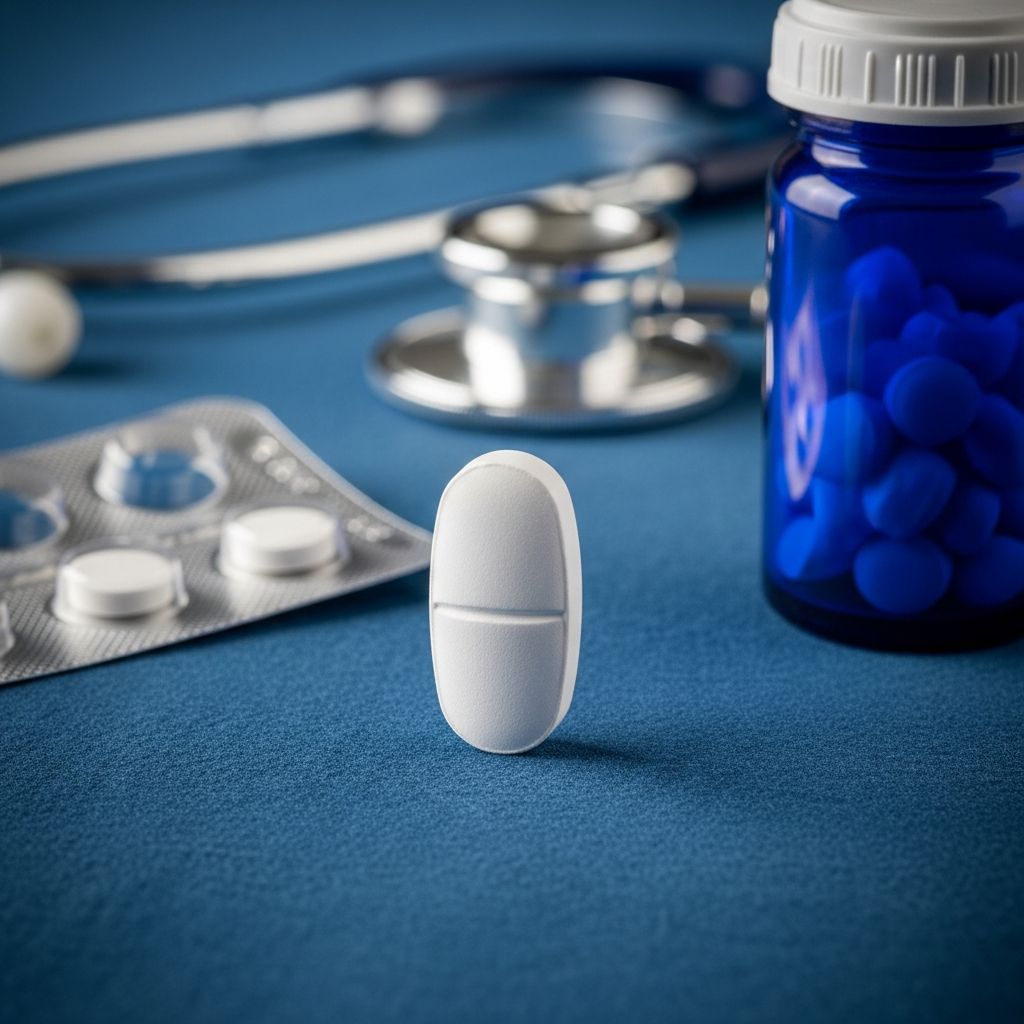
Simvastatin is a prescription medication belonging to a class of drugs known as statins, also called HMG-CoA reductase inhibitors. The brand name for simvastatin is Zocor, though it is also available as a generic medication and in liquid suspension form under the brand name FloLipid. Simvastatin works by blocking a protein in your liver that produces cholesterol, effectively reducing the amount of cholesterol your body makes and helping break down existing bad cholesterol in the bloodstream.
What Is Simvastatin Used For?
Simvastatin is prescribed for several important health conditions related to cholesterol and cardiovascular health. The primary uses include:
- Lowering high cholesterol: Simvastatin reduces bad cholesterol (LDL-C) and triglycerides while increasing good cholesterol (HDL) in the blood.
- Reducing cardiovascular risk: The medication is approved to lower the risk of cardiovascular problems, heart attacks, and strokes in adults at high risk.
- Treating familial hypercholesterolemia: Simvastatin can manage high cholesterol caused by a genetic condition called heterozygous familial hypercholesterolemia (HeFH) in adults and children ages 10 to 17 years.
- Managing triglyceride levels: The medication helps reduce elevated triglycerides and related fat levels in the blood.
- Prevention in high-risk patients: For individuals with existing coronary heart disease, diabetes, peripheral vessel disease, or history of stroke, simvastatin reduces total mortality and the need for revascularization procedures.
Your doctor may prescribe simvastatin if you have a family history of heart disease or long-term health conditions such as rheumatoid arthritis or diabetes.
How Does Simvastatin Work?
Simvastatin functions by inhibiting HMG-CoA reductase, an enzyme in your liver responsible for cholesterol production. By blocking this enzyme, simvastatin reduces the amount of cholesterol synthesized by your body and increases the breakdown of existing bad cholesterol in your bloodstream. This dual action effectively lowers LDL cholesterol and triglyceride levels while raising HDL cholesterol, the beneficial type that protects against heart disease. The medication’s effects on cholesterol profiles help reduce the buildup of plaque in arteries, thereby lowering the risk of heart attacks and strokes.
Dosage and Administration
Simvastatin is taken orally as a tablet, typically once each evening. The appropriate dosage varies based on individual health conditions and risk factors:
- Usual starting dose: 10 to 20 mg once daily in the evening for general cholesterol management.
- High-risk patients: Those with coronary heart disease or significant cardiovascular risk typically start at 40 mg per day.
- Dosage range: The typical range is 5 to 40 mg daily, adjusted based on your response to treatment and cholesterol levels.
- Maximum dose considerations: The 80 mg dose should only be used in patients who have been taking simvastatin 80 mg chronically for at least 12 months due to increased risk of muscle-related side effects.
Simvastatin works best when combined with heart-healthy eating habits, regular physical activity, and other lifestyle modifications. Your healthcare provider will determine the most appropriate dose for your specific condition and may adjust it based on your cholesterol levels and response to treatment.
Side Effects of Simvastatin
Like all medications, simvastatin can cause side effects. Most side effects are mild and may improve as your body adjusts to the medication. It is important to inform your healthcare provider if side effects persist or worsen.
Common Side Effects
These side effects are relatively frequent but typically mild and may diminish over time:
Related Stories



- Stomach pain or acid reflux
- Muscle pain or weakness
- Headache
- Dizziness or lightheadedness
- Nausea or vomiting
- Gas or bloating
- Loss of strength or fatigue
- Sweating
- Pain or tenderness around the eyes and cheekbones
Less Common but Serious Side Effects
Contact your healthcare provider immediately if you experience any of the following symptoms, as they may indicate a serious condition:
- Severe muscle pain, weakness, or tenderness
- Dark-colored urine
- Yellowing of skin or eyes
- Upper right abdominal pain
- Unexplained weight loss
- Unusual tiredness or weakness
- Trouble breathing
- Blistering, peeling, or loosening of skin
- Persistent numbness, tingling, or burning sensations
- Swelling in joints or other areas
Important Precautions and Warnings
Before starting simvastatin, inform your healthcare provider about any existing health conditions, medications, or supplements you take. Several important precautions apply to simvastatin use:
- Liver function: Simvastatin can affect liver function, so baseline liver tests may be necessary before starting treatment.
- Muscle problems: The medication carries a risk of myopathy (muscle disease) and in rare cases, rhabdomyolysis (severe muscle breakdown). Report any unexplained muscle pain or weakness immediately.
- Drug interactions: Simvastatin interacts with numerous medications, so your doctor must know about all medicines you take.
- Pregnancy: Simvastatin should not be used during pregnancy, as it may harm the developing fetus.
- Grapefruit: Avoid grapefruit and grapefruit juice, as they can increase simvastatin levels in your blood to dangerous levels.
Who Can Take Simvastatin?
Simvastatin is approved for adults and children ages 10 years and older. The medication is appropriate for individuals diagnosed with high cholesterol, those at high risk of cardiovascular disease, and patients with familial hypercholesterolemia. However, simvastatin is not suitable for pregnant women, nursing mothers, or individuals with active liver disease. Your healthcare provider will evaluate whether simvastatin is appropriate for your specific health situation.
Lifestyle Considerations
Simvastatin is most effective when combined with healthy lifestyle choices. To maximize the medication’s benefits:
- Follow a heart-healthy diet low in saturated fats and cholesterol
- Engage in regular physical activity (at least 150 minutes of moderate exercise weekly)
- Maintain a healthy weight
- Avoid smoking and limit alcohol consumption
- Manage stress through relaxation techniques
- Monitor your cholesterol levels regularly as directed by your healthcare provider
These lifestyle modifications complement the medication’s effects and significantly improve your overall cardiovascular health outcomes.
Interactions with Other Medications
Simvastatin interacts with various medications, potentially increasing the risk of side effects or reducing its effectiveness. Notable interactions include certain antifungal medications, some antibiotics, calcium channel blockers, and other cholesterol-lowering drugs. Always inform your healthcare provider about all medications, supplements, and herbal products you use before starting simvastatin.
Frequently Asked Questions About Simvastatin
Q: How long does it take for simvastatin to work?
A: Simvastatin typically begins lowering cholesterol within 1 to 2 weeks, but it may take 4 to 6 weeks to achieve full effects on your cholesterol levels. Your doctor will monitor your progress through blood tests.
Q: Can I stop taking simvastatin once my cholesterol improves?
A: No. Simvastatin is typically a long-term medication. Stopping it can cause cholesterol levels to rise again. Consult your healthcare provider before making any changes to your medication regimen.
Q: Is simvastatin safe for long-term use?
A: Yes, simvastatin is generally safe for long-term use when taken as prescribed and monitored regularly by your healthcare provider. Regular blood tests help ensure the medication is working effectively and not causing adverse effects on your liver.
Q: What should I do if I miss a dose?
A: If you miss a dose, take it as soon as you remember. However, if it is nearly time for your next dose, skip the missed dose and continue with your regular schedule. Never double-dose to make up for a missed dose.
Q: Can simvastatin be taken with food?
A: Simvastatin can be taken with or without food. However, taking it in the evening with a meal may help reduce stomach upset if you experience gastrointestinal side effects.
Q: Are there alternatives to simvastatin?
A: Yes. Other statins include atorvastatin, rosuvastatin, and pravastatin. Non-statin cholesterol-lowering medications such as ezetimibe and PCSK9 inhibitors are also available. Your doctor will recommend the most appropriate option based on your health profile.
Q: Is the generic version of simvastatin as effective as brand-name Zocor?
A: Yes. Generic simvastatin contains the same active ingredient and is equally effective as brand-name Zocor. The FDA requires generic medications to meet the same strict quality and safety standards as brand-name drugs.
Q: Can I take simvastatin if I have diabetes?
A: Yes. Simvastatin may actually be recommended for individuals with diabetes due to their increased cardiovascular risk. Your healthcare provider will determine if it is appropriate for your specific situation.
References
- Zocor: Side effects, dosage, uses, alternatives, and more — Medical News Today. 2024. https://www.medicalnewstoday.com/articles/zocor
- Simvastatin (Zocor): Uses, Side Effects, Dosage & More — GoodRx. https://www.goodrx.com/simvastatin/what-is
- ZOCOR (simvastatin) Tablets – Full Prescribing Information — U.S. Food and Drug Administration. 2011-06. https://www.accessdata.fda.gov/drugsatfda_docs/label/2011/019766s077s082lbl.pdf
- Simvastatin (oral route) – Side effects & dosage — Mayo Clinic. https://www.mayoclinic.org/drugs-supplements/simvastatin-oral-route/description/drg-20069006
- Simvastatin (Zocor, Flolipid) – Uses, Side Effects, and More — WebMD. https://www.webmd.com/drugs/2/drug-6105/simvastatin-oral/details
- Simvastatin – StatPearls — National Center for Biotechnology Information (NCBI). https://www.ncbi.nlm.nih.gov/books/NBK532919/
Similar Articles








Read full bio of medha deb