Sinecatechins Ointment: Complete Wart Treatment Guide in 2025
Green tea-derived ointment for treating external genital and perianal warts in adults.
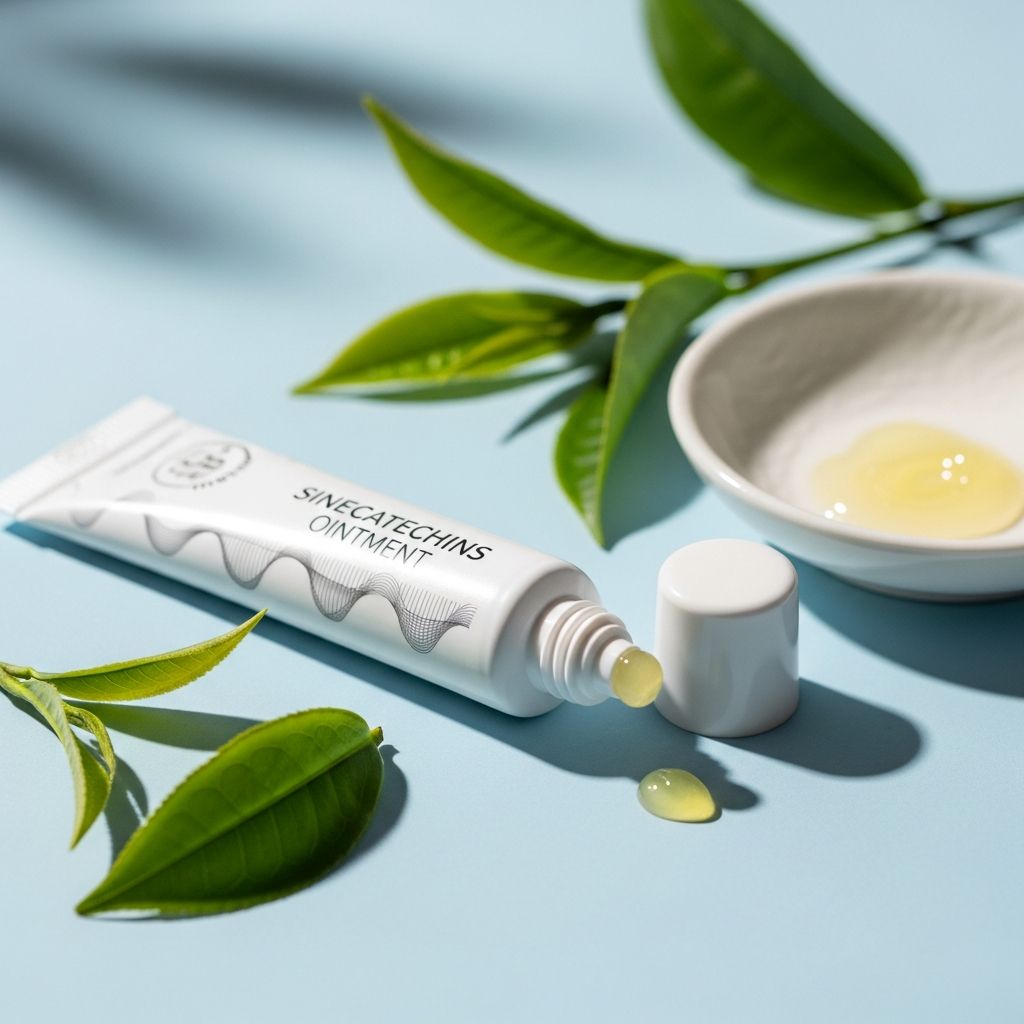
What is sinecatechins ointment?
Sinecatechins 15% ointment, marketed as Veregen®, is a botanical drug product derived from green tea leaves (Camellia sinensis) for topical treatment of external genital and perianal warts (condylomata acuminata) in immunocompetent adults aged 18 years and older. Approved by the US Food and Drug Administration (FDA) in 2006, it represents the first FDA-approved botanical prescription drug.
Catechins, the active components, are polyphenolic compounds naturally abundant in green tea. These include epigallocatechin gallate (EGCG), the most potent catechin, along with epicatechin (EC), epigallocatechin (EGC), and epicatechin gallate (ECG). Each gram of ointment contains 150 mg of sinecatechins in a water-free base.
Green tea catechins exhibit antioxidative, antiviral, antiangiogenic, anticarcinogenic, and immunostimulatory properties, which contribute to their therapeutic effects against human papillomavirus (HPV)-induced warts.
Who gets genital and perianal warts?
Genital and perianal warts are caused by low-risk HPV types, primarily 6 and 11, transmitted through skin-to-skin contact during sexual activity. They affect approximately 1% of sexually active adults, with higher prevalence in younger populations.
- Demographics: Most common in ages 20–29 years; equal incidence in males and females.
- Risk factors: Multiple sexual partners, unprotected sex, immunosuppression, prior HPV exposure.
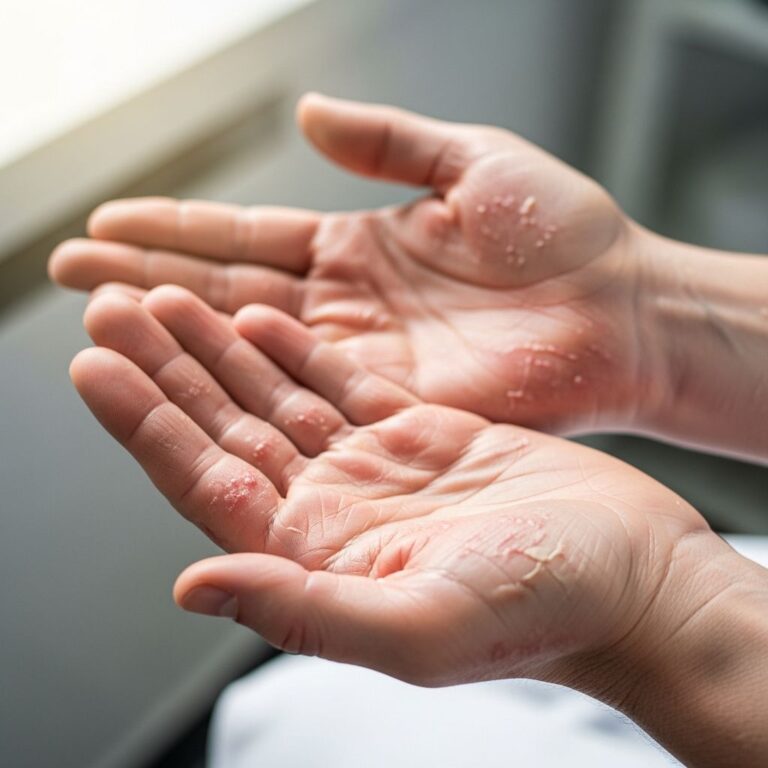
- Appearance: Flesh-colored, cauliflower-like growths on vulva, vagina, cervix, anus, scrotum, penis, or perineum; may be single or clustered.
Up to 30% of cases regress spontaneously within 6–12 months due to immune clearance, but persistent warts require treatment to alleviate symptoms, reduce transmission, and prevent complications like obstruction or secondary infection.
What is the mechanism of action of sinecatechins?
The exact mechanism by which sinecatechins eradicate warts remains unclear, but preclinical studies demonstrate multiple pathways targeting HPV pathogenesis.
- Antiviral effects: Inhibit HPV gene expression and viral replication by modulating enzymes like DNA polymerase and thymidine kinase.
- Antioxidative activity: Scavenge free radicals, restoring glutathione and superoxide dismutase levels in HPV-infected skin.
- Immunostimulatory: Enhance local immune response via cytokine modulation (e.g., reduce COX-2, an immunosuppressive enzyme elevated in HPV lesions).
- Antiangiogenic: Inhibit vascular endothelial growth factor (VEGF), starving wart tissue of blood supply.
- Antiproliferative: Induce apoptosis in infected keratinocytes and inhibit cell proliferation.
In vitro studies show catechins disrupt HPV-induced cellular changes, promoting immune-mediated clearance without destroying healthy tissue.
Clinical evidence for sinecatechins ointment
Two pivotal phase 3, randomized, double-blind, vehicle-controlled trials (n=600 immunocompetent adults) evaluated sinecatechins 15% applied three times daily for up to 16 weeks.
| Endpoint | Sinecatechins 15% | Vehicle | P-value |
|---|---|---|---|
| Complete clearance of baseline warts | 53.6% | 35.4% | <0.001 |
| Complete clearance of all warts (baseline + new) | 54.9% | 33.4% | <0.001 |
| 12-week recurrence rate | 6.8–12.0% | N/A | N/A |
Treatment success was faster with sinecatechins (median 10–16 weeks). Patients achieving clearance had >90% wart-free status at 12-week follow-up. Efficacy was consistent across gender, wart location, and baseline wart count.
Aggressive warts responded better than non-aggressive subtypes. No resistance developed, unlike some chemical treatments.
Related Stories



How do you use sinecatechins ointment?
- Wash hands and treatment area with mild soap and water; pat dry.
- Apply a thin layer (~0.5 cm strand per wart) three times daily to cover all warts and 1 cm surrounding skin.
- Gently rub in; do not wash off before next application.
- Reapply after bathing/showering.
- For uncircumcised males: Retract foreskin, clean daily, apply under foreskin if warts present.
- Continue up to 16 weeks or until clearance; maximum 4 tubes (120g).
- Avoid sexual contact while ointment is on skin; use condom if resuming.
- Do not bandage unless directed; cotton underwear acceptable.
Precautions: For external use only. Wash hands post-application. Discontinue if severe irritation occurs.
Side effects of sinecatechins ointment
Local skin reactions are common (erosion 5–7%, erythema 6%, pruritus 5%, pain/burning 4%, ulceration 2%) but mostly mild-moderate and resolve post-treatment.
- Common (>5%): Redness, itching, burning at site.
- Less common: Blistering, oozing, swelling, skin ulcer.
- Rare (<1%): Lymphadenopathy, non-melanoma skin cancers, scarring (causal link unclear).
- Discontinuation rate: 4–11% due to local reactions.
No systemic absorption or serious adverse events reported. Side effects peak weeks 2–4, decrease thereafter.
What precautions are required when using sinecatechins ointment?
- Contraindications: Hypersensitivity to catechins/green tea; mucous membrane application (vaginal/anal canal); children <18 years.
- Pregnancy/Lactation: Category C; use only if benefit outweighs risk.
- Immunosuppressed patients: Efficacy unestablished.
- Avoid eyes/mouth/nostrils. Not for internal warts.
- Monitor for secondary infection; consult physician if worsening.
- Does not eliminate HPV; transmission possible.
Alternatives to sinecatechins ointment
| Treatment | Type | Efficacy | Advantages | Disadvantages |
|---|---|---|---|---|
| Podophyllotoxin 0.5% solution/0.15% gel | Patient-applied antimitotic | 40–60% | Self-use | Local irritation |
| Imiquimod 5% cream | Patient-applied immunomodulator | 35–50% | Low recurrence | Prolonged (16 weeks) |
| Cryotherapy | Provider-administered | 60–80% | Rapid | Painful, multiple visits |
| Electrosurgery/Laser | Provider-administered | 70–90% | Definitive | Scarring, costly |
| Trichloroacetic acid (TCA) | Provider-administered | 50–70% | Office-based | Burning, repeat |
Sinecatechins offers superior patient-applied clearance of all warts with lowest recurrence.
Frequently Asked Questions
Is sinecatechins ointment safe during pregnancy?
Use only if clearly needed (FDA Category C). Consult your doctor.
Can I use sinecatechins inside the vagina or anus?
No, for external warts only. Internal use contraindicated.
How long until warts disappear?
Median 10–16 weeks; stop at clearance or 16 weeks max.
Will sinecatechins cure HPV?
No, treats warts only. Virus may persist; use protection.
What if side effects are severe?
Discontinue and contact physician. Mild reactions common.
Availability and Cost
Available by prescription in US, Europe (Spain, France, Austria, Serbia). Not in New Zealand (as of 2012 data). 30g tube ~$1500 USD without insurance.
References
- Sinecatechins ointment – DermNet — DermNet NZ. 2023. https://dermnetnz.org/topics/sinecatechins-ointment
- Sinecatechins: Effects on HPV-Induced Enzymes Involved in… — National Center for Biotechnology Information (NCBI). 2012-03-01. https://pmc.ncbi.nlm.nih.gov/articles/PMC3277090/
- Sinecatechins Ointment: Uses & Side Effects — Cleveland Clinic. 2024. https://my.clevelandclinic.org/health/drugs/18716-sinecatechins-ointment
- Sinecatechins (topical application route) — Mayo Clinic. 2025. https://www.mayoclinic.org/drugs-supplements/sinecatechins-topical-application-route/description/drg-20070630
- Sinecatechins (Camellia Sinensis) Ointment — Alberta Health Services. 2024. https://myhealth.alberta.ca/Health/medications/Pages/conditions.aspx?hwid=fdb1067
- Veregen (sinecatechins): Uses, Tips, Side Effects & More — GoodRx (citing FDA data). 2025. https://www.goodrx.com/veregen/what-is
Similar Articles








Read full bio of medha deb